As Dhanteras celebrations approach in 2026, shoppers in Dubai are showing growing interest in precious and coloured gemstones, with many exploring alternatives to conventional gold purchases as festive buying preferences begin to shift.
Dhanteras 2026: Gemstones Gain Popularity Among Dubai Shoppers as Gold Takes a Back Seat
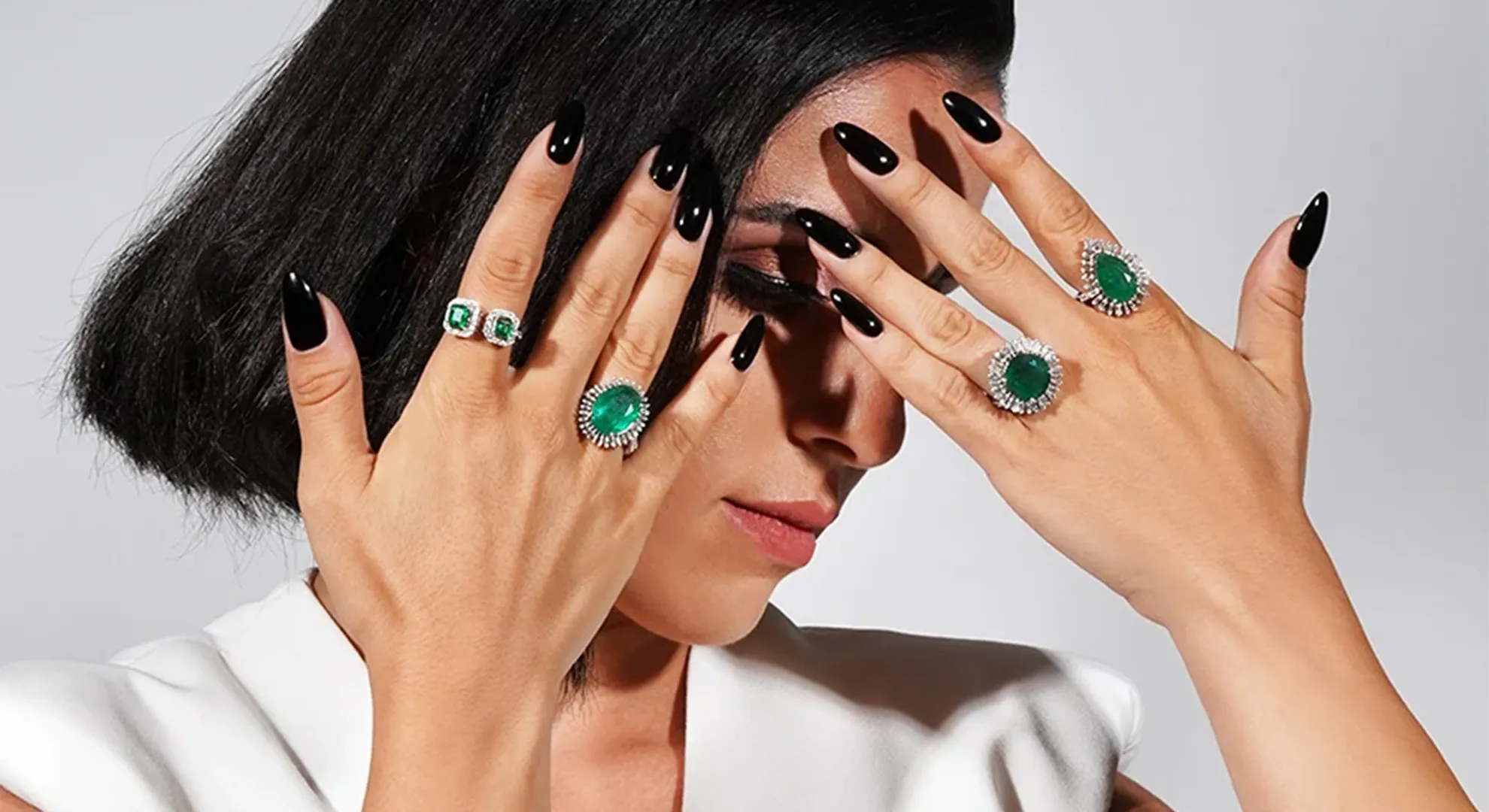
Dhanteras 2026: Dubai Jewellery Buyers Look Beyond Gold as Emeralds and Coloured Gemstones Gain Attention
As Dhanteras approaches, jewellery shopping in Dubai is witnessing a noticeable change in consumer preferences. While gold continues to hold cultural and traditional importance during the festive season, increasingly expensive prices are encouraging buyers to explore other precious jewellery options, particularly emeralds and coloured gemstones.
For generations, purchasing gold has been an important part of Dhanteras celebrations. The occasion, observed two days before Diwali, is considered an auspicious time to bring valuable possessions into the home as a symbol of wealth, prosperity and good fortune.
In Dubai, where a large Indian community celebrates the festival with enthusiasm, jewellery stores traditionally experience increased interest during this period. The city’s famous Gold Souk and established jewellery retailers become especially attractive destinations for festive shoppers.
However, the rising cost of gold is influencing purchasing decisions this year. With the price of 24-carat gold approaching Dh500 per gram, buying traditional gold coins or heavy jewellery sets has become a considerably larger financial commitment.
Another factor affecting the market is India’s decision to introduce a 15 per cent import duty from May, aimed at easing pressure on the rupee.
As a result, some jewellery buyers are reconsidering their traditional shopping choices and looking for pieces that offer a combination of beauty, individuality and long-term personal value.
Jewellers in Dubai say the changing trend is creating greater interest in gemstone jewellery, with emeralds emerging as one of the stones attracting attention ahead of the festive season.
Gold coins lose appeal as buyers seek jewellery for everyday use
According to jewellery industry professionals, customers are increasingly interested in purchasing pieces they can wear regularly rather than buying gold solely as an investment or traditional festive purchase.
Vik Jethwani, co-founder of Dubai-based VikJet, said buyers are showing greater preference for jewellery that becomes part of their everyday wardrobe.
He explained that consumers increasingly want something distinctive and wearable instead of concentrating exclusively on large jewellery sets or gold coins.
This reflects a broader change in how some customers approach festive purchases.
Rather than focusing only on the quantity of gold included in a piece, shoppers are paying greater attention to its appearance, craftsmanship and suitability for regular use.
Jewellery that can be worn on different occasions while retaining its personal significance is becoming an attractive option.
The shift does not necessarily mean that consumers are abandoning gold altogether. Instead, some are choosing designs in which gold plays a supporting role while gemstones provide the main visual appeal.
Emeralds emerge as a popular choice for Dhanteras
Coloured gemstones are receiving greater attention as buyers look for alternatives to traditional gold purchases.
Among these stones, emeralds are attracting particular interest because of their distinctive green colour and association with prosperity, happiness and positive energy.
Radhika Nayar, founder and creative director of Devi Jewels, described emerald as a gemstone associated with prosperity and happiness.
Its rich colour and traditional symbolism make it an appealing choice for shoppers looking for something special during the festive period.
Dr Siddhartha Sacheti, creative director and CEO of Jaipur Gems, also highlighted the growing importance of coloured gemstones in contemporary jewellery.
He explained that the idea of purchasing something valuable is increasingly connected with owning an unusual or distinctive piece rather than simply buying a specific quantity of precious metal.
Under this approach, gold becomes the framework that holds the gemstone in place, while the stone itself becomes the main feature of the design.
This change is encouraging jewellery designers to experiment with different colours, settings and creative combinations.
For customers, it offers an opportunity to purchase jewellery that stands out visually without necessarily requiring a large amount of gold.
Traditional gold buying meets changing preferences among women
Despite the growing interest in gemstones, gold continues to carry considerable cultural and financial importance during Dhanteras.
Traditionally, gold has been regarded as a valuable asset that women can own independently. The concept of streedhan reflects the importance of jewellery and other wealth belonging to a woman in her own right.
Gold jewellery has historically served several purposes, representing family traditions, financial security and personal wealth.
These values remain relevant among buyers in Dubai, particularly during festivals such as Dhanteras and Diwali.
However, the way women approach jewellery purchases is evolving.
Jewellers are noticing greater interest from women purchasing pieces for themselves rather than relying exclusively on gifts from family members.
This reflects changing attitudes towards personal spending, independence and individual expression.
Sacheti said jewellery can continue to represent family heritage and generational connections while also serving as a symbol of a woman’s individuality and independence.
For many customers, purchasing a gemstone necklace, ring or pair of earrings is therefore not simply about acquiring something valuable. It is also about choosing a piece that reflects their personal taste and identity.
Families are redesigning inherited gold jewellery
High gold prices are also encouraging customers to reconsider the jewellery they already own.
Instead of purchasing entirely new heavy gold sets, some families are bringing older jewellery to designers and asking them to transform inherited pieces into more contemporary styles.
These redesign projects often involve melting down traditional jewellery and creating lighter, more wearable designs using the original precious stones.
Sacheti said this approach allows customers to retain the emotional significance of inherited jewellery while giving it a fresh appearance.
The redesigned piece can preserve memories associated with earlier generations while becoming suitable for modern lifestyles.
This trend also highlights the growing importance of sustainability and responsible use of existing precious materials within the jewellery industry.
Rather than allowing traditional ornaments to remain unused in lockers, customers can transform them into designs that fit their current preferences.
The process can also help families preserve important gemstones while reducing the need to purchase additional materials.
Precious stones are becoming the most protected part of family jewellery
Ananya Malhotra, founder of London-based jewellery house ANANYA, said customers frequently want to retain the original gemstones when redesigning inherited ornaments.
Her brand has introduced an Atelier service focused on rebuilding jewellery around stones already owned by customers.
These projects may involve family sapphires, emeralds and diamonds that have been passed down through generations.
According to Malhotra, customers often place greater importance on preserving these original stones than retaining the gold used in the older design.
This highlights the emotional significance attached to gemstones, which can carry family memories and personal histories.
A stone inherited from a grandmother or another family member may hold sentimental value that cannot easily be replaced by purchasing a new piece of jewellery.
By using existing gemstones in contemporary designs, jewellers can create ornaments that combine family heritage with modern aesthetics.
The approach also allows customers to personalise their jewellery rather than selecting standard designs available in the market.
Independent jewellery brands focus on creativity and individuality
The changing preferences of buyers are also influencing competition within Dubai’s jewellery market.
Large jewellery groups continue to strengthen their presence in the region, while independent designers are focusing on creativity, specialised craftsmanship and distinctive collections.
One significant development in the industry has been Titan’s acquisition of a majority stake in Dubai-based Damas.
Titan is the parent company of Tanishq, one of India’s major jewellery brands.
The consolidation of established jewellery businesses reflects the continuing importance of the regional market and the opportunities available within it.
At the same time, independent brands such as Devi Jewels, VikJet and Jaipur Gems are working to attract customers through personalised designs and distinctive gemstone collections.
For smaller and independent jewellery houses, individuality is an important way of differentiating themselves from larger retailers.
Malhotra said customers are increasingly interested in the design and overall experience of wearing jewellery rather than simply considering the weight or quantity of precious metal.
Factors such as how a necklace sits on the body, how a ring feels when worn and how a piece moves with the wearer are becoming important considerations.
This approach places greater emphasis on design, comfort and craftsmanship.
Emerald jewellery reflects the changing direction of luxury design
The growing attention towards emeralds is also influencing the way jewellery designers create their collections.
Malhotra’s Emerald Wave collection is an example of this design philosophy.
The collection features emeralds arranged in an ombré style, creating a gradual transition of colour across the jewellery.
The gemstone arrangement provides the main visual attraction, while the metal setting plays a supporting role.
Such designs demonstrate how coloured stones can become the defining feature of an ornament rather than simply serving as decorative additions to gold.
The approach is particularly appealing to customers looking for jewellery that feels distinctive and contemporary.
It also gives designers greater creative freedom to experiment with colour combinations, gemstone arrangements and different forms of craftsmanship.
As consumer preferences evolve, jewellery brands are increasingly exploring ways to combine traditional precious materials with modern design concepts.
What Dubai shoppers may choose this Dhanteras
The changing jewellery market suggests that festive shopping is becoming less focused on the weight of gold alone.
While traditional gold coins and ornaments remain important purchases for many families, gemstone jewellery is providing another option for those seeking something different.
Emeralds, sapphires and diamonds offer customers the opportunity to choose pieces based on colour, design and personal significance.
The growing interest in redesigning inherited jewellery also suggests that buyers are placing greater importance on sentimental value and practical use.
For jewellers, this creates opportunities to introduce personalised services and collections that appeal to customers with different budgets and preferences.
Dubai’s diverse jewellery market, supported by its large Indian community and international customer base, provides an important setting for these changing trends.
The festive season continues to carry the same cultural meaning, with families purchasing precious items to mark an auspicious occasion and welcome prosperity.
What appears to be changing is the form that these purchases take.
Instead of concentrating entirely on gold coins or heavy ornaments, some shoppers are exploring colourful gemstones and thoughtfully designed jewellery that can become part of their everyday lives.
As Dhanteras 2026 approaches, emeralds and other coloured stones are gaining attention in Dubai’s jewellery market, offering a fresh interpretation of a long-standing festive tradition.
Gold may continue to represent wealth and prosperity, but for an increasing number of buyers, the attraction of a precious purchase lies in its design, individuality and the memories it carries.