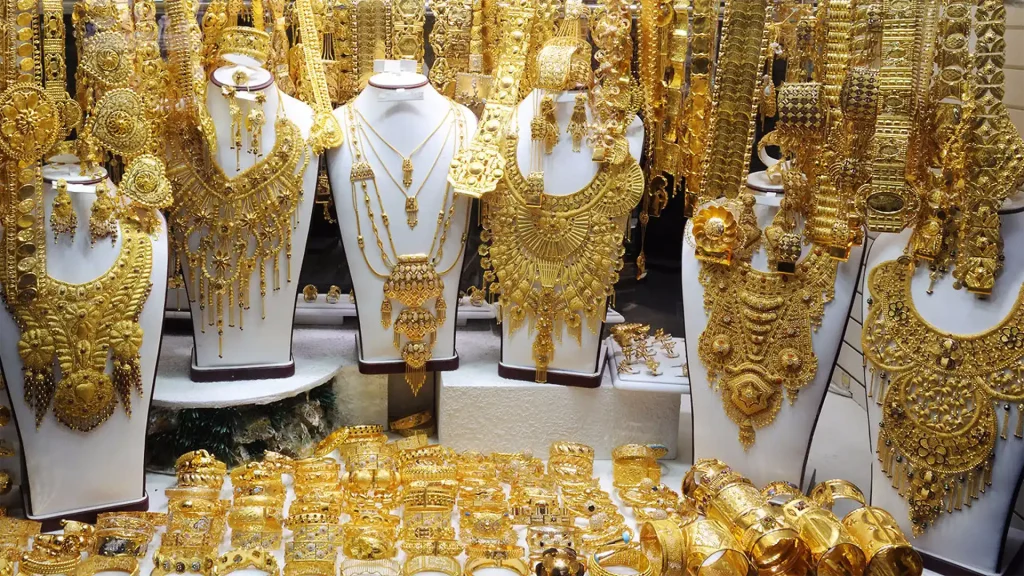
Gold prices may find lasting support from continued purchases by central banks, whose demand could prove more influential than geopolitical tensions or sudden market shocks. Their efforts to diversify reserves may remain a key factor shaping gold’s long-term outlook.
Gold’s Real Strength May Lie in Central Bank Demand, Not Global Turmoil.
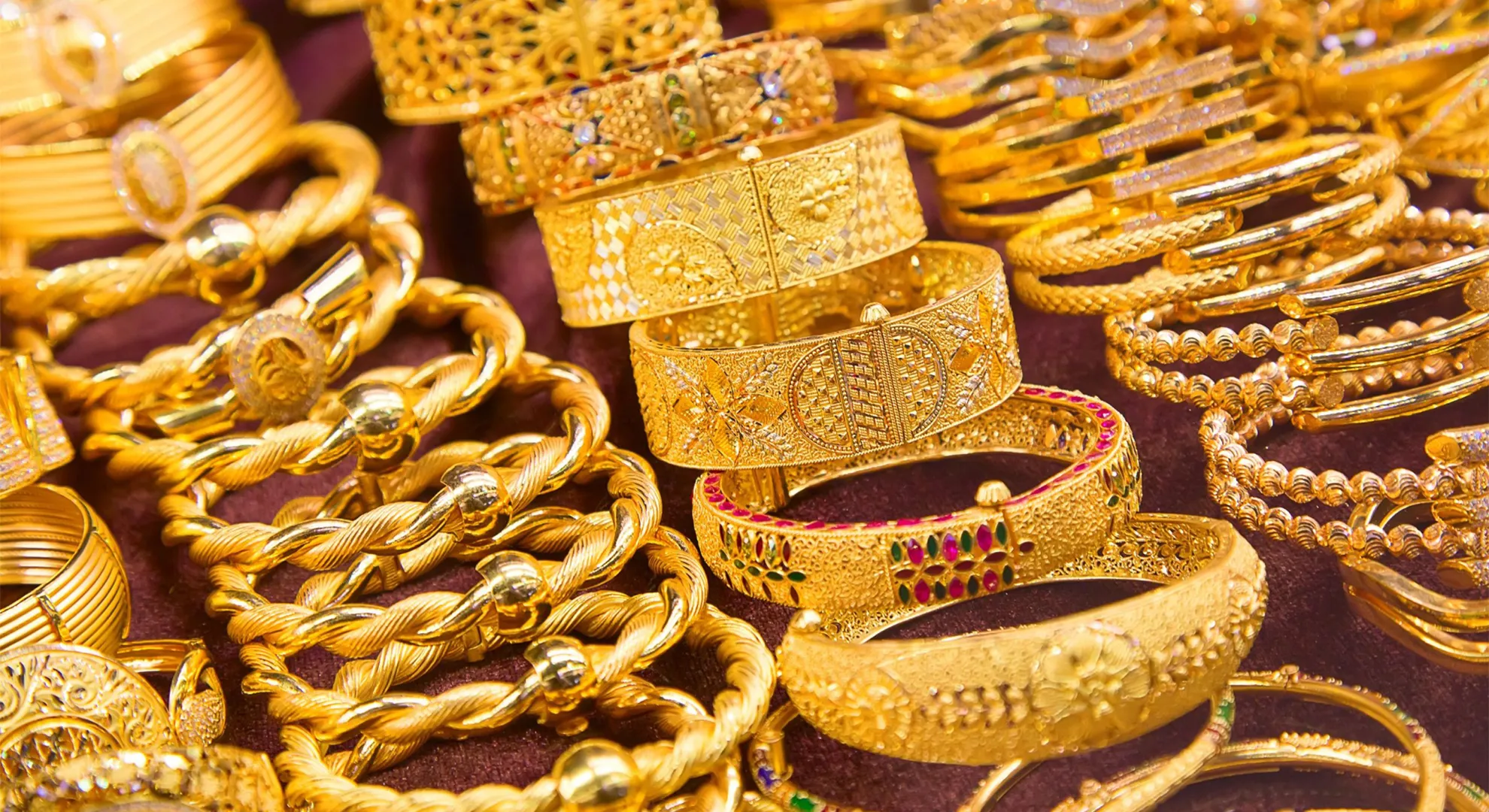
Central Banks to Remain Key Gold Buyers in 2026 Despite Expected Slowdown
Central banks are expected to purchase less gold in 2026 than they did a year earlier, but their continued accumulation of the precious metal could remain an important source of support for prices. Although buying may fall below the 863 tonnes recorded in 2025, demand is still expected to remain well above the levels seen before central-bank purchases accelerated in recent years.
Gold’s investment appeal is often linked to geopolitical tensions, economic uncertainty and fluctuations in the US dollar. However, its longer-term prospects may depend just as much on structural changes in the way central banks manage their reserves and how investors distribute their assets.
For portfolio managers, gold can serve a different purpose from traditional investments such as shares and government bonds. It generates no interest or dividends, but it may help diversify a portfolio during periods when conventional assets come under pressure simultaneously.
One investment approach is to maintain a strategic allocation of between 3% and 5% to gold throughout different market conditions rather than buying the metal only when a crisis emerges. Under this approach, central-bank purchases provide an underlying source of demand, while Western investors could generate further price gains if financial conditions become more favourable.
The direction of real interest rates is particularly important in determining whether investment demand expands. When inflation-adjusted yields decline, holding gold becomes relatively more attractive because investors give up less potential income by owning a non-yielding asset.
Central-bank demand provides a long-term foundation
Official-sector purchases have become a significant part of the gold market over the past several years.
Central banks purchased more than 1,000 tonnes of gold in three of the four years leading up to and including 2025, compared with an average annual total of 473 tonnes during the preceding decade.
This shift suggests that gold has gained importance in reserve-management strategies. Rather than relying exclusively on conventional reserve assets, some central banks have increased their holdings of the precious metal as part of broader efforts to diversify their reserves.
The scale of these purchases has helped establish a stronger source of demand for gold. While central banks can change the pace of their buying, their continued participation may provide support even when private investors become more cautious.
Demand figures for 2026 have also offered evidence of sustained interest. According to the supplied analysis, the second quarter of the year was the strongest second quarter on record for central-bank gold purchases.
Overall gold demand remained broadly unchanged from a year earlier despite the metal becoming 37% more expensive. This indicates that higher prices have not eliminated demand across the market, although the response differs considerably between central banks, investment funds and jewellery buyers.
The distinction is important because not all gold purchasers respond to price movements in the same way. Some investors may reduce their purchases when prices rise sharply, while institutions following long-term reserve strategies may continue accumulating gold for reasons that extend beyond short-term price considerations.
Poland and China increase their gold holdings
Purchases by individual central banks illustrate the continuing role of official institutions in the gold market.
Poland added 82 tonnes of gold during the first half of 2026, while China increased its holdings by 40 tonnes, according to the figures provided.
China’s addition was particularly notable because it represented the country’s largest quarterly increase since 2023, highlighting the continued importance of gold within its reserve-management activity.
Such purchases can influence market expectations because central banks generally operate with different objectives from short-term traders. Their decisions may reflect reserve diversification, long-term financial considerations and the desire to hold a broader range of assets.
However, the buying patterns of individual countries do not necessarily indicate that every central bank will continue purchasing at the same pace. Official demand can fluctuate from quarter to quarter, depending on institutional priorities and market conditions.
The World Gold Council expects total central-bank purchases in 2026 to fall below the 863 tonnes reported for 2025. Even so, the anticipated total is expected to remain considerably higher than the average levels recorded before the recent acceleration in official-sector demand.
A slower annual pace would therefore not automatically signal that central banks have abandoned gold. Instead, it could represent a moderation following several years of unusually strong buying.
For investors assessing the outlook, the more important question may be whether central banks continue to maintain a substantial presence in the market over the longer term.
Why central-bank gold figures require careful interpretation
Although official purchases have become an important factor in the gold market, the data are not always straightforward.
The supplied analysis highlights a significant revision to first-quarter 2026 figures. Reported central-bank buying initially stood at 244 tonnes before being adjusted to 57 tonnes after previously unreported purchases were reclassified.
The 187-tonne adjustment was substantial, exceeding the demand recorded in many quarters by gold exchange-traded funds.
The revision demonstrates that official-sector buying estimates can change considerably as additional information becomes available or earlier figures are reassessed.
Consequently, investors should avoid treating preliminary quarterly totals as definitive measures of demand. Revisions can alter the apparent pace of purchases and influence comparisons with previous periods.
This uncertainty does not necessarily undermine the broader case for central-bank demand. It does, however, make it important to distinguish between the underlying trend and the latest reported figure.
Annual totals, longer-term averages and subsequent revisions can provide a more complete picture than a single quarterly estimate.
For those considering gold as a strategic portfolio holding, the overall direction of central-bank activity may be more useful than relying on one isolated data point.
Western investors could provide the next boost to prices
Central banks and Western investors play different roles in determining gold demand.
Official institutions can provide a relatively persistent source of buying, while private investors may respond more quickly to changes in interest rates, market sentiment and expectations for economic growth.
Gold-backed exchange-traded funds, or ETFs, offer investors a convenient way to gain exposure to the metal without directly purchasing and storing physical bullion. Changes in these funds’ holdings can therefore provide an indication of shifting investment appetite.
If real interest rates begin to decline, Western investors could become a more important source of additional demand.
Gold does not pay interest, making its relative attractiveness sensitive to the returns available from other assets. When inflation-adjusted government bond yields are high, investors may prefer income-generating investments. When those yields fall, the opportunity cost of holding gold decreases.
This relationship is not automatic, and gold prices can be affected by several factors at once. Nevertheless, real yields remain an important consideration when assessing the potential direction of investment flows.
The supplied analysis argues that central-bank purchases form the structural foundation of demand, while Western investment flows could provide a further catalyst for price appreciation.
Under this framework, a decline in real yields could encourage investors to increase their ETF holdings, adding another source of demand to a market already supported by official-sector purchases.
Real interest rates are a crucial factor to watch
The level of inflation-adjusted bond yields offers useful context for gold’s potential outlook.
According to the figures provided, the US 10-year real yield stood at 2.42%, approximately 47 basis points below its post-2003 peak and 165 basis points above its average over the previous decade.
These comparisons suggest that real yields remain elevated relative to their longer-term average, even though they are below their historical high.
For gold investors, the distinction matters because a fall in real yields could reduce the financial disadvantage associated with holding an asset that produces no regular income.
The World Gold Council has identified a real yield of around 2.5% as a level traditionally associated with a relatively high opportunity cost for gold ownership. With the yield cited in the analysis close to that threshold, movements in interest rates could become especially relevant to investment demand.
If real yields move lower, gold could become more competitive with bonds and other income-producing investments. That shift may encourage some investors to increase their exposure to the metal.
Conversely, if inflation-adjusted yields rise further, gold could face greater competition from assets offering more attractive returns.
The relationship is influenced by other market conditions, however, including currency movements, inflation expectations, geopolitical developments and changes in investor confidence.
Real yields should therefore be viewed as an important influence rather than a standalone predictor of gold prices.
Historical performance offers a useful comparison
Past market cycles provide some context for how gold has behaved after real yields reached a peak.
The supplied analysis found that gold prices increased during the 12 months following three of the previous four peaks in real yields, with a median gain of 29%.
The historical pattern was not universal. One of the four periods did not follow the same outcome, demonstrating that lower real yields do not guarantee an increase in gold prices.
The analysis also identified two earlier episodes in which real yields peaked at levels considered particularly relevant to current conditions.
Following a peak of 2.52% in October 2023, gold rose 38% over the subsequent year. After real yields reached 3.15% in November 2008, the metal gained 51% over the following 12 months.
These examples show that gold has recorded substantial advances after certain peaks in real yields. However, historical returns should not be interpreted as forecasts or expectations that similar gains will necessarily occur again.
Each period has its own economic circumstances, including different inflation trends, monetary policies, currency movements and levels of investor demand.
The comparisons are most useful as evidence that changes in real yields can coincide with significant movements in gold prices, rather than as a formula for predicting future performance.
ETF flows suggest investment demand could be recovering
Recent movements in gold-backed exchange-traded funds provide another indication of how investors are responding to market conditions.
Global gold ETFs attracted approximately $8 billion in net inflows during the first half of 2026, according to the supplied analysis.
However, the regional figures revealed a more complicated picture. North American funds recorded outflows of $7.7 billion over the same period, marking their weakest first half since 2013.
Despite those withdrawals, total global holdings of gold ETFs reached a record 4,176 tonnes in June.
The analysis also reported that Western ETF flows returned to positive territory in July, suggesting that investor demand may have started to improve after a period of weakness.
These figures matter because investment funds can influence gold demand relatively quickly. Unlike central-bank reserve decisions, ETF flows can change as investors reassess interest rates, market risks and the outlook for alternative assets.
If real yields decline and Western investors increase their allocations, ETF purchases could add momentum to the market.
However, continued inflows would depend on actual investor behaviour and financial conditions. A change in yields does not guarantee that investors will purchase gold, particularly if competing assets remain attractive or market uncertainty shifts in another direction.
The recent return to positive flows is therefore an encouraging development for those expecting renewed investment demand, but it does not establish that a sustained increase is certain.
High prices are affecting jewellery consumption
Investment demand has remained an important source of support for gold, but higher prices have created challenges for the jewellery sector.
The supplied figures show that gold jewellery fabrication declined by 12% in the second quarter of 2026, while jewellery consumption fell by 17%.
At the same time, the total value spent on jewellery increased by 22%.
The figures illustrate the effect of rising prices on consumer behaviour. Buyers spent more money overall but purchased less gold by weight or volume.
Jewellery demand is often more sensitive to price increases than purchases made for reserve-management purposes. When gold becomes more expensive, households may postpone purchases, select lighter pieces or reduce the quantity they buy.
This can be particularly significant in markets where gold jewellery is closely linked to cultural celebrations, weddings and gifting traditions.
The decline in consumption indicates that higher prices have placed pressure on physical jewellery demand. However, the increase in total expenditure suggests that consumers continued to spend substantial amounts despite purchasing smaller quantities.
The difference between spending and physical demand is important when evaluating the gold market. A higher price can increase the value of sales even when the amount of metal purchased decreases.
In the figures cited, weaker jewellery consumption did not fully offset demand from other parts of the market.
This helps explain how gold demand can remain resilient overall even as some traditional buyers become more cautious at elevated prices.
Why a balanced portfolio may include gold
The case for holding gold is not limited to expectations that its price will rise.
Some investors view the metal as a form of portfolio diversification that may help reduce dependence on conventional financial assets.
Equities can suffer when economic growth weakens or corporate earnings disappoint. Bonds can also come under pressure when inflation rises or interest rates increase, particularly when investors expect central banks to maintain restrictive monetary policies.
When shares and bonds decline together, the diversification benefits traditionally associated with holding both assets may be reduced.
Gold may behave differently in some of these circumstances, although it can also experience significant price declines and periods of volatility.
The investment approach described in the supplied analysis maintains a strategic allocation of between 3% and 5% to gold across market cycles. The purpose is to use the metal as one component of a broader portfolio rather than treating it solely as a short-term response to a particular crisis.
The appropriate allocation depends on an investor’s financial goals, tolerance for risk, investment horizon and existing assets. A fixed percentage will not be suitable for everyone.
Gold also carries its own risks. Its price can fall, it produces no income and its performance can be affected by changes in real yields, currency movements and investor sentiment.
For these reasons, its role is best assessed alongside the rest of a portfolio rather than in isolation.
The outlook for gold in 2026
The gold market is being influenced by several forces, including central-bank buying, Western investment flows, real interest rates and consumer demand.
Central-bank purchases are expected to decline from the 863 tonnes recorded in 2025, but the World Gold Council expects buying in 2026 to remain well above the levels that prevailed before 2022.
That continuing demand could provide a degree of underlying support, even if the pace of official purchases moderates.
The next potential source of additional momentum may come from Western investors. If real yields decline, gold could become relatively more attractive compared with income-generating assets, potentially encouraging renewed ETF inflows.
Recent fund data show that global holdings reached a record 4,176 tonnes in June and that Western ETF flows turned positive in July. Whether this develops into a sustained trend will depend on how investors respond to future financial conditions.
Meanwhile, high prices are weighing on jewellery consumption, demonstrating that demand across the gold market is not moving uniformly.
Taken together, these developments suggest that gold’s prospects cannot be explained by geopolitical headlines alone. Central-bank reserve strategies may help sustain demand, while interest rates and investment flows could determine whether prices receive further support.
For investors, the key considerations are likely to be the durability of official-sector purchases, the direction of real yields and the willingness of Western investors to increase their exposure.
Although these factors provide a framework for understanding the market, they do not guarantee a particular price outcome. Gold remains a volatile asset, and future performance will depend on how these forces interact over time.
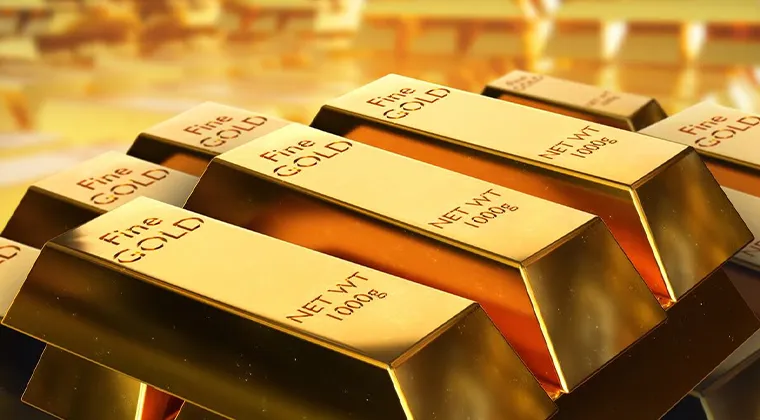

Gold has surrendered much of the additional value it gained during the recent period of war-related uncertainty, leaving its performance broadly unchanged for the year. This movement suggests that geopolitical tensions alone may not be enough to sustain a prolonged rally in the precious metal. Instead, changes in inflation-adjusted interest rates could offer a more consistent explanation for gold’s price movements over time.
Although international conflicts and political uncertainty can prompt investors to seek safe-haven assets, their influence on gold prices may be temporary. Once immediate concerns ease, the additional demand associated with those events can diminish, allowing other economic factors to regain importance. Real interest rates are particularly relevant because they affect the relative attractiveness of holding gold compared with assets that generate income.
The connection between gold and real yields, however, is not constant. Historical data show that their relationship can vary considerably across different twelve-month periods, ranging from a strong inverse correlation to little meaningful correlation at all. This means that falling real yields may support gold, but they do not guarantee higher prices. Currency movements, investor sentiment, monetary policy and changes in physical demand can also influence the market.
Nevertheless, the broader demand structure offers reasons for investors to consider gold as part of a diversified portfolio. Central-bank purchases have become an important source of underlying demand, potentially helping to cushion the market when private investors become less active. Meanwhile, Western investors could provide an additional boost through gold-backed exchange-traded funds if declining real yields encourage them to increase their holdings.
Another consideration is the changing role of government bonds in investment portfolios. Bonds have traditionally helped offset losses in equities, but periods of persistent inflation and rising interest rates can cause both asset classes to decline simultaneously. When this happens, the protective benefits of a conventional stock-and-bond portfolio may weaken.
Gold does not guarantee protection against market losses, and its price can also fluctuate sharply. However, its different demand drivers and potential to respond differently to economic conditions may make it a useful complementary asset. Taken together, continued central-bank buying, the possibility of renewed Western investment and uncertainty surrounding the effectiveness of bonds as a hedge provide a rationale for maintaining a measured, long-term allocation to gold rather than relying on it solely during geopolitical crises.