Some schools across the UAE may offer students an extended holiday during Diwali, potentially giving them four consecutive days off. The break could provide families with an opportunity to celebrate the festival, plan short trips, or enjoy extra time together.
Diwali Break Could Mean Four Days Off for Students at Some UAE Schools.
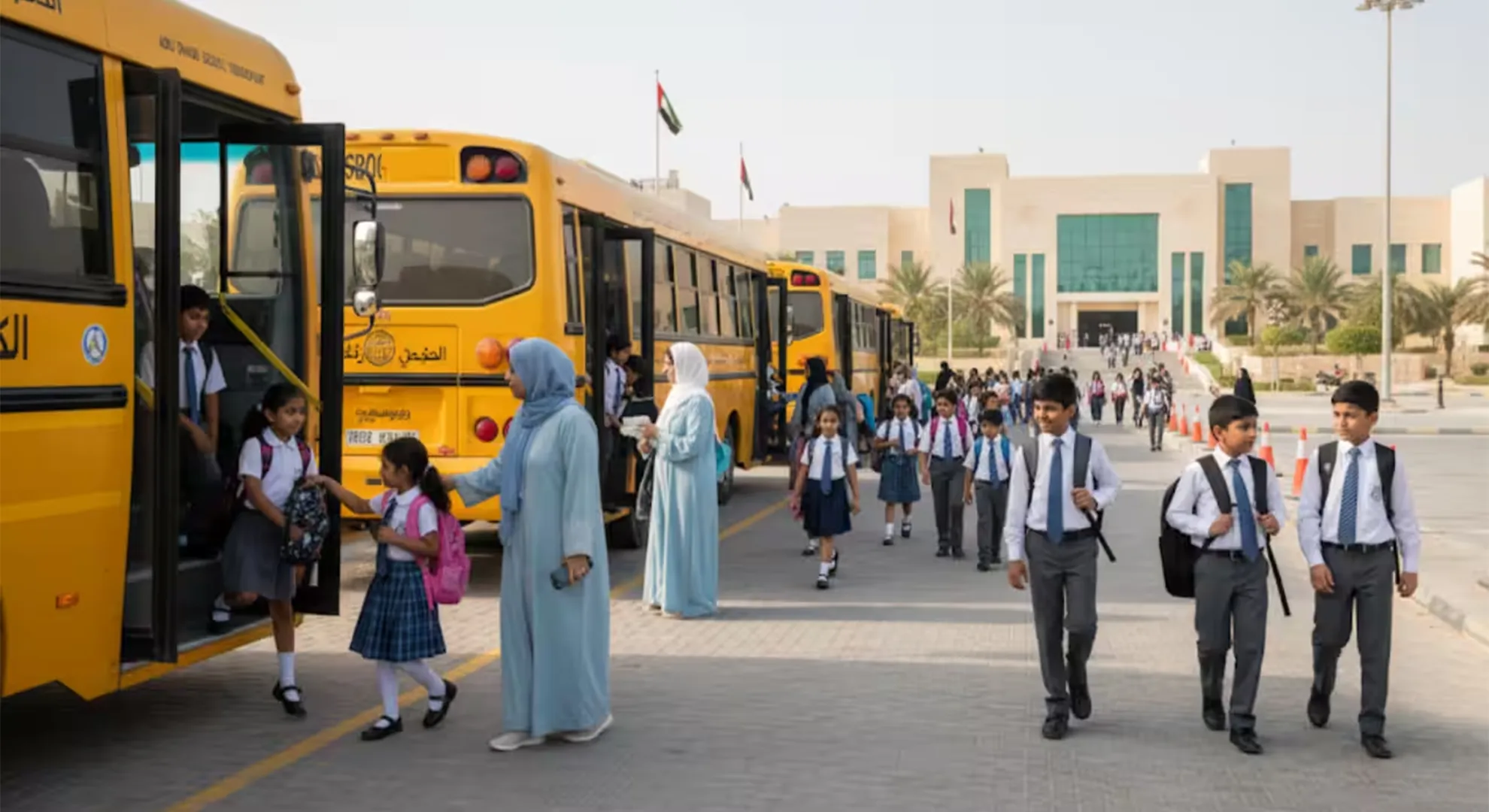
Diwali 2026: Some UAE Schools Plan Four-Day Break for Students, While Others Stick to Regular Calendars
For Indian families living in the United Arab Emirates, Diwali could bring an extended opportunity to celebrate with relatives and loved ones this year. Several Indian-curriculum schools are planning their academic calendars around the Festival of Lights, with some institutions expected to provide students with a four-day break by combining festival holidays with the regular weekend.
Diwali falls on Sunday, November 8, in 2026. The timing of the festival has prompted some schools to coordinate their holiday arrangements with existing weekends, potentially giving students additional time away from classrooms. For parents, the extended break could make it easier to organise family gatherings, prepare for traditional celebrations and allow children to participate in festive activities.
However, the arrangements will not be identical across the UAE. While some schools are accommodating Diwali through additional holidays, others must work within the teaching-day requirements and academic schedules applicable in their respective emirates.
The differences highlight how school calendars are shaped not only by cultural celebrations but also by curriculum requirements, regulatory approvals and the number of instructional days that institutions must complete during the academic year.
Some Indian curriculum schools are planning an extended Diwali holiday
At GEMS Our Own Indian School in Dubai, the holiday arrangements around Diwali are expected to give families an extended period to celebrate together. The school’s principal and chief executive, Lalitha Suresh, said the festival remains an important occasion for the school community because of its cultural significance and emphasis on family connections.
Diwali, widely known as the Festival of Lights, is celebrated by millions of people and symbolises themes including hope, joy and the triumph of light over darkness. For Indian expatriate families in the UAE, the occasion also provides an opportunity to preserve cultural traditions and introduce younger generations to the customs associated with the festival.
Suresh described Diwali as a meaningful celebration that brings people together and strengthens relationships within families and communities.
“Diwali, the Festival of Lights, is a cherished celebration that brings families and communities together in a spirit of joy, hope, and togetherness,” she said.
The school considers the festival while preparing its annual academic calendar. At the same time, its schedule must ensure that students receive the required number of instructional days.
According to Suresh, the placement of the holiday alongside the regular weekend gives families additional time to enjoy the occasion without having to rush back into their usual school routines.
“This year, with the holiday adjoining the weekend, our families can enjoy a welcome four-day break—a wonderful opportunity to pause, reconnect, and create lasting memories with loved ones.”
For parents, a longer holiday can make a practical difference to festive preparations. Families may have more flexibility to visit relatives, attend community events, shop for traditional clothing and decorations, or arrange activities for children during the celebrations.
The extended period may also help households manage the additional commitments that often accompany major festivals, particularly when family members have work schedules to consider.
Although Diwali celebrations can extend across several days, the availability of school holidays varies according to individual institutions’ calendars. Families are therefore advised to consult their schools’ official announcements before making travel arrangements or finalising festive plans.
Abu Dhabi school incorporates Diwali into its annual calendar
In Abu Dhabi, Shining Star International School is also planning a four-day break around the festival, according to the information provided by the school. Its arrangements reflect an effort to recognise important cultural occasions while complying with the emirate’s requirements for the academic year.
Principal Abhilasha Singh explained that schools must balance their holiday schedules with the prescribed number of teaching days. While festivals are an important consideration when planning the calendar, institutions must ensure that students receive the required classroom instruction.
Singh said the applicable framework allows schools to operate for a maximum of 196 teaching days, with a minimum requirement of 191 days. Within those limits, schools can make provisions for selected cultural and religious occasions, subject to the relevant rules and approvals.
“ADEK allows a maximum of 196 teaching days, with a minimum requirement of 191. We meet this requirement and are permitted to allocate two days for Diwali and one for another autumn festival. We have also used one day for a parent-teacher meeting.”
The arrangement demonstrates how school administrators must plan holidays carefully throughout the academic year. Rather than treating each festival as a separate addition to the calendar, schools need to account for all planned closures, meetings and instructional commitments when preparing their schedules.
Singh also highlighted the formal process involved in announcing such holidays. The school submits requests through the relevant activity-calendar procedure and communicates the dates to parents after receiving approval.
“We apply for these exceptions through ADEK’s activity calendar. Once approval is granted, we announce the holidays in our school calendar.”
The approval process is an important consideration for families because proposed holidays should not automatically be assumed to be confirmed. School calendars may be subject to regulatory requirements, and parents should rely on official communications when checking the dates of closures.
For schools, advance planning helps ensure that families receive clear information about holidays while administrators can organise lessons, assessments and other academic activities around the approved schedule.
For students, the additional time away from school may provide a chance to take part in family traditions and cultural activities. Parents may also find it easier to organise gatherings with relatives who live elsewhere in the UAE or travel to another destination for the festival.
What an extended Diwali break could mean for families
A four-day holiday can offer more flexibility than a single day off, particularly for households in which both parents work or relatives live in different parts of the country.
Families may use the additional time to visit grandparents, host relatives, attend religious gatherings or participate in community celebrations. Others may prefer to spend the holiday at home, preparing festive meals, decorating their homes and involving children in traditional activities.
The extra time can also reduce the pressure of completing celebrations around school timings. Parents may be able to organise activities during the day rather than limiting them to the evening, while students can participate without having to return to classes immediately afterwards.
For children growing up outside India, festivals such as Diwali can play an important role in maintaining cultural connections. Celebrations often involve learning about family customs, sharing traditional food, exchanging gifts and understanding the significance of the occasion.
Schools also contribute to this process by recognising important cultural events within their calendars and communities. However, the extent to which institutions can accommodate individual festivals depends on their academic commitments and the regulations under which they operate.
The contrast between schools planning extended breaks and those unable to offer extra holidays illustrates why there is no single Diwali holiday arrangement that applies uniformly across every Indian-curriculum school in the UAE.
Why some UAE schools may not provide additional Diwali holidays
Despite the plans announced by some institutions, students across the UAE should not expect the same number of days off during Diwali.
At Sharjah Indian School, the academic calendar is structured around the school’s working week and the instructional requirements associated with its curriculum. The school has indicated that its existing schedule leaves limited scope for adding separate holidays for Diwali.
A representative explained that the current weekly arrangement includes three days off, leaving four working days for teaching. As a result, the school must fit its academic programme and festival-related arrangements into a more restricted number of working days.
“We don’t have separate holidays for Diwali in Sharjah because schools now have three days off each week, leaving us with four working days.”
The explanation reflects the challenge of maintaining adequate classroom time while accommodating cultural occasions throughout the year. Schools must ensure that students complete their prescribed coursework, which can make it difficult to introduce additional closures when the timetable already has limited teaching days.
The representative also noted that schools previously had a larger allowance of days that could be used for festivals such as Onam and Diwali. Under the current arrangement, those occasions must be considered alongside the existing academic calendar rather than automatically resulting in additional holidays.
“Earlier, we had a buffer of four days off in a year that we could use for holidays such as Onam or Diwali. But now, with four working days in a week and CBSE’s extensive curriculum, we are no longer in a position to take additional days off. This arrangement was discussed with school principals at the outset, and we all agreed to it.”
The school’s position underscores the importance of curriculum planning, especially for institutions following the Central Board of Secondary Education system. Teachers need sufficient time to cover lessons, conduct assessments and prepare students for examinations. Additional school closures can affect the pace of instruction and require adjustments elsewhere in the academic calendar.
For administrators, the challenge is to recognise the cultural importance of festivals without compromising educational commitments. A school may acknowledge Diwali through activities or community celebrations while still following its established timetable.
For parents, this means that a holiday announced by one institution cannot necessarily be assumed to apply to another school in the same emirate. Even schools following the same broad curriculum may have different arrangements depending on their calendars, operational structures and applicable approvals.
School calendars depend on local requirements
The differences in Diwali holiday plans also demonstrate the role of local education authorities in shaping school schedules.
Institutions must prepare calendars that reflect the applicable teaching-day requirements and any procedures governing exceptions for festivals, school activities and parent-teacher meetings. These arrangements need to be considered well before the start of the academic year so that families and staff can plan accordingly.
In Abu Dhabi, Shining Star International School has described how it uses the relevant approval process to incorporate holiday exceptions into its calendar. In Dubai, GEMS Our Own Indian School has emphasised the importance of planning for Diwali while ensuring that the required instructional days are maintained.
Sharjah Indian School, meanwhile, has explained that its existing timetable and curriculum commitments leave little room for additional days off for the festival.
These examples show that cultural recognition and the provision of an extra school holiday are not necessarily the same thing. A school may recognise Diwali as an important celebration while being unable to close for additional days because of its academic schedule.
The arrangements also highlight why parents should check announcements issued by their children’s schools rather than relying on general reports about holiday plans elsewhere in the country.
Parents advised to check official holiday announcements
With Diwali approaching, families may wish to confirm the exact dates of school closures before making plans. Holiday schedules can differ between institutions, and any proposed exception should be checked against the school’s final, approved calendar.
Parents should pay particular attention to the dates immediately before and after the festival, as the number of consecutive days off will depend on how the school combines its festival holidays with the regular weekend.
Those planning trips or family gatherings may also need to consider work commitments, transport arrangements and the schedules of relatives attending celebrations. Confirming the school calendar in advance can help avoid last-minute changes.
Families should also distinguish between a school’s planned holiday arrangements and any wider public-holiday announcement. A school-specific closure does not automatically mean that all educational institutions or workplaces will follow the same schedule.
For schools offering an extended break, the additional time could provide a welcome opportunity for students to enjoy Diwali with their families. For institutions working within tighter academic schedules, the priority remains completing the required teaching days while accommodating important cultural occasions where possible.
Diwali 2026: What students and parents should know
Diwali will fall on Sunday, November 8, in 2026. Some Indian-curriculum schools in the UAE are planning their calendars to provide students with an extended break of up to four days, while others will continue to follow their existing academic schedules.
GEMS Our Own Indian School in Dubai and Shining Star International School in Abu Dhabi have described arrangements intended to give families more time to celebrate the festival. Sharjah Indian School, however, has explained why its current working-week structure and curriculum requirements do not allow for separate additional Diwali holidays.
The difference means that the length of the break will depend on the individual school rather than a uniform arrangement across the UAE.
For Indian expatriate families, the festival remains an opportunity to come together, observe traditions and share the occasion with children and relatives. Whether students receive one day off or a longer holiday, parents should check their school’s official calendar for confirmed dates before making plans.
Ultimately, the Diwali break will depend on how each institution balances cultural celebrations with the academic requirements it must meet. While some students may benefit from four consecutive days away from the classroom, others may have to celebrate within a more limited holiday period.