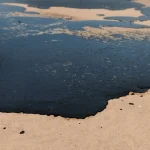
Authorities in Sharjah have announced the temporary closure of Dibba Al Hisn Beach, preventing visitors from accessing the popular coastal destination until further notice. The public will need to wait for an official update before planning their next visit.
Sharjah Suspends Public Access to Dibba Al Hisn Beach Until Further Notice.

Sharjah Closes Dibba Al Hisn Beach Temporarily for Maintenance Work
Visitors to Dibba Al Hisn Beach in Sharjah will have to postpone their trips following a temporary closure announced by the local municipality. The authorities confirmed that the popular coastal location will remain inaccessible to the public until further notice while maintenance and improvement activities are carried out.
The announcement was issued on Tuesday through a municipal notice, which stated that the closure would continue until officials provide further information. No specific reopening date was mentioned in the notice.
The decision comes at a time when authorities across the UAE are taking precautionary measures along the coastline following reports of an oil spill in nearby coastal waters. Several beach closures have been announced in different emirates as officials work to assess the situation and determine the appropriate measures to protect the marine environment.
Although the municipality cited maintenance and improvement work as the reason for closing Dibba Al Hisn Beach, the wider coastal restrictions were introduced as part of the response to the reported oil spill.
Dibba Al Hisn Beach to Remain Closed Until Further Notice
The Sharjah municipality has confirmed that public access to Dibba Al Hisn Beach has been suspended temporarily. The restriction will remain in place until further notice, allowing the relevant work to proceed.
The announcement did not provide details about the specific improvements planned at the beach or indicate when the facility might reopen.
Residents and visitors planning to spend time at the coastal destination are advised to check official municipal announcements before making arrangements. Until the authorities issue an update, members of the public should follow the closure instructions and avoid entering restricted areas.
Temporary closures of public beaches can be necessary to facilitate maintenance, improve facilities and allow authorities to carry out work safely. However, the municipality’s notice did not specify whether the maintenance activities were connected to the wider coastal pollution response.
Oil Spill Prompts Coastal Precautions Across the UAE
The announcement comes amid broader efforts to assess and manage the effects of an oil spill reported near the UAE’s coastline.
Authorities have temporarily closed beaches and coastal areas in the affected emirate while specialist teams conduct inspections and determine the measures needed to protect public safety and marine life.
According to the Ministry of Climate Change and Environment, the restrictions are intended to allow the necessary assessments to be completed and appropriate environmental protection measures to be identified.
The precautionary approach reflects concerns about the potential effects of oil pollution on coastal ecosystems. Depending on the location and extent of a spill, oil can affect marine organisms, shoreline habitats and other sensitive areas.
Closing beaches temporarily can also help prevent public exposure to potentially contaminated areas while environmental teams examine conditions and carry out necessary operations.
Officials have not indicated a confirmed timeline for lifting the wider coastal restrictions in the information provided.
Authorities Respond After Reports of an Unusual Smell
The oil spill came to attention after residents began reporting an unpleasant smell in coastal areas. Authorities subsequently confirmed that a spill had occurred and initiated response measures to address the situation.
The Ministry of Climate Change and Environment said the reported odours did not pose a health risk to residents, according to its statement.
However, the assessment of an odour-related concern is separate from determining whether a particular beach or section of coastline is safe to access. Authorities must evaluate the local conditions and establish what precautions are appropriate before reopening restricted locations.
Residents should therefore continue to follow official announcements and avoid relying solely on the absence of a noticeable smell when deciding whether to visit affected coastal areas.
The ministry’s statement about the odours should not be interpreted as confirmation that every beach or stretch of coastline is free from contamination.
Cleanup and Containment Operations Underway
Following the detection of the spill, response teams began working to limit its potential environmental consequences.
According to the Ministry of Climate Change and Environment, the response included containment, the cordoning off of affected areas, cleanup operations and remediation work. These activities were carried out in coordination with local and federal authorities.
Containment measures are generally intended to prevent spilled oil from spreading further, while cleanup operations focus on removing pollutants from affected locations. Remediation work can involve additional steps to address environmental impacts and support recovery.
The specific techniques used depend on factors such as the type of oil involved, the extent of the spill, weather conditions and the characteristics of the affected coastline.
Coordination between different government bodies is important during such incidents because environmental assessments, coastal restrictions and cleanup activities may involve several agencies.
The ministry said the response was designed to reduce the impact of the incident on the surrounding environment.
Why Coastal Areas May Be Closed During an Environmental Assessment
Beach closures can form part of a precautionary response when pollution is detected or suspected near the shoreline.
Before an affected location can safely reopen, authorities may need to inspect the area, assess environmental conditions and determine whether further cleanup is required. Depending on the circumstances, officials may also need to establish suitable measures to protect visitors, marine organisms and coastal habitats.
These checks can take time, particularly when the extent of contamination or its movement along the coast is still being evaluated.
Keeping the public away from restricted areas also allows response teams to work without interference and reduces the possibility of visitors coming into contact with contaminated materials.
In the current situation, authorities have said the coastal restrictions will remain in place while assessments and safety measures are undertaken. The information provided does not establish when the affected beaches will reopen.
What Residents and Visitors Should Know
People planning trips to Dibba Al Hisn Beach should be aware that the municipality has announced a temporary closure with no confirmed reopening date in the supplied notice.
Visitors should take the following precautions:
- Check official updates: Look for announcements from the Sharjah municipality and relevant authorities before travelling to the beach.
- Respect restricted areas: Do not enter closed beaches or sections of coastline cordoned off for maintenance or environmental response operations.
- Follow safety instructions: Observe notices and directions issued by officials working in the affected areas.
- Avoid contact with suspected pollution: If oil-like material or unusual substances are spotted along the shoreline, avoid touching them and report the observation to the relevant authorities.
- Confirm reopening information: Do not assume that a beach has reopened until an official announcement confirms that public access has resumed.
These measures can help protect visitors while maintenance activities and environmental assessments continue.
No Reopening Date Announced
The Sharjah municipality’s notice states that Dibba Al Hisn Beach will remain closed until further notice for maintenance and improvement work. It does not provide a date for the resumption of public access.
Separately, authorities have announced temporary restrictions affecting beaches and coastal areas as teams assess the oil spill and determine the measures needed to protect the marine environment.
The ministry has confirmed that containment, cleanup and remediation activities began following the detection of the spill, with local and federal agencies working together on the response.
For now, residents and tourists should monitor official announcements for information about the beach’s reopening and any changes to coastal access restrictions.
The situation highlights the importance of following public safety notices during maintenance operations and environmental incidents. Until authorities confirm that access is permitted, visitors should avoid closed locations and follow the instructions issued by the relevant agencies.