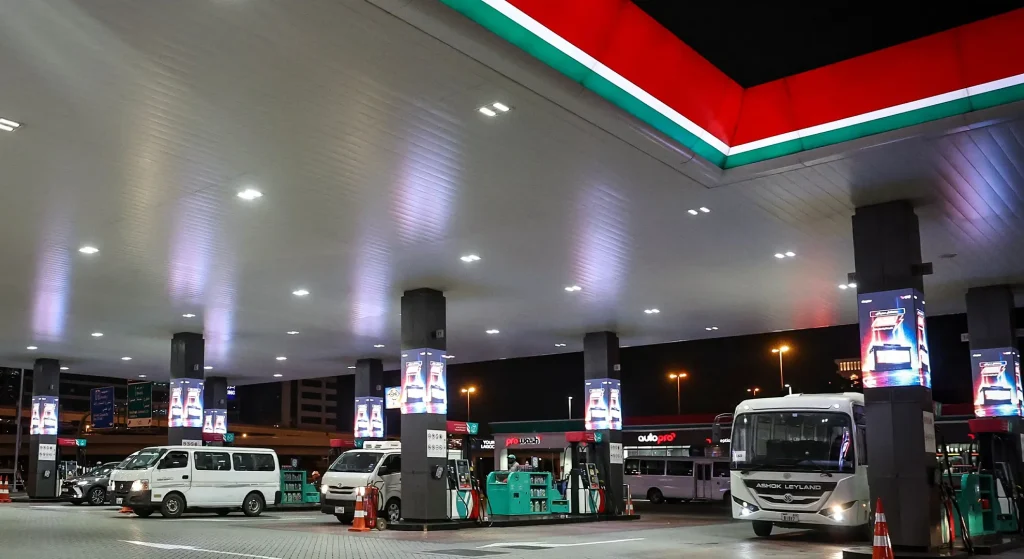
Global crude prices have climbed to $110 a barrel amid growing concerns over conflict in the Middle East, raising questions about the UAE’s November fuel rates. Motorists are awaiting the official announcement to learn whether petrol and diesel prices will increase or remain unchanged.
UAE Petrol Prices for November in Focus as Oil Surges to $110 Amid Rising Middle East Tensions.
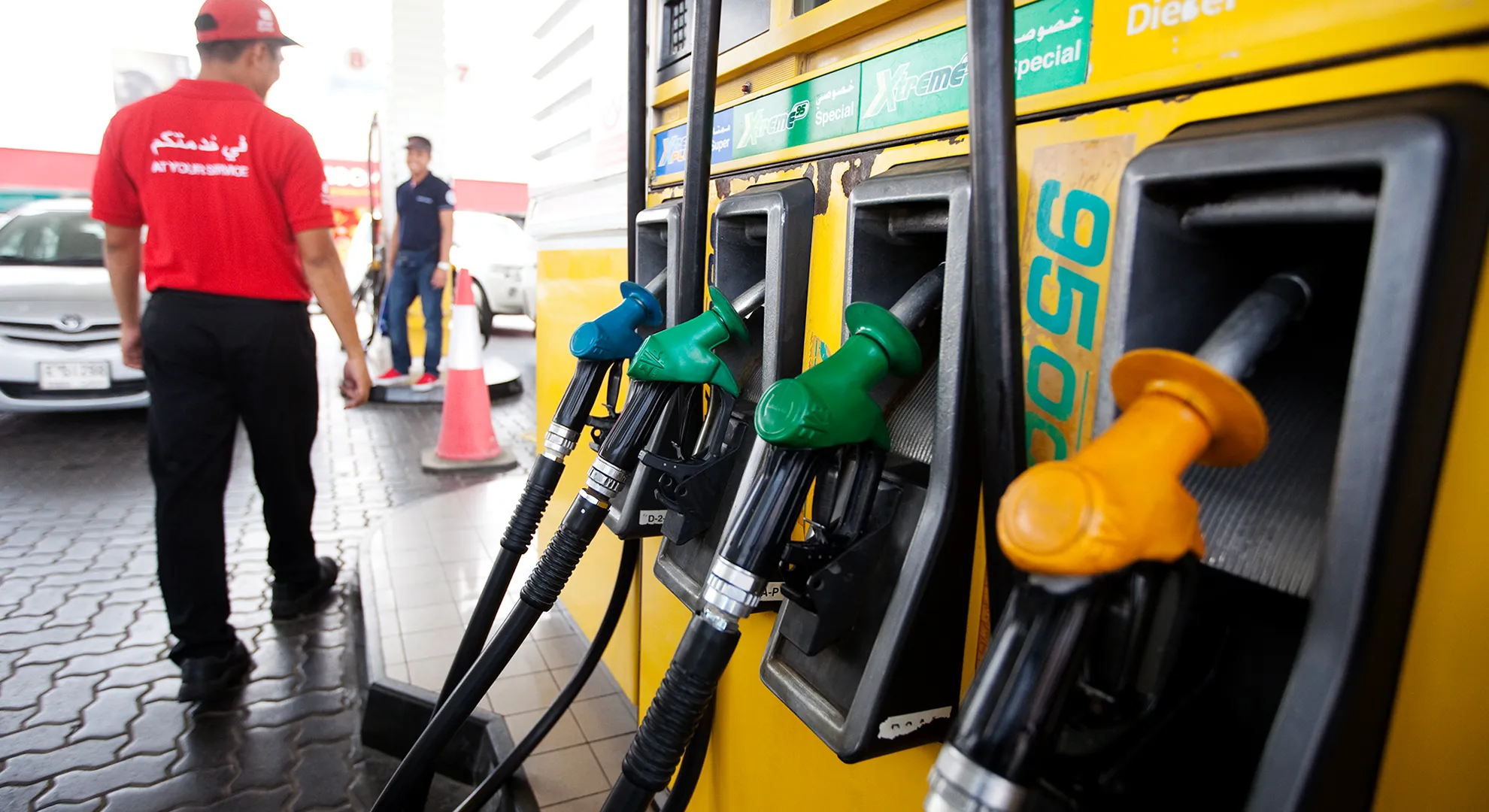
UAE November Fuel Rates in Focus as Crude Oil Rises Above $110 on Regional Supply Concerns
Global oil prices continued to climb on Wednesday as escalating tensions in the Middle East and a reduction in US crude inventories raised concerns about potential disruptions to energy supplies. The increase has drawn attention to the UAE’s upcoming announcement on retail petrol prices for November 2026.
Brent crude futures were trading at $110.40 a barrel, representing a gain of 1.37 per cent, while West Texas Intermediate (WTI) rose 1.47 per cent to $99.16. The latest gains reflect growing uncertainty over regional oil production, shipping routes and the movement of crude supplies through key maritime corridors.
With international oil prices remaining elevated during October, UAE motorists are watching closely for the next monthly fuel price announcement. The country’s fuel price committee is scheduled to disclose the rates for November on October 31.
The final prices will depend on the relevant pricing calculations and market conditions considered by the committee. Although crude oil has risen sharply, the exact retail rates for November will not be known until the official announcement.
Global Oil Rally Raises Questions Over November Petrol Prices
Crude oil has recorded stronger prices during the first three weeks of October than during the corresponding period in September, according to the figures provided.
The upward movement has been supported by concerns about the Middle East conflict and the possibility that further escalation could affect production, exports or the transportation of oil.
Brent, the international benchmark, averaged approximately $104.70 a barrel for December contracts during the first three weeks of October. That compares with an average of $101.37 over the same period in September.
The difference indicates that crude prices were trading at a higher average level this month, adding to uncertainty surrounding the UAE’s next retail fuel adjustment.
Oil markets are sensitive to developments that could limit available supplies. Even when production continues, concerns about shipping disruptions, security threats or delays to exports can influence trading activity and push prices higher.
The decline in US inventories has also contributed to the recent movement, according to the supplied market information. Inventory figures are closely monitored because they can provide an indication of changes in supply, demand and the availability of crude oil.
For consumers, sustained increases in international crude prices can eventually feed into petrol and diesel costs, although the precise effect depends on the domestic pricing mechanism and the period used to calculate retail rates.
UAE Fuel Prices Reached a Four-Year High in October
Motorists in the UAE faced a substantial increase in petrol costs in October, when the prices of all three main petrol grades rose by around Dh0.60 per litre.
The adjustment pushed retail rates to their highest levels in more than four years, according to the information provided.
The October prices were set as follows:
- Super 98: Dh4.40 per litre, compared with Dh3.80 in September.
- Special 95: Dh4.28 per litre, up from Dh3.69 in the previous month.
- E-Plus 91: Dh4.21 per litre, compared with Dh3.61 in September.
The increases amounted to approximately 16 per cent for the listed petrol grades, reflecting the rise in international oil prices during the period.
The higher rates have implications for households, commuters and businesses that rely on road transport. Drivers with longer daily commutes may notice a more significant change in their monthly fuel spending than those who travel shorter distances.
Transport companies and businesses operating fleets of vehicles may also need to account for changing fuel costs when planning their operating budgets.
However, October’s increase does not automatically determine what motorists will pay in November. The next adjustment will depend on the applicable pricing calculations and the market information considered for the new month.
November Rates Expected on October 31
The UAE reviews retail fuel prices at the end of each month, adjusting rates in line with international market movements under the country’s fuel pricing system.
For November 2026, the fuel price committee is expected to announce the new petrol rates on October 31.
The announcement will clarify how the recent rise in crude prices affects the cost of fuel at UAE petrol stations.
Oil markets can change considerably over a short period, particularly when geopolitical developments influence expectations about supply. As a result, prices recorded earlier in the month do not necessarily represent the final market conditions used in the retail fuel calculation.
The remaining period before the announcement may therefore be important in determining the direction of the next adjustment.
If international oil prices remain elevated, motorists may be concerned about another increase. If market conditions change, the final retail adjustment could differ from what current crude prices appear to suggest.
Until the committee releases its decision, any estimate of November’s petrol rates should be treated as an expectation rather than a confirmed price.
Drivers can prepare by reviewing their monthly fuel expenses and monitoring the official announcement before making assumptions about how much they will pay in the coming month.
Middle East Tensions Add to Market Uncertainty
Political and security developments in the Middle East have become a major factor influencing oil market sentiment.
Prices rose after reports that Iran had communicated to Pakistan’s army chief, Asim Munir, that it would not enter talks with the United States until its demands were met. Iranian media outlet Nournews reported the development on Tuesday.
The reported position has added to uncertainty surrounding diplomatic efforts and the possibility of further escalation in the region.
For energy markets, the main concern is whether the conflict could disrupt oil production, exports or transportation routes used to supply international customers.
The Middle East is a crucial region for global energy shipments, meaning that threats to infrastructure or maritime traffic can influence crude prices even before a confirmed interruption to supplies occurs.
Traders often respond to the risk of future disruptions by adjusting their expectations for available oil. This can contribute to price increases when concerns about supply become more pronounced.
The current rally has therefore been shaped not only by immediate supply and inventory information but also by uncertainty over how the regional situation may develop.
Further developments involving Iran, the United States and other regional actors could continue to influence market sentiment in the days leading up to the UAE’s fuel price announcement.
Attacks on Commercial Vessels Raise Shipping Concerns
Security risks affecting commercial shipping have added another source of concern for energy markets.
Ship-tracking company Kpler said on Monday that at least 18 attacks on vessels had been recorded over the preceding two weeks, according to the supplied report.
The incidents have raised concerns about the safety of maritime traffic and the potential consequences for oil shipments moving through the Gulf region.
LSEG analysts also warned that Iran was targeting tankers beyond the Strait of Hormuz, with reported threats extending into the Gulf of Oman.
Such developments could complicate the movement of crude oil and create additional risks for vessels transporting energy supplies.
The Strait of Hormuz is one of the world’s most important maritime energy routes, connecting the Gulf with international shipping lanes. Disruptions in and around the strait can have consequences for producers, shipping operators, traders and oil-importing countries.
The Gulf of Oman is also strategically significant because vessels use its waters when entering or leaving the region. Concerns affecting shipping activity there can add to uncertainty about the reliability and cost of transporting crude oil.
Even without a complete closure of a major shipping route, security incidents can lead to delays, changes in vessel movements or additional precautions for operators.
These risks can influence oil prices by increasing concerns about whether shipments will reach their destinations on schedule.
Potential Impact on Gulf Crude Exports
LSEG analysts warned that the reported targeting of tankers could threaten Gulf crude loadings and ship-to-ship transfers that support regional oil shipments.
Crude loading operations involve transferring oil onto vessels for delivery to buyers. Ship-to-ship transfers can also be used to move petroleum cargo between tankers, depending on operational and logistical requirements.
When maritime security deteriorates, these activities may face additional complications. Operators may need to reconsider vessel routes, strengthen security arrangements or adjust schedules to manage risks.
Any delays or interruptions can affect the timing of deliveries and increase uncertainty in energy markets.
For oil traders, the possibility of disrupted shipments is important because international prices depend on expectations about both the availability of crude and the ability to transport it to refineries and customers.
However, the existence of security concerns does not necessarily mean that all Gulf oil exports have stopped or that a major supply interruption has already occurred.
The actual effect depends on the scale of the incidents, the locations involved, the response from shipping operators and whether alternative arrangements are available.
Markets may nevertheless react before the full consequences become clear because traders take potential future shortages into account when setting prices.
Why US Oil Inventories Matter
Alongside geopolitical tensions, falling US crude inventories have supported the latest rise in oil prices.
Inventory data are an important indicator for energy traders because they provide information about the balance between oil entering storage and the amount being used or exported.
A decline in stocks can indicate that available supplies have tightened during a particular period. Depending on the circumstances, this may strengthen expectations of a firmer market.
However, inventory changes need to be considered alongside other factors, including refinery activity, domestic production, imports, exports and overall fuel demand.
A reduction in stored crude does not automatically mean that a global shortage exists. Its significance depends on the size of the decline and the broader market environment.
In the current situation, the reported drop in US inventories has occurred alongside concerns about Middle East supply security, adding to the factors supporting prices.
The combination has helped keep attention focused on the international oil market as the UAE approaches its monthly fuel price review.
What Higher Oil Prices Could Mean for UAE Motorists
The direction of global crude prices is an important consideration for drivers in the UAE because retail fuel rates are reviewed monthly.
When international prices rise during the relevant pricing period, consumers may face higher petrol costs in a subsequent adjustment. Conversely, a sustained decline in oil prices can ease pressure on retail rates, depending on the applicable calculation.
For motorists, the effect of a price change depends on their vehicle’s fuel consumption, the size of its tank and how frequently they refuel.
Drivers who commute long distances or use their vehicles for work may be more exposed to changes in petrol prices because fuel represents a larger part of their regular expenses.
Businesses that rely on road transport may also face changes in operating costs, particularly if higher fuel prices persist.
Nevertheless, the current oil market does not provide a definitive answer about November’s rates. The official figures will only become clear when the UAE fuel price committee publishes its decision.
Motorists should therefore distinguish between international crude prices and confirmed retail petrol rates. Brent and WTI futures provide useful indications of market direction, but they are not the same as the final prices charged at UAE petrol stations.
Market Developments to Watch Before the Announcement
Several factors could influence oil prices in the period leading up to October 31.
The first is the security situation in the Middle East, particularly any developments that could affect oil production, exports or commercial shipping.
The second is the movement of US crude inventories and other market indicators that provide information about supply and demand.
Diplomatic developments could also affect sentiment if they reduce or increase concerns about further escalation.
Shipping activity in the Strait of Hormuz and Gulf of Oman will remain relevant because any sustained disruption could affect the movement of regional energy supplies.
At the same time, traders will continue monitoring crude benchmarks for indications of whether the recent rally is strengthening or losing momentum.
These factors can change quickly, making it difficult to predict the final retail adjustment with certainty.
The average oil price over the relevant period and the UAE’s pricing process will be important in determining how international market movements translate into local fuel costs.
Official November Fuel Prices Still Awaited
The UAE’s next fuel price announcement is scheduled for October 31, when the committee is expected to publish the rates for November 2026.
With Brent trading at $110.40 a barrel and WTI at $99.16 in the figures supplied, the latest market movement has increased attention on the upcoming decision.
The rally has been linked to concerns over Middle East supply security, reports of attacks on vessels and a decline in US crude inventories.
October’s retail petrol prices had already risen sharply, with Super 98 reaching Dh4.40 per litre, Special 95 priced at Dh4.28 and E-Plus 91 costing Dh4.21.
Whether motorists will face another increase in November remains unconfirmed.
The final decision will provide clarity on the impact of international oil market developments on fuel costs across the UAE.
Until then, drivers are advised to follow the official announcement rather than rely on estimates based solely on daily crude prices.