Dubai authorities are strengthening their readiness for possible rainfall by removing blockages from drainage networks and preparing temporary water collection sites, as changing weather conditions prompt increased efforts to reduce flooding risks and manage excess rainwater across the city.
Dubai Steps Up Rain Preparations, Clearing Drainage Systems and Creating Water Storage Areas Amid Unsettled UAE Weather.
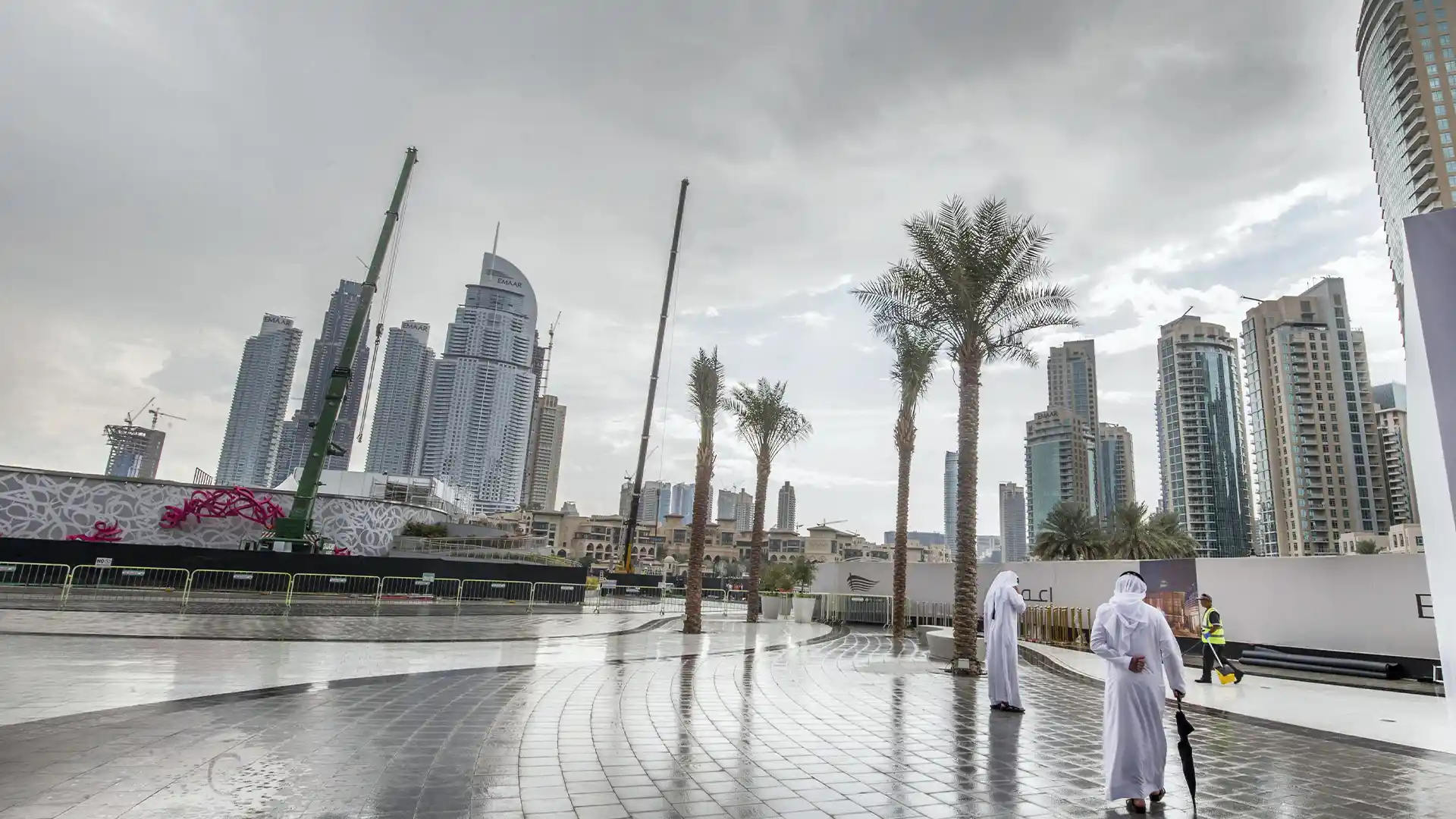
Dubai Mobilises 675 Personnel and 1,100 Vehicles as Municipality Strengthens Rain Emergency Plans
Dubai is stepping up its preparations for the possibility of heavy rainfall, with the municipality placing hundreds of emergency personnel and more than a thousand vehicles and specialised machines on standby. The measures are intended to help manage rainwater accumulation, protect public infrastructure and respond quickly to incidents during periods of unstable weather.
Dubai Municipality has activated a comprehensive readiness plan that includes round-the-clock emergency teams, maintenance of drainage systems and the preparation of temporary water-storage locations. The authority has also inspected critical infrastructure and strengthened coordination with other government departments ahead of the expected rainfall.
As part of the preparations, more than 70,000 drainage inlets have been cleaned, while 10 temporary lakes have been made ready to collect excess rainwater. These facilities are expected to help reduce pressure on the city’s main stormwater drainage network when rainfall increases.
The municipality said a total of 675 personnel would remain available to deal with emergencies. The response team includes engineers, supervisors, drivers and field workers who can be deployed according to the severity of weather conditions and the locations affected.
Around 1,100 specialised vehicles, pumps, machines and other equipment will support their operations, allowing teams to carry out drainage work, remove accumulated water and respond to urgent reports.
Drainage Networks Cleaned Ahead of Rainfall
One of the main elements of Dubai’s preparations is ensuring that stormwater drainage infrastructure can function effectively during heavy rain.
Dubai Municipality has completed cleaning work on more than 70,000 drainage inlets and has inspected sections of the drainage network to identify potential problems before the rainy period.
Drainage inlets play an important role in directing surface water away from roads and other public areas. When these openings become blocked by waste, sand or other debris, water can accumulate more quickly, potentially disrupting traffic and affecting nearby properties.
The authority has therefore carried out preventive maintenance across its drainage infrastructure, including checks on inlets, gravity pipelines and other components responsible for moving rainwater through the network.
These inspections are designed to identify blockages or operational issues before rainfall places additional pressure on the system.
The municipality has also reviewed the readiness of wastewater treatment facilities, ensuring that operational plans are available to support rainwater management when required.
Field teams will be assigned according to rainfall intensity, the locations experiencing water accumulation and the urgency of incoming reports. This approach is intended to direct available resources towards areas requiring immediate attention.
The preparations form part of a wider effort to improve the city’s ability to manage sudden changes in weather conditions while keeping roads, public spaces and essential infrastructure operational.
Ten Temporary Lakes Prepared to Collect Excess Water
Dubai Municipality has prepared 10 temporary water-collection lakes at selected locations across the emirate to help manage runoff during periods of heavy rainfall.
These sites are intended to hold excess water when the volume of rain exceeds what can be handled immediately by the drainage network. By temporarily storing runoff, the facilities can help reduce the burden on the main drainage system and support the movement of water away from vulnerable areas.
The municipality has also developed flexible operational arrangements for wastewater treatment plants, allowing water to be redirected towards the designated collection sites when necessary.
This provides an additional option for managing rainwater during periods when several locations experience accumulation at the same time.
The temporary lakes form part of a broader system involving drainage infrastructure, pumps, field crews and monitoring operations. Their effectiveness will depend on factors such as rainfall intensity, the volume of runoff and the operational requirements at each location.
Preparing these facilities before the arrival of unsettled weather allows the authority to respond more quickly if additional storage capacity is needed.
The municipality’s approach combines preventive maintenance with emergency measures, aiming to reduce the likelihood of prolonged water accumulation and improve the coordination of response teams during periods of heavy rain.
Emergency Teams to Operate Around the Clock
A dedicated group of 675 personnel will be available around the clock to handle weather-related incidents and other emergencies connected with rainwater accumulation.
The team brings together staff with different responsibilities, including engineers who can assess infrastructure, supervisors who coordinate operations, drivers who support the movement of equipment and field workers who carry out practical response activities.
Their work will be supported by approximately 1,100 specialised vehicles, pumps and machines. This equipment can be used to transport crews, remove standing water and support drainage operations where additional assistance is required.
The municipality said the deployment of personnel and machinery would be adjusted according to conditions on the ground.
For example, locations experiencing substantial water accumulation may require more equipment and field staff than areas where drainage systems continue to operate normally.
Incoming reports will also help determine the urgency of each incident and the resources needed to address it.
The availability of personnel throughout the day and night is intended to ensure that the municipality can continue responding if rainfall persists or incidents occur outside normal working hours.
The coordinated deployment of teams and equipment is an important part of maintaining emergency readiness during unpredictable weather.
Municipality Reviews Infrastructure Across Dubai
Beyond cleaning drainage inlets, Dubai Municipality has carried out wider inspections of its infrastructure to confirm that essential systems are prepared for the rainy season.
The work includes examining drainage networks, checking the condition of gravity pipelines and assessing the operational readiness of network components.
The authority is also coordinating with real estate developers and free zone authorities to review the condition of infrastructure under their respective responsibilities.
This cooperation is intended to support a more coordinated response, particularly in areas where drainage systems and property infrastructure need to function together to manage excess water.
Developers and property managers may need to check internal drainage systems, basement protection measures and other facilities that can influence how buildings cope with heavy rain.
The municipality’s wider preparedness programme aims to ensure that different parts of the city’s infrastructure are assessed before rainfall creates additional pressure.
By combining municipal inspections with coordination across other authorities and property stakeholders, the city is seeking to strengthen its overall ability to respond to weather-related incidents.
Officials Emphasise Public Safety and Preparedness
Adel Mohammed Al Marzouqi, chief executive of the Waste and Sewerage Agency at Dubai Municipality and head of its Rainwater Drainage Team, said protecting residents and visitors remained the authority’s primary concern.
He explained that the municipality had developed a coordinated response framework bringing together specialised personnel, modern equipment and operational plans that could be adjusted as weather conditions changed.
According to Al Marzouqi, the arrangements are intended to ensure that drainage infrastructure and emergency resources are ready to deal with water accumulation and respond to reports from affected locations.
He said the municipality’s approach focuses on preparing in advance while ensuring that response teams can act according to the seriousness of each incident and the needs of the area concerned.
The authority’s preparations therefore cover both the physical infrastructure needed to manage rainwater and the systems used to coordinate emergency operations.
Monitoring weather developments, receiving reports from the public and deploying teams according to local conditions are all part of the overall response process.
The municipality said its readiness measures were designed to support effective operations as conditions evolve, rather than relying only on action after water begins accumulating.
Lessons From Earlier Rainfall Events Shape Current Plans
Dubai Municipality has also examined areas that experienced water accumulation during previous periods of unstable weather.
The findings have been used to review existing procedures, improve response arrangements and identify locations where drainage infrastructure or emergency deployment may need additional attention.
Previous incidents can provide important information about how water moves through different parts of a city, which areas experience recurring problems and where emergency crews may need to arrive more quickly.
By studying these locations, authorities can refine their plans and determine how to distribute pumps, vehicles and personnel more effectively.
The municipality said the review process had contributed to efforts to strengthen drainage systems and improve the deployment of field resources.
This work forms part of a preventive approach that aims to address known vulnerabilities before another spell of heavy rainfall occurs.
Preparing for rain involves more than ensuring that equipment is available. It also requires understanding where problems are most likely to develop and establishing clear procedures for dealing with them.
The municipality’s review of earlier events is intended to make its response more targeted and help teams manage incidents according to their urgency.
Command Centre to Monitor Conditions 24 Hours a Day
Dubai Municipality’s Command and Control Centre will monitor weather developments and emergency reports continuously throughout the day and night.
The centre will help coordinate the deployment of personnel and equipment while maintaining communication with other agencies involved in emergency management.
These arrangements are designed to ensure that reports can be assessed promptly and directed to the teams best placed to respond.
The monitoring system is particularly important when rainfall affects multiple locations, as the scale and urgency of incidents can vary considerably across the city.
Some reports may require immediate action, while others may be handled through routine inspections or preventive maintenance.
The centre’s role includes supporting coordination and helping authorities maintain an overview of changing conditions.
Dubai Municipality will work with Dubai Police, the Roads and Transport Authority, Dubai Civil Defense and the Dubai Resilience Centre as part of the wider emergency response arrangements.
The coordination will take place under the supervision of Dubai’s Supreme Committee of Crisis and Disaster Management.
Working across agencies allows the authorities to align their activities where rainfall affects roads, public safety, transport operations or other essential services.
This approach is intended to support faster communication, clearer operational responsibilities and a more organised response to incidents.
Weather Simulations and Field Exercises Test Response Plans
In addition to infrastructure inspections, Dubai Municipality has conducted weather simulations and practical training exercises to assess how its teams respond to heavy rain and flooding scenarios.
Such exercises allow staff to test operational procedures, equipment readiness and coordination between the teams responsible for managing incidents.
They can also help identify delays or weaknesses that may not become apparent during routine operations.
By practising different scenarios, personnel can become more familiar with the steps required to assess an incident, deploy equipment and coordinate with other emergency services.
Training is particularly important when several departments need to work together or when multiple locations require assistance at the same time.
The municipality’s exercises are part of its wider effort to prepare staff for different rainfall conditions and ensure that established procedures can be implemented when necessary.
Combined with preventive maintenance, drainage inspections and the availability of specialised equipment, these exercises are intended to strengthen operational readiness before severe weather develops.
The authority’s strategy includes both planning for potential problems and testing whether teams can put those plans into practice.
Mosquito Monitoring Increased Around Standing Water
Dubai Municipality’s preparations also include measures to monitor mosquito activity in locations where standing water could create suitable breeding conditions.
Water that remains in containers, blocked drains or other areas after rainfall can provide mosquitoes with places to breed. Monitoring these locations can therefore form an important part of public health and environmental management following wet weather.
The municipality has increased surveillance activities and deployed equipment such as mosquito traps, spraying devices, thermal fogging machines and sample-testing units.
These tools support efforts to monitor mosquito populations and identify areas that may require further attention.
The need for such measures can increase after rainfall if water remains trapped in places where it cannot drain away effectively.
The authority’s approach combines monitoring with targeted control measures, allowing teams to assess conditions and respond where necessary.
Residents and property managers can also help by checking their surroundings for containers or other objects that collect rainwater and ensuring that drainage openings remain clear.
Removing unnecessary standing water can reduce potential mosquito breeding sites around homes and buildings.
The municipality’s mosquito surveillance programme is being carried out alongside its rainwater preparedness measures, addressing another issue that can arise when wet weather leaves water standing in residential or public areas.
Residents Urged to Check Drains and Basement Protection
While municipal teams prepare public drainage networks and emergency equipment, residents and property owners are also being encouraged to take preventive steps at home and in their buildings.
One of the main recommendations is to ensure that rainwater drains remain free from blockages, particularly in properties with basements.
Leaves, rubbish and other debris can interfere with drainage and contribute to water accumulation around buildings.
Property owners should also inspect non-return valves and confirm that they are functioning properly. These devices help prevent water from flowing backwards through drainage systems into properties.
A malfunctioning valve may increase the risk of water entering a building through connected drainage points during periods of heavy rain or pressure on the network.
Basement areas deserve particular attention because they may be more vulnerable to water entering from surrounding surfaces or through drainage connections.
Residents should arrange for any necessary maintenance before severe weather arrives rather than waiting until a problem develops.
They should also avoid placing waste or other materials over drainage openings and report significant drainage problems through the appropriate municipal channels.
Where water accumulation creates an immediate danger, people should keep away from flooded areas and follow instructions from the relevant authorities.
These precautions complement the municipality’s broader preparations by reducing avoidable problems at individual properties.
Coordinated Effort Aims to Limit Rainwater Disruption
Dubai’s preparations combine drainage maintenance, temporary water storage, emergency staffing, equipment deployment and coordination with other government bodies.
The 675-member response team and approximately 1,100 vehicles and specialised machines are intended to provide the resources needed to address incidents as they arise.
Cleaning more than 70,000 drainage inlets and preparing 10 temporary collection lakes are central parts of the preventive plan, while infrastructure inspections and operational exercises are intended to strengthen the system before rainfall begins.
The municipality is also using lessons from previous wet-weather events to refine deployment plans and identify areas requiring attention.
Meanwhile, continuous monitoring through the Command and Control Centre will support coordination with emergency services and other relevant authorities.
Public cooperation remains important, particularly when it comes to maintaining property drainage, checking basement protection and preventing water from collecting unnecessarily around homes and buildings.
Although the scale and impact of rainfall can vary, advance preparation can help authorities and residents respond more effectively when conditions change.
Dubai Municipality’s message is that readiness depends on a combination of functioning infrastructure, available emergency resources, clear coordination and preventive action by the public.
With teams on standby and temporary water-storage facilities prepared, the authority is seeking to strengthen the city’s ability to manage rainwater accumulation and respond to weather-related emergencies.
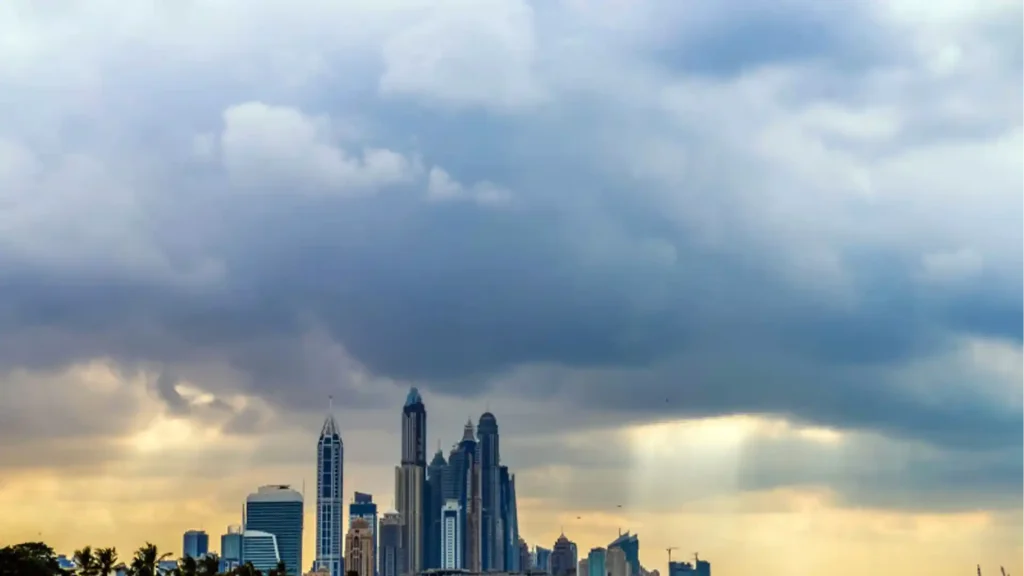
Dubai residents who encounter waterlogging, blocked drainage systems or other rain-related problems can contact Dubai Municipality to request assistance. The authority has made its Contact Centre available on 800900, while residents can also use the municipality’s official WhatsApp service to submit complaints and report urgent concerns. Providing clear information about the affected location and the nature of the problem can help the relevant teams assess the situation and determine the appropriate response. Residents are encouraged to report drainage issues promptly, particularly when accumulated rainwater affects roads, residential buildings or public areas. These reporting channels support communication between the public and municipal teams as Dubai strengthens its preparations for unsettled weather and potential rainfall-related emergencies.