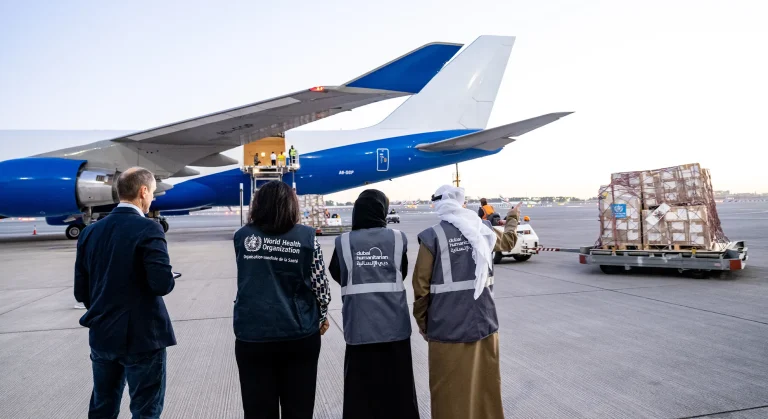
A senior UAE official disclosed that the country faced possible sleeper-cell activity during Iranian missile and drone attacks, raising concerns about internal security as authorities worked to counter potential threats and protect the nation amid heightened regional instability.
UAE Official Reveals Security Threats From Sleeper Cells Amid Iranian Missile and Drone Strikes.
UAE Kept Public Life Running During Iranian Attacks While Managing Security Risks, Says Senior Official
The United Arab Emirates sought to protect its population from Iranian missile and drone attacks while ensuring that residents could continue with their daily routines, including visiting shopping centres, dining at restaurants and spending time at public attractions, a senior Emirati official said.
Dr Ali Rashid Al Nuaimi, Chairman of the Defence, Interior and Foreign Affairs Committee of the Federal National Council (FNC), described the country’s approach to managing security risks during the regional conflict, which began on February 28. Speaking at the UAE Correspondents’ Majlis in Dubai on Thursday, he explained that authorities faced the challenge of responding to potential threats without allowing emergency conditions to bring everyday life to a standstill.
According to Al Nuaimi, protecting the country involved more than defending its airspace against incoming missiles and drones. Authorities also had to remain alert to possible internal security threats, including what he described as sleeper cells allegedly assisting Iranian forces by providing information that could help direct attacks.
He highlighted the difficulty of identifying and assessing potential threats, particularly around sensitive locations, while ensuring that security precautions did not unnecessarily disrupt the wider population.
The UAE’s approach, he said, sought to combine vigilance with continuity, allowing residents to maintain their routines whenever conditions permitted while responding to official warnings and emergency instructions.
Maintaining Normal Activities While Responding to Security Threats
During the attacks, the UAE continued to keep much of its commercial and social life operating. Shopping centres, restaurants and tourist attractions remained accessible, while essential services continued functioning despite the heightened security situation.
Al Nuaimi said the objective was to protect residents without creating unnecessary disruption to everyday activities. This required authorities to address immediate security concerns while enabling people to continue working, shopping, exercising and meeting friends when it was safe to do so.
The situation presented a complex challenge. Missile and drone threats required rapid responses, while potential risks to sensitive sites called for additional vigilance. At the same time, authorities needed to communicate clearly with residents so that people understood when to seek shelter and when normal activities could resume.
The country’s response therefore involved both security operations and public communication. Emergency notifications helped inform residents about potential dangers, while subsequent alerts indicated when immediate threats had passed.
For people living in the UAE, this meant adjusting their routines in response to official warnings rather than assuming that ordinary activities could continue regardless of circumstances.
Al Nuaimi’s remarks highlighted the importance of maintaining public confidence during a period of uncertainty. Keeping essential services and commercial facilities operating, when conditions allowed, helped limit the impact of the conflict on daily life.
However, the continued operation of public venues did not mean the security situation was without risk. Residents were still required to follow official instructions, and transport services, particularly aviation, experienced disruptions as authorities responded to the evolving situation.
Sleeper Cells Added Another Dimension to Security Concerns
Al Nuaimi said the authorities’ responsibilities extended beyond countering missiles and drones in the air.
He referred to sleeper cells that he alleged were assisting Iranian forces in guiding attacks, presenting their potential activity as an additional security challenge during the conflict.
Identifying individuals suspected of supporting hostile operations can require different measures from those used to intercept incoming aerial threats. Authorities must assess information, identify potential risks and protect sensitive locations while avoiding unnecessary disruption to the public.
Al Nuaimi described this balancing act as part of the wider challenge facing the UAE during the attacks.
His comments came against a regional backdrop in which several Gulf and Arab governments have announced investigations, arrests or alleged plots involving individuals suspected of links to Iran or organisations associated with Hezbollah.
Such allegations have included claims of intelligence gathering, surveillance of sensitive facilities and the sharing of information about strategically important locations. The details and legal status of individual cases vary, and allegations against suspects should not be treated as established findings unless confirmed through the relevant legal process.
Authorities in Bahrain have previously accused suspects of transmitting information about sensitive sites to Iranian operatives. Qatar has also announced the discovery of alleged networks accused of collecting intelligence about military installations and other critical facilities.
The UAE, meanwhile, has announced arrests involving individuals allegedly connected to Iran-linked networks and activities that authorities said posed risks to national security.
These cases have contributed to wider regional concerns about espionage, sabotage and potential threats to critical infrastructure during periods of confrontation.
Al Nuaimi’s remarks placed the issue within the context of the UAE’s efforts to protect its population and territory while maintaining normal public activity wherever possible.
Emergency Phone Alerts Guided Residents During Attacks
When Iranian attacks began on February 28, residents across the UAE received emergency notifications on their mobile phones warning of potential missile and drone threats.
The alerts provided instructions on the precautions people should take when danger was reported. Residents were advised to move to safe locations, remain indoors when instructed and keep away from windows and exposed outdoor areas.
Follow-up notifications were issued when the immediate danger had passed, allowing people to understand when it was appropriate to resume their usual activities.
The National Emergency Crisis and Disaster Management Authority (NCEMA) has explained that the UAE’s early warning arrangements are designed to provide alerts based on geographical location. This approach allows warnings to be directed towards areas where precautions may be necessary.
Location-based notifications can help residents respond to a developing threat without treating every alert as applying identically to every part of the country.
For people receiving the messages, the instructions provided an immediate source of information during periods of uncertainty. Residents could take protective action when warned and then look for official updates before returning to normal activities.
The communication system formed an important part of the country’s broader emergency response, complementing other measures intended to protect the public.
Al Nuaimi’s account emphasised that the challenge was not simply to keep businesses open, but to make it possible for residents to continue their routines while remaining prepared to respond when an alert was issued.
Following official safety instructions remained essential, even in areas where shops, restaurants and other public venues continued operating.
Essential Services Continued Despite Regional Tensions
Despite the security concerns, essential services across the UAE remained operational, according to the supplied account of events.
Electricity, water supplies, telecommunications and healthcare services continued functioning, helping residents maintain access to the facilities and resources needed for daily life.
The continuity of these services was particularly important during a period when missile and drone attacks had raised concerns about potential risks to civilian infrastructure.
Reliable communications enabled residents to receive emergency notifications and obtain updates. Healthcare facilities remained important for public safety, while electricity and water services supported homes, businesses and essential institutions.
Commercial activity also continued in many areas. Residents visited shopping centres, attended Ramadan prayers, exercised and met friends, adjusting their plans when emergency warnings required them to take precautions.
The ability to continue these activities contributed to a sense of routine during an unsettled period. Nevertheless, residents remained dependent on official instructions and the assessment of changing security conditions.
Aviation was among the sectors directly affected by the regional situation. Flights experienced temporary suspensions and restrictions as authorities responded to airspace risks and adjusted operations.
Emergency air corridors and contingency arrangements were activated to support the gradual resumption of air travel, according to the supplied report.
The contrast between the continued operation of many everyday services and the disruption to aviation illustrated the different ways the conflict affected the country. While some activities could continue with precautions, air transport required additional coordination and safety measures.
The UAE’s response sought to keep essential systems functioning while adapting to the risks created by the conflict.
Video Call From Abu Dhabi Mall Offered a Personal Illustration
Al Nuaimi also recalled a video conversation with an Israeli acquaintance during the conflict, describing it as an example of how daily life in the UAE differed from the experience of people sheltering elsewhere.
He said the conversation took place while he was at Galleria Mall in Abu Dhabi. His acquaintance, who was inside a shelter at the time, was surprised to learn that Al Nuaimi was in a shopping centre while missile and drone attacks were taking place in the region.
According to Al Nuaimi, the Israeli acquaintance remarked that the UAE was receiving more missiles and drones than Israel.
Al Nuaimi said he responded by walking into a restaurant and showing his acquaintance that customers were still dining there.
The incident, as he described it, illustrated the effort to preserve everyday activities in the UAE despite the security threats facing the country.
The account also highlighted how personal experiences can shape perceptions of a conflict. For someone sheltering during an attack, seeing another person in a busy public venue may create a striking contrast, even when both are aware of the same wider regional tensions.
Al Nuaimi used the encounter to explain how the UAE sought to maintain a degree of normality while responding to the risks posed by incoming attacks.
His account did not suggest that residents were expected to disregard warnings. Rather, the wider approach described by the official involved continuing normal activities when circumstances permitted and following emergency instructions when the situation required protective action.
The anecdote provided a personal perspective on the government’s stated aim of preserving daily life while managing a serious security challenge.
UAE’s Relations With Israel Extend Beyond Security Issues
During the same discussion, Al Nuaimi spoke about the UAE’s relationship with Israel and the role of personal contact in changing attitudes between communities.
He said one million Israelis had visited the UAE in 2025, highlighting the scale of people-to-people engagement between the two countries.
Al Nuaimi argued that direct interaction could challenge preconceived ideas and give visitors an opportunity to develop a more informed understanding of Arab societies.
He said some Israeli visitors arrived with established assumptions about Arabs but encountered a different picture through their experiences in the Emirates.
Interactions with Emiratis and residents from other Arab countries, including Palestinians, could expose visitors to a wider range of perspectives and everyday experiences, he said.
The comments placed tourism and social contact within a broader discussion about coexistence and the possibility of improving relations between communities affected by longstanding political disputes.
The UAE and Israel established diplomatic relations under the Abraham Accords in 2020. The agreement opened the way for formal diplomatic engagement and contributed to the development of direct flights, tourism and commercial links between the two countries.
Since then, travel and business contacts have created opportunities for people from both countries to meet outside formal political settings.
Al Nuaimi’s remarks suggested that these interactions could play a role in challenging stereotypes, even when wider regional conflicts continue to create tension.
His comments also highlighted a distinction between political disagreements and the relationships that can develop between ordinary people.
Dialogue Between Israelis and Palestinians Remains Important
Al Nuaimi also discussed efforts to encourage dialogue between Israelis and Palestinians.
He said he had met two delegations the previous day, one Israeli and one Palestinian, as part of his efforts to promote communication between the two sides.
According to Al Nuaimi, both groups recognised the importance of finding a future in which Israelis and Palestinians could live alongside one another rather than remain trapped in an ongoing cycle of conflict.
His remarks emphasised the need to look beyond immediate political disagreements and consider the long-term consequences of continued violence for both communities.
The prospect of peaceful coexistence remains a central issue in discussions about the Israeli-Palestinian conflict, which has affected generations of families and shaped political relations across the Middle East.
Dialogue does not remove the substantial disagreements between the parties, nor does it guarantee a political settlement. However, engagement can provide an opportunity to discuss concerns, challenge assumptions and explore areas where common interests may exist.
Al Nuaimi argued that differences should not prevent people from identifying shared objectives or considering ways to improve the prospects of future generations.
He stressed the importance of avoiding a future in which younger people continue to experience the consequences of repeated conflict.
The comments reflected his wider emphasis on contact between communities as a means of encouraging understanding, even when political and security conditions remain difficult.
UAE Seeks Security Without Allowing Conflict to Define Daily Life
Al Nuaimi’s account brought together two themes: the UAE’s response to immediate security threats and its efforts to maintain public life and encourage engagement between different communities.
On the domestic front, the country faced the challenge of responding to missile and drone attacks while protecting critical infrastructure, assessing potential internal threats and informing residents about appropriate precautions.
Emergency alerts, security measures and contingency arrangements helped authorities respond to changing conditions, while the continued operation of many shops, restaurants and essential services allowed everyday routines to continue when circumstances permitted.
At the same time, Al Nuaimi highlighted the importance of personal connections and dialogue in shaping relationships between communities across the region.
His account of a video call from a busy Abu Dhabi shopping centre illustrated the UAE’s stated effort to preserve normal activities during the conflict. His comments about Israeli visitors and meetings involving Israeli and Palestinian delegations broadened the discussion to include the role of direct engagement in challenging assumptions.
The two issues are distinct, but both formed part of the official’s wider message about the importance of resilience, public confidence and communication during a period of regional instability.
For residents, the immediate priority remained following safety instructions and relying on official updates when threats emerged. For the wider region, the challenge of reducing tensions and preventing further conflict remained unresolved.
Al Nuaimi’s remarks underscored the UAE’s stated aim of protecting its people while keeping society functioning and continuing to support dialogue as a means of improving understanding between communities.
As the region confronts continuing political and security challenges, the balance between public safety, economic continuity and engagement between people remains an important part of the broader debate over stability and the prospects for a more peaceful future.