Dubai is advancing an extensive development programme valued at nearly Dh2.1 trillion, with the Ruler highlighting major projects designed to transform the emirate into a fully integrated urban destination combining residential communities, business centres, infrastructure, and essential services.
Dubai’s Ruler Highlights Dh2.1 Trillion Worth of Ongoing Developments in Vision for a Self-Contained Urban Hub
Dubai Pushes Ahead with Dh2.1 Trillion Development Pipeline to Support Future Growth
Dubai is preparing for another major phase of expansion, with projects worth nearly Dh2.1 trillion currently underway across housing, aviation, transportation, infrastructure and other economic sectors, Sheikh Mohammed bin Rashid Al Maktoum has announced.
The UAE Vice President and Prime Minister and Ruler of Dubai said the emirate was investing heavily in the infrastructure needed to accommodate a growing population, expanding businesses and increasing economic activity. He also indicated that further projects would be announced in the coming period.
The announcement was made during the Mohammed bin Rashid Leadership Forum, an annual gathering focused on leadership, management and institutional development. The event opened at Dubai World Trade Centre, bringing together approximately 1,000 senior representatives from government and the private sector, alongside academics, experts and decision-makers.
The extensive project portfolio reflects Dubai’s efforts to strengthen its position as an international destination for business, investment and residential living. Planned and ongoing developments cover a wide range of areas, including real estate, transport networks, aviation facilities, utilities, financial services and environmental improvements.
Sheikh Mohammed said the emirate was preparing for the next stage of economic expansion by developing infrastructure that can support future demand while maintaining high standards of living, working and investment.
He described Dubai as a city developing on an increasingly ambitious scale, with its growth strategy supported by sustained investment and a continuous pipeline of new projects.
Major investments to prepare Dubai for the future
Sheikh Mohammed said Dubai had nearly Dh2.1 trillion worth of active projects underway, with additional initiatives expected to be announced as the emirate advances its development plans.
He emphasised that infrastructure investment must anticipate future needs rather than simply respond to existing demand. This includes preparing for population growth, supporting businesses and ensuring that economic sectors have the facilities required to expand.
The projects span housing, transport, aviation, commercial districts and essential public services. They also include developments involving electricity, water supplies, sewerage systems, road networks and landscaping.
The broad scope of investment reflects the interconnected nature of urban development. New residential communities require transport connections and utilities, while expanding commercial activity places additional demands on roads, public transport and other infrastructure.
By coordinating these developments, Dubai aims to strengthen its capacity to accommodate future growth while supporting residents, businesses and investors.
Sheikh Mohammed also stressed the importance of leadership that can respond quickly to changing circumstances, make effective decisions and translate plans into practical results.
He said cities seeking continued progress must prepare for change ahead of time, with leaders capable of turning ideas into projects that deliver tangible benefits to people’s everyday lives.
Real estate accounts for the largest share of planned investment
Real estate is a major component of Dubai’s development pipeline, with approximately Dh1.1 trillion allocated to property projects through 2030.
The planned investment reflects the emirate’s intention to expand its residential and commercial landscape while supporting demand associated with population growth and economic activity.
Dubai’s housing plans include the delivery of approximately 350,000 residential units. These homes are expected to form part of a wider development programme that also encompasses transportation links, public services and supporting infrastructure.
The expansion of residential supply is closely connected to the emirate’s broader urban strategy. As more people move to Dubai for employment, business opportunities and other reasons, the availability of housing and access to essential services remain important considerations.
Developing homes alongside roads, utilities and public transport can help support the functioning of new communities and connect them with established commercial and residential areas.
The planned projects also form part of Dubai’s efforts to maintain an environment that attracts residents and international investors.
Al Maktoum International Airport receives Dh128 billion allocation
Aviation remains another central pillar of Dubai’s long-term development strategy.
An allocation of Dh128 billion has been earmarked for Al Maktoum International Airport, which is designed to accommodate up to 260 million passengers annually over the coming decade.
The project is intended to support Dubai’s ambitions as a major global aviation hub, with substantial passenger capacity planned to meet future travel demand.
Airport infrastructure also plays a wider economic role by supporting tourism, international business travel, cargo operations and connections between global markets.
Alongside airport development, approximately Dh328 billion has been allocated to the expansion of the Emirates and flydubai aircraft fleets.
A further Dh18.7 billion is dedicated to a new engineering and maintenance complex for Emirates.
These investments cover different parts of the aviation sector, from airport capacity and airline operations to the facilities needed to maintain aircraft.
Together, they reflect an effort to strengthen the infrastructure supporting Dubai’s international air connections and prepare for continued growth in passenger and airline activity.
Metro expansion and road upgrades form part of transport strategy
Dubai’s transport network is also set for significant investment, with Dh100 billion allocated to road improvements and the development of the Metro Blue and Gold lines.
The planned spending is intended to expand transport capacity and improve connections as the emirate’s population and economic activity increase.
Road infrastructure remains essential to the movement of people and goods, while Metro expansion can provide additional public transport options for residents, workers and visitors.
The combination of road improvements and new rail connections reflects the need to accommodate different travel patterns across Dubai’s growing urban area.
Transport investment also supports other development priorities. Residential communities need convenient links to employment centres, while commercial districts depend on reliable connections for workers, customers and deliveries.
As Dubai continues to expand, the coordination of transport projects with housing and commercial development will be important in managing increasing demand on the network.
Dh100-billion expansion planned for DIFC
Dubai’s financial services sector is another focus of the development programme.
More than Dh100 billion is planned for the second phase of the Dubai International Financial Centre (DIFC), which serves as a major business and financial hub.
The proposed expansion is part of Dubai’s wider ambition to strengthen its position as a destination for international financial institutions, professional services firms and technology businesses.
Financial districts require more than office buildings. They also depend on supporting infrastructure, transport accessibility and facilities that allow businesses to recruit employees, work with clients and establish connections with other organisations.
The planned investment is expected to contribute to the continued development of Dubai’s commercial landscape and provide additional capacity for businesses operating in the financial sector.
The project forms part of a broader approach to economic development in which real estate, transport, technology and professional services are expected to reinforce one another.
Dubai Exhibition Centre set for Dh10-billion expansion
The Dubai Exhibition Centre is scheduled to receive Dh10 billion in investment as part of the emirate’s plans to expand its facilities for exhibitions, conferences and major events.
Large-scale exhibition venues support a range of commercial activities, including international trade events, industry conferences and business networking.
Additional capacity can help Dubai accommodate larger gatherings and strengthen its appeal as a destination for organisations seeking to connect with international markets.
The investment also complements the emirate’s broader tourism and business objectives, as exhibitions and conferences attract visitors who contribute to demand for hotels, restaurants, transport and other services.
By developing event infrastructure alongside aviation and urban transport, Dubai aims to support the wider ecosystem required for international business and tourism.
Sewerage and drainage systems receive major funding
Essential municipal infrastructure accounts for a substantial part of Dubai’s investment plans.
The Dubai Strategic Sewerage Tunnels system has been allocated Dh80 billion, while Dh30 billion is designated for the Tasreef rainwater drainage project.
These developments are intended to support the infrastructure required to serve an expanding urban environment.
Sewerage networks are essential for managing wastewater from residential, commercial and industrial areas. Drainage systems, meanwhile, help manage rainwater and support the resilience of roads, neighbourhoods and other built-up areas during periods of heavy rainfall.
As Dubai develops new communities and commercial districts, the capacity of these networks becomes increasingly important.
Investments in underground infrastructure may receive less public attention than airports, roads or major buildings, but they play a fundamental role in ensuring that cities can function effectively as they grow.
The planned spending reflects the importance of expanding essential services alongside visible development projects.
Dh151 billion earmarked for power and water infrastructure
Dubai is also planning a significant expansion of its electricity and water networks, with Dh151 billion allocated to new grid infrastructure.
Reliable power and water supplies are essential to the functioning of homes, offices, industrial facilities and public services.
Population growth and economic expansion can increase demand across these systems, making additional capacity and network improvements important parts of long-term planning.
Investment in electricity infrastructure can support rising consumption and the needs of new developments, while water network improvements are important for maintaining reliable supplies across residential and commercial areas.
These projects form part of the emirate’s wider approach to ensuring that the systems supporting daily life keep pace with urban development.
Coordinating utility infrastructure with housing, transport and commercial projects can also help prepare new areas for occupation and business activity.
Blue and Green Spaces Roadmap receives Dh4 billion
Environmental improvements are included in the development pipeline through a Dh4-billion allocation for Dubai’s Blue and Green Spaces Roadmap.
The initiative forms part of the emirate’s efforts to develop and improve outdoor spaces as the city continues to grow.
Green areas and landscaped public spaces can contribute to the quality of the urban environment by providing places for recreation and helping create more attractive neighbourhoods.
The wider development programme includes landscaping alongside major infrastructure projects, indicating that urban expansion is being considered in relation to public spaces as well as buildings and transport networks.
For a growing city, the planning of parks, landscaped areas and other outdoor spaces can help shape how residents experience their surroundings.
The investment in the roadmap adds an environmental and public-space dimension to Dubai’s broader infrastructure strategy.
Leadership forum brings government and business together
The announcement of Dubai’s active project pipeline was made at the Mohammed bin Rashid Leadership Forum, which focuses on leadership development, management practices and institutional performance.
The annual gathering brings together government officials, business leaders, academics and specialists to exchange ideas and discuss approaches to organisational development.
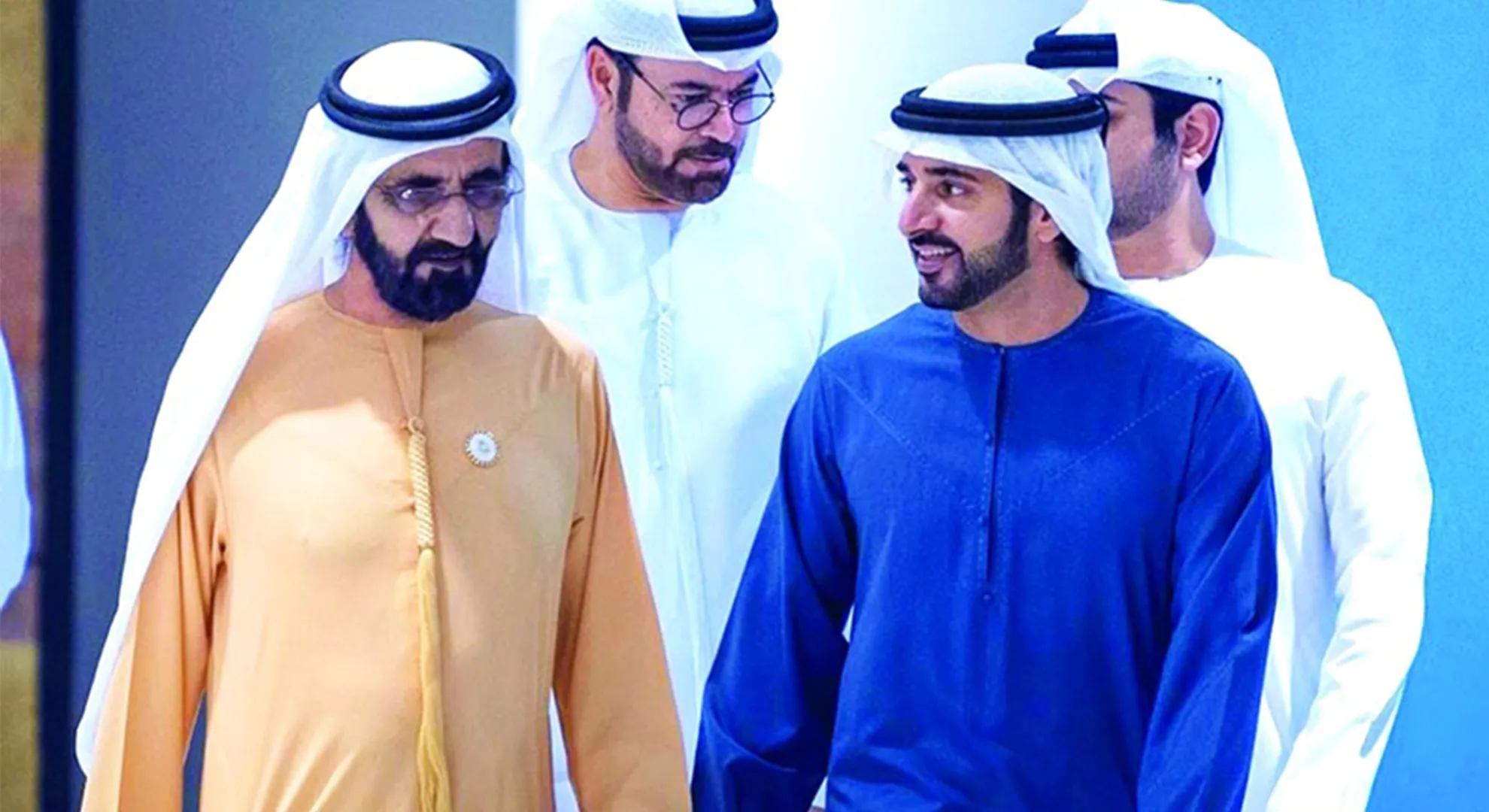
Sheikh Hamdan bin Mohammed bin Rashid Al Maktoum, Crown Prince of Dubai, Deputy Prime Minister and Minister of Defence of the UAE, and Chairman of Dubai’s Executive Council, attended the event.
Other attendees included Sheikh Mansoor bin Mohammed bin Rashid Al Maktoum, President of the UAE Olympic Committee; Sheikha Latifa bint Mohammed bin Rashid Al Maktoum, Chairperson of the Dubai Culture and Arts Authority; and Mohammad bin Abdullah Al Gergawi, Chairman of the Executive Office of His Highness Sheikh Mohammed bin Rashid Al Maktoum and the Mohammed Bin Rashid Center for Leadership Development.
The gathering serves as a platform for discussing Dubai’s development priorities and sharing ideas about how institutions can respond to changing economic and social conditions.
It also reflects the emirate’s emphasis on leadership as a tool for implementing its strategic ambitions.
Developing a stronger leadership ecosystem
The Mohammed bin Rashid Leadership Forum is designed to help establish a leadership and management framework that can be applied across Dubai’s government entities.
Its objectives include promoting effective management practices, encouraging the exchange of professional experiences and helping decision-makers translate strategic goals into practical initiatives.
The forum also provides an opportunity to examine future-oriented projects and discuss how organisations can improve their performance.
By bringing together representatives from different sectors, the gathering encourages collaboration and collective thinking around the challenges associated with economic growth, technological change and urban development.
Leadership development is particularly relevant when public institutions must coordinate major projects across different departments and sectors.
Large infrastructure programmes require planning, decision-making and cooperation among multiple organisations. The ability to implement projects effectively can influence how quickly infrastructure becomes available and how well it meets public and economic needs.
The forum’s focus on management and institutional development therefore complements the emirate’s extensive investment plans.
Preparing Dubai for its next stage of expansion
The nearly Dh2.1 trillion project pipeline covers a broad range of sectors that support Dubai’s economy and urban environment.
Real estate projects are expected to expand housing and commercial capacity, while aviation investments aim to accommodate growing international travel demand. Metro and road developments are intended to improve mobility, and new financial and exhibition facilities could provide additional space for businesses and events.
Meanwhile, investments in sewerage, drainage, electricity, water and landscaped spaces are designed to strengthen the systems that support daily life.
The projects differ in scale, purpose and delivery timelines, but they share a common objective: preparing the emirate for future population growth and economic activity.
Sheikh Mohammed said Dubai intended to remain ready for new opportunities by investing ahead of demand and ensuring that infrastructure could support the next phase of development.
His remarks also highlighted the role of leadership in maintaining momentum, making decisions in response to changing conditions and ensuring that ambitious plans produce practical outcomes.
For Dubai, the next phase of growth will depend not only on the scale of investment but also on how effectively projects are coordinated and delivered.
The emirate’s development programme presents a wide-ranging vision covering where people live, how they travel, how businesses operate and how essential services are provided.
As these initiatives move forward, their implementation will help determine how Dubai accommodates future growth while maintaining its appeal as a place to live, work, invest and visit.
Editorial note: This rewrite is based on your supplied material. Before publication, verify the investment figures, project allocations, passenger-capacity targets and official quotations against the original announcement. The direct quotations have been paraphrased; use quotation marks only for wording confirmed from the source.