Dubai residents are optimistic that the introduction of autonomous transport pods will make everyday commuting quicker, smoother, and more convenient. The innovative technology is expected to reduce travel delays and offer a modern alternative to traditional transportation across the city.
Dubai Residents Look Forward to Driverless Pods That Could Make Daily Travel Faster.
Dubai’s Driverless Pods Raise Hopes for Easier Daily Commuting
Dubai residents who struggle with long walks, crowded buses and delays during their daily journeys are hopeful that a new driverless transport system could make travelling around the city more convenient.
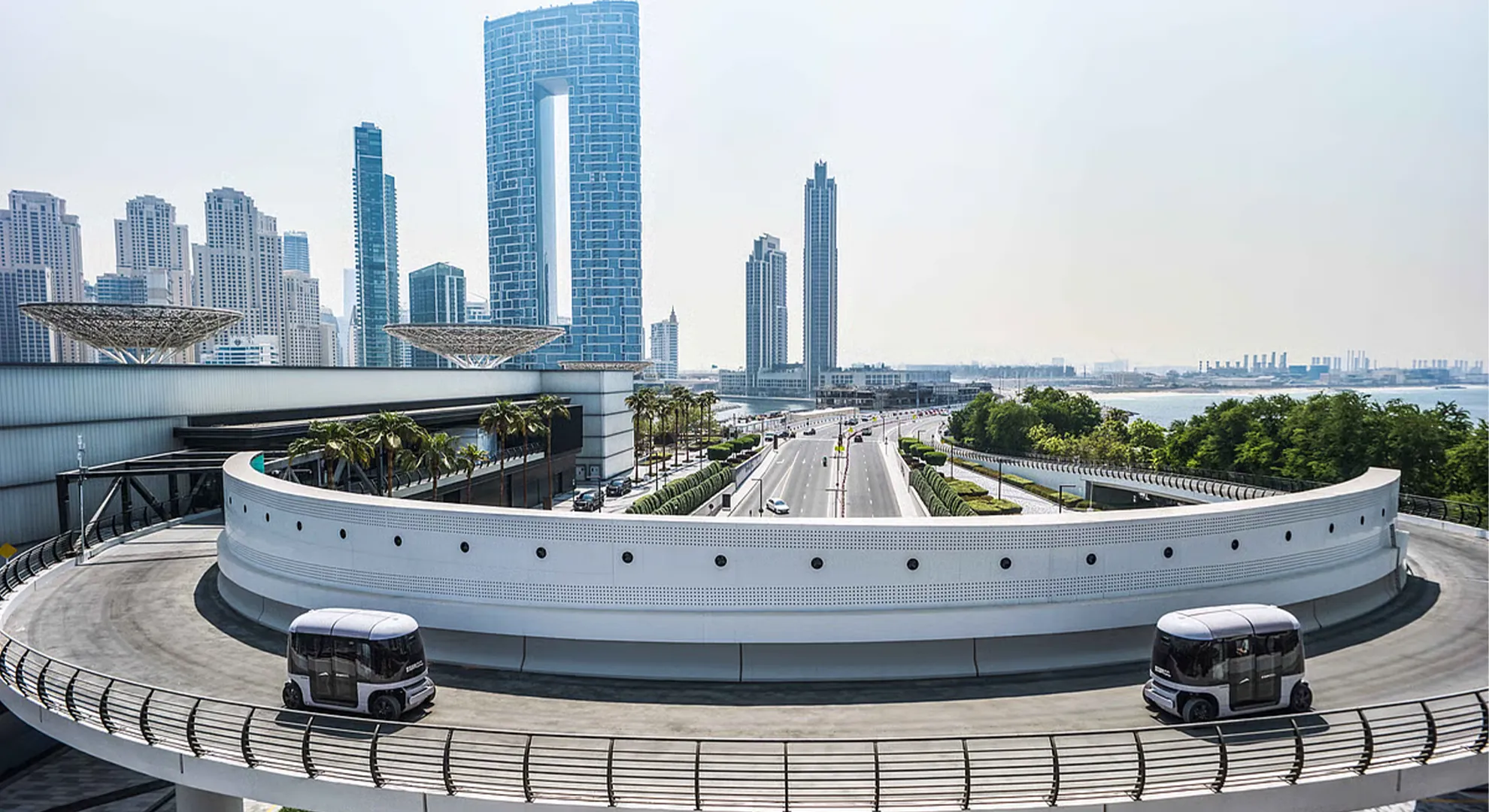
The Roads and Transport Authority (RTA) has introduced a four-week trial of the Dubai Glydways system on Bluewaters Island. The initiative will examine whether compact, electric, autonomous pods can deliver safe, dependable journeys and connect effectively with Dubai’s existing public transportation network.
The technology is designed to address a common challenge faced by commuters: travelling the final stretch between a Metro or tram station and their ultimate destination. Although public transport provides connections across much of Dubai, reaching an office, hotel, shopping centre or residential community can still involve lengthy walks or additional bus and taxi journeys.
For some residents, this final stage can be particularly difficult during the summer months, when high temperatures make walking outdoors uncomfortable.
Long walks create challenges for commuters
Syed M, who lives in Al Barsha and works as an executive at a resort on Bluewaters Island, knows these difficulties firsthand. His journey does not end when he leaves public transport, as he sometimes needs to walk for approximately 20 minutes to reach his workplace.
The route involves crossing the pedestrian bridge linking Jumeirah Beach Residence (JBR) with Bluewaters Island. While the walk may be manageable during the cooler winter season, the intense summer heat makes the experience considerably more challenging.
Syed explained that the walk between the tram station and his hotel can become exhausting when temperatures rise.
His employer provides transport for staff, but missing the scheduled service can leave him with limited alternatives. He may have to wait for a bus departing from Jebel Ali Metro Station, with the wait occasionally lasting around half an hour. Taking a taxi or walking the remaining distance are other possibilities.
These inconveniences have made the proposed autonomous transport service particularly appealing to him. Syed hopes the driverless pods will eventually provide a more comfortable and predictable way to complete the final part of his commute.
A potential alternative to crowded buses
The need for better connections between major transport stations and workplaces is not limited to Bluewaters Island. Residents and employees in other parts of Dubai also face difficulties travelling short distances after leaving the Metro.
Hassan, who works in Business Bay, believes the district would benefit from a dedicated last-mile transport option. The area contains numerous commercial buildings and offices, resulting in significant demand for transport during peak commuting periods.
According to Hassan, buses travelling towards Business Bay Metro Station can become particularly crowded during busy hours. This can make the journey inconvenient for passengers who rely on these services to reach their offices.
He believes driverless pods could offer an alternative if they operate frequently and provide efficient connections between key locations.
Hassan said a continuously operating service could help passengers travel between their starting point and destination without having to wait for an overcrowded bus or pay for a taxi.
For office workers, a service of this kind could improve the overall commuting experience by reducing the time spent waiting for onward transport. However, its practical benefits would depend on factors such as service frequency, passenger capacity, route coverage and how effectively it connects with existing public transport.
Business Bay among areas being considered
The RTA is examining several locations in Dubai where the autonomous pod system could potentially be introduced in the future.
Business Bay is among the areas being considered, alongside Jumeirah Village Circle, Dubai Festival City and Mohammed bin Rashid City.
A proposed 2.8-kilometre connection between National Paints Metro Station and Bluewaters Island is also under consideration. Such a link could provide an additional connection for people travelling between the wider public transport network and destinations on the island.
The locations being studied reflect the broader objective of improving access to public transport, particularly in areas where passengers must rely on buses, taxis or walking to complete their journeys.
Nevertheless, these locations are being assessed for potential future routes, and their inclusion in the study should not be interpreted as confirmation that services will be introduced there.
Dubai Festival City commuters look for better connections
For Sameed, a sales executive working at a store in Dubai Festival City Mall, reaching work can be time-consuming because he lives in Sharjah and generally depends on a shared car lift.
When he misses that arrangement, he has to use a combination of public transport services to reach his workplace. His alternative journey involves taking the Metro to Emirates Metro Station before boarding a bus to Dubai Festival City.
The additional transfers make the journey longer and less convenient, particularly when he cannot use his usual transport arrangement.
Sameed believes a direct connection between a future Metro station and the shopping centre would make a meaningful difference to his daily commute.
He said having driverless pods available to carry passengers directly to the mall from a nearby Metro station would be especially useful.
His situation highlights a broader challenge for commuters who live in one emirate and work in another. Even when the Metro covers a substantial part of their journey, the lack of a convenient final connection can add considerable time and complexity to their daily travel.
Metro expansion could improve accessibility
Dubai Festival City is expected to receive a Metro station under the city’s Blue Line project, which is scheduled to open in 2029.
Until that connection becomes available, commuters travelling to the area continue to depend on a combination of buses, taxis, private vehicles and other transport arrangements to reach their destinations from existing Metro stations.
The planned Metro expansion is expected to improve public transport access to the district. However, commuters may still need a convenient way to travel between the station and their final destination.
This is where a last-mile transport service could potentially complement the wider network. If future routes are developed to connect Metro stations with major commercial and residential destinations, passengers could have more options for completing their journeys.
For people such as Sameed, the value of the system would depend on whether it provides a direct, reliable and reasonably quick connection to the places they need to reach.
What the Bluewaters trial aims to establish
The four-week Glydways trial gives the RTA an opportunity to evaluate how the autonomous pod system performs before any potential wider implementation.
The compact electric vehicles operate without a driver and use dedicated guideways. Unlike conventional road transport, the system is designed around a separate route infrastructure intended to support movement between designated points.
During the trial, the authority will assess whether the technology can provide safe and reliable journeys while integrating with Dubai’s existing transportation services.
The first- and last-mile connection is a central consideration. These journeys may be relatively short in distance, but they can have a significant impact on the total time passengers spend travelling to work, home or other destinations.
A commuter may reach a Metro station quickly but still face a lengthy walk, an extended bus wait or the need to book a taxi. Improving this final section could make public transport a more practical choice for people who currently find the overall journey inconvenient.
The trial’s findings will therefore be important in determining whether the pods can address these everyday transport challenges effectively.
Will driverless pods make commuting easier?
For Dubai residents, the appeal of autonomous pods lies in their potential to simplify journeys that currently involve multiple transport options.
Workers travelling to Bluewaters Island could benefit from a more convenient connection between the tram station and their workplaces. Employees in Business Bay may welcome another option if crowded buses continue to create difficulties during peak periods. Commuters heading to Dubai Festival City could also benefit from better connections as the city’s Metro network expands.
However, the extent of these improvements will depend on how the system is developed and operated. Route availability, waiting times, safety standards, accessibility and integration with other transport services will all influence its usefulness to passengers.
The proposed service is not intended to replace Dubai’s existing Metro, tram or bus network. Instead, it is being explored as a complementary option that could help passengers bridge the gaps between major transport stations and their final destinations.
For residents who regularly face long walks in extreme heat, lengthy waits for buses or expensive taxi journeys, even a short, reliable connection could make a noticeable difference.
As the RTA evaluates the Bluewaters trial, commuters will be watching to see whether the technology can move beyond testing and become a practical addition to the city’s transport system.
For people such as Syed, Hassan and Sameed, the hoped-for outcome is simple: less time spent navigating the final stretch of a journey and more convenient connections between public transport and the places where they live and work.