Dubai’s education regulator, KHDA, is preparing clearer guidelines for schools on the use of artificial intelligence and digital tools, aiming to provide educators and students with a structured approach to adopting emerging technologies in classrooms.
KHDA Sets Out New Framework for AI and Digital Technology in Dubai Schools.
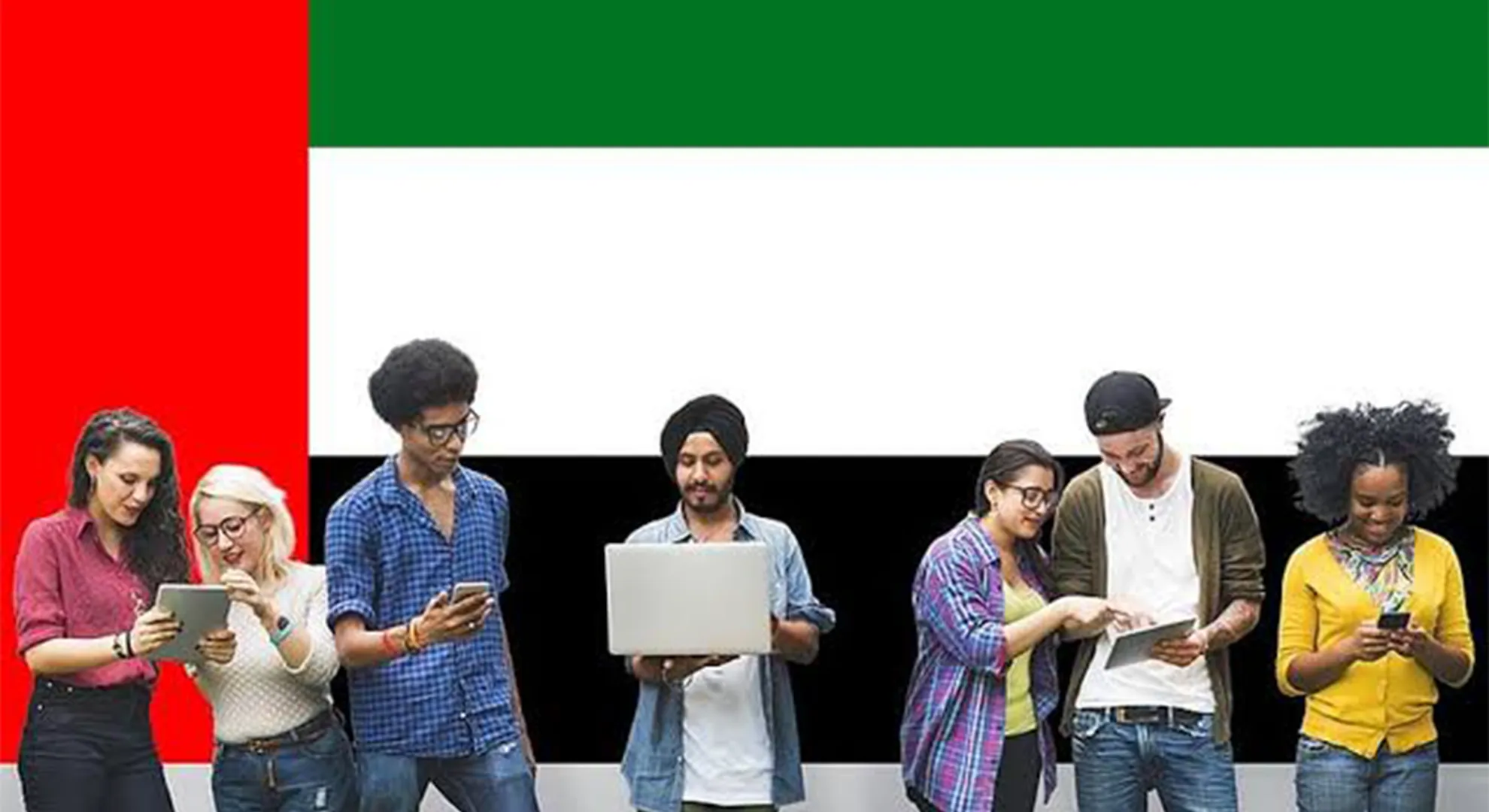
KHDA Develops Guidance for AI and Technology Use in Dubai Schools
KHDA Works on New Approach to AI and Technology in Dubai Classrooms
Dubai’s education regulator is developing a policy framework aimed at helping schools determine how and when artificial intelligence and other digital technologies should be used in the classroom.
The Knowledge and Human Development Authority (KHDA) is examining the role of technology in education as schools around the world reassess how heavily they should rely on digital devices.
The authority’s approach is expected to focus less on simply increasing the amount of technology used in schools and more on whether digital tools produce meaningful benefits for students and improve the learning experience.
Aisha Miran, Director-General of KHDA, said the authority is working on a policy that would provide schools with clearer direction while allowing individual institutions some flexibility in deciding how technology should be incorporated into teaching.
Speaking during a KHDA Media Majlis on Thursday, Miran said the authority has been receiving considerable feedback about the use of technology in education.
She also said KHDA has been monitoring developments in other education systems, including countries where schools have begun reconsidering their dependence on devices and, in some cases, returning to more traditional learning methods such as handwriting and paper-based work.
KHDA examining international developments
The debate over technology in education has grown as schools and education authorities consider the advantages and potential drawbacks of widespread digital learning.
Miran said KHDA has been following developments internationally as different education systems experiment with their approaches to classroom technology.
She noted that some countries have been moving away from extensive use of devices such as iPads and returning to traditional tools.
“We are getting a lot of feedback,” Miran said, adding that the authority had also been receiving numerous questions and monitoring what was happening in education systems around the world.
Her comments come as schools increasingly consider how artificial intelligence should be incorporated into education while ensuring that technology remains a tool for learning rather than becoming an objective in itself.
Focus on whether technology improves learning
Miran said KHDA’s proposed policy would aim to establish a clear position on the use of AI and technology across Dubai’s education sector.
Rather than requiring schools to follow a single approach in every situation, the authority wants to establish principles that can guide decisions.
A key question will be whether a particular technology genuinely contributes to student learning.
Miran said the authority wants schools to understand when the use of AI or another digital tool is appropriate and when it may be better to use a different teaching method.
The emphasis is therefore expected to be on the educational value of technology rather than the technology itself.
A digital tool could be useful in one learning situation but unnecessary in another, meaning schools may need the ability to make decisions based on their students, teachers and educational objectives.
Schools to retain responsibility and flexibility
While KHDA is preparing clearer guidance, Miran indicated that schools would continue to have a degree of responsibility for deciding how technology is used.
The authority does not appear to be pursuing a blanket policy that would require every school to adopt or reject particular forms of technology in exactly the same way.
Instead, schools would be expected to exercise judgement within the principles established by KHDA.
Miran said the authority wanted schools to have accountability, responsibility and flexibility when dealing with issues such as technology and mobile phone use.
This approach would allow individual schools to consider their own circumstances while still operating within a broader direction set by the education regulator.
Mobile phones also part of the discussion
The debate extends beyond artificial intelligence, tablets and classroom software.
Mobile phone use in schools has also been a subject of discussion within KHDA.
Miran revealed that some senior officials had previously approached her with calls for mobile phones to be prohibited in schools.
She said the issue generated considerable discussion within the authority.
Rather than immediately imposing a universal ban, KHDA considered how schools could be given responsibility for managing the issue.
The debate illustrates the wider challenge facing schools as they attempt to balance technology’s educational benefits with concerns about distraction, appropriate use and student behaviour.
Preparing students for a technology-driven society
Miran said the authority’s thinking is based partly on the reality that students spend only a limited portion of their day inside school.
Once they leave the school environment, they enter a much wider society in which digital technology is increasingly embedded in everyday life.
For this reason, simply preventing students from using technology may not fully address the challenges they will encounter outside the classroom.
Instead, schools can play a role in teaching students how to make appropriate decisions about technology.
This includes understanding when a digital tool can be useful and when it may be better to put the device aside.
The goal is to help young people develop the judgement necessary to use technology responsibly.
Teaching students when to use technology
According to Miran, the discussion should not be limited to whether technology is good or bad for education.
A more important question is how students can learn to use it appropriately.
Students are growing up in an environment where artificial intelligence, smartphones, online platforms and digital services are increasingly common.
Schools therefore have an opportunity to help students develop the skills needed to navigate that environment.
This includes understanding the appropriate role of technology in learning, recognising situations where traditional methods may be more effective and making responsible choices about digital tools.
The proposed KHDA framework is intended to support that broader educational objective.
AI brings new questions for schools
The rapid development of artificial intelligence has added another dimension to the technology debate.
Schools are increasingly considering how AI can be used for teaching, learning, research and other educational activities.
At the same time, educators must consider questions about responsible use, student independence and the appropriate role of AI in academic work.
KHDA’s planned policy framework could provide schools with greater clarity as they address these issues.
Rather than treating AI adoption as an end in itself, the authority’s approach is centred on whether and when the technology can strengthen learning.
This could leave schools with room to experiment with useful applications while also encouraging them to evaluate whether a particular tool genuinely benefits students.
Traditional methods remain part of the debate
The growing use of digital technology does not necessarily mean traditional classroom methods will disappear.
Miran’s comments about international education systems returning to pen and paper highlight how some schools and authorities are reassessing the balance between digital and traditional approaches.
Writing by hand, reading printed material and other conventional classroom activities can continue to play a role even as schools introduce newer technologies.
The challenge for educators is determining which approach is most suitable for a particular learning objective.
KHDA’s proposed direction appears to recognise that technology does not automatically make a lesson more effective.
Instead, its usefulness depends on how and why it is introduced.
A balance between innovation and judgement
Dubai’s education sector has increasingly incorporated digital tools into classrooms, but the new policy discussion reflects a broader question about how technology should be used responsibly.
Miran’s comments suggest that KHDA wants schools to have a framework that helps them make informed decisions without unnecessarily restricting their ability to respond to their own circumstances.
The emphasis on accountability means schools would remain responsible for the choices they make.
Flexibility, meanwhile, would allow institutions to adapt their approaches according to their students and educational environment.
The combination of clear principles and institutional responsibility could form an important part of KHDA’s eventual policy.
Students need skills beyond the classroom
Miran’s comments also highlight the distinction between managing technology inside schools and preparing students for life outside them.
A student may spend several hours each day in a controlled educational environment, but the rest of their time is spent in a society where technology is widely available.
This means schools cannot completely separate students from digital tools.
Instead, education can help young people develop the ability to use technology appropriately once they leave school.
Teaching responsible use could include understanding digital behaviour, recognising when technology is appropriate and knowing when it can interfere with learning or other activities.
The wider aim is to prepare students to make sound choices in an increasingly digital society.
Responsible use is central to the approach
The proposed policy is not simply about determining which devices schools should allow.
It is also concerned with developing students’ understanding of responsible technology use.
Miran said the authority wants students to become responsible members of society and responsible individuals who understand what is appropriate and when technology should or should not be used.
That places judgement at the centre of the discussion.
Instead of treating students as passive users of technology, the approach seeks to help them understand the consequences of their choices.
This could become particularly important as artificial intelligence and other technologies become more sophisticated and increasingly integrated into daily life.
What the framework could mean for schools
Once KHDA establishes its policy direction, schools in Dubai will have clearer principles to consider when making decisions about AI and other technologies.
The framework could help educators assess whether a particular digital tool supports a specific learning objective.
It could also provide guidance on issues such as the appropriate use of devices and the role of technology in different classroom settings.
However, Miran’s comments indicate that schools are likely to retain some freedom in implementing the approach.
This would mean that individual institutions could continue to consider their own educational priorities while remaining aligned with KHDA’s broader expectations.
The debate over device use continues
The discussion surrounding digital devices is not unique to Dubai.
Education systems in different countries are reviewing how much classroom time should involve screens and digital platforms.
Some have reconsidered their reliance on tablets and other devices, while others continue to explore ways of integrating technology into education.
KHDA is monitoring these international developments as it works on its own framework.
Miran’s remarks suggest that Dubai’s approach will take into account lessons emerging from other education systems rather than simply following one global model.
Technology as a tool, not the goal
A central theme in the proposed approach is the distinction between using technology because it is available and using it because it serves a clear educational purpose.
A classroom does not necessarily become more effective simply because students have access to more devices.
The value of technology depends on whether it helps students understand concepts, develop skills or engage more effectively with their education.
KHDA therefore wants schools to consider the purpose behind technology use.
If a digital tool improves learning, it may have a clear role.
If another method is more effective for a particular activity, schools should be able to consider that option as well.
Schools expected to help students navigate technology
The proposed approach also places an educational responsibility on schools beyond academic instruction.
Students need to understand how technology affects their lives and how to make responsible decisions about its use.
This becomes particularly important as digital tools become more powerful and accessible.
Artificial intelligence can support research, learning and productivity, but students also need to understand its appropriate role and limitations.
Similarly, smartphones and other connected devices can provide useful services while also creating distractions.
Schools can help students develop the judgement required to distinguish between productive and inappropriate use.
Future policy expected to provide greater clarity
KHDA’s planned policy framework is intended to give Dubai schools a clearer direction on AI and technology.
The authority is currently gathering feedback and examining developments in other education systems.
Miran’s comments indicate that the final approach will seek to balance clear expectations with flexibility for individual schools.
The policy is also expected to focus on learning outcomes rather than technology adoption for its own sake.
For schools, this could mean greater clarity when deciding how digital tools should be incorporated into lessons and wider school life.
For students, the broader objective is to develop the judgement and responsibility needed to navigate a technology-rich society.
A changing education landscape
The rapid development of AI is prompting schools and education authorities to reconsider long-standing approaches to classroom technology.
Dubai is now examining how its education system should respond to these changes.
KHDA’s work comes at a time when educators are balancing the potential benefits of digital tools with questions about screen use, mobile phones, traditional learning methods and responsible AI adoption.
Rather than treating the issue as a simple choice between technology and traditional education, the authority is considering when each approach may be most appropriate.
The focus is ultimately on the quality of student learning.
Preparing students for life beyond school
For KHDA, the issue extends beyond what happens during classroom hours.
Students eventually leave school and enter a society where digital technology is part of work, communication, entertainment and everyday life.
Miran’s comments suggest that schools therefore have a role in preparing young people for that environment.
The objective is not simply to protect students from technology but to teach them how to navigate it responsibly.
That includes developing an understanding of when technology can help, when it may become a distraction and when traditional approaches may be more suitable.
Next steps for Dubai schools
KHDA is continuing its work on the policy framework and consulting feedback from the education community while monitoring international developments.
The eventual guidance is expected to establish clearer principles for the use of AI and technology across Dubai’s schools.
At the same time, the authority has indicated that schools will retain a degree of accountability and flexibility.
The approach could therefore give schools greater clarity without requiring every institution to adopt exactly the same technology policy.
For students, the focus will extend beyond learning how to use digital tools.
The broader aim is to help them develop the judgement required to decide when those tools should be used and when they should not.
As AI and digital technology continue to evolve, KHDA’s forthcoming framework could provide Dubai schools with a clearer basis for balancing innovation, traditional teaching methods and responsible technology use.