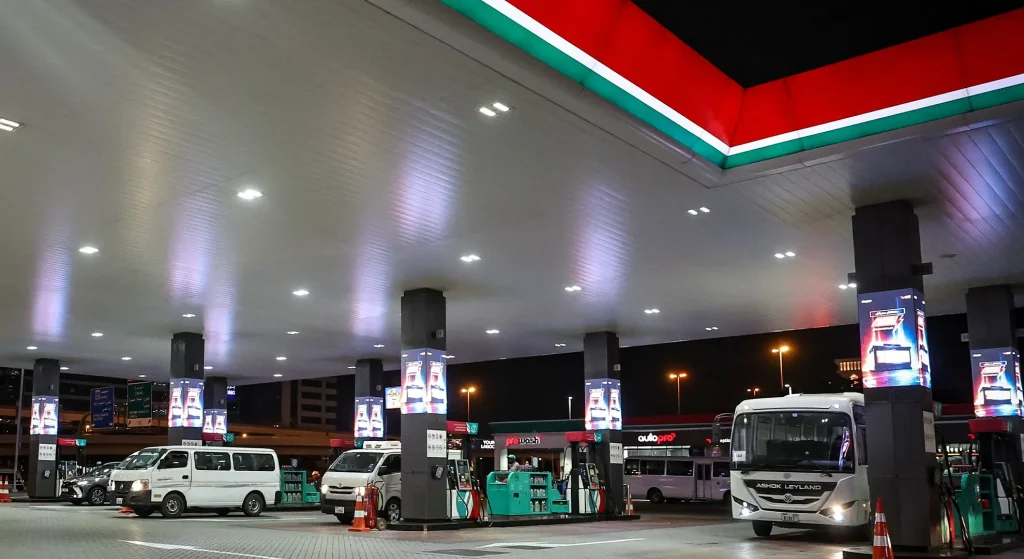
New fuel prices for October 2026 have been announced across the UAE, revealing the latest petrol and diesel rates motorists will pay at service stations throughout the country from the beginning of the month.
UAE Reveals Updated Petrol and Diesel Rates for October 2026.
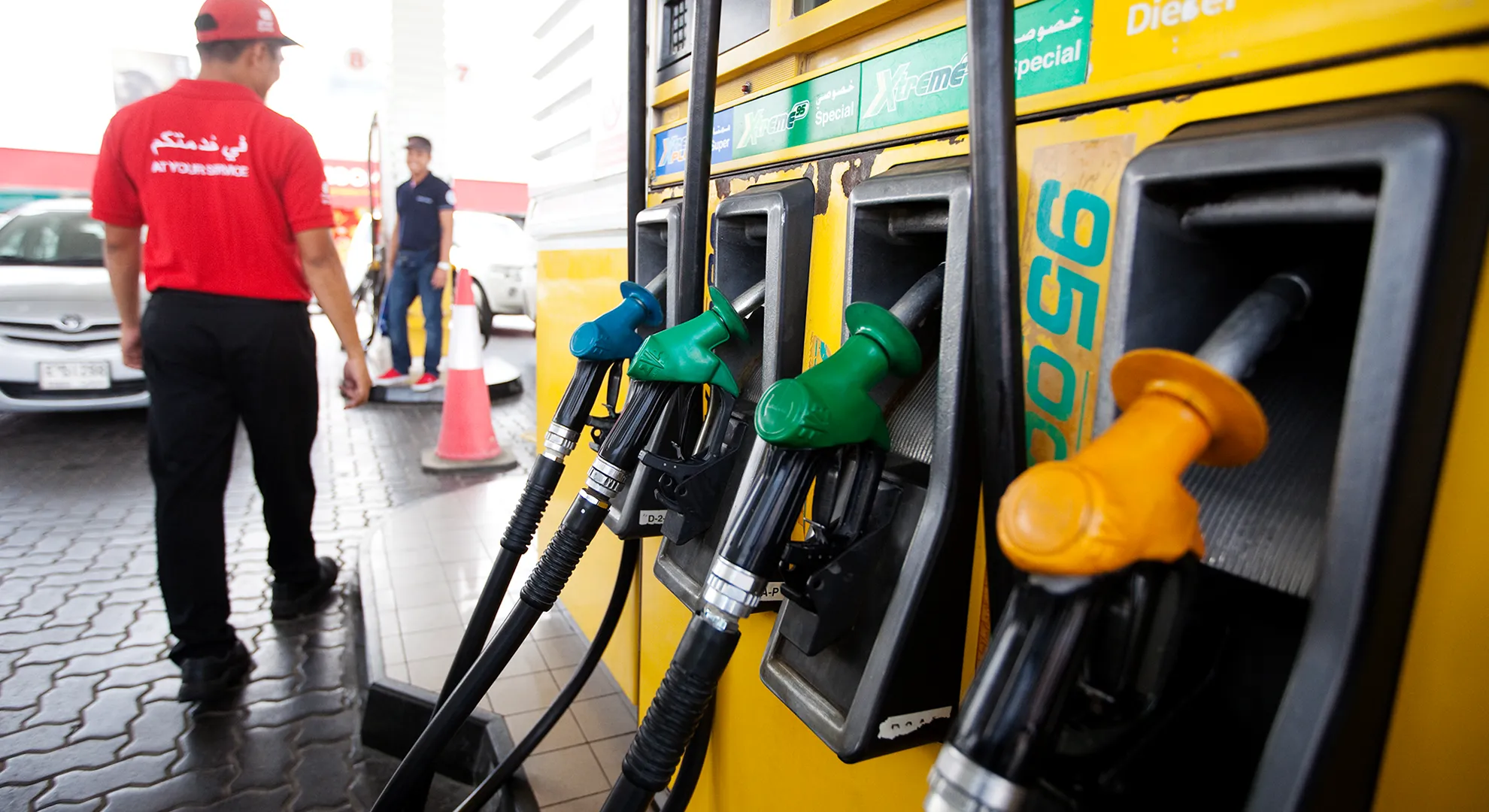
UAE Fuel Prices for October 2026: Petrol and Diesel Rates Increase
UAE announces October 2026 fuel prices
The UAE has announced its retail fuel rates for October 2026, with petrol and diesel prices set to increase from October 1.
The latest prices represent another monthly adjustment following changes recorded throughout the year. Fuel prices have moved up and down in response to developments in international oil markets and wider regional conditions.
The new rates that will apply across the UAE from October 1 are:
Super 98: Dh4.40 per litre, up from Dh3.80 in September.
Special 95: Dh4.28 per litre, compared with Dh3.69 in September.
E-Plus 91: Dh4.21 per litre, compared with the previous rate of Dh3.61.
Diesel: Dh4.80 per litre, up from Dh4.30 in September.
The latest adjustment means motorists will pay more for all three petrol grades as well as diesel compared with the previous month.
How much have fuel prices changed?
The October rates represent a noticeable increase compared with September.
Super 98 has risen by Dh0.60 per litre, while Special 95 has increased by Dh0.59. E-Plus 91 is up by Dh0.60 per litre.
Diesel has also become more expensive, increasing by Dh0.50 per litre.
For drivers who refuel frequently, the difference can translate into a higher monthly transport bill.
The exact additional amount paid by each motorist will depend on the size of their vehicle’s fuel tank, fuel efficiency and how frequently they fill up.
Fuel prices have fluctuated throughout 2026
The latest increase follows several months of changing fuel rates in the UAE.
Prices increased for four consecutive months before falling in July.
That July decline provided some relief for motorists following the earlier run of increases.
Prices then moved higher again in August and September, with October continuing the upward movement.
The changes have occurred against a backdrop of significant developments in regional energy markets and geopolitical tensions.
Regional conflict has affected the fuel market
The UAE’s fuel prices have been influenced by movements in global oil markets since the outbreak of the Middle East conflict on February 28.
Retail fuel rates rose substantially during the period that followed, with prices increasing by more than 60 per cent before a decline was recorded in July.
The subsequent increases in August, September and October have brought prices higher again.
International crude prices can be affected by concerns about supply, transportation routes and potential disruptions to oil-producing regions.
These developments can ultimately influence fuel costs in markets where retail prices are adjusted according to broader oil-market conditions.
October rates compared with September
The change is particularly clear when the two months are compared directly.
Super 98 moves from Dh3.80 to Dh4.40 per litre.
Special 95 rises from Dh3.69 to Dh4.28.
E-Plus 91 increases from Dh3.61 to Dh4.21.
Diesel goes from Dh4.30 to Dh4.80.
This means motorists using Super 98 or E-Plus 91 will see an increase of Dh0.60 per litre, while Special 95 rises by Dh0.59.
Diesel increases by Dh0.50 per litre.
What the increase could mean for motorists
Fuel is a regular expense for many UAE residents, particularly those who rely on private cars for commuting, school runs, shopping and other daily activities.
A higher price per litre can therefore have a direct effect on monthly household spending.
For example, motorists who use larger quantities of fuel each month will see a bigger overall increase in their expenses than drivers who refuel less frequently.
The impact will also differ depending on the vehicle.
Cars with larger fuel tanks or lower fuel efficiency may require more fuel to cover the same distance, while smaller and more fuel-efficient vehicles may consume less.
Household budgets may feel the change
Monthly fuel costs can form an important part of household budgets.
Even relatively small movements in the price of a litre can become more noticeable when multiplied across several refuelling trips.
For families with more than one vehicle, the effect may be greater because several cars could require regular fuel purchases.
Commuters who travel long distances every day may also notice the increase more quickly than people who drive shorter distances.
The October adjustment therefore means motorists may need to account for higher fuel spending when planning their monthly expenses.
Impact beyond the petrol station
Changes in fuel prices can have effects beyond the direct cost of filling a car.
Fuel is also an important operating expense for businesses involved in transportation, deliveries and logistics.
When fuel becomes more expensive, companies that depend heavily on vehicles may face higher operating costs.
The broader effect on prices for goods and services can vary depending on the industry, the amount of fuel used and how businesses manage their expenses.
However, fuel remains an important component of the UAE’s wider economy because of the country’s extensive road network and reliance on road-based transport.
Regional tensions remain a factor
The latest fuel adjustment comes amid continuing geopolitical uncertainty in the region.
The 60-day ceasefire agreement involving the US and Iran has expired, according to the information accompanying the fuel-price announcement, while Washington has indicated it does not intend to extend the arrangement.
Iran has also threatened further escalation, adding to concerns about the potential impact on regional stability.
At the same time, increased attacks by the Houthis on oil infrastructure in the Red Sea have contributed to uncertainty surrounding regional energy supplies and transportation routes.
Developments such as these can influence expectations in global energy markets.
Why global events can affect local fuel prices
Oil is traded in an international market, meaning geopolitical developments in major producing and transit regions can affect prices well beyond the immediate area where an event occurs.
Concerns about supply disruptions can cause oil prices to move higher as traders assess the potential impact on future availability.
Conversely, expectations of weaker demand or improved supply conditions can place downward pressure on prices.
The UAE’s monthly fuel-price adjustments therefore occur within a broader international energy environment.
The direction of prices can change from one month to the next depending on developments in crude markets and other relevant factors.
July offered temporary relief
Before the latest increases, July brought a decline in UAE fuel prices.
The reduction came after four successive monthly increases and provided motorists with a temporary reduction in their fuel costs.
However, the decline did not continue into the following months.
Prices increased again in August and September before the October rates were announced.
The pattern demonstrates how quickly retail fuel prices can change as market conditions evolve.
All fuel categories see an October increase
The October adjustment affects every major fuel category listed in the announcement.
Drivers using Super 98 will pay Dh4.40 per litre.
Those choosing Special 95 will pay Dh4.28 per litre, while E-Plus 91 will cost Dh4.21.
Diesel users will face a rate of Dh4.80 per litre.
The changes apply from October 1 and replace the September rates.
Motorists can therefore expect the new prices to be reflected at UAE service stations from the beginning of the month.
Comparing the three petrol grades
The UAE offers several petrol grades to accommodate different vehicle requirements.
Super 98 is the highest-priced petrol option among the three listed grades for October, at Dh4.40 per litre.
Special 95 will cost Dh4.28, placing it Dh0.12 below Super 98.
E-Plus 91 will be priced at Dh4.21, making it the lowest-priced petrol grade among the three.
The appropriate fuel grade for an individual vehicle depends on the manufacturer’s specifications, so motorists should follow the recommendations provided for their cars rather than selecting fuel solely on the basis of price.
Diesel prices also rise
Diesel is also becoming more expensive in October.
The new diesel rate is Dh4.80 per litre, compared with Dh4.30 during September.
The Dh0.50 increase may be particularly relevant for motorists and businesses operating diesel-powered vehicles.
Commercial transport companies, delivery operators and other businesses with substantial diesel consumption may need to account for the higher rate in their operating budgets.
The overall impact will depend on fuel consumption and the number of kilometres travelled.
A year of changing fuel costs
The sequence of fuel-price movements in 2026 has created different conditions for UAE motorists throughout the year.
The market experienced a period of repeated increases, followed by the July decline and renewed increases from August onwards.
The October announcement continues the latest upward trend.
Such monthly changes mean households and businesses that closely monitor transportation costs may need to adjust their budgets regularly.
Drivers can also reduce the effect of higher fuel prices by maintaining their vehicles properly, avoiding unnecessary journeys and using fuel efficiently, although individual savings will vary.
What motorists should know
The October rates come into effect on October 1, 2026.
Anyone planning to refuel after the new month begins should expect the updated rates at service stations across the UAE.
The new prices are:
Super 98 — Dh4.40 per litre
Special 95 — Dh4.28 per litre
E-Plus 91 — Dh4.21 per litre
Diesel — Dh4.80 per litre
Compared with September, all four categories have increased.
Fuel remains a key household expense
For many UAE residents, the car is an essential part of daily life.
People frequently rely on private vehicles to travel to work, take children to school, attend appointments and complete everyday errands.
As a result, fuel purchases are often unavoidable recurring expenses.
When prices rise, households that drive regularly may see their monthly transportation costs increase.
The effect can be particularly noticeable for people with long daily commutes or multiple vehicles.
Businesses could also face higher costs
The October increase is relevant not only to individual motorists but also to companies whose operations depend on transportation.
Delivery fleets, logistics operators, taxis, construction companies and other businesses may consume significant amounts of petrol or diesel.
Higher fuel costs can therefore increase operating expenses.
The eventual effect on customers depends on a range of factors, including the amount of fuel consumed, pricing structures and other business costs.
Regional developments will remain important
Future UAE fuel-price movements will depend partly on developments in global oil markets.
The continuing uncertainty surrounding regional conflicts, supply routes and oil infrastructure could remain relevant to energy prices.
Any major changes in production, transportation or geopolitical conditions can affect international crude prices.
Conversely, improvements in regional stability or changes in global demand could influence prices in the opposite direction.
For motorists, this means monthly fuel rates can continue to fluctuate rather than following a fixed annual pattern.
October brings another rise
The UAE’s October 2026 fuel announcement marks another increase following the declines recorded in July and the subsequent rises during August and September.
Super 98 has reached Dh4.40 per litre, Special 95 stands at Dh4.28 and E-Plus 91 is priced at Dh4.21.
Diesel will cost Dh4.80 per litre.
With fuel representing a recurring expense for households and businesses, the latest adjustment is likely to be reflected in transportation budgets across the country.
Motorists should use the October rates when estimating their monthly fuel expenses and remember that the amount they ultimately spend will depend on their vehicle, driving distance and fuel consumption.