Abu Dhabi is widening access for businesses seeking to operate holiday homes, while authorities introduce updated listing requirements aimed at establishing clearer standards for properties offered to short-term visitors across the emirate.
Abu Dhabi Broadens Holiday Home Operator Access and Introduces Fresh Requirements for Property Listings.

The updated regulations provide greater clarity on who can qualify, obtain the necessary permits and manage holiday homes, while also outlining operational standards, inspection procedures and compliance obligations that property operators must follow.
Abu Dhabi Updates Holiday Home Rules, Expands Operator Eligibility and Tightens Online Listing Standards
Abu Dhabi has introduced a revised regulatory framework for holiday homes, widening the range of individuals and organisations that can operate short-term rental properties while placing additional emphasis on transparency for listings published online.
The updated framework provides clearer guidance for businesses, property owners and other parties involved in the holiday home sector. It sets out requirements covering who can operate a holiday home, the licensing process, day-to-day management, inspections and compliance with the emirate’s regulations.
The revised rules were announced during the Department of Culture and Tourism – Abu Dhabi’s participation at Arabian Travel Market 2026. The changes are intended to provide greater clarity across the holiday home industry while supporting the continued development of short-term accommodation in the emirate.
Under the updated framework, a wider range of people and entities may qualify to operate holiday homes, provided they meet the conditions established by DCT Abu Dhabi.
The changes are also accompanied by a new requirement for properties advertised through websites and digital platforms. Holiday home operators must have the appropriate DCT Abu Dhabi licence before a property can be promoted online, and the relevant licence number must be displayed clearly on the listing page.
The move gives prospective guests a more straightforward way to identify properties that have received the necessary approval to operate as holiday homes.
Broader eligibility for holiday home operators
One of the key changes under the revised regulations concerns the categories of parties that can operate holiday homes in Abu Dhabi.
The updated rules recognise several types of eligible operators, including individual property owners, joint owners, companies and other legal entities. Tenants may also be eligible in certain circumstances, while individuals who have been formally authorised by the property owner can operate a holiday home subject to the applicable requirements.
By clearly identifying the categories of eligible operators, the revised framework aims to remove uncertainty for people and organisations considering entering the short-term rental market.
The inclusion of multiple ownership and operating arrangements also reflects the different ways holiday homes can be managed. A property may be owned by one person, jointly held by several individuals, controlled by a legal entity or occupied by a tenant with the appropriate authorisation.
Those seeking to operate a property as a holiday home will still need to comply with the conditions established by DCT Abu Dhabi. Eligibility alone does not remove the requirement to obtain the necessary approvals and comply with the applicable operating rules.
The updated framework therefore provides a clearer route for potential operators while maintaining regulatory oversight of the sector.
Clearer framework for the holiday home sector
The amended regulations bring together requirements covering several stages of holiday home operations.
These include eligibility, licensing, management and operational responsibilities, inspection procedures and compliance obligations. By consolidating these areas within the updated framework, authorities are providing operators with clearer guidance on the responsibilities associated with running a holiday home.
The regulations are intended to support the continued expansion of Abu Dhabi’s holiday home market while maintaining standards related to safety, property quality and the experience provided to guests.
For operators, the changes provide a more defined understanding of what is expected before and during the operation of a holiday rental.
For guests, the regulatory framework is intended to contribute to a more transparent accommodation market in which properties offered for short-term stays can be more easily identified and verified.
The focus on licensing and online transparency is particularly relevant as more travellers use digital platforms to search for accommodation. Websites and booking platforms have become an important channel for connecting property operators with visitors, making accurate licensing information increasingly important.
New rules for digital property listings
A major element of the updated regulations concerns the way holiday homes are advertised online.
Under the new requirements, a holiday home cannot be promoted through a website or digital platform unless it has a valid licence issued by DCT Abu Dhabi.
In addition to requiring a valid licence, operators must make the licence number visible on the property’s online listing page.
This means that potential guests browsing accommodation online should be able to see the relevant licence information directly within the listing rather than having to search elsewhere for confirmation.
The requirement is intended to increase transparency throughout the online booking process. By displaying the licence number prominently, property listings can provide visitors with a straightforward indication that the accommodation has the required authorisation.
The measure also strengthens accountability among operators using digital platforms to attract customers.
Holiday home providers that wish to advertise their properties online will therefore need to ensure that their licensing status is current and that the required information is properly displayed.
Greater clarity for guests
For travellers, the revised listing requirements could make it easier to distinguish licensed holiday homes from properties that may not have the necessary approval.
When searching for accommodation online, guests can use the licence number displayed on the listing as an indicator that the property has been authorised under the applicable DCT Abu Dhabi framework.
The requirement places greater emphasis on transparency at the point where consumers make booking decisions.
Rather than relying solely on information supplied by an operator, customers will have access to a specific licensing reference within the listing itself.
This approach is particularly relevant as online accommodation platforms continue to play a major role in the tourism industry. Visitors often make reservations remotely, sometimes before arriving in Abu Dhabi, meaning clear and accessible regulatory information can be important when choosing where to stay.
The revised rules seek to address this aspect of the holiday home market by linking online advertising directly to the licensing system.
Impact on property owners and operators
Property owners considering holiday home operations will need to understand the revised eligibility requirements and ensure that their properties meet the applicable licensing and operational standards.
The broader eligibility categories mean that the framework now clearly recognises several different forms of participation in the sector. Individual owners, joint owners, legal entities, tenants and authorised representatives may be able to operate holiday homes, depending on the relevant conditions.
However, operators remain responsible for complying with the requirements that apply to their specific circumstances.
For those already operating holiday homes, the updated framework also provides an opportunity to review existing arrangements and ensure that licensing, advertising and operational practices are aligned with the latest requirements.
Online listings will require particular attention because the new rules specifically address digital advertising.
Operators using websites or online booking platforms will need to ensure that their DCT Abu Dhabi licence remains valid and that the licence number is clearly visible on the relevant property page.
Focus on safety and guest experience
While the revised framework expands eligibility, the changes are not limited to who can participate in the sector.
The regulations also cover operational requirements, inspections and compliance, reflecting the authorities’ focus on maintaining standards throughout the holiday home industry.
Safety and quality remain important elements of the framework, alongside the overall experience provided to guests.
Holiday homes form part of Abu Dhabi’s wider accommodation offering, giving visitors an alternative to traditional hotels. Maintaining clear operating standards can help ensure that properties offered to tourists meet the requirements established by the relevant authorities.
The inspection and compliance provisions provide a mechanism for ensuring that operators continue to meet the required standards after receiving permission to operate.
This means that regulatory responsibilities extend beyond the initial licensing stage. Operators must continue to observe the applicable rules while managing and advertising their properties.
Digital transparency becomes a key requirement
The requirement to display a valid DCT Abu Dhabi licence number on online listings represents a significant focus of the revised framework.
As travellers increasingly depend on digital platforms to compare accommodation, the information presented online can influence booking decisions. Requiring licence details to be visible gives customers an additional piece of information when assessing a holiday home.
The measure also creates a clearer connection between the property being advertised and the regulatory approval required to operate it.
For digital platforms and property operators, this means that listings must contain the necessary licensing information before the property can be advertised.
Properties without a valid DCT Abu Dhabi licence cannot legally be promoted on websites or digital platforms under the updated rules.
The requirement therefore places responsibility on operators to ensure their listings remain accurate and compliant.
Changes announced at Arabian Travel Market 2026
The revised holiday home regulations were announced during DCT Abu Dhabi’s participation at Arabian Travel Market 2026.
The event provides a major platform for tourism and hospitality organisations to present developments within the sector, making it a significant setting for the announcement of updated rules affecting Abu Dhabi’s accommodation market.
The regulatory changes come as the emirate continues to develop its tourism offering and expand the range of accommodation available to visitors.
Holiday homes form part of this wider tourism ecosystem, offering travellers alternatives to conventional hotel stays while providing property owners and authorised operators with another way to participate in the hospitality market.
The revised framework is intended to provide greater structure and clarity as this segment develops.
What the new rules mean for holiday home listings
Under the updated system, operators must meet the necessary licensing requirements before advertising a property online.
A listing published on a website or digital platform must include the relevant DCT Abu Dhabi licence number in a clearly visible location.
The requirement applies to digital promotion of holiday homes and is designed to improve transparency for prospective guests.
For operators, this means that simply having a property available for short-term rental is not sufficient to advertise it online. The property must have the appropriate licence, and the licence information must be presented as required.
For consumers, the rule provides an additional means of identifying authorised holiday homes while searching through online accommodation listings.
The measure may also help improve consistency across different booking platforms by establishing a specific requirement for the display of licensing information.
A more structured holiday home market
The updated regulations provide a clearer framework for Abu Dhabi’s holiday home industry by addressing both participation and ongoing operations.
The expanded list of eligible operators opens the sector to different ownership and management arrangements, while the licensing requirements ensure that properties continue to operate within the regulatory framework.
At the same time, inspection and compliance measures provide oversight of properties after they enter the market.
The online listing rule adds another layer of transparency by requiring licence information to be visible to potential guests.
Taken together, the changes establish clearer expectations for everyone involved, from property owners and operators to visitors searching for short-term accommodation.
The regulations also make it easier to understand the relationship between operating a holiday home and advertising it to the public. A property must have the required authorisation before it can be promoted through digital channels, and that authorisation must be identifiable on the listing.
What operators should know
Anyone planning to operate a holiday home in Abu Dhabi should first determine whether they fall within one of the eligible categories under the revised rules.
This can include individual owners, joint owners, legal entities, tenants and authorised individuals, subject to the conditions established by DCT Abu Dhabi.
Operators must then comply with the applicable licensing and operational requirements. They should also ensure that their properties meet the relevant inspection and compliance standards.
For those intending to attract guests through websites or digital platforms, maintaining a valid licence and displaying the licence number clearly on the listing are key requirements under the updated framework.
Existing operators may also need to review their current listings and procedures to ensure they remain aligned with the amended regulations.
The changes are intended to provide a clearer regulatory environment while supporting the growth of Abu Dhabi’s holiday home sector.
As the market continues to develop, the combination of broader eligibility, defined licensing procedures, operational standards and stronger online transparency is expected to shape how holiday homes are managed and marketed across the emirate.
For visitors, the most visible change will be the requirement for licensed holiday homes advertised online to display their DCT Abu Dhabi licence number.
For property owners and operators, the revised framework provides clearer guidance on who can participate, what approvals are required and what responsibilities apply once a property enters the holiday home market.
The updated regulations therefore represent a broader restructuring of the rules governing Abu Dhabi’s short-term accommodation sector, with a particular emphasis on transparency, licensing, operational standards and compliance.
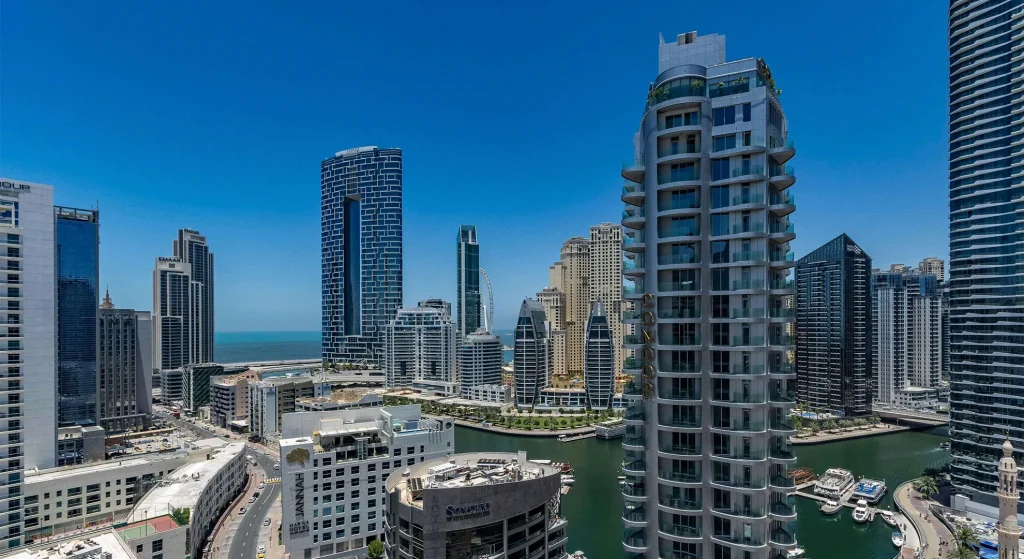
Abu Dhabi Holiday Homes Expand as Tourism Sector Diversifies
Abu Dhabi’s updated holiday home framework is intended to maintain strong standards across the sector, with particular attention to property safety, accommodation quality and the overall experience provided to visitors.
The revised approach also forms part of the emirate’s broader tourism development plans. By supporting a wider range of short-term accommodation options, the framework contributes to efforts under the Tourism Strategy 2030 to diversify the types of stays available to visitors and reduce reliance on conventional hotel accommodation alone.
Holiday homes have become an increasingly visible component of Abu Dhabi’s tourism ecosystem, offering travellers another option alongside hotels, resorts and other traditional forms of accommodation.
The sector’s recent expansion reflects growing demand for alternative accommodation and the emirate’s efforts to broaden its tourism offering.
Holiday homes gain importance in Abu Dhabi
According to Hamad Mohammed Sudain, Executive Director of Support Services at the Department of Culture and Tourism – Abu Dhabi (DCT Abu Dhabi), the holiday home segment is becoming an increasingly significant part of the emirate’s changing tourism environment.
Sudain said the sector is responding to evolving traveller preferences while adding greater variety to Abu Dhabi’s accommodation landscape.
He also highlighted the role of the updated regulations in establishing stronger oversight of the market. The revised framework is designed to improve transparency, encourage responsible participation by operators and maintain the quality standards associated with Abu Dhabi as a tourism destination.
The comments underline the authorities’ focus on developing the sector while ensuring that its expansion is accompanied by appropriate regulatory controls.
As more properties enter the holiday home market, maintaining consistent standards becomes increasingly important. The regulatory framework provides guidelines intended to ensure that operators meet the expectations associated with safety, quality and guest service.
The objective is not only to increase the number of accommodation choices available to visitors but also to ensure that those options operate within a clearly defined system.
Strong growth in holiday home supply
The scale of the sector’s expansion can be seen in the latest figures for Abu Dhabi.
During 2025, the emirate recorded a 77 per cent increase in its holiday home supply compared with the previous year. More than 2,000 additional eligible properties were added during the year.
By the end of 2025, Abu Dhabi had a total of 4,771 eligible holiday home units.
The increase represents a significant expansion in the number of properties available to visitors through the holiday home segment.
The growth also indicates that property owners and operators are increasingly participating in the short-term accommodation market, adding capacity to Abu Dhabi’s wider tourism infrastructure.
The rise in available units has occurred alongside an increase in the number of guests using holiday homes, suggesting that the expansion in supply has been accompanied by stronger demand.
Guest numbers rise sharply
Holiday home guest numbers also increased substantially in 2025.
The number of guests staying in eligible holiday homes rose by 77 per cent during the year, reaching slightly more than 335,000.
Both domestic and international travellers contributed to the increase, although the growth rates differed between the two groups.
Domestic guest numbers climbed by 114 per cent to approximately 82,900. This represents more than a doubling of the number of domestic visitors using holiday homes compared with the previous year.
International demand also recorded significant growth. The number of international guests increased by 68 per cent, reaching around 252,500 during 2025.
The figures show that holiday homes are attracting visitors from both within the UAE and overseas.
International travellers continued to account for the larger share of total holiday home guests, with approximately 252,500 visitors compared with around 82,900 domestic guests.
The substantial increase across both categories points to expanding use of holiday homes among different groups of travellers.
For Abu Dhabi’s tourism industry, the growth provides another indication of the increasing role played by alternative accommodation in the emirate’s visitor economy.
Revenue growth accompanies expansion
The expansion of the holiday home sector has also been reflected in daily revenue figures.
Average daily revenue increased by 28 per cent in 2025, reaching AED 1,887.
The rise in average daily revenue occurred alongside the growth in property supply and guest numbers, indicating that the sector experienced changes not only in its size but also in its financial performance.
The increase provides an additional measure of the market’s development as more properties become available and visitor numbers rise.
The growth in average daily revenue may also reflect changing demand patterns and the wider range of accommodation being offered through the sector.
However, the figure represents the sector-wide average and does not necessarily indicate the revenue generated by every individual holiday home.
Tourism Strategy 2030
The development of the holiday home market is connected to Abu Dhabi’s wider ambitions for tourism growth.
The emirate’s Tourism Strategy 2030 includes efforts to expand and diversify its tourism offering, with the aim of providing visitors with a broader selection of experiences and accommodation options.
Holiday homes form part of this diversification.
Traditional hotels remain an important component of Abu Dhabi’s accommodation infrastructure, but alternative lodging options can give visitors additional choices based on their preferences, group size, length of stay and travel requirements.
The expansion of holiday homes therefore provides another avenue for increasing accommodation capacity while broadening the types of properties available to tourists.
The updated regulatory framework is intended to support that development while ensuring that growth does not come at the expense of safety, quality or guest experience.
Regulation and sector growth
The rapid expansion of the holiday home market has increased the importance of a clear regulatory structure.
As the number of eligible properties rises, authorities need mechanisms to ensure that operators understand their responsibilities and that properties continue to meet required standards.
The revised regulations address areas such as eligibility, licensing, operations, inspections and compliance.
These measures provide a framework through which the sector can continue to expand while remaining subject to regulatory oversight.
The emphasis on transparency is also important as more holiday homes are marketed through websites and digital platforms.
Under the updated rules, properties advertised online must have the appropriate DCT Abu Dhabi licence, while the licence number must be displayed clearly on the listing.
This requirement gives prospective guests more information when selecting accommodation and creates a direct connection between an online listing and the regulatory approval associated with the property.
Changing traveller preferences
The growth of holiday homes is also linked to changes in the way people travel and choose accommodation.
Some visitors may prefer properties that provide more space, greater privacy or facilities that differ from those normally associated with hotel rooms.
Holiday homes can cater to a range of travellers, including families, groups and visitors seeking alternative accommodation arrangements.
As traveller preferences continue to evolve, the availability of different types of accommodation can help Abu Dhabi appeal to a broader range of visitors.
Sudain’s comments reflect this development, with the DCT Abu Dhabi executive describing holiday homes as an increasingly important part of the emirate’s changing tourism landscape.
The sector’s expansion therefore represents more than an increase in the number of properties. It also reflects a broader shift in the range of accommodation being offered to people visiting Abu Dhabi.
Domestic tourism contributes to growth
One of the notable features of the 2025 figures was the particularly strong increase in domestic holiday home guests.
Domestic visitor numbers grew by 114 per cent to approximately 82,900.
The increase suggests that holiday homes are becoming increasingly relevant to travellers within the UAE, in addition to their appeal among international visitors.
Domestic travellers may use holiday homes for a variety of purposes, including leisure breaks, family trips and short stays within the emirate.
The strong growth rate recorded in 2025 contributed significantly to the overall increase in holiday home guest numbers.
At the same time, international visitors remained the largest group using these properties.
International visitors remain the largest segment
International holiday home guests increased by 68 per cent during 2025, reaching approximately 252,500.
The figure represents a substantial portion of the sector’s total guest base and highlights the importance of holiday homes to Abu Dhabi’s international tourism offering.
The growth in overseas visitors also coincides with the emirate’s wider efforts to attract tourists from international markets.
Providing a variety of accommodation choices can help meet the needs of different visitor groups, particularly as travellers increasingly compare different types of stays before deciding where to book.
With more than 250,000 international holiday home guests recorded in 2025, the sector is becoming a notable part of the accommodation options available to overseas visitors.
A rapidly expanding accommodation category
The combination of higher supply, increased guest numbers and stronger average daily revenue demonstrates the pace at which Abu Dhabi’s holiday home segment developed during 2025.
The number of eligible units increased to 4,771 after more than 2,000 properties were added during the year.
At the same time, total guest numbers rose to slightly above 335,000.
Average daily revenue reached AED 1,887, representing a 28 per cent increase over the previous year.
These figures show that holiday homes have become an increasingly significant part of Abu Dhabi’s accommodation market.
The sector’s growth also creates a need for operators to maintain consistent standards as competition and participation increase.
The revised regulations are intended to provide the framework needed to manage this expansion and establish clear expectations for those involved in the industry.
Focus on quality and guest experience
While increasing accommodation capacity is an important part of tourism development, the revised framework places continued emphasis on the quality of the visitor experience.
Safety and quality standards are intended to ensure that guests staying in holiday homes receive accommodation that meets the requirements established by the relevant authorities.
The regulatory approach also supports responsible participation by operators, with requirements covering licensing, operations and compliance.
For Abu Dhabi, maintaining a consistent visitor experience is important as the emirate continues to strengthen its position as a tourism destination.
The holiday home segment therefore needs to develop alongside the broader tourism industry rather than operating independently of it.
Outlook for the sector
The strong growth recorded in 2025 provides an indication of the increasing role holiday homes are playing in Abu Dhabi’s accommodation market.
With supply reaching 4,771 eligible units and guest numbers exceeding 335,000, the sector has expanded significantly over the past year.
The 77 per cent rise in both property supply and total guest numbers highlights the rapid pace of development.
The 114 per cent increase in domestic guests and 68 per cent rise in international visitors demonstrate that demand is coming from multiple markets.
Meanwhile, the 28 per cent increase in average daily revenue to AED 1,887 adds another dimension to the sector’s expansion.
The updated regulatory framework is expected to provide greater structure as this market continues to develop. By establishing clearer requirements for operators and online listings, the authorities are seeking to balance sector growth with appropriate oversight.
For property owners and operators, the changes provide a more clearly defined environment in which to participate.
For visitors, the emphasis on licensing, transparency, safety and quality provides greater clarity when selecting holiday accommodation.
The development of holiday homes also supports Abu Dhabi’s broader objective of creating a more diverse tourism offering. Rather than relying exclusively on conventional hotel accommodation, the emirate is expanding the range of choices available to visitors.
As part of Tourism Strategy 2030, this diversification can provide additional accommodation capacity while responding to changing expectations among travellers.
The figures from 2025 show that demand for holiday homes is already substantial, with hundreds of thousands of guests using the properties during the year.
With the regulatory framework now being strengthened and clarified, the sector is entering its next phase of development with a greater focus on transparency, responsible operation and consistent standards.
The continued expansion of holiday homes will add another layer to Abu Dhabi’s tourism landscape, providing visitors with more accommodation choices while supporting the emirate’s wider plans for tourism growth and diversification.