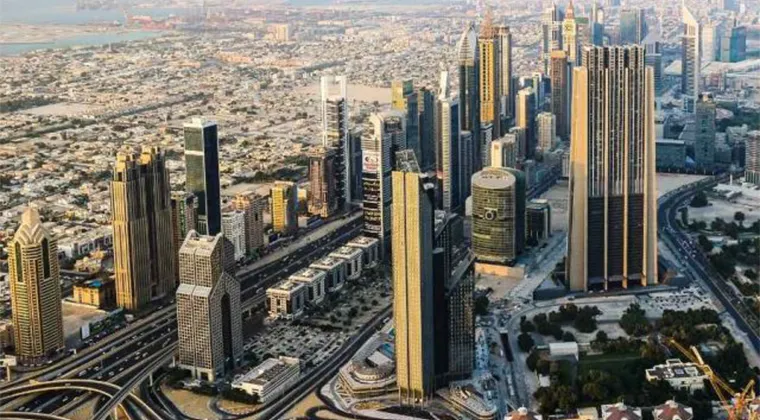
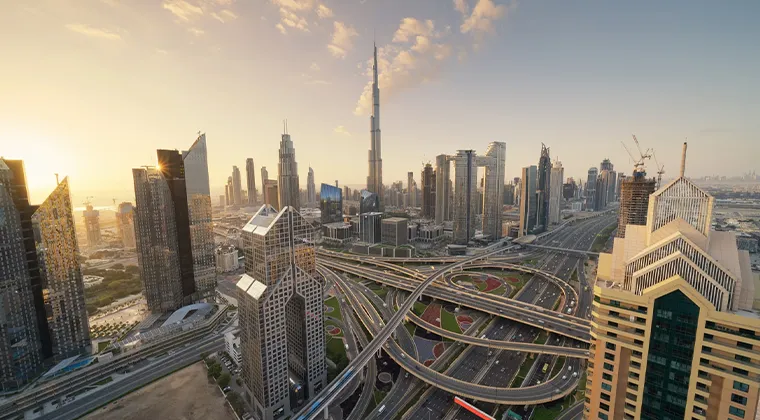
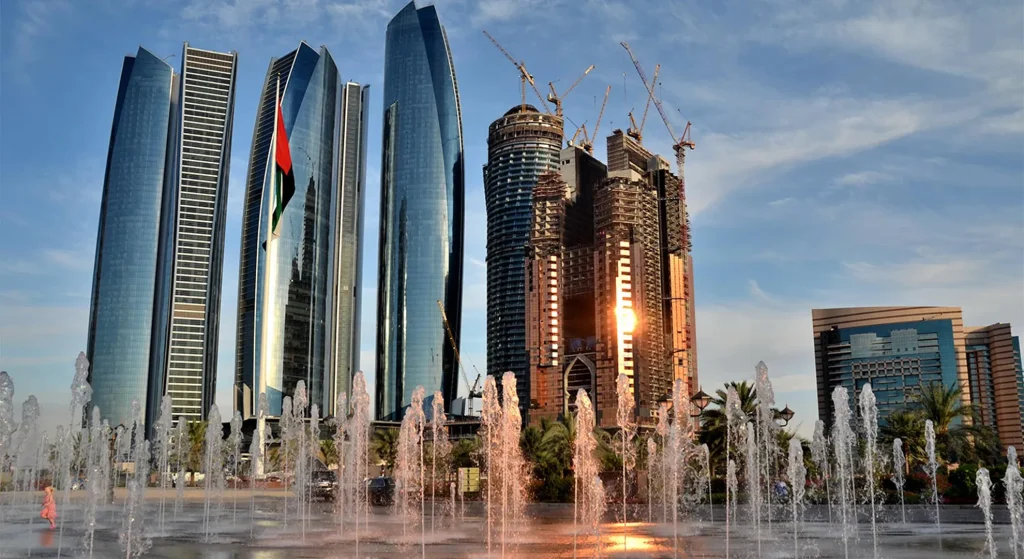
Dubai has strengthened its position as a leading global fintech hub, taking the top spot in the latest international rankings and advancing further among the world’s major financial centres, highlighting the emirate’s growing influence in financial technology and innovation.
Dubai Secures Top Spot Globally for Fintech, Rising Further in International Rankings.
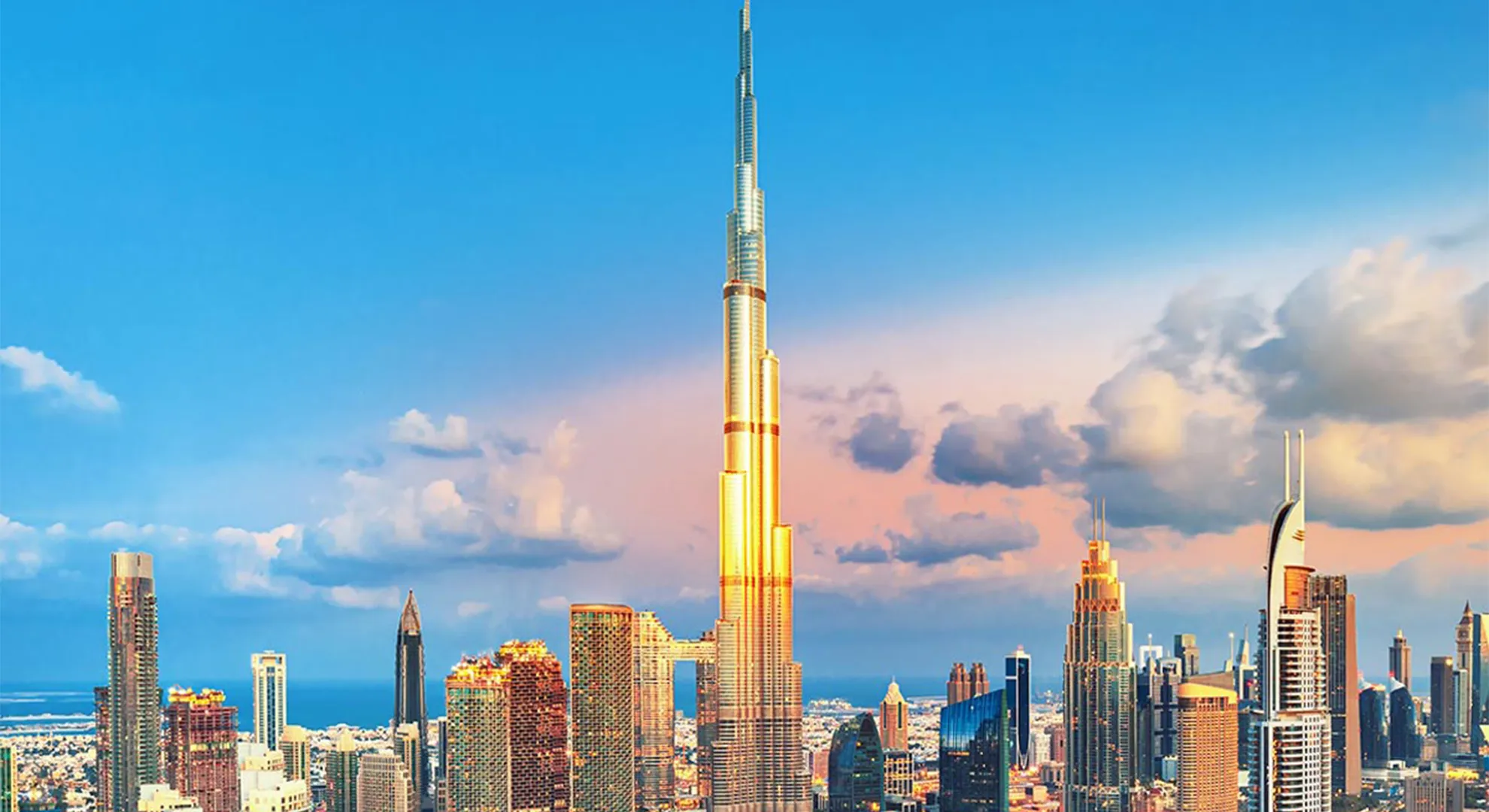
The emirate has also risen to second globally in professional services and sixth in overall reputation, with innovation led by the Dubai International Financial Centre further strengthening Dubai’s position as a major international destination for finance, business and investment.
Dubai Takes Global Fintech Lead as Financial Centre Ranking Highlights Continued Growth
Dubai has strengthened its standing on the international financial stage after being recognised as the world’s leading destination for financial technology, or fintech, in the latest edition of the Global Financial Centres Index.
The ranking reflects assessments from financial professionals around the world and places Dubai at the forefront of the rapidly expanding fintech sector. The emirate’s performance also highlights the growing role of innovation, artificial intelligence and financial technology in shaping its wider financial ecosystem.
Dubai remains the only financial centre from the Middle East, Africa and South Asia, known collectively as the MEASA region, to secure a place among the global top 10 financial centres.
The latest results also show progress in several other areas. Dubai has moved up to second place worldwide in the professional services category, while its international reputation has improved to sixth globally.
The emirate has also maintained its position at the top of the “future potential” category, marking the fourth consecutive GFCI report in which Dubai has been identified as the financial centre expected to gain the greatest significance in the years ahead.
Dubai Maintains a Place Among the World’s Leading Financial Centres
The 40th edition of the Global Financial Centres Index, released on Wednesday, placed Dubai ninth overall among financial centres worldwide.
Although the emirate remained inside the global top 10, its overall position fell by two places compared with the previous edition.
Abu Dhabi, meanwhile, recorded a notable rise, moving from 21st position in the previous ranking to 13th place in the latest report.
At the top of the overall global financial-centre rankings was New York, followed by London, Hong Kong, Singapore, Shanghai and Tokyo.
The results underline the continued importance of established international financial markets while also showing the increasing influence of emerging financial hubs such as Dubai.
For Dubai, its continued presence among the world’s top financial centres reflects the development of its financial infrastructure, regulatory environment, investment ecosystem and technology sector.
Fintech Leadership Drives Dubai’s Global Profile
One of the strongest areas of Dubai’s performance was financial technology.
The emirate was ranked first globally for fintech by international professionals participating in the GFCI assessment.
The growth of this sector has been closely associated with the development of the Dubai International Financial Centre, or DIFC, which has increasingly focused on artificial intelligence, innovation and emerging financial technologies.
DIFC’s efforts to build an environment for fintech companies and technology-driven financial businesses have contributed to Dubai’s expanding reputation as a centre for financial innovation.
The emirate’s rise in fintech comes at a time when financial institutions worldwide are increasingly investing in artificial intelligence, digital banking, blockchain, automation and other technology-driven services.
Dubai has sought to position itself at the centre of that transformation by encouraging technology companies, financial institutions, entrepreneurs and investors to establish operations in the emirate.
Professional Services Ranking Also Improves
Dubai’s performance was not limited to financial technology.
The emirate climbed to second place globally in the professional services category.
Professional services play a significant role in supporting international financial centres because banks, investment firms, insurers, asset managers and multinational companies rely on legal, accounting, consulting, advisory and other specialised services.
Dubai’s improvement in this area reflects the expansion of the wider business infrastructure surrounding its financial sector.
The combination of financial institutions, professional services companies, technology firms and skilled workers has helped create a broader ecosystem for businesses operating from the emirate.
Reputation Ranking Moves Higher
Dubai also improved its position in the GFCI’s reputation category.
The emirate was ranked sixth globally, indicating continued confidence among international financial professionals in Dubai’s financial ecosystem.
Reputation is an important component of a financial centre’s international standing because companies considering where to establish offices or regional headquarters often evaluate factors such as market credibility, regulatory stability, access to talent, infrastructure and the overall business environment.
Dubai’s improved reputation ranking adds to its broader performance across the GFCI categories.
Future Potential Remains a Major Strength
Another notable result was Dubai’s continued dominance of the “future potential” category.
The emirate ranked first in this measure for the fourth consecutive GFCI report.
The category reflects expectations about which financial centres could become increasingly important in the future.
Dubai’s continued presence at the top suggests that international financial professionals see the emirate as having significant potential for further expansion.
Its location between major markets in Asia, Europe and Africa, combined with its established financial infrastructure and growing technology sector, has helped support its ambitions to expand its role in global finance.
DIFC at the Centre of Dubai’s Financial Strategy
The Dubai International Financial Centre has played a central role in the emirate’s financial-sector development.
Essa Kazim, Governor of DIFC, said the latest GFCI results demonstrated the strength of Dubai’s financial ecosystem and reflected the progress made under the Dubai Economic Agenda D33.
According to Kazim, DIFC has contributed to attracting financial institutions, specialised talent and innovative businesses to Dubai.
He also highlighted the importance of the centre’s regulatory and legal framework in creating an environment designed to support long-term financial-sector growth.
DIFC has developed a specialised ecosystem that brings together traditional financial institutions and newer technology-focused businesses.
This combination has allowed Dubai to strengthen its position as both a conventional financial centre and an emerging hub for fintech and artificial intelligence.
Thousands of Companies Operate From DIFC
The scale of DIFC’s business community is another important factor behind Dubai’s financial-sector growth.
The centre currently has 10,018 active firms, including 1,134 regulated entities, according to the figures provided in the latest update.
These regulated businesses cover a wide range of financial activities.
They include 327 banking and capital markets firms, 71 brokerages, 165 insurance and reinsurance companies, and 592 wealth and asset management firms.
The wealth and asset management segment includes more than 100 hedge fund managers, further demonstrating the depth of the financial ecosystem that has developed within DIFC.
The presence of such a diverse range of companies provides businesses with access to financial services, investment expertise and professional support within a single international financial centre.
Growing AI and Fintech Community
Technology has become an increasingly important part of DIFC’s development.
The centre is now home to 1,933 artificial intelligence, fintech and innovation firms, according to the figures provided.
It also connects more than 50,200 professionals working across the financial and technology sectors.
This expanding community has helped position DIFC among the leading fintech hubs internationally.
The concentration of technology businesses alongside banks, investment firms, insurers and asset managers creates opportunities for collaboration between established financial institutions and emerging technology companies.
For Dubai, this ecosystem supports its ambition to remain competitive as financial services become increasingly digital.
Artificial Intelligence Becomes a Strategic Focus
Artificial intelligence has emerged as a major area of focus for Dubai’s financial sector.
Financial institutions are increasingly using AI for areas such as risk management, fraud detection, customer service, investment analysis and automated decision-making.
DIFC’s emphasis on AI and innovation is therefore aligned with a broader transformation taking place across the global financial industry.
By attracting companies involved in AI development and financial technology, Dubai is seeking to ensure that its financial ecosystem remains connected to the latest developments in the sector.
The presence of nearly 2,000 companies working across AI, fintech and innovation demonstrates the scale of this growing community.
DIFC Supports a Broad Financial Ecosystem
The Dubai International Financial Centre is not focused solely on fintech.
Its ecosystem includes banking, capital markets, insurance, wealth management, asset management and other financial activities.
This diversity gives Dubai a broader foundation from which to develop its financial sector.
Traditional financial institutions can operate alongside technology companies, while professional services firms provide legal, accounting and consulting support.
The result is an integrated business environment that can serve both established multinational companies and newer technology-driven enterprises.
Expansion of the Zabeel District
DIFC is also planning a major expansion through its Zabeel District development.
The project covers 17.7 million square feet and is expected to significantly increase the amount of commercial and supporting infrastructure available within the financial centre.
Once developed, the expanded district is expected to accommodate more than 42,000 companies and a workforce of over 125,000 people.
The scale of the project reflects expectations for continued growth in Dubai’s financial and business sectors.
The development is designed to provide space not only for financial companies but also for technology firms, professionals, residents and visitors.
New Offices and Innovation Facilities
The Zabeel District expansion will include a range of facilities intended to support the next stage of DIFC’s development.
The project is expected to feature Grade A office space, providing modern facilities for businesses seeking premium commercial locations.
An expanded Innovation Hub will also form part of the district, strengthening the infrastructure available to startups and technology companies.
An AI campus is planned as another key component of the development.
The campus is expected to reinforce DIFC’s growing focus on artificial intelligence and provide a dedicated environment for businesses and innovators working in the sector.
Expansion of DIFC Academy
The planned district will also include an expanded academy.
Education and professional development are increasingly important to financial centres because businesses require workers with specialised skills in areas such as finance, technology, data science, artificial intelligence and regulation.
The expanded academy is expected to contribute to the development of Dubai’s financial talent base and support the needs of companies operating within the DIFC ecosystem.
This focus on skills development complements the centre’s efforts to attract international professionals and businesses.
Residential and Hospitality Components
The Zabeel District will not be limited to offices and commercial facilities.
The planned development will also include residential and hospitality projects.
These elements are intended to create a more integrated environment in which professionals can work, live and access services within the same wider district.
The addition of residential and hospitality facilities can also support Dubai’s broader strategy of creating internationally competitive business districts.
For financial institutions and multinational companies, access to high-quality accommodation and services is an important consideration when relocating employees or establishing regional operations.
Museum of Digital Art Planned
One of the more distinctive elements of the Zabeel District expansion is the planned Museum of Digital Art.
The facility is expected to become the region’s first museum dedicated specifically to digital art and technology.
Its inclusion reflects the wider connection between Dubai’s financial ambitions and its focus on innovation.
Digital art, technology and artificial intelligence are increasingly interconnected, and the museum could provide another platform for showcasing developments in the digital economy.
The project is also intended to add a cultural dimension to the financial district, creating a destination that extends beyond offices and corporate facilities.
GFCI Methodology
The Global Financial Centres Index is produced by London-based consultancy Z/Yen in partnership with the China Development Institute.
The latest edition was based on 39,531 assessments submitted by financial industry professionals from around the world.
The rankings also incorporated 143 instrumental factors covering different aspects of financial-centre performance.
These factors are used alongside professional assessments to produce the overall rankings.
The methodology means that the GFCI provides a broad view of how financial professionals perceive cities and the conditions available to businesses operating within them.
Dubai’s Place Within the MEASA Region
Dubai’s continued presence in the global top 10 is particularly notable within the MEASA region.
The emirate remains the only financial centre from the Middle East, Africa and South Asia to appear among the top 10 in the latest index.
This gives Dubai a distinctive position within a region containing a large and rapidly developing collection of economies.
Dubai has spent years developing its infrastructure as a regional centre for finance, investment and business.
Its geographic position allows companies to connect with markets across Asia, Europe, Africa and the Middle East.
Abu Dhabi Also Records Significant Growth
While Dubai remained in the global top 10, Abu Dhabi recorded one of the most notable improvements in the latest edition.
The UAE capital moved from 21st place to 13th place in the global financial-centre rankings.
The rise places both major UAE financial centres among the leading financial destinations internationally.
Dubai and Abu Dhabi have developed distinct financial ecosystems, with both cities attracting financial institutions, investment firms and international businesses.
The combined performance of the two emirates highlights the growing importance of the UAE within the international financial system.
Global Leaders Maintain Strong Positions
The latest GFCI ranking also showed the continued strength of the world’s established financial centres.
New York remained at the top of the global ranking, followed by London.
Hong Kong occupied third place, with Singapore, Shanghai and Tokyo completing the next positions.
These cities remain major centres for banking, investment, capital markets and international business.
Dubai’s ninth-place ranking places it alongside these established financial hubs while demonstrating the progress it has made in developing its own financial ecosystem.
Technology Is Reshaping Financial Centres
The latest results also highlight the increasing importance of technology to the competitiveness of financial centres.
Traditional strengths such as banking, capital markets and asset management remain important, but financial institutions are increasingly looking for locations with strong digital infrastructure and access to technology talent.
Dubai’s leadership in fintech and growing emphasis on artificial intelligence reflect this change.
DIFC’s investment in innovation-focused infrastructure is designed to position the emirate for a financial sector in which technology plays an increasingly central role.
Attracting International Talent
The ability to attract skilled professionals is another important component of Dubai’s financial strategy.
With more than 50,200 professionals connected to the DIFC ecosystem, the centre has developed a sizeable pool of financial and technology expertise.
International businesses often consider access to talent when deciding where to establish regional headquarters or expand existing operations.
Dubai’s international population and business infrastructure have helped it build an environment capable of attracting professionals from multiple markets.
The continued expansion of DIFC is expected to create additional demand for specialised talent in finance, technology, consulting and other professional services.
Building the Next Generation of Financial Infrastructure
The planned Zabeel District expansion represents another step in Dubai’s efforts to prepare for future growth.
With capacity for tens of thousands of companies and more than 125,000 workers, the development is intended to provide additional infrastructure for businesses as the financial ecosystem expands.
The combination of office space, innovation facilities, an AI campus, educational infrastructure, residential projects and cultural attractions is designed to create a comprehensive business environment.
Such developments are consistent with Dubai’s broader strategy of combining financial services with technology, innovation and lifestyle infrastructure.
Dubai’s Financial Ambitions Continue
The latest GFCI results provide several indicators of Dubai’s growing international financial profile.
The emirate has been recognised as the world’s leading fintech centre, ranked second for professional services and placed sixth for reputation.
It has also retained the top position for future potential for a fourth consecutive report.
Although Dubai’s overall ranking slipped to ninth, it remains within the global top 10 financial centres.
The performance of DIFC, particularly in fintech, artificial intelligence and innovation, remains an important part of the emirate‘s financial strategy.
With thousands of companies already operating within the centre and major expansion plans underway, Dubai is continuing to develop the infrastructure needed to support future growth.
The Zabeel District project, meanwhile, is expected to add significant capacity through new offices, innovation facilities, AI infrastructure, education, residential developments and hospitality offerings.
As financial technology continues to reshape the global industry, Dubai is seeking to strengthen its role not only as a regional financial centre but also as an international destination for fintech, artificial intelligence, investment and financial services.
The latest GFCI findings suggest that the emirate’s efforts to combine finance with technology and innovation are becoming an increasingly prominent part of its global financial identity.