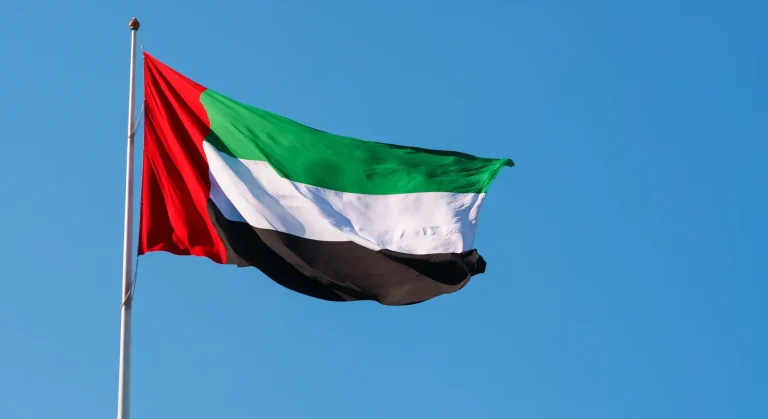
Suhail Star’s expected appearance on August 24 is being viewed as a seasonal milestone in the UAE, traditionally signalling the gradual retreat of intense summer heat and the approach of cooler temperatures in the months ahead.
UAE Weather Watch: Suhail Star’s Arrival on August 24 Points to Cooler Months Ahead.
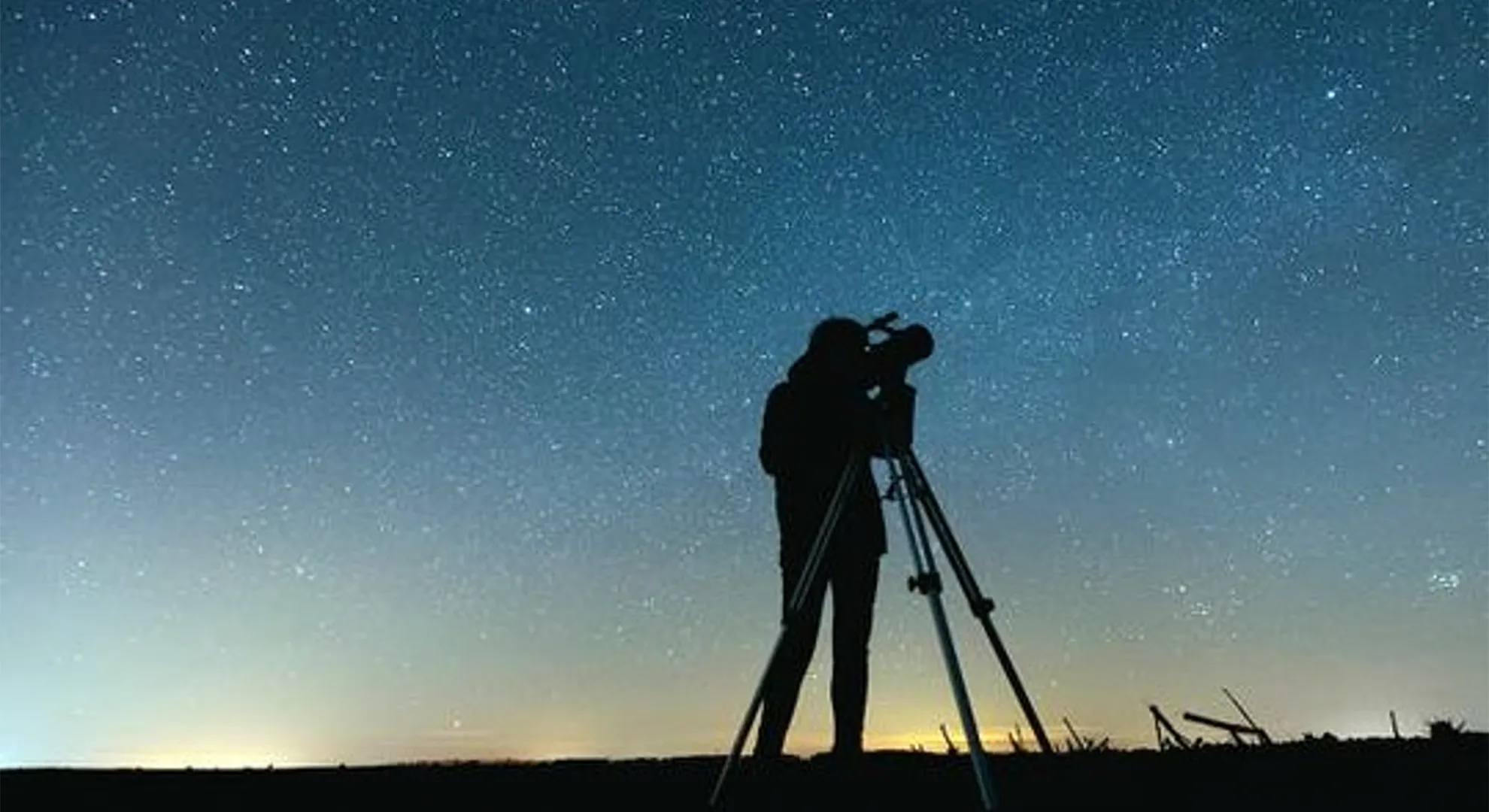
Suhail Star’s expected appearance on August 24 is being viewed as a seasonal milestone in the UAE, traditionally signalling the gradual retreat of intense summer heat and the approach of cooler temperatures in the months ahead.
Suhail Star’s Arrival Signals a Gradual Shift Away From UAE Summer Heat
The appearance of the Suhail star in the UAE sky on August 24 is traditionally regarded as an important seasonal marker. For generations, people across the Arabian Peninsula have looked forward to its arrival, associating the star’s appearance with the gradual end of the most severe phase of summer and the beginning of a slow transition towards more moderate weather.
Suhail, known astronomically as Canopus, has long held a special place in regional culture and traditional weather observations. Its annual appearance has historically helped communities recognize changes in the season, particularly before modern forecasting systems and weather technology became widely available.
The timing of Suhail’s rise is especially significant for UAE residents after months of intense summer conditions. The country experiences extremely high temperatures during the peak of summer, with temperatures occasionally reaching or exceeding 50°C in some areas. As August progresses, many residents begin watching for signs that the most intense period of heat is gradually coming to an end.
According to Ibrahim Al Jarwan, chairman of the Emirates Astronomy Society, the appearance of Suhail marks the beginning of a transitional period that lasts roughly 40 days. This phase is traditionally known as Sufriya and represents a gradual change from the extreme conditions of peak summer towards more tolerable weather.
The arrival of the star does not mean that temperatures immediately become cool. Instead, it is considered an early indicator of a broader seasonal transition. The UAE can continue to experience very hot and humid conditions for some time after Suhail becomes visible, particularly during the daytime.
The significance of Suhail therefore lies more in the overall pattern it represents than in an immediate change in the weather.
For generations, people in the region have observed the relationship between the star’s appearance and seasonal changes. This traditional knowledge became part of local culture and was passed down through sayings, observations and stories.
One well-known Arab expression associated with Suhail suggests that when the star appears, nighttime temperatures begin to become cooler. The saying reflects the experience of earlier generations, who noticed that the arrival of Suhail generally coincided with the gradual shortening of the period of extreme summer heat.
But how much truth is there behind this traditional belief?
The answer is more complicated than simply saying that the star itself causes temperatures to fall. Suhail does not influence the weather. Its appearance is instead connected to the Earth’s movement around the Sun and the changing position of stars in the night sky throughout the year.
Because Suhail appears around the same time each year, its visibility has historically coincided with a seasonal shift in weather conditions. This makes it a useful traditional marker for recognizing the changing season.
Modern meteorology provides a more detailed explanation of why temperatures gradually begin to change after the peak of summer. As the calendar moves towards autumn, solar conditions change, and the overall pattern of heat begins to shift.
However, the transition is gradual rather than immediate.
Residents should not expect the UAE’s daytime temperatures to drop sharply as soon as Suhail becomes visible. August remains one of the hottest periods of the year, and high humidity can continue to make conditions feel particularly uncomfortable.
The change is usually more noticeable over time, especially during the night and early morning. As the season progresses, the difference between daytime and nighttime conditions can become more apparent.
This gradual transition is consistent with the traditional concept of Sufriya. The period is viewed as a bridge between the peak of summer and the more comfortable conditions that eventually arrive later in the year.
For people living in the UAE, the arrival of Suhail has therefore become a cultural and seasonal event. It provides a familiar reference point for anticipating the gradual improvement in weather, even though modern residents have access to far more precise forecasting tools.
The star’s importance extends beyond astronomy. Its appearance has historically been connected with agricultural activities, travel, outdoor work and other aspects of life in the region. Before modern air conditioning, weather forecasting and satellite technology, recognizing seasonal patterns was essential for communities living in the Arabian Peninsula.
Suhail provided one of several natural indicators that people could use to understand changes in their environment.
Today, residents can rely on weather stations, satellite observations and numerical forecasts to monitor temperatures and humidity. Nevertheless, the traditional association between Suhail and the end of peak summer remains deeply rooted in regional culture.
Its arrival can also create a sense of anticipation among residents who have spent weeks dealing with extreme heat.
After a summer in which temperatures have reached exceptionally high levels, even the prospect of gradual relief can be welcome. However, the appearance of Suhail should not be interpreted as a guarantee that hot weather has immediately ended.
Instead, it signals that the seasonal cycle is moving towards a different phase.
The transition can take several weeks, and weather conditions can vary considerably from one day to another. Some days may remain extremely hot, while others may begin to feel slightly more comfortable, particularly during nighttime hours.
Humidity is another important factor. Even when air temperatures begin to decline gradually, high humidity can continue to make outdoor conditions feel oppressive.
Therefore, residents should continue following official weather forecasts and heat-safety advice rather than relying solely on the appearance of Suhail when making decisions about outdoor activities.
The traditional saying about cooler nights captures one aspect of the transition, but it should be understood as a cultural observation rather than a precise weather forecast.
Suhail’s arrival is best viewed as a seasonal milestone.
The star’s visibility has been used for centuries as a natural calendar marker, helping people recognize where they are within the annual cycle. Its expected appearance around August 24 provides a reference point for the gradual movement away from the most intense period of summer.
As September approaches, the weather typically begins a slow transition, although significant heat can remain. The more noticeable improvement generally comes later as the UAE moves deeper into the autumn months.
For many residents, this makes Suhail’s arrival symbolic rather than immediately practical. It represents the promise of more comfortable conditions to come rather than an instant end to summer.
The tradition also demonstrates how astronomy and everyday life were closely connected in the past. People did not need sophisticated equipment to recognize seasonal changes. By observing the sky and tracking recurring celestial events, communities could develop an understanding of annual weather patterns.
Suhail became one of the most recognizable astronomical markers in this system.
Its expected appearance on August 24 continues that tradition in a modern setting. Although people today have access to highly advanced forecasting technology, the annual arrival of the star remains an event of cultural interest.
For UAE residents, the message is therefore one of gradual change rather than immediate cooling.
The arrival of Suhail may indicate that the peak of summer is beginning to pass, but the heat does not disappear overnight. Daytime temperatures can remain high, and residents should still take appropriate precautions when spending time outdoors.
Over the following weeks, however, seasonal conditions are expected to move progressively towards the more pleasant weather associated with autumn.
This is why the traditional saying about Suhail has continued to resonate across generations. It captures the idea that the appearance of the star coincides with the beginning of a long-awaited transition.
While the star itself does not cause temperatures to fall, its regular seasonal appearance occurs around the same period when weather patterns begin their gradual shift.
In that sense, the ancient observation has a real seasonal basis, even though modern science explains the phenomenon differently.
Suhail is therefore both an astronomical object and a cultural symbol. Its appearance connects traditional knowledge with the seasonal cycle and gives residents a familiar indication that the harshest part of summer is gradually moving behind them.
For those hoping for cooler weather, August 24 marks the beginning of a countdown rather than an immediate change in conditions. The following weeks are expected to bring a gradual transition, with more noticeable relief developing as the UAE moves further into the autumn season.
Until then, residents should continue to expect hot conditions, particularly during the afternoon, while keeping an eye on official weather updates.
The arrival of Suhail ultimately represents the changing rhythm of the year. Its appearance may not deliver instant relief from the UAE’s summer heat, but it has long served as a sign that the season is beginning to turn.
After months of extreme temperatures, that symbolic milestone remains a welcome one for many residents, marking the gradual approach of cooler nights and more comfortable conditions in the weeks ahead.
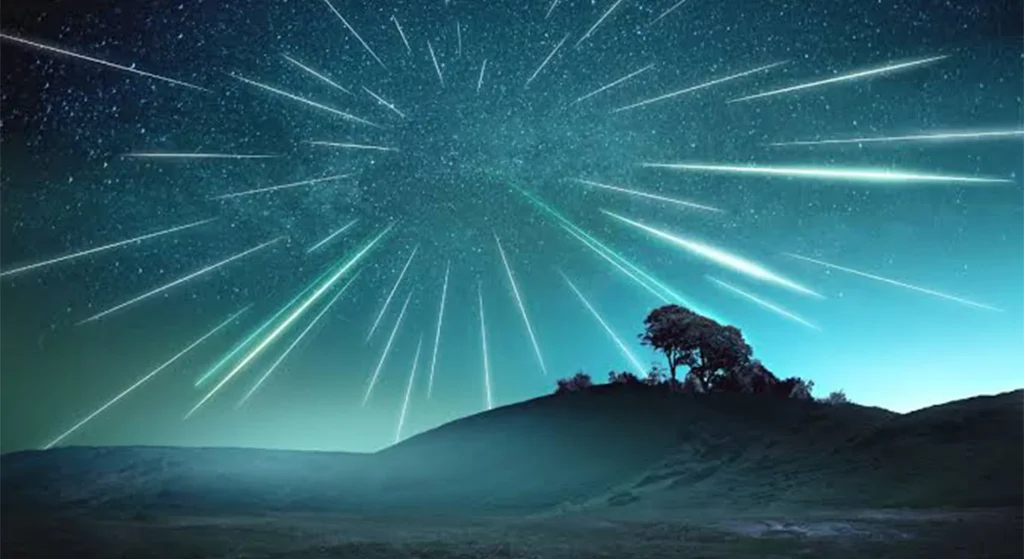
Does the Appearance of Suhail Really Bring Cooler Weather?
The arrival of Suhail is often associated with the end of the UAE’s harshest summer conditions, but the star itself does not cause temperatures to decline. Its appearance is a marker of the time of year rather than a force that directly influences the Earth’s atmosphere.
Suhail, widely known in astronomy as Canopus, is an extremely distant star located roughly 300 light-years from Earth. Because of that enormous distance, its appearance in the UAE’s night sky has no physical effect on local temperatures, humidity, winds or other weather conditions.
Instead, the connection between Suhail and cooler weather comes from the fact that its annual appearance happens around the same period when the region begins moving gradually away from the peak of summer.
Professor Hamid Al Naimiy, general director of the Sharjah Academy for Astronomy, Space Sciences and Technology, has previously explained that Suhail itself has no role in changing the weather. Its importance comes from its timing, as its appearance happens to coincide with the beginning of a seasonal transition.
In other words, Suhail can be thought of as a celestial calendar marker. It does not bring an end to summer, but its appearance tells observers that the annual cycle has reached a stage when the most intense period of summer is beginning to ease.
This distinction is important because residents should not expect an immediate change in conditions simply because Suhail becomes visible.
Cooler Weather Does Not Arrive Overnight
The appearance of Suhail around August 24 does not mean that the UAE will suddenly experience autumn-like temperatures the following day.
August remains an exceptionally hot month in the country, and temperatures can continue to remain very high even after the star has appeared. September can also bring significant heat, particularly during the afternoon.
The seasonal change happens gradually.
Ibrahim Al Jarwan, chairman of the Emirates Astronomy Society, has previously compared the process to a cooking pot that remains hot even after the flame underneath it has been turned off. The source of intense heating may begin to weaken, but the accumulated heat does not disappear immediately.
The analogy helps explain why residents can continue experiencing high temperatures for weeks after Suhail becomes visible.
The reduction in summer intensity takes time, and the atmosphere and surrounding environment retain considerable heat. Consequently, the difference between peak summer and the cooler months becomes noticeable gradually rather than through a sudden drop in temperatures.
For residents, the first signs of change may be more noticeable during the nighttime hours.
This is reflected in the traditional Arab saying associated with Suhail, which refers specifically to cooler nights after the star appears. The saying does not suggest that the extreme summer heat disappears instantly. Instead, it points to the gradual improvement that begins during the latter part of summer.
The 40-Day Sufriya Transition
Following the appearance of Suhail, traditional seasonal calculations identify a roughly 40-day transitional phase known as Sufriya.
This period represents the gradual movement from the most intense summer conditions towards a more moderate season. It is not a precise guarantee that temperatures will decline by a particular amount every day. Rather, it describes a broader seasonal pattern that has been observed over generations.
Weather can continue to fluctuate throughout Sufriya. Some days may remain extremely hot, while nighttime conditions may slowly become more comfortable.
The transition is therefore better understood as a trend than a sudden event.
As the weeks pass, the influence of peak summer gradually weakens. By around the middle of October, traditional seasonal observations identify the beginning of the Wasm period, when weather conditions are generally expected to become more settled and suitable for cooler-season activities.
Even then, winter does not arrive immediately.
The UAE’s cooler winter conditions develop later, meaning residents should not interpret Suhail’s appearance as the beginning of winter. Instead, it marks one of the earliest traditional signs that the country is moving away from the peak summer period.
Why Was Suhail Important to Earlier Generations?
The importance of Suhail becomes easier to understand when considering how people predicted seasonal changes before modern meteorological technology existed.
Today, residents can access weather forecasts through smartphones, weather stations, satellites and sophisticated computer models. Forecasts can provide information about expected temperatures, humidity, rainfall, wind conditions and other atmospheric changes.
Earlier communities did not have those tools.
Instead, people depended heavily on their observations of the natural environment. They watched the sky, monitored changes in wind and temperature, observed clouds and rainfall patterns and paid attention to recurring astronomical events.
Stars offered one particularly useful advantage: regularity.
Weather conditions can vary significantly from one year to another. Rain may arrive earlier or later, winds can change direction, and temperatures can fluctuate unexpectedly.
The movement and visibility of stars, however, follow highly predictable astronomical patterns.
Because celestial events occur according to recurring cycles, communities could use prominent stars as reference points for different periods of the year.
Over generations, people could observe that the appearance of a particular star often occurred around the same time as certain environmental changes.
Suhail became one of the most important examples of this tradition across Arabia.
Its annual appearance provided people with a recognizable signal that the calendar had reached a particular point in the seasonal cycle.
Astronomy as a Traditional Calendar
Long before digital calendars became part of everyday life, the night sky served as a natural reference system.
People across the Arabian Peninsula developed detailed knowledge of the stars and their movements. This knowledge was not simply about identifying objects in the sky. It could also be connected to practical matters such as travel, agriculture, weather expectations and changes in the environment.
Suhail was particularly significant because of its timing and visibility.
When generations of observers repeatedly noticed that its appearance coincided with a gradual change in weather conditions, the star naturally became associated with that transition.
This does not mean traditional observers believed the star physically controlled the weather in the modern scientific sense.
Rather, they recognized a recurring relationship between a celestial event and seasonal conditions.
That relationship could then be passed from one generation to the next through sayings, stories and observations.
The famous expression about Suhail and cooler nights is an example of this process. A complicated seasonal pattern was condensed into a simple phrase that could be easily remembered and shared.
Why the Tradition Still Matters Today
Modern science has changed the way people understand weather, but traditional seasonal markers continue to have cultural importance.
For UAE residents, Suhail’s arrival is now less about predicting the weather and more about recognizing a familiar part of the region’s heritage.
The star provides a connection between modern life and the observations made by earlier generations.
Its appearance also gives people a useful reminder that the UAE’s long summer is eventually approaching a transition.
Even though meteorologists do not use Suhail itself as a mechanism for predicting temperature changes, its appearance remains an interesting astronomical event that occurs at approximately the same point in the annual seasonal cycle.
The distinction between correlation and causation is important.
Suhail appears, and the weather gradually begins to change around the same general period. But the star is not responsible for the change.
Its visibility is simply an astronomical event that happens to coincide with the Earth’s progression through its yearly cycle.
What Residents Should Expect After August 24
Residents should therefore avoid expecting an immediate cooling trend on the day after Suhail appears.
The UAE can remain extremely hot throughout late August and into September. High humidity can also continue to make conditions feel particularly uncomfortable, especially in coastal areas.
The transition is gradual, and daily weather conditions can vary.
Nighttime conditions may begin to show signs of improvement before daytime temperatures change significantly. Over time, the difference becomes more noticeable as the country moves deeper into the autumn season.
This explains why traditional observations focused on the night.
The expression that Suhail brings cooler nights is consistent with the idea of a gradual transition rather than a sudden end to summer.
For outdoor activities, residents should continue to follow official weather forecasts and heat-safety guidance even after Suhail becomes visible.
The star should not be treated as an indication that extreme heat has immediately disappeared.
A Seasonal Marker, Not a Weather Machine
Ultimately, Suhail is best understood as a natural timekeeper in the sky.
Its appearance does not switch off the UAE’s summer heat, lower humidity or alter atmospheric conditions. Instead, it appears at a point in the year when the region is naturally beginning its gradual movement away from peak summer.
That is why the star has remained important for so long.
For earlier generations, it offered a dependable astronomical reference in a world where weather forecasts were unavailable. For people today, it provides a fascinating link to traditional knowledge while also marking a familiar stage in the annual cycle.
The arrival of Suhail around August 24 can therefore be viewed as the beginning of a transition rather than the arrival of immediate cool weather.
The roughly 40-day Sufriya period that follows is traditionally associated with this gradual change. Temperatures may remain high, but the intensity of summer slowly begins to weaken, particularly during the night.
By the time the UAE moves further into autumn, weather conditions generally become more comfortable, paving the way for the cooler months that residents eagerly anticipate.
So, does Suhail actually make temperatures fall?
No.
The star has no physical influence over the UAE’s weather. What it does provide is something equally fascinating: a highly predictable celestial signal that has, for generations, helped people recognize where they are in the annual cycle.
Its appearance does not mean summer is suddenly over. Instead, it tells us that the season is beginning to turn—and that the long-awaited cooler period is gradually getting closer.
How Suhail Once Served as a Natural Calendar and Weather Guide in the UAE
Long before smartphones, weather applications and modern forecasting systems became part of everyday life, people in the UAE relied on observations of the sky and the natural environment to understand the changing seasons. Among the most important celestial markers was Suhail, the star known internationally as Canopus.
For generations, the appearance and movement of Suhail played an important role in traditional knowledge across the Arabian Peninsula. Its significance went far beyond astronomy. People associated the star with changes in weather, seasonal activities, farming, fishing, travel and wildlife.
In the UAE, observations of Suhail became closely connected with an old astronomical system known as Al Duroor. This traditional calendar divided the year into 36 separate periods, each lasting approximately ten days. Every period was associated with particular astronomical observations and expected environmental conditions.
The system effectively created a traditional way of organizing the year according to what people could see in the sky and observe in their surroundings.
Without access to modern weather forecasts, communities had to depend on recurring patterns to determine when particular activities were most suitable. The position and appearance of stars provided valuable reference points because their movements followed predictable cycles.
Al Duroor incorporated this knowledge into a practical seasonal system. It helped people recognize periods associated with cultivation, harvesting, changes in wind direction, rainfall expectations, fishing activity and the breeding or movement of fish.
The system also recorded information connected with the migration of birds, including both land-based and marine species.
Suhail was an important reference within these calculations. Its appearance helped mark a particular stage in the traditional calendar and indicated that the environment was entering a different seasonal phase.
A Traditional System Built Around the Sky
The importance of Al Duroor demonstrates how closely astronomy was once connected with everyday life in the UAE.
Today, people can check a weather application within seconds to see forecasts for temperature, wind, humidity and rainfall. Earlier generations had no such technology. Instead, they developed an extensive understanding of the natural world by carefully observing recurring changes.
The night sky was one of their most dependable reference points.
Stars could be observed from almost anywhere, and their recurring appearances helped communities establish a sense of time and season. By combining celestial observations with knowledge of wind, sea conditions, plants and animals, people developed a detailed understanding of the environment around them.
Suhail became particularly important because its appearance occurred around a period associated with the gradual transition away from the most intense summer heat.
Its significance was therefore both astronomical and practical.
Helping Farmers Understand the Seasons
Agriculture was one area in which this traditional knowledge could be especially valuable.
Farmers needed to understand seasonal conditions to determine when cultivation and harvesting activities were most appropriate. Without modern agricultural forecasts, they had to rely on accumulated experience and environmental signs.
The Al Duroor system provided a framework for interpreting these seasonal changes.
By observing stars such as Suhail alongside other natural indicators, people could estimate when particular stages of the agricultural cycle were approaching.
The calendar could help communities organize activities related to planting, cultivation and harvesting. It also provided information about expected environmental conditions that could affect agricultural work.
The knowledge was not based on a single observation. Instead, it represented information accumulated and refined over generations.
This made the traditional calendar an important repository of local environmental knowledge.
A Guide for Fishermen and Sailors
The relationship between the stars and the sea was equally important.
For communities whose livelihoods depended on fishing and maritime activity, understanding seasonal changes in the sea was essential.
Fishermen and sailors could observe celestial bodies to help understand where they were in the annual cycle. The traditional system also incorporated information about maritime conditions, winds, tides and the seasonal behaviour of marine life.
The appearance of particular stars could therefore provide a reference for anticipating changes in conditions at sea.
This knowledge was particularly valuable at a time when modern navigation equipment, satellite systems and detailed marine forecasts did not exist.
The stars were visible natural markers that could be used alongside practical experience.
Suhail consequently became part of a much larger body of traditional maritime knowledge that connected the sky with the sea.
Tracking Birds and Wildlife
The traditional calendar was not limited to agriculture and fishing.
Seasonal observations also helped people understand the movement of birds and other wildlife.
The arrival and departure of migratory species can be linked to seasonal environmental changes. Earlier communities observed these patterns closely and incorporated them into their understanding of the year.
Suhail and other astronomical markers could therefore form part of a broader system for recognizing when certain birds were likely to appear or move through the region.
This knowledge was useful for communities involved in activities such as falconry and hunting.
The seasonal cycle was also associated with preparations for the movement of birds of prey and other wildlife.
Suhail and the Date Harvest
The traditional knowledge surrounding Suhail was also linked to the agricultural cycle of date palms.
Dates have historically played an important role in the culture and economy of the UAE and wider Arabian Peninsula. Their cultivation and harvesting required an understanding of seasonal conditions.
Observing the changing sky provided farmers with another way of tracking the progress of the year.
The appearance of Suhail became associated with particular stages of the date-growing cycle and other agricultural activities.
This demonstrates why the star was regarded as much more than an astronomical object. Its appearance had practical meaning for people whose livelihoods depended on understanding the seasonal environment.
Preserving the Knowledge Today
Although modern technology has transformed the way people monitor weather and seasons, traditional knowledge about Suhail and Al Duroor continues to be preserved in the UAE.
The Sheikh Zayed Grand Mosque Centre has established a specialized committee dedicated to monitoring and documenting Suhail. The initiative reflects the star’s importance not only to traditional heritage but also to astronomy and meteorology.
The work involves cooperation with organizations and specialists connected to weather observation and astronomy, including the National Centre of Meteorology, the Sharjah Academy for Astronomy, Space Sciences and Technology, the Emirates Astronomy Society and the International Astronomical Centre.
Such efforts help ensure that traditional knowledge is documented rather than lost as modern technology replaces many of the practical functions once served by astronomical observation.
The centre has also published material covering Duroor and Tawali’, documenting information about seasonal cycles, the appearance of stars, prevailing winds, maritime conditions, lunar phases and tides.
Heritage programmes also continue to highlight the traditional practice of observing Suhail.
This allows younger generations to understand how earlier communities used the natural environment to organize their lives.
From the Night Sky to Modern Technology
The contrast between traditional and modern weather forecasting is striking.
Today, satellites continuously monitor atmospheric conditions. Weather stations collect temperature, pressure, wind and humidity data, while sophisticated computer models analyze enormous quantities of information to generate forecasts.
People can access this information instantly through smartphones and digital platforms.
Earlier generations had none of these resources.
Their forecasting system was based on observation, experience and repetition.
They watched the stars.
They monitored winds.
They studied the sea.
They observed animals and birds.
They paid attention to the growth of plants and crops.
Over time, these observations became organized into systems such as Al Duroor.
The result was a practical understanding of seasonal change that could guide important decisions.
More Than a Star in the Sky
Suhail’s importance therefore comes from the role it played within this wider network of traditional knowledge.
Its appearance could signal a change in the seasonal cycle. That information could then be connected to agricultural work, maritime activities, travel, wildlife movements and other aspects of daily life.
For people travelling across the desert, knowledge of the seasons could help determine appropriate periods for journeys and grazing.
For farmers, it could provide guidance about cultivation and harvesting.
For fishermen, it offered another reference for understanding seasonal changes at sea.
For those involved in falconry, hunting and wildlife observation, it could help identify periods associated with bird migration.
The star was therefore part of a practical environmental system.
A Natural Calendar Before Digital Calendars
In many ways, Suhail functioned as a natural calendar.
It did not provide precise numerical forecasts in the way a modern weather application does. Instead, it offered a recurring celestial reference that helped people recognize where they were within the seasonal cycle.
The reliability of the stars was particularly valuable.
Weather could change unexpectedly, but the annual appearance of prominent stars followed predictable astronomical patterns. By connecting those patterns with observed environmental changes, communities could build a detailed seasonal understanding over generations.
This explains why astronomical knowledge became deeply embedded in traditional Arabian culture.
The knowledge was not simply theoretical. It could influence decisions about work, travel, food production and life at sea.
The Legacy of Suhail
Today, Suhail’s appearance is often discussed as a sign that the UAE’s peak summer heat is gradually beginning to ease. But its historical significance is much broader.
For centuries, the star was part of a traditional system that helped people make sense of their environment.
Al Duroor transformed astronomical observations into a practical seasonal framework. Suhail served as one of its most recognizable markers, connecting the movements of the heavens with changes occurring on land and in the sea.
Modern science has replaced many of these functions with highly accurate forecasting and monitoring systems, but the traditional knowledge remains an important part of the UAE’s cultural heritage.
The continued documentation of Al Duroor and the observation of Suhail show how the country is preserving this connection between astronomy, environment and everyday life.
For modern residents, seeing Suhail rise may simply signal that cooler months are approaching. For earlier generations, however, its appearance could carry much greater practical significance.
It could help answer questions about when to plant, when to harvest, when to sail, when to fish, when to travel and when to expect changes in wildlife.
In that sense, Suhail once served as something remarkably close to a calendar, seasonal guide and natural forecasting system all at once.
Modern UAE residents have satellites, weather stations and digital forecasts at their fingertips. Their ancestors had something much simpler but equally fascinating: generations of carefully preserved observations—and the ability to look up at the night sky and understand what it was telling them.