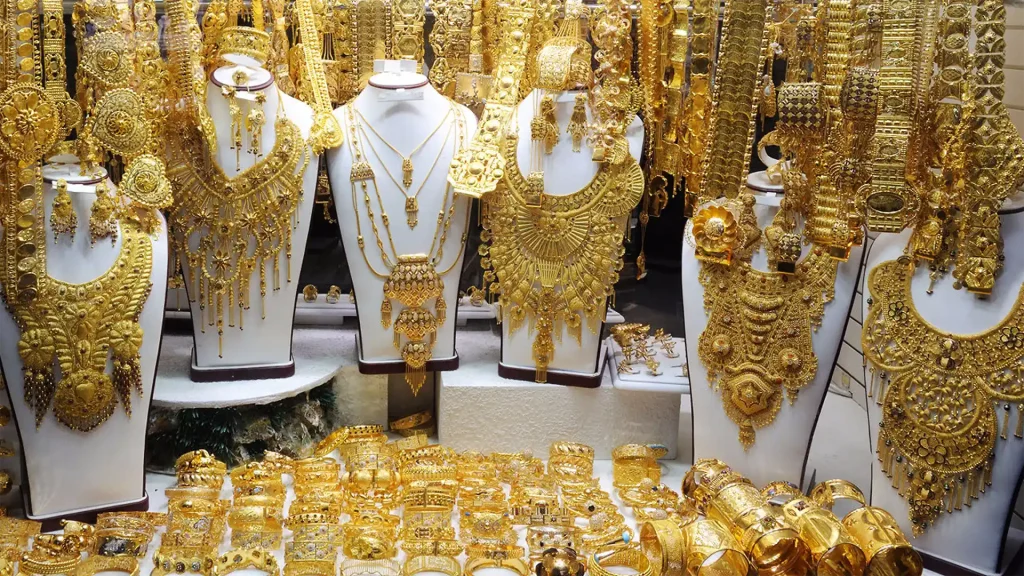
Gold jewellery buying in the UAE witnessed a significant decline during the second quarter, with demand falling by 28% as ongoing Middle East tensions made consumers more cautious about spending.
UAE Gold Jewellery Purchases Slide 28% During Q2 Following Middle East Instability.
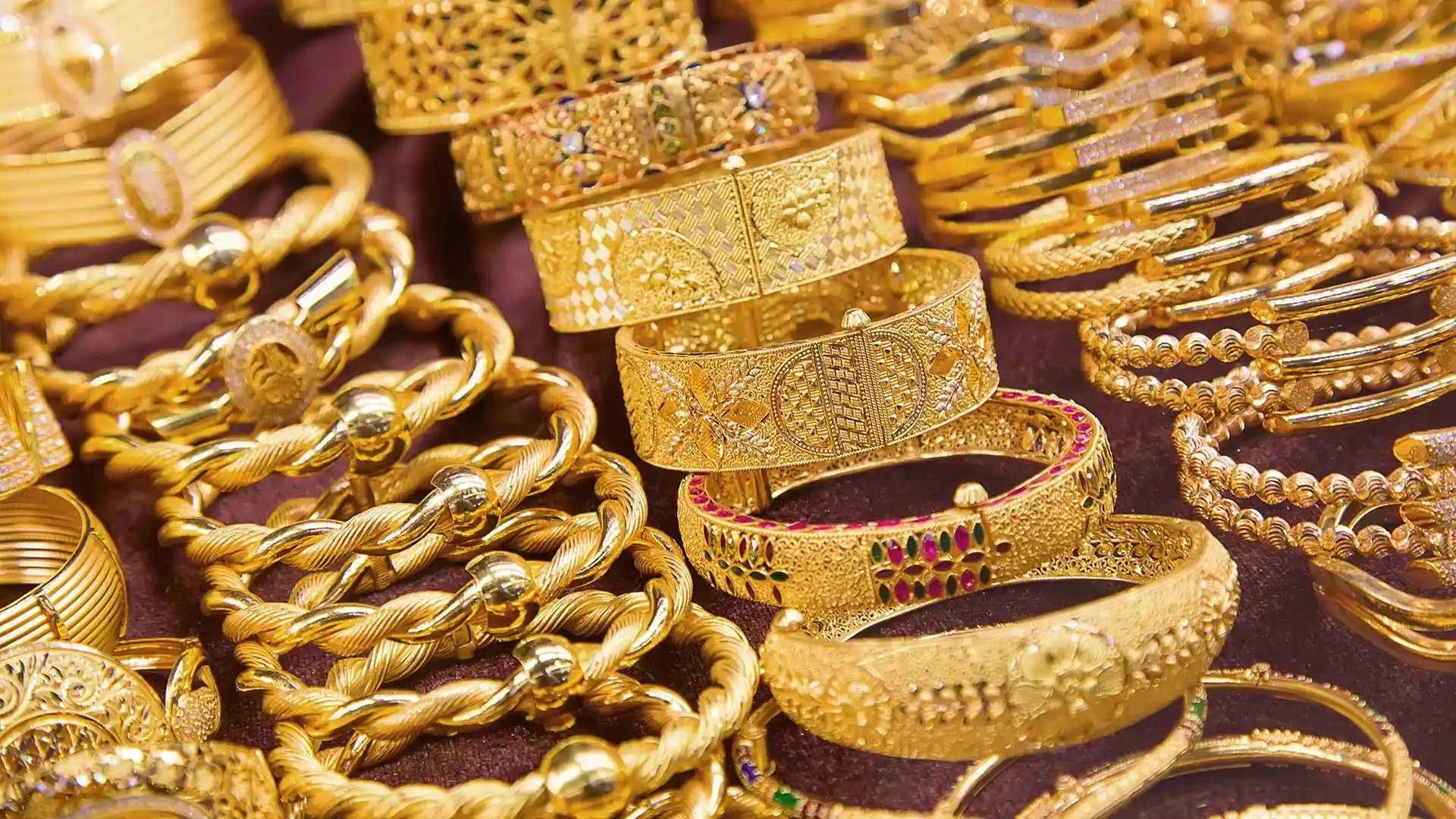
Gold prices have moved downward since the outbreak of the Middle East conflict, as higher oil costs have increased concerns over inflation pressures in the US economy.
UAE Gold Market Sees Mixed Trends as Jewellery Demand Weakens While Investment Buying Grows
The UAE gold market experienced contrasting trends during the second quarter of 2026, with jewellery purchases declining compared with the previous year while demand for gold bars and coins increased significantly.
According to data from the World Gold Council, jewellery consumption in the UAE fell by 28 per cent year-on-year in the second quarter, dropping to 5.6 tonnes from 7.7 tonnes recorded during the same period in 2025. Analysts attributed the decline mainly to uncertainty caused by regional geopolitical developments and a slowdown in purchases from international visitors.
Tourist spending has traditionally played an important role in the UAE’s gold jewellery sector, with visitors often purchasing jewellery during their trips. However, changing travel patterns and concerns linked to regional tensions affected consumer activity during the quarter.
Despite the annual decline, the jewellery segment showed improvement compared with the first quarter of 2026. Demand increased by 21.7 per cent on a quarterly basis, suggesting that market conditions began recovering after the impact of exceptionally high gold prices earlier in the year.
Gold prices reached an unprecedented level in January 2026, creating additional pressure on jewellery buyers. The metal touched a record peak of $5,589.38 per ounce on January 28, 2026, following a sharp rise during trading hours. The surge was largely connected to increased uncertainty surrounding tensions between the United States and Iran, including concerns over possible military escalation.
The sharp increase in gold prices affected consumer behaviour, particularly among jewellery buyers who tend to be more sensitive to price changes. Higher costs can influence purchasing decisions, with some customers choosing to delay purchases, reduce the quantity bought, or shift towards lighter jewellery designs.
However, investment-focused gold products followed a different path. Demand for gold bars and coins increased strongly during the same period, showing that some consumers viewed gold as a safe-haven asset during uncertain economic and geopolitical conditions.
World Gold Council figures showed that demand for gold bars and coins in the UAE climbed 30 per cent year-on-year in the second quarter of 2026, reaching 5.3 tonnes compared with 4.1 tonnes during the same quarter a year earlier.
The investment category also recorded strong quarterly growth, rising by 32.5 per cent compared with the previous three-month period. The increase indicates that investors were more interested in holding physical gold as a store of value amid market uncertainty.
The different performances between jewellery and investment products highlight changing consumer priorities in the UAE gold market. While high prices and regional concerns reduced demand for decorative purchases, investors continued to turn towards gold as a financial asset.
Market observers note that gold often attracts increased interest during periods of uncertainty because it is widely viewed as a protection against economic risks and currency fluctuations. However, jewellery demand is more closely linked to affordability, tourism activity, celebrations, and consumer confidence.
The UAE remains one of the world’s important gold trading hubs, supported by strong retail demand, established markets, and its position as a major destination for international visitors. Future demand trends are expected to depend on gold price movements, regional stability, tourism recovery, and broader economic conditions.
The second-quarter results demonstrate that different segments of the gold market can respond differently to the same economic environment. While jewellery buyers became more cautious, investors increased their exposure to physical gold, creating a mixed picture for the sector in 2026.
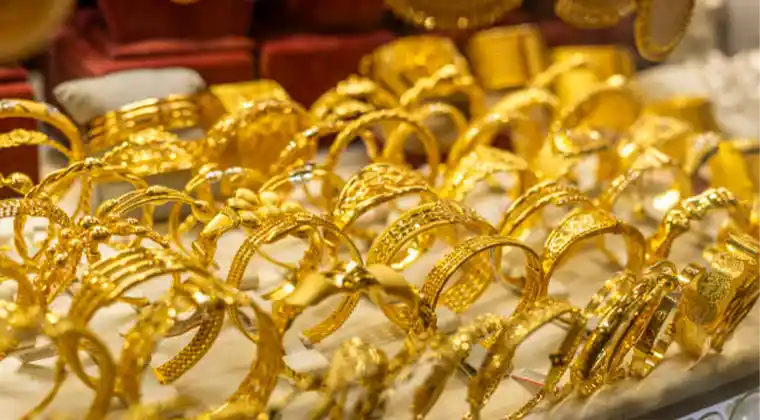
Gold Continues to Hold Strong Appeal Among UAE Investors Despite Market Corrections
Gold has maintained its position as one of the most preferred investment assets in the UAE, supported by a combination of deep-rooted cultural traditions, long-standing financial beliefs, and its reputation as a reliable store of wealth. Across the country, gold coins and bars continue to attract buyers from different communities, including South Asian, Arab, and expatriate groups, where the precious metal has historically represented security, prosperity, and financial stability.
For many families, gold is not simply an investment product but an asset connected with important life events and traditions. It plays a significant role in weddings, religious celebrations, and family occasions, where gold jewellery and coins are often gifted and preserved for future generations. Over decades, many households have viewed gold as a form of savings that can be passed from parents to children, creating an emotional and financial connection with the precious metal.
Beyond cultural importance, gold remains attractive because of its role as a wealth preservation tool. Investors often turn to gold during periods of economic uncertainty because the metal has historically maintained value when other markets experience instability. Concerns over inflation, currency fluctuations, geopolitical tensions, and financial market volatility frequently increase demand for physical gold as investors look for assets that can provide protection against economic risks.
Unlike many financial instruments that exist only in digital or paper form, physical gold offers investors direct ownership. Gold coins and bars provide a sense of security because buyers can hold the asset themselves and access it whenever required. This feature continues to appeal to many residents in the UAE who prefer tangible investments over alternatives such as exchange-traded funds or other paper-based financial products.
Another factor supporting gold’s popularity is its liquidity. Physical gold can generally be sold quickly through established markets, dealers, and jewellery outlets. In addition, many investors consider gold a useful financial backup because it can potentially be used as collateral when accessing funds. This combination of portability, recognisable value, and ease of resale has helped maintain strong demand for gold across the UAE.
However, gold prices have recently experienced pressure after reaching elevated levels, with market movements influenced by changing expectations around global inflation, interest rates, and geopolitical developments. The precious metal has been trading lower following the beginning of the Middle East conflict, as rising oil prices have increased concerns about inflationary pressures in the United States and affected investor sentiment.
At the start of the week, international spot gold prices were recorded at around $4,026 per ounce, marking a decline of 1.24 per cent. In the UAE market, gold rates also reflected the global movement, with 24-karat gold trading at approximately Dh488.25 per gram and 22-karat gold available at around Dh452 per gram during the opening session.
Market analysts say that despite short-term declines, the long-term outlook for gold remains linked to several major economic factors. Simon-Peter Massabni, head of business development at xs.com, explained that the future direction of gold prices will depend heavily on inflation trends, decisions taken by the US Federal Reserve, movements in the US dollar, and changes in real bond yields.
Inflation remains one of the most important drivers of gold demand. When inflation expectations rise, investors often seek assets that can protect purchasing power. Gold has historically been viewed as a hedge against inflation because its supply is limited and its value is recognised globally.
Interest rate policies also play a major role in determining gold’s performance. Higher interest rates can create pressure on gold because investors may prefer interest-generating assets such as bonds or deposits. On the other hand, expectations of lower interest rates can increase demand for gold because the opportunity cost of holding a non-yielding asset becomes less significant.
The strength of the US dollar is another important factor influencing international gold prices. Since gold is priced globally in dollars, changes in the currency can affect demand. A stronger dollar can make gold more expensive for buyers using other currencies, while a weaker dollar can support higher demand.
Massabni believes that gold’s broader upward trend remains intact over the medium and long term, although investors should expect periods of correction and volatility. According to him, temporary declines should not necessarily be interpreted as a reversal of the overall market direction, as gold can experience significant price adjustments even during extended periods of growth.
He noted that investors should remain cautious about buying aggressively during every price increase. Instead, a more balanced strategy would involve waiting for periods of market consolidation and identifying suitable entry points. Using technical indicators and risk management strategies can help investors make more informed decisions rather than reacting emotionally to short-term market movements.
The current environment highlights the importance of understanding both the opportunities and risks associated with gold investment. While the precious metal has historically delivered stability during uncertain periods, its price can still experience sharp movements based on global economic conditions, central bank policies, and investor sentiment.
For UAE residents, gold continues to occupy a unique position because it combines traditional value with modern investment appeal. The country’s well-developed gold market, strong trading infrastructure, and reputation as a global hub for precious metals have further strengthened confidence among buyers.
Retail investors often choose gold coins and bars as part of a diversified savings strategy. Instead of relying entirely on property, stocks, or other financial assets, many people allocate a portion of their wealth to gold as a way of balancing risk. This approach reflects the belief that gold can provide stability when other investments face uncertainty.
The ongoing demand for gold in the UAE also reflects broader global trends. Central banks, institutional investors, and individual buyers around the world continue to monitor gold as a strategic asset. Economic uncertainty, geopolitical challenges, and concerns about future inflation have kept interest in the metal elevated.
Nevertheless, experts advise investors to consider their personal financial goals, investment timeframe, and risk tolerance before making decisions. While gold can play an important role in preserving wealth, relying entirely on one asset class may expose investors to unnecessary risks.
The outlook for gold will likely continue to depend on a combination of economic indicators and global developments. If inflation remains a concern, monetary policies become more supportive, and uncertainty continues in international markets, gold could maintain its appeal among investors.
At the same time, investors should remain prepared for periods of price weakness. Market corrections are a normal part of any investment cycle, and gold is no exception. A disciplined approach focused on long-term objectives rather than short-term price movements may help investors navigate changing market conditions.
For generations, gold has represented security and prosperity for millions of people, and its importance in the UAE remains firmly established. Whether purchased for cultural reasons, financial protection, or long-term savings, gold coins and bars continue to be regarded as valuable assets.
As global markets evolve, gold’s role as a traditional safe-haven investment is likely to remain significant. While prices may move up and down in response to economic developments, the combination of cultural trust, financial resilience, and global recognition ensures that gold will continue to hold a prominent place among investment choices in the UAE.
Gold Faces a Defining Period as Investors Assess Its Long-Term Potential
According to Simon-Peter Massabni, head of business development at xs.com, gold is currently approaching an important stage that could determine the direction of the market over the next several years. While the recent decline in prices has raised questions among some investors, he believes the correction should be viewed within the broader context of gold’s long-term performance rather than as the end of its upward journey.
Massabni suggests that the current market movement could represent a temporary adjustment after a strong rally rather than a fundamental change in gold’s long-term outlook. Financial markets often experience periods of consolidation after significant price increases, and gold is no exception. During these phases, investors reassess market conditions, economic data, and future expectations before the next major price movement develops.
If the recent decline proves to be only a short-term correction within a broader bullish cycle, current price levels could eventually be seen as an attractive opportunity for investors who are building positions gradually. In such a scenario, the present period may later be recognised as a phase of accumulation, where market participants strengthened their exposure to gold before another potential upward move.
Historically, major asset rallies are rarely achieved through a straight upward path. Instead, they are often accompanied by periods of volatility, profit-taking, and temporary declines. These corrections can help reset market conditions by removing excessive speculation and allowing new investors to enter at more balanced price levels.
Massabni believes that the future direction of gold will depend heavily on whether the metal can overcome important technical barriers and establish a stronger position above previous record levels. A sustained move beyond key resistance points could signal a significant shift in market sentiment and potentially open the door for a new phase of growth.
A successful breakout above major price levels would indicate that demand for gold remains strong despite previous corrections. It could also suggest that investors are not only seeking protection from uncertainty but are increasingly viewing gold as a strategic asset with long-term value.
The expert explained that such a development could represent a change in the nature of gold’s rally. In earlier stages, much of the demand for the precious metal was driven by concerns about economic instability, inflation risks, geopolitical tensions, and the need for safe-haven assets. However, a sustained rise beyond previous highs could indicate that gold is entering a broader phase of global revaluation.
This potential repricing would mean that investors around the world may begin assigning greater importance to gold as part of their long-term financial strategies. Rather than simply being viewed as a defensive asset during periods of uncertainty, gold could increasingly be considered a core component of diversified investment portfolios.
Several factors could influence this shift, including central bank policies, global economic conditions, currency movements, and changes in investor behaviour. Growing concerns about debt levels, inflation management, and financial market stability have encouraged many investors and institutions to reconsider the role of physical assets such as gold.
Massabni emphasised that the recent correction does not necessarily weaken the long-term investment case for gold. Instead, he sees the market adjustment as part of a normal investment cycle that provides investors with an opportunity to evaluate their strategies and manage their exposure carefully.
He added that gold continues to benefit from several structural factors that could support further growth in the coming years. These include ongoing demand from central banks, investor interest in portfolio diversification, and the metal’s historical reputation as a store of value during uncertain economic periods.
However, he also highlighted the importance of maintaining discipline when investing in gold. While the broader outlook may remain positive, price movements can be unpredictable, and investors should avoid making decisions based solely on short-term market emotions.
A carefully planned approach that combines fundamental analysis with technical indicators can help investors better understand market conditions. Monitoring price patterns, identifying important support and resistance levels, and managing risk exposure are essential steps for those looking to participate in the next stage of gold’s market cycle.
Massabni believes that confirmation from technical signals will play an important role in determining whether gold is preparing for another significant advance. Investors should look for evidence that buying momentum is strengthening and that the market is capable of maintaining higher price levels over time.
At the same time, he cautioned against chasing every price increase. Rapid rallies can often lead to temporary overvaluation, followed by corrections. Instead, investors may benefit from waiting for periods of stability and using opportunities created by market pullbacks to build positions more strategically.
The future of gold will also depend on broader economic developments. Changes in interest rate expectations, inflation trends, and currency markets will remain key influences on investor decisions. If economic uncertainty continues and demand for safe-haven assets remains strong, gold could continue attracting attention from both institutional and individual investors.
For many investors, the appeal of gold lies in its ability to provide balance during periods when traditional financial markets face pressure. While stocks, bonds, and currencies can experience significant fluctuations, gold has historically provided an alternative source of stability.
The UAE market, in particular, continues to show strong interest in gold because of its cultural significance and financial importance. Many residents view gold as a reliable form of savings that can preserve wealth over long periods. This combination of traditional demand and modern investment interest continues to support the precious metal’s position.
As the global economic environment evolves, gold’s role may continue expanding beyond its traditional function as a safe-haven asset. A stronger acceptance among institutional investors and increased demand from emerging markets could contribute to a broader reassessment of its value.
Massabni’s outlook suggests that the current period should not be interpreted as the conclusion of gold’s growth story. Instead, he believes the market may be entering a crucial transition phase where future developments could determine whether the next major move becomes another extension of the existing bull market or the beginning of a new valuation cycle.
For investors considering gold exposure, patience and careful analysis remain essential. Market corrections can create opportunities, but successful investing requires understanding both the potential rewards and the risks involved.
Ultimately, gold’s future performance will depend on a combination of economic fundamentals, technical developments, and global investor sentiment. While short-term fluctuations are expected, the underlying factors supporting gold remain significant.
Massabni maintains that gold still has strong potential for further gains, provided investors approach the market with a disciplined strategy. Rather than focusing only on immediate price movements, investors should consider the broader market environment and use proper risk management techniques to navigate the next phase of gold’s journey.
The coming years could prove decisive for gold, with the possibility of the metal entering a new era of importance in global investment markets. Whether the current correction becomes a temporary pause or the foundation for another major rally will depend on how economic conditions and market forces develop in the months ahead.