
Dubai Police have launched measures to disrupt digital fraud networks, targeting suspicious social media accounts allegedly used by scammers to deceive users and carry out unlawful online activities.
Dubai Police Take Preventive Action Against Online Scam Networks Operating Through Social Platforms.
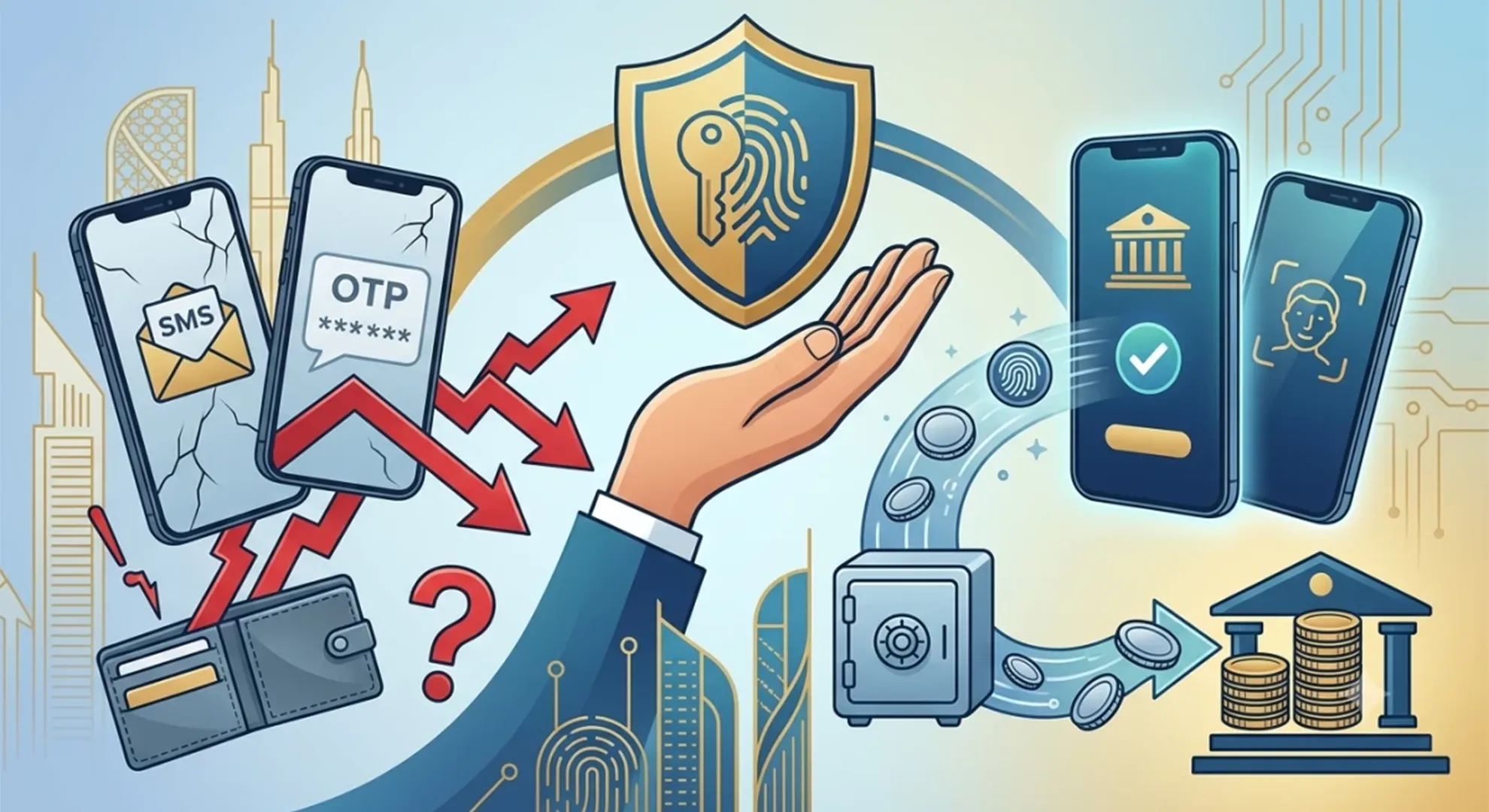
Dubai Records Drop in Fraud, Cybercrime and Economic Offences During the First Six Months of 2026
Dubai Police Strengthen Cybercrime Fight as Fraud Indicators Show Decline in 2026
Dubai Police has continued its efforts to combat digital fraud and protect the public from online threats, reporting new measures aimed at reducing scam-related activities across the emirate. As part of its ongoing cybersecurity initiatives, the force blocked 103 social media accounts during the second quarter of 2026 after identifying them as being connected to fraudulent activities.
The action forms part of a wider strategy focused on preventing online crimes, improving public safety, and limiting the ability of fraudsters to misuse digital platforms. Authorities have increasingly focused on social media channels, where criminals often attempt to target individuals through misleading offers, fake services, impersonation schemes, and other deceptive methods.
During the first six months of 2026, Dubai Police also recorded a reduction in several major crime categories, including fraud, cyber-related offences, and economic crimes, when compared with the same period in the previous year. While the force confirmed that the indicators had improved, specific figures detailing the number of cases or the exact percentage of reduction were not released.
The latest results were discussed during a performance review meeting led by Major General Hareb Mohammad Al Shamsi, Deputy Commander-in-Chief for Criminal Affairs. The meeting examined crime trends, operational performance, and the effectiveness of measures implemented by specialised departments.
Police officials highlighted that the decrease was linked to a combination of preventive strategies, including focused investigations, field operations, awareness programmes, and cooperation between different law enforcement teams and external partners.
The force explained that proactive policing has become a key element of its approach. Instead of relying only on responding after crimes occur, officers are increasingly working to identify risks earlier, understand criminal patterns, and prevent offences before they affect members of the community.
Technology has played a central role in supporting these efforts. Dubai Police said advanced tools, including artificial intelligence systems and data analysis techniques, are being used to examine information, detect unusual activity, and assist investigators in identifying possible threats.
By analysing crime patterns and digital behaviour, authorities can develop more effective responses and allocate resources where they are most needed. These technologies also help investigators handle complex cases involving online platforms, financial transactions, and digital communication.
Public awareness has also remained an important part of crime prevention efforts. Police continue to encourage residents to remain cautious online, verify information before responding to messages or offers, and report suspicious activities through official channels.
The force has repeatedly warned that scammers often use increasingly sophisticated methods to gain trust, making it important for individuals to stay alert when dealing with unknown contacts, online advertisements, or requests for personal and financial information.
Dubai Police said cooperation between the community and law enforcement agencies remains essential in reducing crime. By combining public awareness, modern technology, intelligence-led investigations, and coordinated action, authorities aim to create a safer digital environment for residents and visitors.
The latest performance review reflects the continued shift toward predictive policing, where data and technology are used not only to investigate crimes but also to identify potential risks and prevent criminal activity before it occurs.
$2.1 billion lost to social media scams in US
Social Media Becomes a Growing Channel for Fraud Worldwide
Online scams conducted through social media platforms have become a global concern, affecting users across different countries and regions. While authorities in the UAE continue efforts to combat digital fraud, similar challenges are being reported internationally as criminals increasingly use social networks to find and target potential victims.
In the United States, data from the Federal Trade Commission shows that social media has become a significant starting point for many reported fraud cases. A considerable share of consumers who lost money to scams in 2025 said their first interaction with the fraudster began through a social media platform.
The financial impact of these scams has also increased sharply in recent years. Reported losses linked to social media fraud have grown several times compared with previous years, reaching billions of dollars as criminals take advantage of the wide reach and accessibility of online platforms.
One of the most damaging categories has been investment-related fraud. Criminals often use social media to promote fake opportunities, unrealistic financial returns, or false success stories designed to convince users to transfer money. These schemes can appear convincing because fraudsters frequently create professional-looking profiles, use fake testimonials, and build trust before making financial requests.
Shopping-related scams are another common issue. Many victims have reported purchasing products after seeing advertisements or promotions on social media, only to discover that the goods were never delivered or that the seller was not legitimate. The convenience of online shopping, combined with targeted advertising, has created new opportunities for fraudsters to reach large audiences quickly.
Experts warn that scammers continue to adapt their methods as technology changes. They may use fake accounts, copied profiles, misleading advertisements, and direct messages to appear credible and encourage users to act quickly without verifying information.
Authorities in several countries advise social media users to remain cautious when dealing with unfamiliar accounts, investment offers, online sellers, or requests for personal details. Checking the authenticity of websites, avoiding payments to unknown parties, and reporting suspicious activity can help reduce the risk of becoming a victim.
The rise in social media-based fraud highlights the importance of digital awareness. As online platforms become a larger part of everyday communication, shopping, and financial activity, users must remain alert and take steps to protect themselves from increasingly sophisticated scams.
Fake visas, holidays and insurance
Dubai Police Warn Public About Increasing Online Fraud Attempts
The recent blocking of 103 social media accounts linked to fraudulent activity comes as Dubai Police continues to alert residents about the growing use of digital platforms by scammers. Criminal groups are increasingly turning to social networks and messaging services to promote fake opportunities, misleading offers, and services that do not actually exist.
Authorities have urged members of the public to remain cautious when receiving online advertisements that appear too good to be true. Fraudsters often create convincing posts, use attractive offers, or pretend to represent legitimate organisations in an attempt to gain trust and convince victims to make payments.
One of the scams highlighted by Dubai Police involved fake advertisements related to employment opportunities, residency permits, and visit visas. On July 18, authorities warned residents about individuals promoting these services while falsely claiming to represent companies or official organisations.
According to police warnings, scammers may use the names, logos, or details of businesses that are either not licensed or unrelated to the advertised service. Their aim is to persuade people to pay fees for visa processing or other procedures that are never completed.
Residents were reminded that they should verify the legitimacy of any company offering official services and avoid sending money to unknown individuals or unverified accounts. Authorities also encouraged people to rely on approved channels when applying for government-related services.
Dubai Police has also raised concerns about fake travel promotions circulating online. Some fraudulent accounts and websites advertise unusually cheap holiday packages, hotel reservations, or flight tickets to attract customers. After receiving payments, scammers may disappear, leaving victims without the promised service.
To avoid such schemes, residents have been advised to use recognised travel agencies, confirm that websites are genuine, and carefully examine online offers before making any financial commitments. Police warned that criminals often create a sense of urgency by claiming that limited-time deals are available, encouraging people to act before checking the details.
Another area of concern involves fake insurance advertisements. In June, Dubai Police issued a warning about fraudulent motor and health insurance offers shared through social media platforms. These advertisements often promote extremely low prices to attract attention and then request direct payments from customers.
Authorities advised residents to confirm that insurance providers and brokers are officially authorised before purchasing any policy. People should also avoid sharing personal information or transferring funds until the legitimacy of the service has been verified.
Dubai Police continues to emphasize that awareness and caution are among the strongest tools in preventing online fraud. As scammers adopt new methods and expand their use of digital platforms, residents are encouraged to question suspicious offers, report potential scams, and seek information only from trusted sources.
Through public awareness campaigns, digital monitoring, and enforcement measures, authorities aim to reduce online fraud and protect the community from financial losses caused by deceptive internet activities.
Authorities Warn Against Unlicensed Visa and Online Service Providers
Dubai authorities continue to caution residents about individuals and online accounts offering unofficial visa, residency, and government-related services. With more people using digital platforms to search for assistance, fraudsters have increasingly attempted to take advantage of users by advertising services they are not authorised to provide.
The General Directorate of Residency and Foreigners Affairs Dubai (GDRFA Dubai) has taken steps to identify misleading online activities and address violations linked to unauthorised service providers. The authority said its specialised teams monitor digital platforms to detect accounts that may spread incorrect information or attempt to collect money through unofficial channels.
Officials stressed that dealing with unapproved operators can create serious problems for residents. Individuals who rely on such services may receive inaccurate advice, pay unnecessary fees, or become victims of scams involving false promises about visa approvals and residency procedures.
Authorities have encouraged residents to use only recognised platforms and verified service providers when handling immigration-related matters. Official procedures should always be completed through authorised channels to ensure that applications, payments, and documentation are handled correctly.
Staying Alert Against Digital Scams
Dubai Police has also reminded residents that preventing fraud begins with careful online behaviour. Major General Hareb Mohammad Al Shamsi advised the public to avoid sharing sensitive information, including identity details, banking information, and personal documents, with unknown individuals or unverified businesses.
Scammers often attempt to create trust by presenting professional-looking advertisements, claiming to represent official organisations, or offering services at prices that appear unusually attractive. Residents are advised to take time to verify the legitimacy of any company, agent, or online offer before making payments.
Special caution is recommended when advertisements pressure users to act quickly, promise guaranteed results, or request immediate transfers. Such tactics are commonly used by fraudsters to prevent victims from checking whether the service provider is genuine.
Before engaging with a company or broker, residents should confirm licensing details through official sources and ensure that the organisation is authorised to provide the advertised service. A few minutes of verification can help prevent significant financial losses and legal complications.
Reporting Suspicious Activities
Authorities encourage members of the public to report suspected scams as soon as possible. Early reporting can help law enforcement investigate fraudulent activity, protect other potential victims, and take action against those misusing digital platforms.
Residents who encounter suspicious online activity can submit reports through Dubai Police’s official digital services, including the smart application and the eCrime platform. Reports can also be made by contacting the police through the designated non-emergency number.
Dubai authorities continue to combine public awareness campaigns, digital monitoring, and enforcement measures to address the growing challenge of online fraud. As criminals continue to develop new methods, officials say community cooperation remains essential in maintaining a safe and secure digital environment.