A UAE official has highlighted some of the most rewarding places to explore within the UNESCO-recognised Wadi Wurayah, offering visitors recommendations on the reserve’s standout natural attractions and scenic experiences.
UAE Official Recommends Must-Visit Locations at UNESCO-Listed Wadi Wurayah.
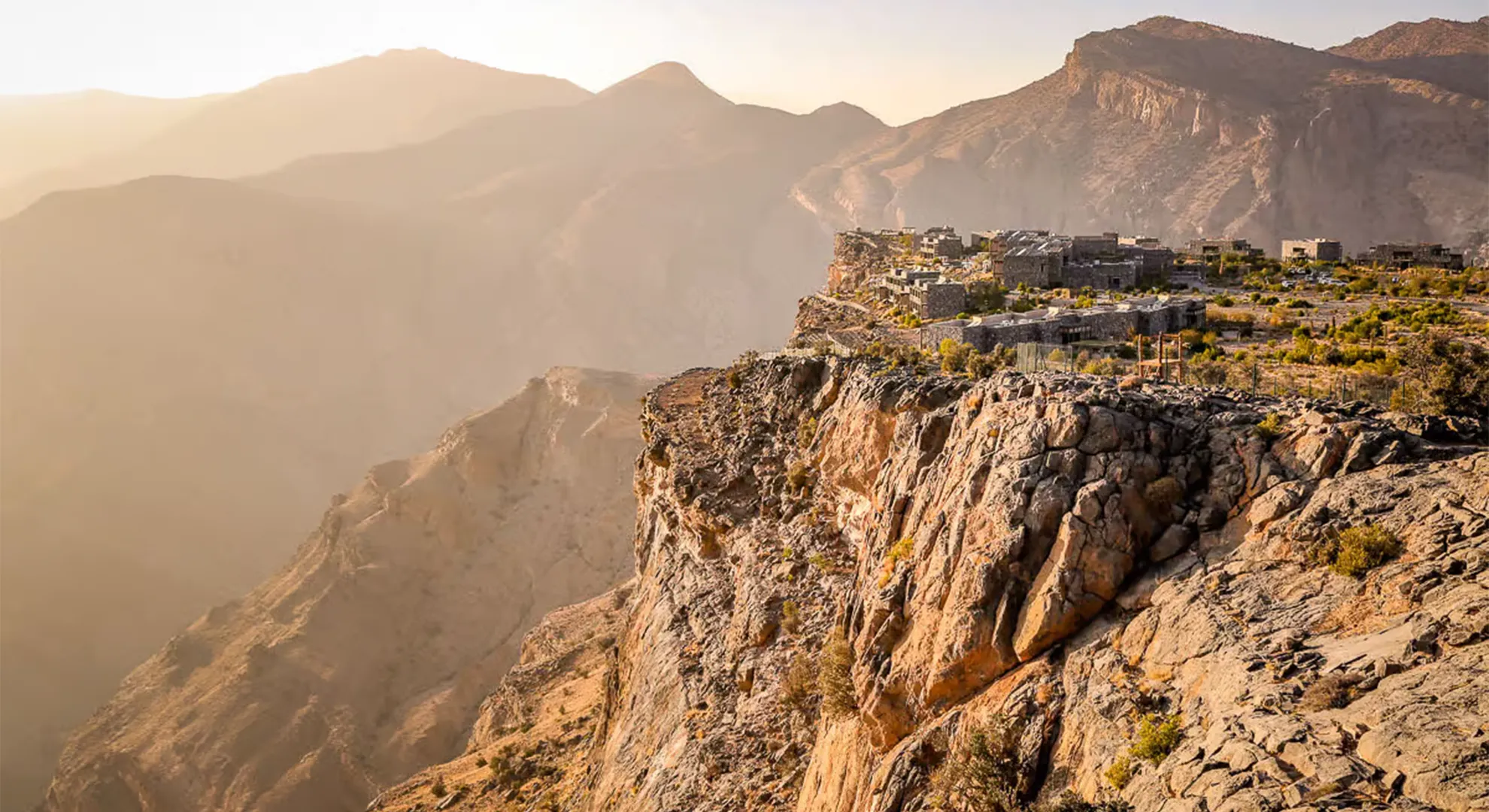
Discover breathtaking waterfalls, dozens of archaeological landmarks and other must-see attractions at the UNESCO-listed destination, welcoming visitors again from October.
Wadi Wurayah has attracted renewed attention after earning recognition on the UNESCO World Heritage List, marking a significant milestone for one of the UAE’s most remarkable natural landscapes. The international recognition has strengthened interest in the protected reserve, with outdoor enthusiasts, photographers and hiking enthusiasts looking forward to exploring its mountains, valleys and freshwater habitats once public access expands later this year.
For several years, access to Wadi Wurayah remained restricted as authorities prioritised conservation efforts aimed at protecting its unique biodiversity and fragile ecosystems. Limiting visitor numbers allowed environmental experts to preserve the area’s natural resources while developing a long-term management strategy that balances tourism with environmental protection. Earlier this year, in January, the reserve began welcoming visitors once again through carefully managed group tours, giving people the opportunity to experience the landscape in a controlled and sustainable way.
Rather than reopening without restrictions, authorities introduced guided visits to minimise the environmental impact on one of the country’s most ecologically important protected areas. The approach enables visitors to appreciate the reserve’s exceptional scenery while ensuring wildlife habitats, freshwater sources and sensitive ecosystems remain safeguarded for future generations.
Among those celebrating the site’s growing international profile is Asilah Abdullah Al Mualla, Director-General of the Fujairah Environment Authority. She believes Wadi Wurayah offers visitors a rare opportunity to witness the natural diversity of the UAE in a setting that differs dramatically from the country’s more familiar desert landscapes.
When discussing the reserve’s highlights, Al Mualla pointed to its famous waterfall and the crystal-clear freshwater pools that surround it as some of the most extraordinary places within the protected area. She explained that these natural features leave a lasting impression on nearly everyone fortunate enough to experience them in person.
According to her, the waterfall represents far more than an attractive destination for visitors. It serves as one of the defining characteristics of Wadi Wurayah, demonstrating how freshwater continues to shape life within an otherwise rugged mountain environment. The flowing water supports a rich ecosystem that provides a home for numerous plants and animals rarely associated with the UAE’s arid climate.
Al Mualla also shared that the waterfall holds special personal significance for her. Of all the locations within the reserve, it remains the place she enjoys visiting most, particularly during the early hours of the morning before the area becomes active with guided groups.
She described sunrise as one of the most rewarding times to experience the valley. As daylight gradually spreads across the surrounding mountains and reaches the canyon below, the peaceful atmosphere creates a striking contrast with the dramatic rocky landscape. The quietness of the morning allows visitors to focus on the sounds of flowing freshwater echoing through the valley—an experience that she believes captures the true character of Wadi Wurayah.
For Al Mualla, the presence of continuously flowing water within the mountainous terrain is both visually impressive and emotionally meaningful. Hearing streams moving through the rocks in a region often associated with dry landscapes serves as a powerful reminder of nature’s ability to thrive even under challenging environmental conditions.
She explained that the waterfall and its surrounding pools bring together many of the natural elements that make Wadi Wurayah exceptional. In a single location, visitors can observe the relationship between water, ancient geological formations, native wildlife and the ecological balance that has developed over thousands of years.
The freshwater pools support numerous species while also reflecting the geological history of the surrounding mountains. Towering rock formations, carved over centuries by natural processes, provide a dramatic backdrop that illustrates the powerful forces responsible for shaping the landscape. Together, these features create an environment unlike almost anywhere else in the UAE.
Al Mualla believes the reserve demonstrates how seemingly delicate ecosystems can survive and flourish when conservation remains a priority. Careful environmental management, scientific research and responsible tourism have all contributed to protecting the area while allowing visitors to appreciate its natural beauty.
She emphasised that safeguarding Wadi Wurayah requires more than simply limiting access. Long-term conservation depends on increasing public understanding of the reserve’s ecological importance and encouraging visitors to respect the environment throughout their stay. Every guided visit is therefore intended not only as a sightseeing experience but also as an opportunity to raise awareness about biodiversity, freshwater conservation and sustainable tourism.
The reserve’s UNESCO recognition further highlights its global significance as a natural heritage site deserving of careful protection. International recognition acknowledges both the area’s outstanding natural value and the ongoing work being carried out to preserve its ecosystems for future generations.
Visitors who explore Wadi Wurayah can expect much more than scenic mountain views. The reserve offers an opportunity to experience one of the few places in the UAE where permanent freshwater supports a diverse range of wildlife, creating habitats that are uncommon elsewhere in the country. Native plants, birds and other animal species depend on these water sources, making conservation efforts particularly important.
As preparations continue for broader public access, interest in the reserve continues to grow among residents and tourists alike. Nature lovers are eager to discover its waterfalls, freshwater pools, mountain trails and breathtaking scenery while learning about the environmental significance that ultimately earned Wadi Wurayah its place on the UNESCO World Heritage List.
For many visitors, the waterfall will undoubtedly remain one of the reserve’s defining attractions. However, Al Mualla hopes guests will leave with a deeper appreciation of the entire ecosystem rather than focusing solely on a single landmark. She believes the true beauty of Wadi Wurayah lies in the way its landscapes, wildlife, geology and freshwater systems exist together in remarkable harmony.
Ultimately, she sees the reserve as a living example of why environmental stewardship matters. Its continued survival demonstrates that even the most fragile natural environments can remain healthy when supported by scientific knowledge, responsible management and public respect. As more people gain the opportunity to experience Wadi Wurayah firsthand, authorities hope its international recognition will inspire greater awareness of the importance of conserving the UAE’s unique natural heritage for generations to come.
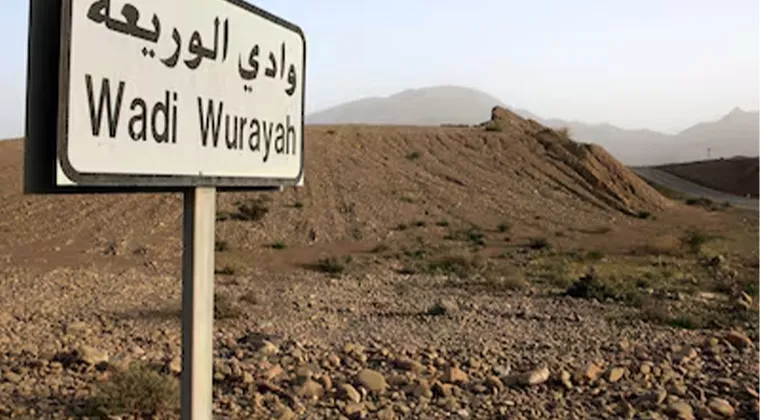
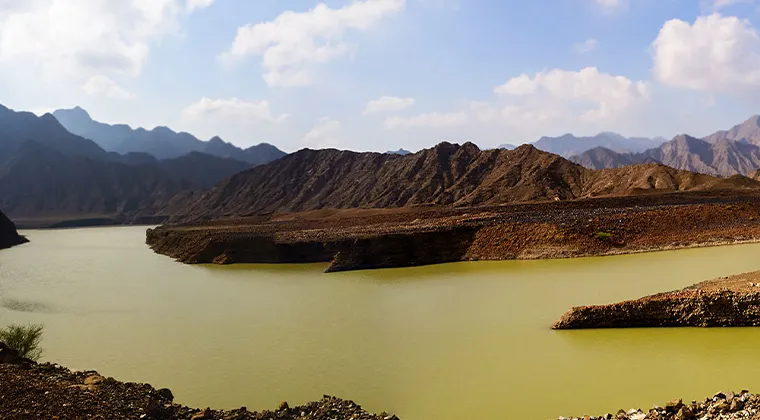
True beauty of Wadi Wurayah
While the waterfall is often regarded as Wadi Wurayah’s most recognisable attraction, officials say it represents only one part of a much larger natural and cultural landscape. Visitors are encouraged to look beyond the famous cascade and spend time exploring the reserve’s diverse scenery, where freshwater springs, winding streams, towering cliffs and panoramic mountain vistas together reveal the area’s exceptional environmental significance.
According to Asilah Abdullah Al Mualla, Director-General of the Fujairah Environment Authority, every corner of Wadi Wurayah offers a different perspective on the protected reserve. Rather than focusing solely on its best-known landmark, she recommends experiencing the wider landscape to gain a deeper appreciation of the site’s ecological richness and historical importance.
Among the highlights she encourages visitors to discover are the spring-fed waterways that flow through the reserve, creating rare freshwater habitats within the rugged Hajar Mountains. These streams support a delicate ecosystem that sustains native plants and wildlife while adding to the area’s striking natural beauty. The gentle flow of water through rocky terrain creates peaceful settings that contrast with the surrounding mountain environment.
Equally impressive are the reserve’s dramatic canyons, sculpted over thousands of years by natural geological processes. Their steep walls and narrow passages reveal the immense forces that have shaped the landscape over countless generations, offering visitors a glimpse into the region’s geological history. Massive rock formations rise above the valleys, displaying layers and textures that tell the story of millions of years of natural evolution.
The Hajar Mountains themselves provide spectacular viewpoints overlooking the reserve. From elevated observation points, visitors can take in sweeping panoramas of valleys, cliffs and waterways that stretch across the protected landscape. These scenic locations offer ideal opportunities for photography while allowing guests to appreciate the scale and diversity of one of the UAE’s most important natural environments.
Al Mualla emphasises that Wadi Wurayah should not be viewed solely as a destination for nature enthusiasts. She describes it as a living cultural landscape where human history and the natural environment have remained closely connected for centuries. The reserve preserves evidence of how earlier communities adapted to mountain life, relied on freshwater resources and developed sustainable ways of living within a challenging environment.
Extensive archaeological research has reinforced the historical importance of the protected area. Surveys carried out by specialists have documented approximately 70 archaeological sites scattered throughout the reserve. These discoveries provide valuable insight into the lives of people who inhabited or travelled through the mountains over many centuries.
Among the documented remains are traces of ancient settlements that indicate long-term human occupation in the region. Archaeologists have also identified burial sites that contribute to a greater understanding of historical customs and traditions, while rock inscriptions carved into stone surfaces offer further evidence of the area’s rich cultural heritage. Together, these findings highlight the reserve’s significance not only as a natural sanctuary but also as an important historical landscape.
The combination of archaeological treasures and remarkable natural scenery distinguishes Wadi Wurayah from many other protected areas. Visitors have the opportunity to experience both environmental conservation and cultural heritage within a single destination, gaining a broader understanding of the relationship between people and the landscape over time.
Because of the reserve’s ecological sensitivity, public access remains carefully managed. Visitors can only enter Wadi Wurayah through authorised guided tours designed to protect its fragile ecosystems while providing a safe and educational experience. Limiting access helps reduce environmental impact and ensures that archaeological sites, wildlife habitats and freshwater resources remain well preserved.
During these organised excursions, trained guides introduce participants to both the environmental and historical significance of the reserve. Along the hiking routes, visitors learn how freshwater shaped settlement patterns, supported biodiversity and influenced everyday life for generations of mountain communities. The guided experience also explains ongoing conservation efforts aimed at protecting the reserve’s unique habitats and cultural landmarks.
The tours provide opportunities to observe native plants, geological formations and archaeological remains while gaining insights into the environmental challenges involved in managing a protected area of international importance. Rather than simply visiting scenic locations, participants leave with a greater appreciation of the delicate balance between conservation, history and responsible tourism.
Access to Wadi Wurayah is available only during the cooler hiking season, which typically begins in early to mid-October when weather conditions become more suitable for outdoor exploration. Restricting visits to this period helps ensure visitor safety while minimising environmental pressure during the hotter months.
Anyone wishing to explore the reserve must book an organised excursion in advance through Fujairah Holidays, the authorised tour operator responsible for conducting official visits. Independent entry is not permitted, reflecting the authorities’ commitment to maintaining strict conservation standards across the UNESCO-recognised site.
Tour packages begin at Dh300 per person, with the fee covering the guided experience and access arrangements required for entering the protected area. Through this carefully managed system, visitors can enjoy one of the UAE’s most remarkable natural and cultural destinations while supporting ongoing efforts to preserve its landscapes, biodiversity and archaeological heritage for future generations.
Hidden wonders
One of the most remarkable discoveries to emerge from years of research at Wadi Wurayah has been the incredible diversity of life existing within its seemingly harsh mountain environment. For many visitors, the landscape may initially appear dominated by dry rocks, steep valleys and rugged terrain. However, scientific studies have revealed that beneath this challenging exterior lies a thriving ecosystem filled with a wide variety of plants, animals and unique species that have adapted to survive in difficult conditions.
According to Asilah Abdullah Al Mualla, Director-General of the Fujairah Environment Authority, the scale of biodiversity found in Wadi Wurayah has been one of the most impressive aspects of the extensive studies carried out in the area. The research has demonstrated that the reserve is far more than a scenic mountain destination; it is a complex natural environment supporting life forms that are specially adapted to the UAE’s mountainous climate.
Scientific investigations conducted within the protected area have recorded around 1,099 species, highlighting the extraordinary ecological importance of Wadi Wurayah. Among these findings are approximately 216 plant species, many of which have developed unique survival strategies to withstand limited water availability, changing temperatures and the demanding conditions of the Hajar Mountains.
The discovery of such a wide range of plant life in an arid region demonstrates the importance of the reserve’s freshwater systems. Springs, streams and pools create rare habitats that allow vegetation to flourish in areas where plant growth might otherwise be difficult. These natural water sources act as lifelines for numerous species, supporting a delicate ecosystem that depends on the continued protection of the wadi’s environment.
Researchers have also uncovered significant findings among the smaller creatures that inhabit the reserve. Studies have identified 55 invertebrate species that were previously unknown to science, adding valuable knowledge to global biodiversity research. These discoveries highlight how much remains to be learned about the natural world, even in regions that may appear well explored.
The presence of previously undocumented species demonstrates the importance of continued scientific investigation in protected areas. Small organisms such as insects and other invertebrates often play essential roles within ecosystems, contributing to pollination, nutrient cycles and food chains. Understanding these species helps researchers better assess the health of the environment and develop effective conservation strategies.
Among the most fascinating discoveries associated with Wadi Wurayah was the recording of a dragonfly species that had once been believed to have disappeared. Research conducted in connection with the reserve provided evidence of its presence in the UAE, making it a significant discovery for scientists studying regional wildlife.
The return of evidence showing the survival of such a species demonstrates the importance of protecting natural habitats. Rare animals often depend on specific environmental conditions, including clean water sources and undisturbed ecosystems. By preserving places like Wadi Wurayah, conservation efforts can help protect species that may otherwise face serious threats.
Another extraordinary example of adaptation found within the reserve is the native wadi fish, a species that has developed specialised abilities to survive in its rocky freshwater environment. Researchers have observed that this fish is capable of using its unique body structure to move across sections of the main waterfall, allowing it to navigate areas that would be inaccessible to many other aquatic species.
This unusual ability reflects the remarkable ways in which wildlife evolves to suit its surroundings. In an environment where water flows through narrow channels and steep rocky areas, survival depends on specialised adaptations developed over generations. The wadi fish’s ability to move through challenging terrain offers researchers valuable insight into how species respond to their habitats.
For Al Mualla, these discoveries demonstrate that Wadi Wurayah is a place where nature has developed extraordinary solutions to environmental challenges. The wildlife found within the reserve reflects resilience, adaptation and the ability of ecosystems to survive when they are given the opportunity to recover and thrive.
She explained that every scientific observation contributes to a greater understanding of the relationship between species and their surroundings. From plants growing near mountain streams to animals that depend on freshwater habitats, each element of the ecosystem plays a connected role in maintaining the balance of the environment.
The findings from Wadi Wurayah also reinforce the importance of ongoing conservation work. Protecting a natural area is not simply about creating boundaries or restricting access; it requires continuous observation, research and active management. Scientists must continue studying changes within the ecosystem, monitoring wildlife populations and identifying potential threats before they become serious problems.
Al Mualla emphasised that conservation is a long-term commitment that depends on cooperation between environmental organisations, researchers, local communities and visitors. Protecting natural heritage requires awareness and participation from everyone who interacts with these landscapes.
Community involvement is particularly important because local knowledge and public support can strengthen conservation efforts. When people understand the value of an ecosystem, they are more likely to respect protected areas and support initiatives aimed at preserving them. Education and awareness programmes therefore form an important part of ensuring the future protection of Wadi Wurayah.
Research also remains essential because ecosystems are constantly changing. Climate conditions, human activity and natural processes can all influence biodiversity over time. Regular monitoring allows scientists to identify trends, measure the health of habitats and make informed decisions about conservation measures.
The lessons learned from Wadi Wurayah extend beyond the boundaries of the reserve. The protected area serves as an example of how careful environmental management can help safeguard rare species and maintain biodiversity in regions facing challenging conditions. It demonstrates that even landscapes that appear dry and unforgiving can support remarkable levels of life when their natural systems are preserved.
The UNESCO recognition of Wadi Wurayah further highlights the global importance of protecting such environments. Its value lies not only in its dramatic scenery and geological features but also in the hidden biodiversity that scientists continue to discover. Every new study adds another piece to the story of this unique ecosystem.
For visitors, the experience of exploring Wadi Wurayah offers an opportunity to see nature from a different perspective. Beyond the mountains, waterfalls and valleys are countless living organisms that have adapted in extraordinary ways. Understanding these connections allows guests to appreciate why conservation efforts are necessary and why responsible tourism plays an important role in protecting the reserve.
Al Mualla believes that Wadi Wurayah represents a powerful reminder of nature’s ability to survive when it is respected and carefully managed. The discoveries made through scientific research show that even fragile ecosystems can remain vibrant when communities, experts and authorities work together.
The reserve’s future depends on maintaining this balance between exploration and protection. Continued research, responsible visitor management and public awareness will help ensure that the unique species and habitats found within Wadi Wurayah remain protected for generations to come.
Ultimately, the story of Wadi Wurayah is not only about mountains, water or wildlife. It is about resilience—the ability of life to adapt, endure and flourish even under difficult circumstances. Through careful conservation and a deeper understanding of its natural systems, this extraordinary landscape can continue to reveal its secrets while inspiring future generations to value and protect the natural world.