After years of development, the Guggenheim Abu Dhabi has confirmed the planned opening period for its new museum, bringing the landmark institution a step closer to welcoming the public.
Guggenheim Abu Dhabi Shares Official Timeline for Museum Opening.
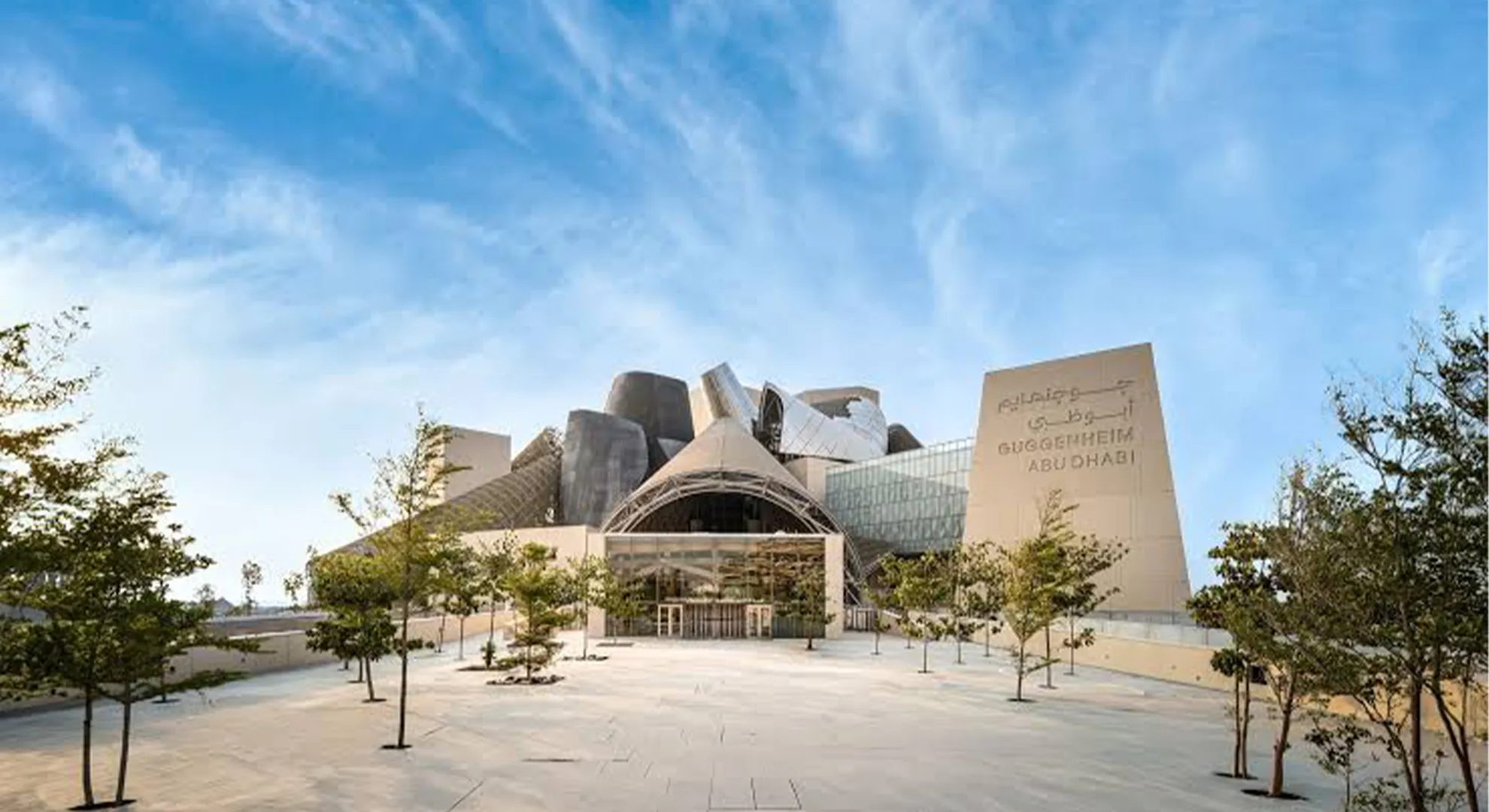
Positioned in Saadiyat Island’s vibrant Cultural District, the Guggenheim Abu Dhabi is set to highlight an extensive collection of modern and contemporary artworks.
Guggenheim Abu Dhabi to Welcome Visitors in December 2026, Marking a New Era for the UAE’s Cultural Landscape
Abu Dhabi has confirmed that the Guggenheim Abu Dhabi will officially open to the public on 11 December 2026, marking a major milestone for one of the world’s most anticipated museum projects. The announcement comes after nearly two decades of planning, design and construction, bringing the ambitious cultural institution closer to welcoming visitors from across the globe.
The museum forms part of the emirate’s long-term vision to establish itself as a leading international destination for arts, culture and innovation. Its opening will further strengthen Saadiyat Island’s reputation as a centre for museums, heritage institutions and creative experiences, attracting artists, scholars and tourists alike.
Designed by renowned architect Frank Gehry, the Guggenheim Abu Dhabi is expected to become one of the largest museums dedicated to modern and contemporary art in the region. Gehry, celebrated for his distinctive architectural style and landmark cultural buildings around the world, envisioned a museum that reflects both the surrounding desert landscape and Abu Dhabi’s coastal environment. The building’s striking geometric forms, dramatic galleries and innovative design aim to create an engaging setting for visitors while accommodating artworks across a broad range of media.
Located within Saadiyat Island’s Cultural District, the museum occupies a prominent position alongside several internationally recognised cultural institutions. The district has evolved into one of the Middle East’s most significant cultural destinations, bringing together museums, educational facilities and public spaces that celebrate history, creativity and artistic expression.
Once operational, the Guggenheim Abu Dhabi will join a growing collection of landmark institutions already established or under development on the island. These include Louvre Abu Dhabi, Zayed National Museum, Natural History Museum Abu Dhabi and teamLab Phenomena Abu Dhabi. Together, these attractions represent Abu Dhabi’s continued investment in cultural infrastructure and its ambition to encourage dialogue between different artistic traditions and civilisations.
The museum will present an extensive programme dedicated to modern and contemporary art from around the world. Visitors can expect exhibitions featuring paintings, sculptures, photography, large-scale installations, digital works, film, multimedia projects and other innovative artistic practices. By embracing a wide variety of creative disciplines, the institution aims to reflect the diversity and evolution of contemporary artistic expression.
Officials have indicated that additional information regarding the museum’s permanent collection, inaugural exhibitions and specially commissioned artworks will be released in the months leading up to the opening. These announcements are expected to provide greater insight into the artists, themes and curatorial approach that will define the museum’s first public programmes.
The Guggenheim name is already associated with some of the world’s best-known art museums. Institutions carrying the Guggenheim identity operate in cities including New York, Venice and Bilbao, each recognised for its unique architectural character and significant art collections. The Abu Dhabi museum will become the latest member of this international network while developing its own identity that reflects the history, culture and artistic developments of the Middle East and neighbouring regions.
Rather than replicating existing museums, Guggenheim Abu Dhabi is expected to present exhibitions that connect local, regional and international artistic perspectives. Its galleries will highlight works from different cultures, encouraging visitors to explore how artists have responded to social change, technological development, historical events and global issues over time.
The museum’s opening represents more than the launch of a new cultural attraction. It reflects Abu Dhabi’s broader strategy of using arts and culture to promote education, creativity and international collaboration. Cultural institutions across the emirate increasingly serve as spaces for learning, research and public engagement, offering educational programmes, workshops, lectures and community events alongside exhibitions.
Tourism is also expected to benefit from the museum’s arrival. Saadiyat Island has become an increasingly popular destination for visitors seeking cultural experiences alongside its beaches, resorts and leisure facilities. The addition of Guggenheim Abu Dhabi is likely to strengthen the island’s appeal, encouraging longer stays and attracting travellers interested in architecture, contemporary art and cultural heritage.
For artists and creative professionals, the museum promises new opportunities for collaboration, exhibitions and public engagement. Through acquisitions, commissions and partnerships, it is expected to support artistic production while providing an international platform for both established and emerging talent.
The building itself has drawn considerable attention since its design was first unveiled. Frank Gehry’s vision incorporates expansive gallery spaces, outdoor courtyards and innovative architectural elements intended to maximise natural light while responding to Abu Dhabi’s climate. The museum’s design aims to balance visual impact with functionality, creating flexible spaces capable of hosting exhibitions of varying scales and formats.
As the countdown to December 2026 begins, anticipation continues to grow among art enthusiasts, architects and travellers worldwide. The museum is expected to become a defining feature of Abu Dhabi’s cultural landscape, reinforcing the city’s role as an important meeting point for artistic exchange and creative dialogue.
With its combination of iconic architecture, international partnerships and a broad artistic programme, Guggenheim Abu Dhabi is poised to become one of the region’s most influential cultural institutions. Its opening will mark the culmination of years of planning and development while signalling the beginning of a new chapter for contemporary art in the UAE.
Guggenheim Abu Dhabi’s stunning architecture
The architecture of Guggenheim Abu Dhabi is intended to be as memorable as the artworks it will display. Conceived by world-renowned architect Frank Gehry, the museum introduces a bold visual identity that blends contemporary design with architectural elements inspired by the environmental conditions and cultural heritage of the United Arab Emirates. Its distinctive profile is expected to become one of Abu Dhabi’s most recognisable landmarks, reflecting the city’s ambition to position itself as a global centre for creativity and innovation.
Situated on Saadiyat Island, the museum has been designed to establish a strong relationship with its surroundings. The nearby coastline, the Gulf’s changing light and the region’s traditional building techniques have all influenced the structure’s appearance. Rather than simply creating an eye-catching exterior, the design responds to the local climate while celebrating the character of the landscape. This combination of artistic vision and practical engineering gives the museum a unique identity within the city’s expanding Cultural District.
Visitors arriving at the museum will first encounter a dramatic composition of intersecting forms, terraces and towers that create an ever-changing appearance from different viewpoints. The building avoids the symmetry of conventional museums, instead presenting a collection of interconnected volumes that encourage exploration. As sunlight shifts throughout the day, reflections across metal, glass and stone surfaces create new visual effects, ensuring that no two visits offer exactly the same first impression.
Inside, the museum has been planned to accommodate a broad range of artistic experiences. More than thirty galleries provide flexible exhibition environments capable of displaying paintings, sculptures, photography, multimedia installations, immersive digital works and large-scale contemporary commissions. The varied gallery sizes allow curators to present everything from intimate displays to ambitious international exhibitions requiring expansive spaces.
At the centre of the museum is a spacious atrium that serves as the heart of the visitor experience. This central gathering space links multiple galleries and circulation routes, allowing guests to move naturally through the building while maintaining clear visual connections to different exhibition areas. The openness of the atrium creates opportunities for public events, educational programmes and large artistic installations that interact with the architecture itself.
One of the museum’s defining architectural features is a series of striking towers that rise above the main structure. Inspired in part by traditional Middle Eastern passive cooling techniques, these elements contribute to the building’s environmental performance while also giving the museum its unmistakable skyline. Their sculptural forms transform the roofscape into a distinctive landmark that can be recognised from across Saadiyat Island.
Sustainability has been incorporated into many aspects of the museum’s design. The building uses natural shading, ventilation strategies and carefully considered materials to improve energy efficiency and enhance visitor comfort. These environmentally responsive features reduce reliance on mechanical cooling while demonstrating how contemporary architecture can adapt to the climatic conditions of the Gulf region.
The museum also offers extensive outdoor areas designed for exhibitions, cultural events and public gatherings. These open-air spaces expand the visitor experience beyond the galleries, providing opportunities for monumental sculptures, temporary installations and performances. Landscaped walkways and plazas encourage people to spend time outdoors while enjoying views of both the museum and the surrounding waterfront.
With tens of thousands of square metres dedicated to exhibitions, education and public engagement, Guggenheim Abu Dhabi is expected to become one of the largest institutions devoted to modern and contemporary art. Its generous scale enables the presentation of ambitious works that might be difficult to display in more traditional museum settings, supporting artists whose practice includes immersive environments, experimental media and monumental installations.
Beyond its physical dimensions, the museum represents an important investment in the cultural future of Abu Dhabi. By combining innovative architecture with flexible exhibition spaces and environmentally conscious design, it aims to create a destination where art, architecture and public life come together. As visitors explore its galleries and public spaces, they will experience not only a collection of artworks but also a building designed to inspire curiosity, conversation and creativity for generations to come.
Inspired by the Gulf region
Guggenheim Abu Dhabi has been conceived as more than a museum that houses artworks; it is intended to serve as a cultural platform where creativity, history and global perspectives come together. The institution reflects Abu Dhabi’s ambition to foster artistic dialogue while creating meaningful connections between local heritage and the wider international art community. Through its exhibitions, educational initiatives and public programmes, the museum seeks to encourage visitors of all ages to engage with art in ways that inspire curiosity, critical thinking and cultural understanding.
The museum’s vision is closely aligned with the UAE’s commitment to investing in culture as a driver of education, innovation and social development. By presenting works from diverse regions and artistic traditions, Guggenheim Abu Dhabi aims to introduce audiences to multiple viewpoints, encouraging conversations that extend beyond geographical and cultural boundaries. Rather than focusing on a single artistic movement or historical narrative, the institution embraces the complexity and diversity of modern and contemporary art, recognising that creativity often develops through exchanges between different societies and generations.
Young audiences are expected to play a central role in the museum’s long-term mission. Through workshops, educational resources, guided tours and interactive learning experiences, the institution intends to make contemporary art more approachable for students, families and first-time museum visitors. These programmes are designed to spark imagination while helping visitors understand how artists respond to social issues, technological change, environmental challenges and cultural identity. By encouraging participation instead of passive observation, the museum hopes to nurture a lifelong appreciation for artistic expression.
The building itself contributes significantly to this experience. Designed by Frank Gehry, the museum combines innovative architectural forms with ideas inspired by the Gulf’s natural environment and traditional construction methods. Its distinctive exterior creates an immediate visual impact, while the carefully planned interior offers a variety of spaces that encourage exploration. Wide galleries, intimate exhibition rooms, open courtyards and communal gathering areas allow visitors to experience art from multiple perspectives, making every journey through the museum slightly different from the last.
Flexibility is a defining characteristic of the museum’s exhibition strategy. The galleries have been designed to accommodate artworks created in a wide range of media, including painting, sculpture, photography, film, sound installations, digital technology and immersive multimedia experiences. This adaptable approach enables curators to organise exhibitions that respond to evolving artistic practices while showcasing both internationally recognised creators and emerging voices from around the world.
Instead of arranging exhibitions solely according to historical timelines, Guggenheim Abu Dhabi intends to explore relationships between artists, cultures and ideas. Works from different countries and periods may appear alongside one another to reveal shared themes, contrasting viewpoints or parallel artistic developments. This method encourages visitors to consider how creativity evolves through dialogue, exchange and influence rather than as a sequence of isolated events.
Themes such as migration, identity, urbanisation, environmental change, memory and technological innovation are expected to feature prominently in many exhibitions. Presenting these subjects through artistic expression enables visitors to engage with contemporary issues in thoughtful and meaningful ways. Art becomes not only an object of admiration but also a medium for discussion, reflection and discovery.
The museum also aims to strengthen cultural exchange between the Middle East and the rest of the world. By acquiring works from diverse regions and collaborating with artists, scholars and institutions internationally, it seeks to create exhibitions that reflect the interconnected nature of today’s global society. This inclusive approach acknowledges the important contributions of artists from Asia, Africa, the Middle East, Latin America and other regions whose perspectives have often been underrepresented within traditional art historical narratives.
Public engagement will remain central to the museum’s activities. In addition to exhibitions, visitors can expect lectures, artist talks, performances, educational programmes and collaborative projects that invite active participation. These initiatives are intended to transform the museum into a lively civic space where ideas are exchanged, creativity is celebrated and communities come together through shared cultural experiences.
Ultimately, Guggenheim Abu Dhabi represents a vision of the museum as an evolving cultural institution rather than a static collection of objects. By combining innovative architecture, diverse exhibitions and inclusive educational programmes, it aims to create an environment where visitors are encouraged to question, explore and interpret art from their own perspectives. In doing so, the museum seeks to become not only a destination for viewing exceptional works of art but also a place where meaningful conversations about culture, history and the future continue to flourish.
Guggenheim Abu Dhabi’s interactive nature
Guggenheim Abu Dhabi has been envisioned as far more than a venue for displaying works of art. Its broader mission is to create a dynamic cultural environment where people from different backgrounds can meet, exchange ideas and discover new perspectives through artistic experiences. Every aspect of the museum, from its architecture to its exhibitions and public programmes, has been designed to encourage participation rather than passive observation. Visitors are invited to engage with artworks in ways that are personal, thoughtful and interactive, transforming a museum visit into an opportunity for dialogue and exploration.
At the heart of the institution is a commitment to making art accessible to a wide audience. Whether someone is a seasoned collector, a practising artist, a student or a first-time museum visitor, the galleries are intended to offer experiences that spark curiosity and inspire conversation. Instead of presenting art as something distant or exclusive, the museum seeks to create an atmosphere where every visitor feels welcome to interpret and respond to the works in their own way.
The museum’s curatorial philosophy embraces the diversity of modern and contemporary artistic practice. Exhibitions will feature a broad range of creative media, including painting, sculpture, photography, installation art, film, digital works and immersive multimedia projects. This variety allows audiences to experience different forms of artistic expression while recognising how creativity continues to evolve alongside changes in society, technology and culture.
Rather than directing visitors along a single predetermined route, the museum encourages exploration at an individual pace. Guests can choose their own journey through the galleries, discovering connections between artworks based on themes, ideas and personal interests. This flexible approach reflects the belief that every visitor brings unique experiences and perspectives, making each museum visit distinctive.
The exhibitions are expected to explore major developments that have shaped art from the second half of the twentieth century to the present day. Instead of focusing only on chronology, displays may examine recurring ideas such as identity, memory, urban life, nature, abstraction, storytelling, innovation and the influence of popular culture. By bringing together works from different countries, generations and artistic traditions, the museum aims to highlight both shared experiences and diverse viewpoints.
A defining feature of Guggenheim Abu Dhabi is its international outlook. The museum seeks to create meaningful dialogue between artists and audiences from across the world while also recognising the cultural richness of the Middle East and the Gulf region. Through acquisitions, commissions, temporary exhibitions and collaborative projects, it intends to showcase a wide spectrum of voices, offering visitors a deeper understanding of how artistic ideas travel across borders and evolve through cultural exchange.
Education and public engagement are expected to play a central role in the museum’s activities. Workshops, lectures, family programmes, artist talks and community events will complement exhibitions, providing opportunities for visitors to deepen their understanding of contemporary art and participate in creative discussions. These initiatives are designed to encourage lifelong learning while making the museum an active gathering place for people of all ages.
Ultimately, Guggenheim Abu Dhabi aims to become more than a destination for viewing exceptional works of art. It aspires to be a place where creativity encourages conversation, cultural understanding and collaboration. By connecting artists, ideas and audiences within an inclusive environment, the museum seeks to strengthen appreciation for modern and contemporary art while contributing to a richer and more connected global cultural landscape.