Motorists across the UAE could see fuel prices decrease for a second consecutive month in August, although the expected reduction is likely to be relatively small compared with previous monthly adjustments.
UAE Fuel Prices Likely to Fall Again in August, Though Reduction May Be Modest.
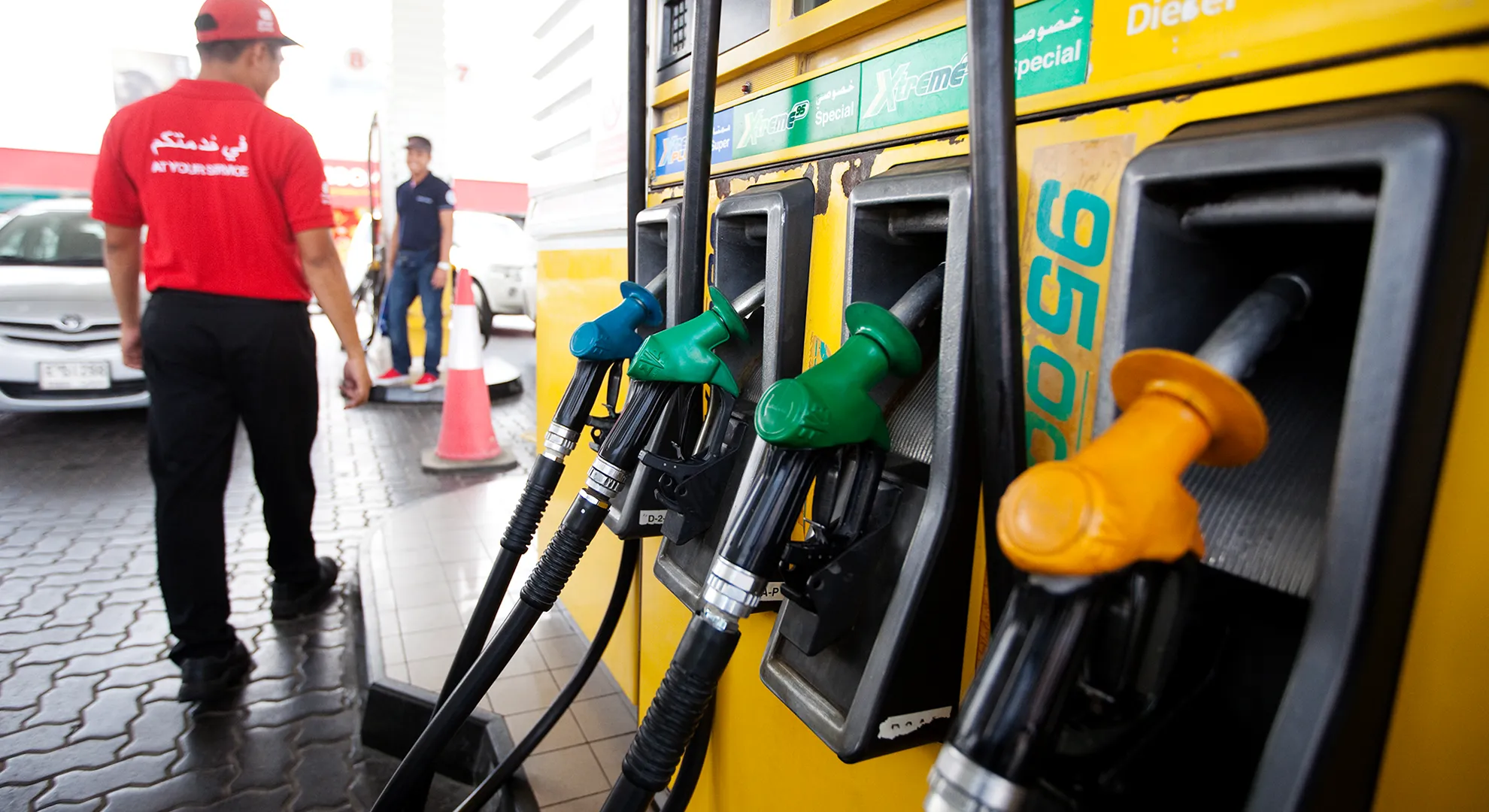
Lower oil prices in global markets suggest another decrease in UAE fuel costs next month, though ongoing geopolitical developments and constrained inventories could reduce the extent of the decline.
UAE Fuel Prices May Edge Lower Again in August, Though Any Savings Are Expected to Be Limited
Motorists across the UAE are likely to benefit from another reduction in fuel prices when the August rates are announced, marking what could be the second consecutive monthly decrease. However, industry analysts believe the expected decline will be relatively modest despite fluctuations in international oil markets over recent weeks.
Fuel prices in the UAE are revised every month based on movements in global oil markets. Although crude prices have softened compared with earlier peaks, experts say local retail prices do not always reflect those changes immediately. Several global factors, including supply concerns, geopolitical uncertainty, and inventory levels, continue to influence how quickly lower crude prices are passed on to consumers.
Recent trading in the oil market has been marked by considerable volatility. Brent crude, the international benchmark used by many countries, has experienced frequent price swings as investors reacted to developments in the Middle East and concerns about global energy supplies. Political tensions involving Iran, uncertainty surrounding shipping routes in the Gulf, and continued attention on the Strait of Hormuz have all contributed to unstable market conditions.
These developments have prevented oil prices from moving in a single direction for an extended period. While prices have eased from some of their earlier highs, traders remain cautious because any escalation in regional tensions could quickly push crude prices higher again.
Despite these uncertainties, analysts believe current market conditions still support the possibility of another reduction in UAE fuel prices for August. The expected decline, however, is unlikely to match the size of changes seen in international crude markets.
Vijay Valecha, Chief Investment Officer at Century Financial, said that lower crude prices should eventually be reflected in UAE retail fuel rates, although the transmission is rarely immediate. According to him, changes in crude oil prices generally influence petrol prices with a delay because refiners, distributors, and retailers operate within a broader supply chain that does not adjust overnight.
He explained that while the recent easing in crude prices is encouraging for motorists, several factors could limit the size of any reduction at petrol stations. Product inventories remain relatively tight in many markets, while pricing mechanisms within the fuel supply chain often result in slower adjustments than the rapid movements seen in crude oil trading.
As a result, consumers should not expect pump prices to fall by the same magnitude as crude oil prices. Instead, any reduction is likely to be gradual and more restrained.
Valecha also noted that the balance of risks continues to favour higher oil prices rather than a sustained downward trend. Ongoing geopolitical uncertainty means that any unexpected disruption to production or transportation could quickly reverse recent declines in crude prices.
Based on current market conditions, he believes there is still room for another cut in UAE petrol prices if crude oil maintains lower average levels throughout the pricing period. Under this scenario, Special 95 petrol could fall to approximately Dh3.13 per litre, while Super 98 may be priced at around Dh3.24 per litre. These figures remain estimates until the official fuel prices are announced.
The UAE adjusts fuel prices every month using a pricing formula that considers international oil prices and operating costs. Because the calculation is based on average market performance over a period rather than daily fluctuations, sudden spikes or declines in crude prices are not always reflected immediately in retail fuel rates.
This pricing system has helped create greater transparency in the domestic fuel market while ensuring that local prices move broadly in line with international trends. Nevertheless, short-term market volatility can result in smaller or delayed changes compared with headline movements in global crude benchmarks.
Earlier this year, UAE motorists experienced several months of rising petrol prices. Between April and June, fuel rates increased steadily as international crude prices climbed in response to escalating geopolitical tensions in the Middle East. Concerns over the conflict involving Iran and the possibility of supply disruptions supported higher oil prices during that period, leading to increased costs for consumers at the pump.
The upward trend placed additional pressure on household transport budgets and business operating expenses, particularly for companies with large vehicle fleets. Fuel-intensive sectors such as logistics, transportation, and delivery services closely monitored oil market developments as rising fuel costs affected overall operating expenditure.
Since then, market conditions have become more balanced. Although geopolitical risks remain elevated, easing concerns over immediate supply shortages and changing expectations about global demand have contributed to softer crude prices compared with earlier months.
Investors are also closely following decisions by major oil-producing countries regarding production levels. Any adjustments to output by leading exporters could significantly influence crude prices during the coming months. At the same time, economic data from major energy-consuming nations continues to shape expectations for future oil demand.
Another important factor affecting fuel prices is the level of refined petroleum inventories. Even when crude oil becomes cheaper, limited stocks of refined products such as petrol and diesel can prevent retail prices from falling at the same pace. Refining capacity, transportation costs, and seasonal demand also influence the final prices paid by consumers.
This explains why movements in crude oil markets and petrol station prices are often not perfectly aligned. While crude serves as the primary raw material, the cost of delivering fuel to motorists depends on multiple stages throughout the energy supply chain.
Looking ahead, analysts expect fuel prices to remain sensitive to geopolitical developments. The Strait of Hormuz continues to be one of the world’s most strategically important shipping routes for oil exports. Any disruption affecting tanker movements through the region could quickly influence international energy markets and alter pricing expectations.
For UAE motorists, the current outlook is cautiously positive. If crude oil prices remain relatively stable and no major supply disruptions occur before the monthly pricing review, another modest reduction in petrol prices appears possible. However, consumers should not anticipate a dramatic fall, as current market conditions continue to support only limited downward adjustments.
Ultimately, the official August fuel prices will depend on the average performance of international oil markets during the calculation period and the government’s monthly pricing mechanism. Until those figures are confirmed, forecasts remain subject to change in response to new developments affecting global energy markets.
For now, drivers can remain cautiously optimistic that fuel costs may ease for a second month in a row, even if the savings are likely to be relatively modest compared with the fluctuations recently witnessed in global crude oil prices.
Global Oil Market Volatility Keeps UAE Fuel Price Outlook Uncertain
Fuel prices in the UAE declined during July after international crude markets retreated following the announcement of a ceasefire between the United States and Iran. The easing of geopolitical tensions reduced fears of immediate supply disruptions, allowing oil prices to soften and offering motorists some relief after several months of rising fuel costs.
Under the latest pricing revision, Super 98 petrol was set at Dh3.40 per litre, while Special 95 was priced at Dh3.29 per litre. E-Plus 91 was available for Dh3.21 per litre, and diesel was fixed at Dh3.60 per litre. The reductions marked the first monthly decline after a period of consecutive increases driven by heightened geopolitical uncertainty across the Middle East.
Although the latest adjustment provided welcome savings for drivers and businesses, market observers believe the outlook for future fuel prices remains highly unpredictable. Experts say the current environment is shaped less by traditional supply-and-demand dynamics and more by geopolitical events that can rapidly influence investor sentiment.
According to Madhur Kakkar, Founder and Chief Executive Officer of Elevate Financial Services, oil markets are currently reacting primarily to political developments rather than underlying economic fundamentals. News relating to military activity, diplomatic negotiations, sanctions, and shipping security has become the dominant factor determining daily price movements.
Kakkar explained that Brent crude entered August trading near the US$90-per-barrel level after experiencing sharp fluctuations over recent weeks. He described the market as exceptionally reactive, with prices frequently moving in response to breaking geopolitical headlines instead of changes in physical supply or demand.
In his view, this heightened sensitivity is likely to continue throughout the coming month. He expects Brent crude to average in the low-to-mid US$90 range during August but warned that any renewed escalation of tensions in the Middle East could quickly lift prices beyond the US$100-per-barrel mark.
Such a move would have significant implications for countries that link domestic fuel prices to international oil benchmarks, including the UAE. Higher crude prices typically translate into increased costs for refiners and fuel distributors, although retail prices often adjust with a slight delay.
Beyond regional conflicts, analysts are also monitoring the policies of major economies, particularly the United States, where inflation remains a key concern for policymakers. Rising energy prices can increase transport and manufacturing costs, placing upward pressure on consumer prices and influencing central bank decisions on interest rates.
Joshua Owen, Chief Executive Officer of Lunaro Financial Services, noted that investors have become increasingly attentive to the relationship between crude oil prices and government responses. He observed that financial markets appear to recognise an informal threshold around US$100 per barrel, where political and diplomatic efforts often intensify to prevent further price increases.
Owen pointed out that since tensions escalated in the Middle East, US officials have repeatedly called for de-escalation or ceasefires whenever oil prices approached the US$100 level. Conversely, when crude prices retreated closer to pre-conflict levels near US$70 per barrel, geopolitical tensions appeared to re-emerge, prompting renewed volatility in energy markets.
This recurring pattern has led many traders to believe that oil prices could continue fluctuating within a broad range rather than establishing a sustained upward or downward trend. Such conditions make forecasting fuel prices considerably more challenging for governments and energy companies.
A trading range characterised by frequent swings creates uncertainty not only for consumers but also for airlines, logistics firms, manufacturers and other businesses whose operating costs depend heavily on fuel prices. Companies often find it difficult to plan budgets when crude oil reacts sharply to geopolitical developments rather than predictable economic indicators.
Analysts at Saxo Bank share a similarly cautious assessment of the market. Rather than expecting a prolonged rally or a significant collapse in oil prices, the investment bank believes volatility will remain the defining feature of the energy sector over the coming months.
Hamza Dweik, Head of Trading for the Middle East and North Africa at Saxo Bank, said market participants continue to weigh opposing forces. On one side are concerns that renewed conflict could disrupt oil exports or threaten key shipping routes. On the other are encouraging signs that crude shipments from the region are gradually returning to normal levels following recent disruptions.
According to Dweik, these competing influences are preventing oil prices from establishing a clear direction. Every positive development supporting supply is often offset by fresh geopolitical concerns, resulting in continued price fluctuations.
The Strait of Hormuz remains one of the most closely watched locations in the global energy market. As one of the world’s busiest oil transit routes, any disruption to shipping through the waterway has the potential to affect global crude supplies and push prices sharply higher. For this reason, investors continue to monitor developments in the Gulf on a near-daily basis.
For UAE consumers, the outlook suggests that fuel prices will continue to reflect international market conditions while remaining vulnerable to sudden geopolitical events. Although recent price reductions have offered some relief, experts caution that the current stability could prove temporary if tensions escalate again or if oil supply routes face renewed disruption.
As global markets enter another month of uncertainty, both motorists and businesses are expected to keep a close watch on international crude prices, diplomatic developments, and official announcements regarding the UAE’s monthly fuel price revisions. Until geopolitical risks ease and oil markets become more stable, fluctuations in petrol and diesel prices are likely to remain a regular feature of the economic landscape.
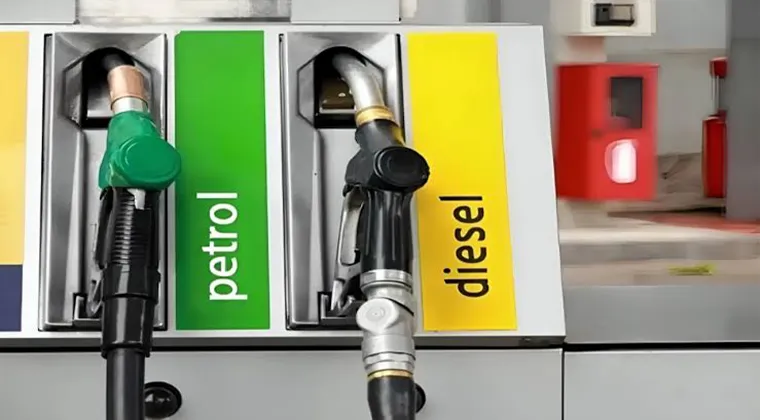

Analysts Expect UAE Fuel Prices to Remain Closely Linked to Global Oil Market Developments
Energy market experts believe the coming weeks are likely to be characterised by continued uncertainty rather than a clear upward or downward trend in crude oil prices. Although recent movements in international oil markets have increased expectations of another reduction in UAE fuel prices, analysts say several global factors continue to create an unpredictable environment.
Hamza Dweik, Head of Trading for the Middle East and North Africa at Saxo Bank, said the firm’s central outlook for August is one of persistent market volatility. Instead of anticipating a prolonged rally or a sustained decline in oil prices, the bank expects crude to fluctuate as traders respond to changing geopolitical and economic developments.
According to Dweik, investors are monitoring a wide range of variables that could quickly influence oil prices. Among the most significant are developments affecting maritime trade routes in the Gulf region, where even minor disruptions can have an immediate impact on market sentiment. Shipping activity through strategic waterways remains under close observation, as any interruption to tanker movements could affect global crude supplies.
At the same time, financial markets are paying close attention to diplomatic efforts aimed at reducing regional tensions. Any progress in negotiations or agreements that improve security across major shipping corridors could ease concerns over supply disruptions and help stabilise oil prices. Likewise, evidence that tanker traffic is returning to normal levels would reinforce confidence that energy exports are continuing without major obstacles.
These opposing forces have created a market environment in which prices can change rapidly. A single geopolitical development, official statement or security incident can trigger significant movements in crude prices within a short period. As a result, analysts believe oil is likely to remain highly sensitive to news events throughout August.
For consumers in the UAE, this means domestic fuel prices will continue to reflect conditions in international energy markets. Since the country’s monthly fuel pricing mechanism is linked to global oil benchmarks, changes in crude prices generally influence the retail cost of petrol and diesel, although adjustments are based on average market performance rather than daily fluctuations.
Current market trends support the possibility of another reduction in UAE fuel prices when the authorities announce the August rates. Softer crude prices compared with earlier peaks have improved expectations that motorists may benefit from lower costs at the pump for a second consecutive month.
However, market specialists caution that the size of any reduction is likely to remain limited. Although international crude prices have eased, several factors continue to prevent a larger decline in retail fuel costs.
One of the key considerations is the level of refined fuel inventories. Stocks of petrol, diesel and other petroleum products remain relatively constrained in several regions, limiting the extent to which lower crude prices can immediately translate into cheaper fuel for consumers. Refining capacity, transportation costs and distribution expenses also play an important role in determining retail prices.
In addition, geopolitical risks continue to influence energy markets by adding what analysts describe as a “risk premium” to oil prices. Investors often bid prices higher when there is uncertainty surrounding production facilities, export infrastructure or critical shipping lanes. Even if no actual disruption occurs, the possibility of supply interruptions can keep crude prices elevated.
The Middle East remains central to this dynamic because of its importance to global oil production and exports. Developments affecting major producers or shipping routes through the Gulf are closely watched by energy traders worldwide. Any increase in regional tensions has the potential to influence market expectations and support higher crude prices.
Consequently, while the underlying trend in crude prices has become somewhat more favourable for consumers, analysts believe geopolitical uncertainty continues to act as a buffer against significant declines. This means motorists should remain cautious about expecting substantial reductions in monthly fuel prices.
Experts note that fuel pricing is influenced by a combination of global oil prices, refining margins, inventory levels, transportation costs and currency movements. These factors often prevent pump prices from moving in direct proportion to daily changes in crude oil benchmarks.
As the UAE prepares to announce its August fuel prices, many industry observers expect another modest decrease rather than a dramatic adjustment. Such an outcome would be consistent with recent market conditions, where crude prices have softened but remain vulnerable to sudden reversals driven by geopolitical developments.
Looking ahead, analysts say the direction of fuel prices will largely depend on whether international oil markets continue to stabilise. Continued diplomatic progress, uninterrupted shipping activity and improving supply conditions could create room for further easing in crude prices over the coming months. Conversely, any renewed escalation of regional tensions or disruption to export routes could quickly reverse recent gains and place upward pressure on fuel costs once again.
For households and businesses across the UAE, the latest outlook provides cautious optimism. A second consecutive monthly decline in fuel prices would help reduce transport expenses and operating costs, offering some financial relief after earlier increases. Nevertheless, the expected reduction is likely to be relatively modest, reflecting the complex mix of global economic conditions and geopolitical risks that continue to shape the international energy market.
Until the official August fuel prices are announced, the final outcome will remain dependent on developments in global crude markets during the pricing period. While the overall direction currently favours a slight reduction, analysts agree that volatility remains the defining characteristic of today’s oil market, making significant price swings possible in either direction.