**A remarkable UAE farming achievement sees a Ras Al Khaimah grower cultivating a large vineyard in the mountains, showcasing successful local grape production and innovative agricultural practices in challenging conditions.**
UAE Agriculture Success Story: Farmer Produces Large-Scale Grape Harvest in RAK Mountains.
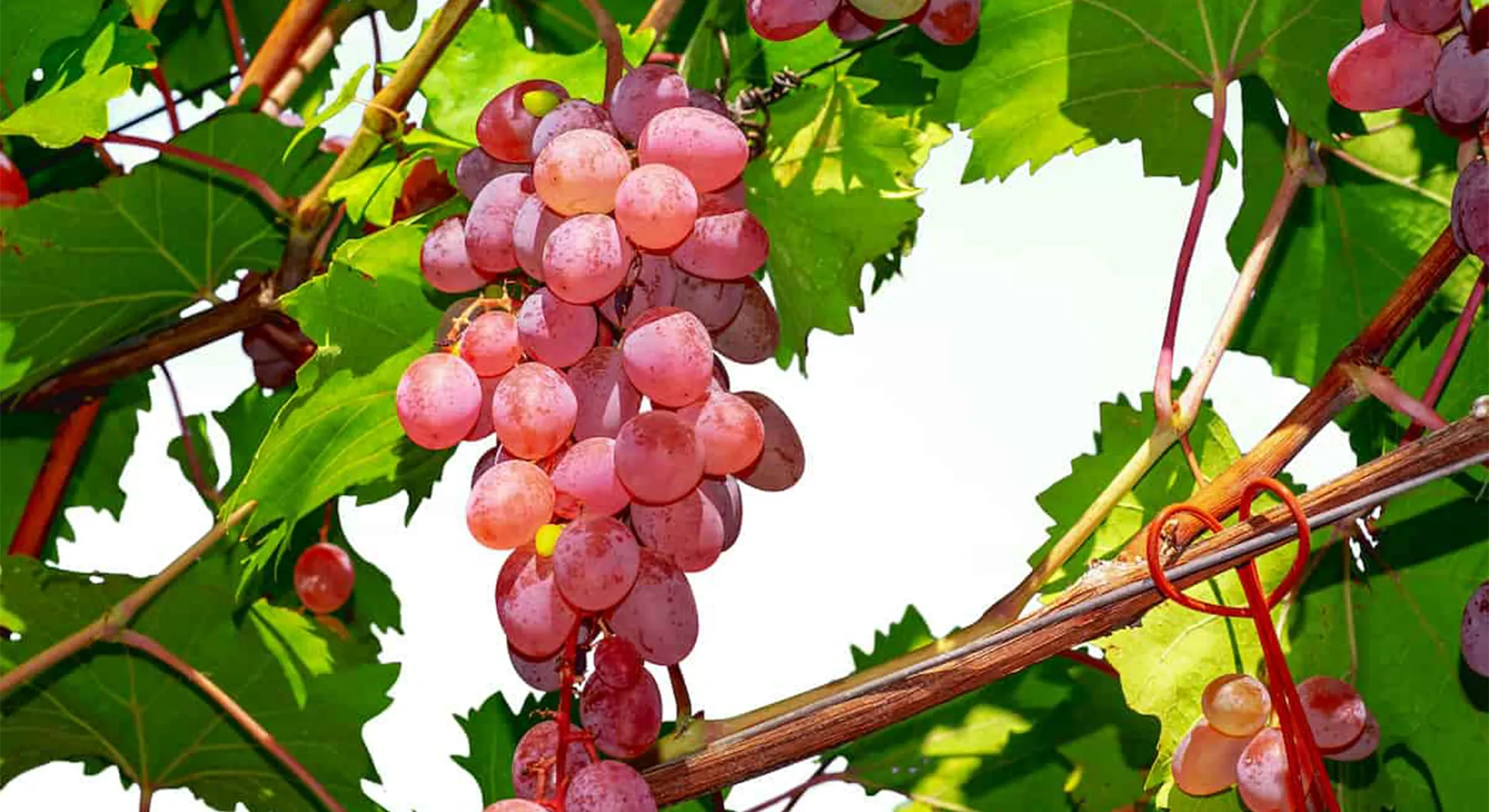
Rising interest in locally developed Emirati grape varieties has helped expand a family-owned nursery, with seasonal output growing significantly from just a few hundred plants to over 10,000 seedlings each year.
As the annual grape harvesting period begins in Ras Al Khaimah’s mountainous Asimah region, a local farmer is witnessing growing interest in traditional Emirati grape varieties. The increasing demand for locally grown seedlings has transformed his family-run nursery into one of the region’s notable sources of grape plants, with production now exceeding 10,000 seedlings every season.
The farmer explained that interest in Emirati grape varieties has increased significantly over recent years, with customers showing greater enthusiasm for cultivating traditional grape plants in home gardens, farms and agricultural areas. What started as a small-scale operation producing only a few hundred seedlings has gradually expanded into a larger nursery capable of supplying thousands of plants each year.
Marwan Saif Rashid Al Mazrouei, a farmer from Asimah, said the region’s unique mountain environment has played an important role in supporting grape cultivation. Located in the southern part of Ras Al Khaimah, approximately 90 kilometres from the city centre, Asimah is known for its agricultural landscape, natural surroundings and farming traditions that have been passed down through generations.
The mountainous area provides conditions that are suitable for growing several local crops, including traditional grape varieties that have adapted to the region’s climate over many years. According to Al Mazrouei, the area’s grape-growing heritage continues to attract interest from farmers and agricultural enthusiasts looking to preserve and expand Emirati varieties.
This year’s grape harvest season started in May and continued until June, with the timing of the harvest largely influenced by changing weather conditions. Al Mazrouei explained that temperature levels play a major role in determining how quickly the grapes mature.
“When temperatures rise, the grapes reach maturity faster,” he said, noting that warmer conditions can accelerate the ripening process. However, when the weather remains cooler, the growing period becomes longer, allowing harvesting activities to continue throughout both May and June.
The farmer said successful grape production requires consistent care and attention throughout the year. Maintaining healthy vines involves several important agricultural practices, including regular pruning, applying suitable fertilisers and protecting plants from pests that can affect growth and fruit quality.
Before the grapevines begin producing fruit, they undergo extensive preparation during the winter season. Al Mazrouei explained that the vines are carefully pruned in February to encourage stronger growth and improve the quality of the upcoming harvest. This process helps control the shape of the plants, supports healthier branches and prepares the vines for the fruit-bearing season.
Once the growing cycle begins, farmers continue monitoring the plants closely to ensure they receive the necessary nutrients and protection. Proper irrigation, soil management and pest control are essential factors in maintaining productive grapevines, particularly in the challenging conditions of a mountainous environment.
Al Mazrouei highlighted that Asimah has become recognised for preserving authentic Emirati grape varieties, with both red and green grapes cultivated across the region. These traditional varieties have been maintained through generations, reflecting the agricultural knowledge and farming practices of local communities.
Some of the oldest grapevines on his farm are more than 25 years old, serving as examples of the durability and adaptability of Emirati grape plants. These mature “mother vines” continue to play an important role in producing new seedlings and preserving the characteristics of local grape varieties.
The nursery’s expansion reflects a wider interest in sustainable agriculture and locally adapted crops in the UAE. As more people become interested in growing their own produce and supporting traditional farming, demand for native plant varieties has increased.
According to Al Mazrouei, the growing popularity of Emirati grapes has encouraged the nursery to increase its production capacity while maintaining the quality of its seedlings. Each season, thousands of young grape plants are prepared and supplied to customers who want to grow varieties suited to the UAE’s climate.
The farmer believes that preserving local grape varieties is not only important for agricultural development but also for protecting a part of the country’s farming heritage. Traditional crops that have adapted naturally to local conditions offer valuable knowledge about sustainable cultivation in the UAE environment.
The success of grape farming in Asimah demonstrates how local agricultural practices can continue to thrive despite the region’s demanding climate. Through careful management, experience and dedication, farmers in the mountainous areas of Ras Al Khaimah are showing that traditional crops can remain productive and commercially valuable.
The rising demand for Emirati grape seedlings also highlights increasing public interest in home farming and locally sourced agricultural products. Many growers are choosing varieties that can perform well in the UAE’s climate while contributing to the preservation of indigenous farming traditions.
As harvesting continues and preparations begin for future planting cycles, Al Mazrouei’s nursery remains focused on expanding production while maintaining the authenticity of Emirati grape varieties. The growth from a small family operation into a producer of more than 10,000 seedlings per season reflects the potential of local agriculture and the continued appreciation for traditional crops in the UAE.
The story of Asimah’s grape cultivation represents a combination of heritage, innovation and agricultural commitment. With growing demand for locally adapted plants and increasing awareness of sustainable farming, Emirati grape varieties are gaining renewed attention among farmers and residents across the country.
In addition to preserving traditional Emirati grape varieties, Marwan Saif Rashid Al Mazrouei has also started experimenting with a selection of international grape types at his farm in Ras Al Khaimah’s Asimah region. The introduction of these foreign varieties is part of his effort to explore different grape options and expand the range of plants available through his nursery.
However, production of international grape varieties remains limited for the time being because the vines are still in the early stages of development. Unlike the older local varieties that have adapted to the UAE’s climate over many years, the newer imported vines require more time to mature and establish strong growth patterns before they can be produced on a larger scale.
Al Mazrouei explained that the main focus of his nursery continues to be the cultivation and propagation of Emirati grape varieties, which have seen a remarkable increase in popularity among farmers and gardening enthusiasts. He said interest in locally grown grape seedlings has expanded considerably compared with previous years, creating a growing demand that has encouraged the nursery to increase its seasonal production.
Reflecting on the growth of the business, Al Mazrouei said the nursery’s output has changed significantly over time. In the past, demand for local grape plants was relatively modest, and the farm produced only a few hundred seedlings annually. At that stage, the nursery was able to meet customer requirements with a much smaller production capacity.
Today, the situation has changed dramatically. The nursery now produces more than 10,000 grape seedlings every season, representing a major increase from its earlier output. Despite this expansion, Al Mazrouei said customer demand continues to be higher than the number of plants the nursery can currently provide.
He noted that the increasing popularity of Emirati grape varieties has come from greater awareness of locally adapted crops and a renewed interest in traditional farming methods. More residents and agricultural enthusiasts are looking to grow plants that can withstand the UAE’s climate while maintaining a connection to the country’s farming heritage.
The farmer said the nursery’s success has been built on years of experience, careful cultivation and knowledge passed down through generations. He learned grape propagation techniques from his father, who introduced him to the practices required to maintain healthy vines and produce strong seedlings. Over time, Al Mazrouei developed these skills further and expanded the nursery to meet the growing interest in local grape cultivation.
Although the farm does not currently sell grapes as a commercial product, its main activity focuses on producing and supplying seedlings. The nursery plays an important role in supporting other growers who want to establish grape plants in their own farms, gardens or agricultural spaces.
Al Mazrouei explained that the mature grapevines on his farm provide valuable insight into the productivity of local varieties. Each fully developed vine typically produces around 30 kilograms of grapes, although the final yield can change from year to year depending on factors such as weather conditions, irrigation, soil quality and overall plant health.
The mature vines also serve another important purpose by acting as sources for new seedlings. Through careful propagation methods, the nursery is able to produce young plants that maintain the characteristics of the original local varieties. This process helps preserve traditional grape types while ensuring they remain available for future generations of farmers.
According to Al Mazrouei, different local grape varieties have their own unique characteristics. The Emirati red grape variety, for example, is known for producing smaller fruits but has the advantage of faster growth after planting. This makes it attractive to growers who want vines that establish themselves relatively quickly.
The local green grape variety, on the other hand, develops larger fruits and has its own appeal among growers. However, Al Mazrouei explained that green grape seedlings generally require a longer period to become fully established compared with the red variety. This difference means farmers must consider their preferred growing timeline when selecting which type of grape plant to cultivate.
Both varieties continue to attract strong interest because they are naturally suited to the local environment. Their ability to adapt to UAE conditions makes them popular choices among people who want to grow grapes successfully without relying entirely on imported varieties.
The nursery provides Emirati red and green grape seedlings in different sizes to suit the needs of various customers. Some buyers prefer younger plants that they can nurture from an early stage, while others choose larger seedlings that are closer to maturity and may establish more quickly after planting.
New supplies of grape seedlings become available at the beginning of the planting season, which typically starts during September and October. This period is considered an important time for growers preparing their farms and gardens for new cultivation cycles.
The availability of locally produced seedlings during the planting season allows customers to select plants at the most suitable time for establishing grapevines. It also supports the continuation of grape-growing traditions in areas where local agriculture has long been part of community life.
Al Mazrouei believes the increasing demand for Emirati grape seedlings reflects a wider shift towards local farming and sustainable agriculture in the UAE. As more people develop an interest in growing their own crops, traditional varieties that have proven successful in the region are receiving renewed attention.
The expansion of the nursery demonstrates how family-based agricultural knowledge can develop into a larger operation while preserving traditional practices. By combining experience inherited from previous generations with modern cultivation methods, Al Mazrouei has created a successful model for maintaining and promoting local grape production.
The introduction of international varieties alongside Emirati grapes also shows the farmer’s interest in exploring new possibilities while continuing to protect the heritage of local crops. As these younger vines mature, they may provide additional options for growers interested in expanding their grape collections.
For now, the nursery remains focused on meeting the strong demand for Emirati grape seedlings and maintaining the quality of its production. From an operation that once produced only hundreds of plants each year to one supplying more than 10,000 seedlings every season, the farm’s growth highlights the rising popularity of UAE-grown grape varieties.
Through dedication, agricultural expertise and a commitment to preserving traditional crops, Al Mazrouei continues to support the development of grape cultivation in Ras Al Khaimah. His work reflects the potential of local agriculture and demonstrates how heritage farming practices can continue to thrive in a modern UAE landscape.