A new infrastructure initiative will see Dubai construct bridges and tunnels at four key road junctions, helping motorists enjoy smoother traffic and quicker commutes.
Dubai Unveils New Bridges and Tunnels to Cut Travel Times at Four Major Intersections.
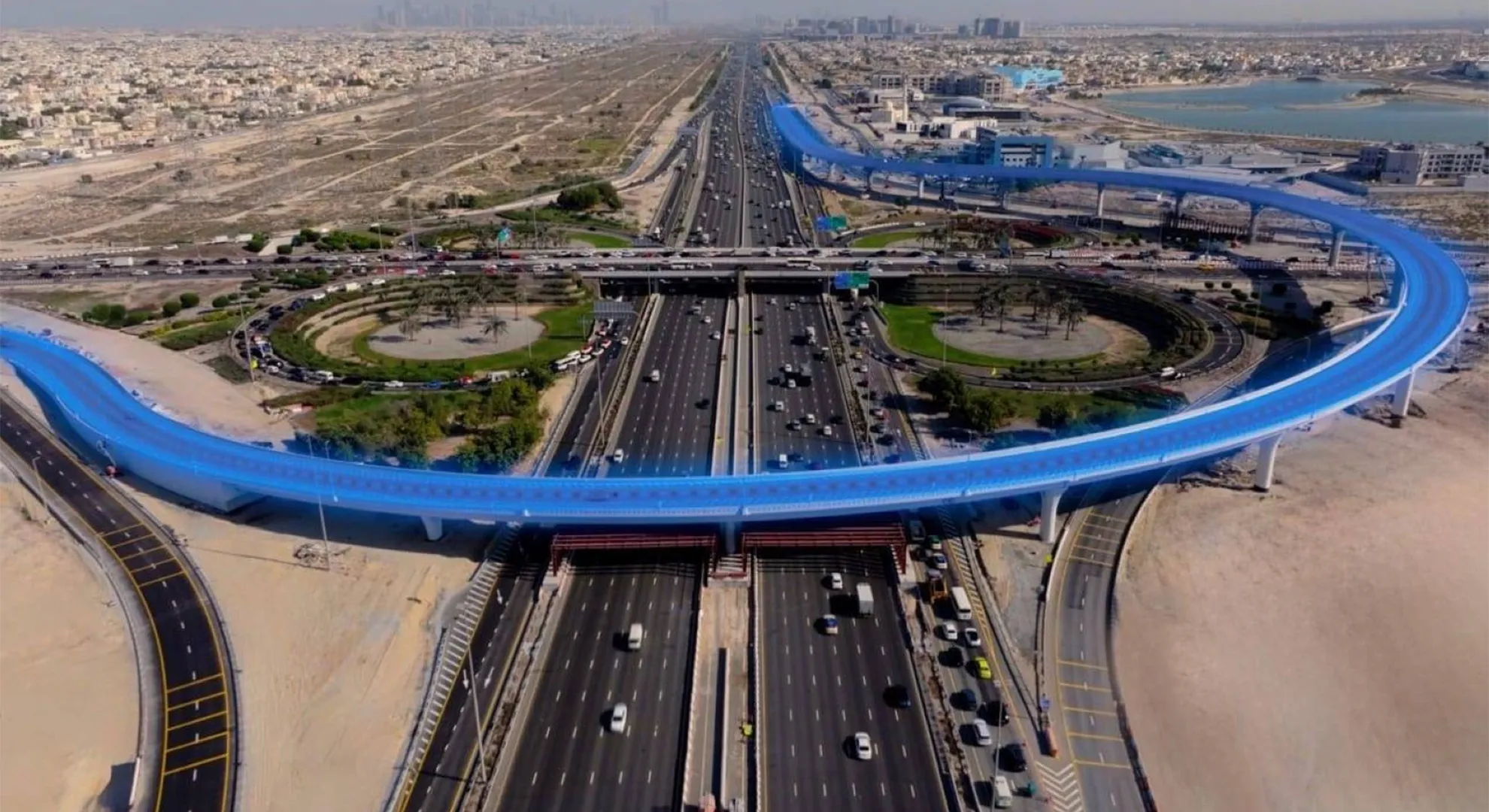
Dubai’s planned upgrades to Oud Metha and Al Asayel Streets are expected to reduce journey times on key road corridors by as much as 75%.
Dubai is carrying out a major road infrastructure programme aimed at improving traffic movement across several of its busiest transport corridors. The initiative includes the construction of new bridges, tunnels, additional traffic lanes and upgraded service roads at four important intersections. The improvements are intended to ease congestion, increase road capacity and provide faster journeys for motorists travelling through central parts of the emirate.
The infrastructure works are being delivered under the Oud Metha and Al Asayel Streets Development Project, one of the city’s latest efforts to modernise its road network in response to continued population growth and rising traffic volumes. Once completed, the project will strengthen connections between several strategic routes that serve residential communities, commercial districts and major transport corridors.
The development focuses on enhancing links between Oud Metha Street, Sheikh Rashid Road, Al Asayel Street, Al Wasl Club Street, Al Khail Road and Dubai-Al Ain Road. Together, these roads form an important transport network used daily by thousands of commuters travelling across different parts of Dubai. By redesigning key junctions and introducing new traffic solutions, authorities aim to improve overall traffic efficiency while reducing delays during peak hours.
One of the most significant benefits expected from the project is a substantial reduction in journey times. Travel that currently takes around 20 minutes during busy periods is projected to be reduced to approximately five minutes after all phases of the development are completed. This improvement is expected to make daily commuting more efficient while enhancing connectivity between several established neighbourhoods.
The upgraded network will directly benefit residents, businesses and visitors travelling through areas such as Zabeel, Al Jaddaf, Oud Metha and Umm Hurair. These districts are home to residential developments, educational institutions, healthcare facilities, hotels, commercial centres and government offices, making them among the busiest parts of the city during both weekdays and weekends.
Construction has already reached an important milestone with the opening of a newly completed three-lane bridge, providing motorists with improved traffic flow along one section of the project. Work continues on the remaining infrastructure, including two new tunnels and an additional bridge, all of which are scheduled for completion before the end of August. Once these components become operational, the full benefits of the project are expected to be realised.
Improvements at Oud Metha Street and Sheikh Rashid Road
One of the primary areas being upgraded is the intersection connecting Oud Metha Street with Sheikh Rashid Road. This location experiences heavy traffic throughout the day because it serves vehicles travelling between several important destinations, including Al Garhoud Bridge, Dubai-Al Ain Road and Bur Dubai.
To improve traffic circulation, engineers are introducing a series of modifications that will increase road capacity while reducing bottlenecks created by merging traffic movements. The redesign is intended to provide smoother vehicle movement through the intersection and reduce waiting times for motorists approaching the junction from different directions.
A key element of the upgrade involves expanding the left-turn ramp that carries traffic from Oud Metha Street onto Sheikh Rashid Road in the direction of Al Garhoud Bridge. An additional lane is being added to this ramp, allowing a greater number of vehicles to pass through the junction during busy periods.
With the extra lane in place, the ramp will be capable of handling approximately 1,800 vehicles every hour. The increased capacity is expected to minimise congestion that frequently develops on this route during the morning and evening rush periods while improving access towards one of Dubai’s most important bridge crossings.
Authorities are also enhancing the service road running alongside Sheikh Rashid Road between the existing bridge and the exit leading to Al Zahrawi Street. This section has been redesigned to reduce conflicts between vehicles entering and leaving the roadway, helping improve traffic organisation and enhancing overall road safety.
The upgraded service road will provide motorists with clearer lane arrangements and more efficient access to nearby destinations, reducing unnecessary weaving between vehicles and creating smoother traffic flow across the surrounding road network.
Further improvements are being introduced for motorists travelling from Sheikh Rashid Road towards Dubai-Al Ain Road via Oud Metha Street. The number of dedicated right-turn lanes at the junction will increase from two to three, allowing significantly more vehicles to complete the movement during each traffic signal cycle.
The additional turning lane will increase the intersection’s capacity to around 4,000 vehicles per hour. This enhancement is expected to reduce queuing, particularly during peak commuting periods when traffic volumes are at their highest.
Another important component of the redevelopment is the construction of a new tunnel that will link the Oud Metha Street service road directly with the Sheikh Rashid Road intersection for vehicles travelling towards Bur Dubai. The tunnel has been designed to separate traffic streams, reducing interference between different movements while allowing motorists to continue their journeys with fewer interruptions.
By directing part of the traffic below ground, the new tunnel will help reduce pressure on the existing surface intersection. This separation is expected to improve journey reliability, decrease congestion and contribute to safer traffic operations by minimising crossing conflicts between vehicles.
Overall, the upgrades at the Oud Metha Street and Sheikh Rashid Road intersection represent a comprehensive redesign rather than a simple road widening project. Through a combination of additional lanes, improved ramps, upgraded service roads and a new tunnel connection, the intersection will be better equipped to accommodate current traffic volumes while supporting future growth across Dubai’s expanding transport network.
Once the entire Oud Metha and Al Asayel Streets Development Project is completed, motorists are expected to benefit from faster travel, improved road safety, enhanced connectivity between major highways and a more efficient transport system serving some of the city’s busiest districts.
Upgrades at the Oud Metha Street, Al Asayel Street and Al Wasl Club Street Junction
A significant portion of the Oud Metha and Al Asayel Streets Development Project focuses on transforming the busy intersection where Oud Metha Street, Al Asayel Street and Al Wasl Club Street meet. This junction is a key link within Dubai’s road network, handling large volumes of traffic travelling between residential communities, commercial districts and major highways each day.
To improve traffic movement and reduce congestion, the project includes the construction of three new bridges that will create more direct connections between Al Asayel Street, Al Wasl Club Street and Al Khail Road. These new structures are designed to separate different traffic movements, minimise delays at traffic signals and increase the overall efficiency of the intersection.
One of the bridges has been designed with two traffic lanes to accommodate vehicles travelling from Al Asayel Street towards Al Wasl Club Street. By providing a dedicated elevated route, motorists will be able to bypass sections of the intersection that currently experience heavy congestion, resulting in smoother and more consistent traffic flow throughout the day.
Another bridge within the project features three lanes and is intended for motorists travelling from Al Khail Road towards Al Asayel Street. This connection is expected to benefit thousands of daily commuters by providing a higher-capacity route that reduces congestion on surrounding roads while improving access between two of Dubai’s important traffic corridors.
The intersection redevelopment also includes a separate two-lane bridge dedicated to vehicles making a left turn from Al Asayel Street towards Oud Metha Street. Creating a dedicated structure for this traffic movement is expected to eliminate many of the delays associated with waiting at traffic signals while reducing interactions with vehicles travelling in other directions.
Once operational, the new left-turn bridge will be capable of handling approximately 2,400 vehicles every hour. This additional capacity is expected to significantly improve traffic efficiency during busy commuting periods, helping motorists complete their journeys more quickly while reducing queues that currently form at the junction.
Beyond the bridge construction, the project also includes improvements to the access road serving Al Wasl Club. This section of the road network has been redesigned to provide smoother vehicle movement for visitors entering and leaving the area, particularly during sporting events and other occasions that generate increased traffic volumes.
Authorities are also upgrading the entry and exit points serving Al Wasl Club to improve vehicle circulation. The redesigned access arrangements are intended to reduce traffic conflicts where vehicles merge or cross paths, enhancing both traffic flow and overall road safety for motorists using the surrounding network.
Together, these enhancements will create a more efficient interchange capable of accommodating increasing traffic demand while improving connectivity between several important parts of Dubai.
Improvements at the Al Wasl Club Street and Al Khail Road Intersection
Another major component of the infrastructure programme involves upgrades to the intersection linking Al Wasl Club Street with Al Khail Road. This location serves as an important gateway for motorists travelling towards Business Bay Crossing and other destinations connected by Al Khail Road, one of Dubai’s principal highways.
The planned improvements are intended to reduce congestion while increasing the capacity of the road network in this busy area. By introducing new infrastructure and expanding existing road sections, authorities aim to create smoother traffic movement for vehicles travelling through the intersection.
A key feature of the redevelopment is a newly constructed two-lane bridge that carries traffic from Al Asayel Street directly towards Al Khail Road in the direction of Business Bay Crossing. The bridge provides motorists with an uninterrupted route, allowing them to bypass traffic signals and reducing delays that commonly occur during peak travel periods.
The structure has been designed to accommodate approximately 3,000 vehicles per hour, providing a significant increase in traffic capacity for one of the area’s busiest traffic movements. The additional capacity is expected to ease congestion not only at the intersection itself but also on nearby connecting roads.
To further improve traffic circulation, the exit from Al Wasl Club Street leading onto Al Khail Road is being widened. The existing configuration is being expanded to include two traffic lanes, allowing more vehicles to merge onto the highway efficiently and reducing bottlenecks that often develop during periods of heavy traffic.
The project also introduces new service roads running alongside Al Wasl Club Street in both directions. These roads are intended to improve access to nearby properties while separating local traffic from through traffic using the main carriageway. By providing dedicated routes for local movements, authorities expect to improve overall traffic organisation and reduce congestion on the primary road.
In addition to the road improvements, new vehicle parking facilities will be incorporated into the area. The extra parking capacity is expected to benefit visitors, businesses and surrounding facilities by providing more organised parking arrangements while reducing the likelihood of vehicles stopping or parking along busy road sections.
Collectively, these upgrades are intended to improve traffic efficiency, enhance accessibility and support continued development in the surrounding districts.
Redevelopment of the Zabeel Palace Street, Al Khail Road and Oud Metha Street Intersection
The fourth major junction included within the development programme is located where Zabeel Palace Street, Al Khail Road and Oud Metha Street connect. This intersection plays an important role in linking several of Dubai’s major highways and urban districts, making it a critical part of the city’s transport infrastructure.
The planned improvements have been designed to enhance traffic movement between Al Khail Road, Dubai-Al Ain Road, Oud Metha Street and Al Wasl Club Street. By increasing road capacity and introducing additional infrastructure, the project aims to reduce congestion while improving journey reliability for motorists travelling through the area.
One of the planned enhancements involves expanding the left-turn ramp that carries traffic from Al Khail Road towards Dubai-Al Ain Road. An additional lane will be added to this connection, allowing more vehicles to use the ramp simultaneously and reducing waiting times during periods of heavy demand.
Following the expansion, the ramp’s capacity will increase from approximately 900 vehicles per hour to around 1,800 vehicles per hour. Doubling the number of vehicles that can pass through the connection is expected to significantly improve traffic flow while reducing queues that frequently develop on the approach roads.
Another important feature of the project is the construction of a new single-lane tunnel serving motorists travelling from Dubai-Al Ain Road towards Al Wasl Club Street. The tunnel has been designed to provide a dedicated route for this traffic movement, separating it from other vehicle flows at the surface intersection.
The tunnel will be capable of accommodating approximately 1,200 vehicles every hour. By moving part of the traffic underground, the new connection is expected to reduce traffic conflicts, minimise delays and improve safety by decreasing the number of crossing movements within the junction.
The redevelopment also includes widening the existing bridge carrying traffic from Al Khail Road towards Oud Metha Street. The bridge currently operates with two traffic lanes, but the project will expand it to three lanes to better accommodate growing traffic volumes.
Following the widening works, the bridge’s hourly traffic capacity will increase from around 2,200 vehicles to approximately 3,300 vehicles. The additional lane will enable more vehicles to pass through the corridor during peak periods, helping reduce congestion while improving travel times for commuters using this important route.
Taken together, the improvements across these three intersections represent a comprehensive upgrade of some of Dubai’s busiest transport corridors. Through the construction of new bridges and tunnels, the expansion of existing roads, improvements to service roads and enhanced access arrangements, the project is designed to strengthen connectivity between major highways, improve traffic efficiency and provide safer, faster and more reliable journeys for thousands of motorists every day.