Fujairah’s Wadi Wurayah has gained international recognition after being officially included in the UNESCO World Heritage list, highlighting its exceptional natural beauty, ecological importance, and cultural value on the global stage.
Fujairah’s Wadi Wurayah Joins the World’s Most Celebrated Heritage Locations After UNESCO Approval.
Covering an area of 225 square kilometres, Fujairah’s park features ophiolite formations, including 90-million-year-old remnants of ancient oceanic crust that geologists regard as some of the best-preserved examples in the world.
Fujairah’s Wadi Wurayah National Park Receives UNESCO World Heritage Recognition
The United Arab Emirates has achieved a major milestone in environmental conservation after Wadi Wurayah National Park in Fujairah was officially added to the UNESCO World Heritage List. The recognition was announced following a decision made by the World Heritage Committee during its 48th session, which was held in Busan, South Korea.
The inclusion of Wadi Wurayah on the prestigious global list marks an important achievement for the UAE’s efforts to protect and preserve its natural landscapes. The listing acknowledges the park’s exceptional environmental importance and highlights its unique geological features, biodiversity, and ecological significance.
Located in the Emirate of Fujairah, Wadi Wurayah National Park covers an area of approximately 225 square kilometres. The protected area is known for its dramatic mountain scenery, rare ecosystems, freshwater pools, and diverse wildlife. Its recognition by UNESCO reflects the international importance of conserving natural areas that hold exceptional value for future generations.
Wadi Wurayah has become the UAE’s first natural site to receive recognition under UNESCO’s criteria for “Outstanding Universal Value.” The achievement also makes it the country’s third overall location to be included on the World Heritage List, further strengthening the UAE’s presence among globally recognised heritage destinations.
The UNESCO designation is considered a significant step in highlighting the importance of protecting the region’s natural environment. The park represents a rare example of a mountain ecosystem in the Arabian Peninsula and provides valuable insights into the geological history and environmental development of the area.
One of the key features that makes Wadi Wurayah unique is its remarkable geological landscape. The park contains ophiolite rock formations, including ancient sections of oceanic crust that were formed millions of years ago. These geological structures provide scientists with important information about the Earth’s history and are considered among the best-preserved examples of their kind.
Beyond its geological importance, the national park is also home to a wide range of plant and animal species. The area supports unique habitats that are important for regional biodiversity, including species that are rare or specially adapted to the mountainous environment of Fujairah.
The UNESCO recognition highlights the UAE’s long-term commitment to environmental protection and sustainable conservation. Through initiatives focused on preserving natural habitats, protecting wildlife, and promoting responsible tourism, the country has worked to ensure that important ecological areas remain protected.
The announcement was welcomed by Sheikh Salem bin Khalid Al Qassimi, UAE Minister of Culture, who described the achievement as a significant moment for the nation and the Emirate of Fujairah. Sharing his message on social media platform X, he congratulated the UAE and Fujairah on the successful inscription of Wadi Wurayah National Park on the UNESCO World Heritage List.
In his statement, Sheikh Salem highlighted the importance of the achievement as part of the UAE’s ongoing efforts to safeguard its natural heritage. He noted that the recognition reflects the country’s dedication to preserving environmentally valuable locations and ensuring their protection for future generations.
The addition of Wadi Wurayah to the UNESCO list is expected to increase global awareness of Fujairah’s natural attractions and encourage greater appreciation of the region’s environmental treasures. The status may also support scientific research, conservation programmes, and sustainable tourism initiatives within the park.
For Fujairah, the recognition represents an opportunity to showcase its natural beauty and unique landscapes to an international audience. While the emirate is known for its mountains, coastline, and cultural heritage, the UNESCO listing places greater focus on its ecological importance and natural resources.
Experts believe that international recognition of sites such as Wadi Wurayah can play an important role in encouraging environmental awareness. Protected areas not only preserve natural landscapes but also provide opportunities for education, research, and responsible exploration.
The UNESCO World Heritage List includes locations around the world that are considered to have exceptional cultural or natural importance. Being added to the list requires a site to meet strict criteria and demonstrate outstanding value that extends beyond national boundaries.
Wadi Wurayah’s inclusion reflects the significance of protecting natural environments in a rapidly changing world. The park serves as an example of how conservation efforts can preserve unique ecosystems while allowing communities and visitors to understand the importance of environmental protection.
The UAE’s latest UNESCO achievement adds another chapter to the country’s heritage journey. Alongside its cultural landmarks, the recognition of Wadi Wurayah demonstrates the nation’s commitment to protecting both historical and natural assets.
With its unique geological formations, rich biodiversity, and breathtaking landscapes, Wadi Wurayah now stands among the world’s most valued natural heritage locations. The UNESCO recognition is expected to strengthen conservation efforts and ensure that this exceptional environment continues to be protected for generations to come.
A biodiversity haven
The Unique Natural Wonders That Make Wadi Wurayah a Global Heritage Treasure
Wadi Wurayah National Park stands out as one of the UAE’s most remarkable natural landscapes because it contains a rare freshwater environment within a region known for its dry and rugged terrain. The presence of a permanent water system in such an arid setting is one of the key reasons the Fujairah park has gained international attention and recognition.
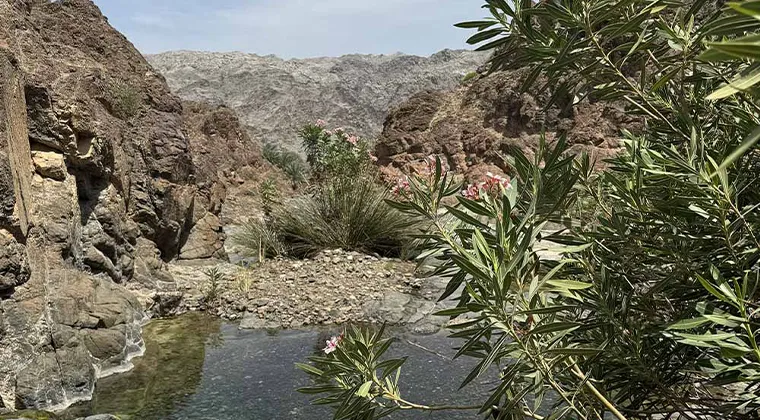
Unlike many desert environments where water sources are seasonal and disappear during dry periods, Wadi Wurayah maintains a continuous freshwater ecosystem throughout the year. This unusual natural feature supports a wide variety of plants and wildlife, creating a thriving ecological area surrounded by mountains and rocky landscapes.
The park’s unique water system is supported by an exceptional underground geological structure. Water stored beneath the surface moves through natural pathways within the landscape before emerging through springs and streams. This process creates a network of flowing water sources that continue to sustain life even in challenging climatic conditions.
Wadi Wurayah is home to more than 300 natural springs and around 60 streams, making it one of the most important freshwater environments in the Arabian Peninsula. These water sources provide essential habitats for numerous species and contribute to the survival of plants and animals that depend on reliable access to water.
The combination of mountains, freshwater resources, and diverse habitats has allowed the area to develop into a centre of biodiversity. The park supports hundreds of species, many of which are rare, threatened, or specially adapted to the region’s mountainous environment.
Another feature that makes Wadi Wurayah scientifically significant is its extraordinary geological history. The park contains large areas of ophiolite rocks, which are exposed sections of ancient oceanic crust that were formed approximately 90 million years ago. These formations provide valuable evidence about the Earth’s geological past and offer researchers an opportunity to study processes that shaped the planet millions of years ago.
Geologists consider the ophiolite formations in Wadi Wurayah among the best-preserved examples found anywhere in the world. Their condition and accessibility make the area an important location for scientific research and geological studies.
Asilah Abdullah Al Mualla, Director-General of the Fujairah Environment Authority, highlighted the importance of long-term research and conservation efforts in protecting the area. She explained that scientific studies in Wadi Wurayah began in 2006, starting with a detailed baseline survey to understand the ecosystem and identify the species living within the park.
The initial research revealed the presence of around 860 different species, demonstrating the ecological richness of the area. Based on these findings, authorities recognised that Wadi Wurayah contained valuable natural resources that required protection and careful management.
Over the years, continued research and monitoring have expanded knowledge of the park’s biodiversity. The number of recorded species has increased to 1,099, reflecting the importance of ongoing conservation work and scientific investigation in understanding the full range of life supported by the ecosystem.
Among the many species found in Wadi Wurayah is the Arabian tahr, a rare wild goat-like mammal considered vulnerable due to habitat pressures and population decline. The park is one of only three locations worldwide where this species continues to live in the wild, making it a critical refuge for its survival.
The presence of the Arabian tahr highlights the importance of protecting mountain habitats in the region. These animals rely on specific environmental conditions, including access to water, suitable vegetation, and safe areas for movement and breeding.
Wadi Wurayah has also gained attention following the rediscovery of the Arabian caracal, a highly endangered wild cat species. The animal had not been officially confirmed in the area for many years before being observed again in the park, making the discovery an important moment for conservation researchers.
The return of confirmed sightings of the Arabian caracal demonstrated the ecological value of the protected area. It showed that the park continues to provide a suitable environment for species that require large, undisturbed habitats to survive.
Other rare species found in Wadi Wurayah include the Blanford’s fox, a small desert-dwelling mammal known for its ability to adapt to harsh environments. The park also provides shelter for unique insect species, including a dragonfly variety that was once believed to have disappeared completely.
The discovery and protection of such species underline the importance of preserving natural areas like Wadi Wurayah. Small ecosystems can play a major role in maintaining biodiversity, especially in regions where natural habitats face challenges from climate change, development, and human activity.
Conservation efforts in the park focus on protecting wildlife, maintaining natural water systems, supporting scientific research, and promoting awareness about the importance of environmental protection. The area serves as an example of how careful management can preserve fragile ecosystems while allowing future generations to benefit from their natural heritage.
The recognition of Wadi Wurayah as a site of global importance reflects the exceptional combination of geology, freshwater resources, and biodiversity found within its boundaries. Its rare landscape demonstrates that even in one of the world’s driest regions, remarkable natural ecosystems can survive and flourish.
With its ancient rock formations, year-round water sources, and extraordinary range of wildlife, Wadi Wurayah represents a valuable natural treasure for the UAE and the wider world. Continued conservation and research will help ensure that this unique environment remains protected and continues to reveal its scientific and ecological secrets for generations to come.
The road to recognition
Wadi Wurayah’s Path to UNESCO Recognition: A Story of Conservation, Research and Protection
The journey of Wadi Wurayah National Park towards becoming a UNESCO World Heritage site was built on years of scientific research, environmental monitoring, and careful conservation planning. The process began with detailed studies carried out in 2006, when researchers conducted baseline surveys to understand the area’s unique ecosystem, geological features, and rich biodiversity.
These early investigations revealed that Wadi Wurayah was home to an exceptional range of plant and animal species, along with important natural resources that required long-term protection. The findings highlighted the environmental importance of the mountainous region and supported efforts to establish stronger conservation measures.
Following the results of the initial studies, Wadi Wurayah was officially declared the UAE’s first protected mountain area in 2009. This designation marked a significant step in preserving the region’s natural landscapes and ensuring that its rare habitats could be managed responsibly.
The protected status allowed authorities to introduce measures aimed at safeguarding the park’s ecosystems while supporting scientific research and conservation programmes. Protecting the area was considered essential due to its unique freshwater resources, ancient geological formations, and the presence of rare wildlife species.
As part of these conservation efforts, authorities made the decision in 2013 to temporarily close the park to visitors. The closure was introduced after extensive assessments of the habitat and biodiversity, with the goal of allowing the natural environment to recover without pressure from human activity.
Asilah Abdullah Al Mualla, Director-General of the Fujairah Environment Authority, explained that the temporary closure was a carefully considered decision based on scientific findings. She said that after studying the ecosystem and the condition of the habitats, authorities determined that limiting public access would give nature the opportunity to restore and strengthen itself.
During the closure period, researchers continued monitoring the environment and collecting valuable data about the park’s recovery. The studies showed that restricting access had a positive impact and helped improve conditions within the ecosystem.
The rehabilitation period allowed experts to better understand the relationship between wildlife, vegetation, and water systems in the protected area. It also provided an opportunity to develop a more sustainable approach to managing future visits while ensuring that conservation remained the top priority.
After years of protection and environmental assessment, Wadi Wurayah reopened to visitors in January 2026. However, access was introduced through a controlled tourism model rather than unrestricted entry. This approach was designed to balance public interest with the need to preserve the fragile natural environment.
Visitors are now able to explore the park through organised group experiences, ensuring that tourism activities remain carefully managed. According to Asilah, individuals interested in visiting the site can register through the park’s operational tourism partner, Fujairah Holidays.
The controlled access system allows people to experience the beauty of Wadi Wurayah while reducing potential impacts on sensitive habitats. By managing visitor numbers and activities, authorities aim to maintain the ecological balance that makes the park internationally significant.
The achievement of UNESCO World Heritage status represents a major milestone, but officials emphasise that the recognition is only the beginning of a long-term responsibility. Maintaining the site’s status requires continuous research, monitoring, reporting, and conservation work.
Asilah noted that receiving UNESCO recognition is the first stage of a much larger commitment. She explained that the ongoing responsibility involves providing regular reports, continuing scientific studies, and ensuring that the natural values that earned the site global recognition remain protected.
The UNESCO designation is expected to raise international awareness of Wadi Wurayah and highlight the UAE’s approach to environmental conservation. The recognition places the park among important natural heritage locations worldwide and showcases the country’s efforts to protect unique ecosystems.
The achievement also reflects the importance of cooperation between environmental authorities, researchers, conservation experts, and local communities. Protecting a site of global value requires continuous collaboration and a shared commitment to preserving natural resources.
For the UAE, Wadi Wurayah’s inclusion on the UNESCO World Heritage List represents another important achievement in the country’s heritage journey. It demonstrates that the nation’s heritage extends beyond historic landmarks and cultural sites to include exceptional natural environments.
Wadi Wurayah now becomes part of the UAE’s growing collection of UNESCO-listed locations. It joins Al Ain Oasis, which was recognised in 2011, and Faya Palaeolandscape, which was added in 2025.
With its ancient geological formations, rare species, freshwater ecosystems, and carefully managed conservation programme, Wadi Wurayah represents a remarkable example of how environmental protection can preserve natural treasures for future generations.
The park’s journey from scientific surveys to protected status and finally to UNESCO recognition reflects years of dedication and planning. Its new global status will not only celebrate its natural importance but also strengthen efforts to ensure that its landscapes and wildlife continue to thrive for many years ahead.