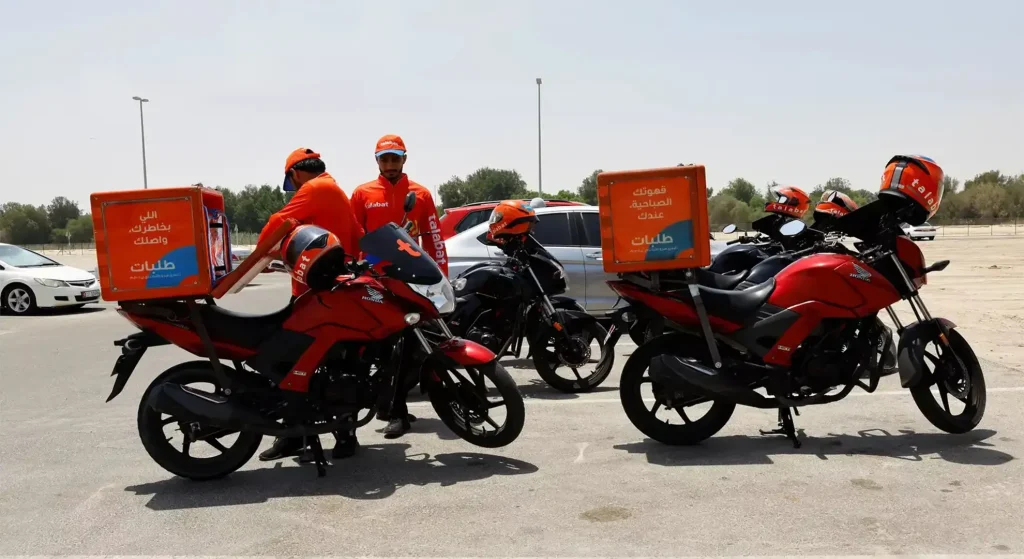
Delivery operators across the UAE are changing work arrangements and enhancing safety protocols following the introduction of mandatory midday breaks aimed at reducing heat-related risks for workers.
UAE Delivery Companies Revise Work Practices as Mandatory Midday Rest Period Comes Into Force.
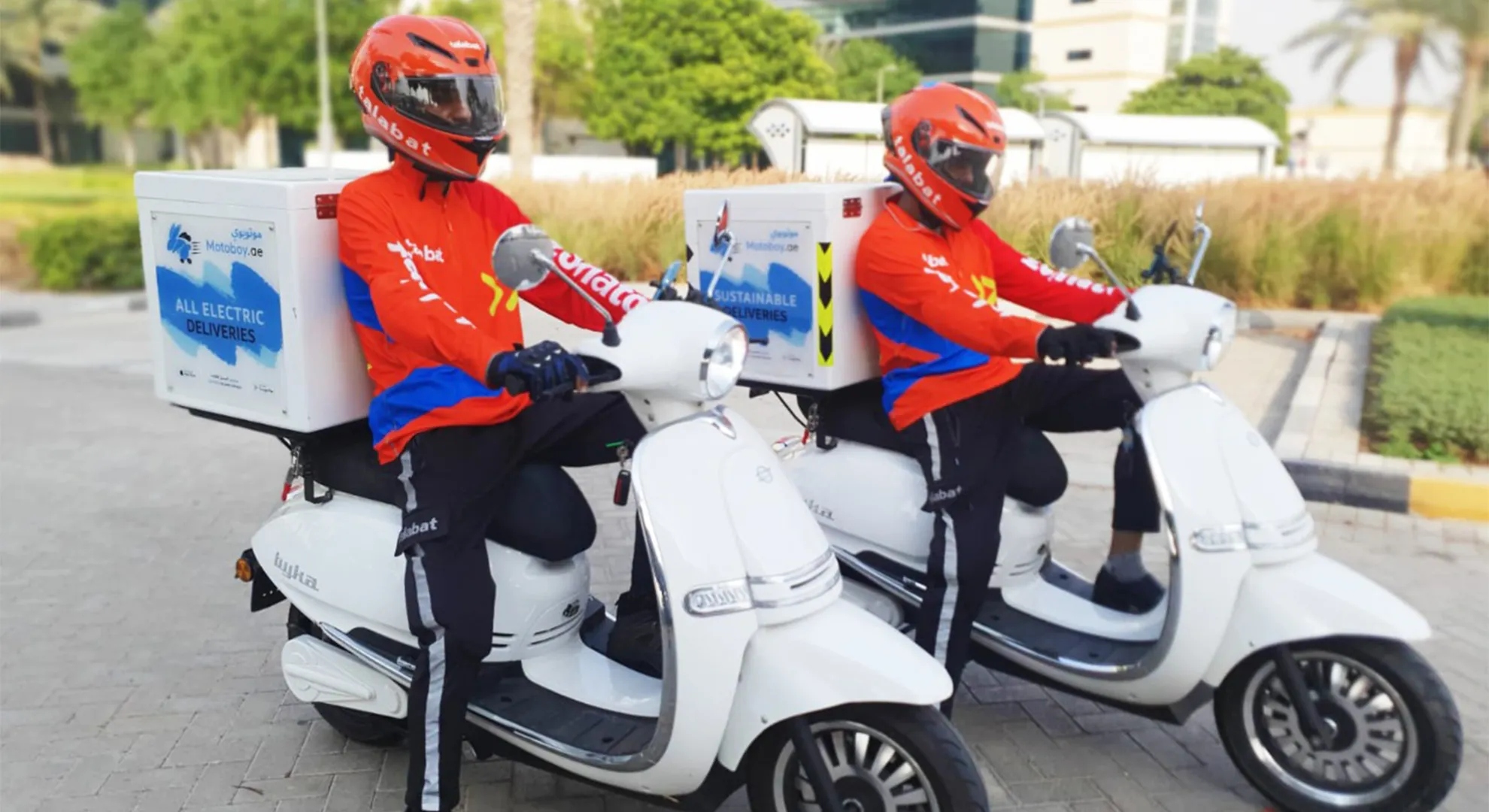
With midday heat restrictions now in place, delivery platforms Careem and Talabat have strengthened safety efforts through rider support stations, workload adjustments, and wellbeing checks.
UAE Delivery Services Strengthen Rider Protection Measures During Summer Midday Break
Delivery companies operating in the UAE are introducing additional safety measures as the country’s annual midday work restriction comes into effect during the hottest months of the year. The regulation, which prevents outdoor work between 12:30pm and 3pm until September 15, is designed to reduce the risks faced by workers exposed to extreme summer temperatures.
With delivery riders among the employees most affected by high heat conditions, several platforms have adjusted their systems and operations to ensure compliance while maintaining service availability for customers.
Under the regulations, delivery platforms must manage rider workloads during restricted hours by limiting the number of assigned orders. Riders are permitted to handle no more than three deliveries during this period, with the total delivery duration restricted to a maximum of one hour.
Companies have responded by updating their technology systems, reviewing delivery schedules, and introducing additional support measures to protect riders while they continue essential services.
Careem has modified its delivery operations by using automated systems to control the number of assignments given to riders during the restricted period. The company’s dispatch technology is designed to reduce pressure on riders and ensure that delivery timelines account for the challenging weather conditions.
The platform said customer delivery estimates are adjusted during peak heat hours to reflect a safer operating pace. Customers are informed that any changes to delivery timing are linked to efforts to protect the health and wellbeing of riders.
Vaibhav Makker, Vice President of Operations – Logistics & Care at Careem, said the company uses technology-driven planning to balance customer expectations with rider safety. He explained that scheduling systems are designed to consider rider availability and prevent excessive workload during periods when temperatures are at their highest.
According to Makker, the company prioritises the safety of its delivery partners while continuing to provide reliable services. He added that customers are given clear information about possible timing adjustments and understand that protecting riders remains the company’s main priority during restricted hours.
The midday break regulation forms part of the UAE’s wider workplace safety programme, particularly during the summer season when temperatures can reach extreme levels. The rule applies to outdoor workers whose jobs require exposure to direct sunlight or open environments.
Previously, the Ministry of Human Resources and Emiratisation (MoHRE) clarified that delivery riders cannot be forced to work during the restricted period. Authorities also confirmed that certain types of outdoor delivery activities, including walking-based deliveries, are not permitted during these hours because of the increased health risks associated with extreme heat exposure.
The annual midday break policy has been implemented for more than two decades and continues to be one of the UAE’s key measures for protecting workers during the summer. This year marks the 22nd consecutive implementation of the initiative.
Beyond regulatory compliance, delivery platforms have increasingly focused on practical support for riders, including better scheduling, rest opportunities, hydration support, and monitoring systems. Companies say these steps are intended to help workers remain safe while allowing delivery services to continue operating efficiently.
The UAE’s delivery sector has grown rapidly in recent years, with thousands of riders providing essential services across cities. As demand for online ordering continues to increase during summer months, companies face the challenge of maintaining service standards while ensuring employees are protected from dangerous weather conditions.
Industry operators say technology plays an important role in managing these challenges. Automated dispatch systems, real-time tracking, and improved workforce planning allow companies to adjust operations quickly while complying with safety requirements.
Authorities continue to encourage employers and workers to follow heat protection guidelines and report unsafe conditions. The midday break initiative reflects the UAE’s broader focus on occupational health and safety, particularly for employees whose work requires outdoor activity.
As temperatures remain high throughout the summer, delivery platforms are expected to continue refining their procedures to support riders and ensure that customer services operate within the required safety framework.
Accessing rest stations
UAE Delivery Platforms Expand Cooling Support for Riders During Summer Heat
As temperatures rise across the UAE, delivery companies are increasing efforts to ensure riders have easy access to safe and comfortable rest areas during working hours. Alongside government-mandated heat protection measures, platforms are introducing digital tools and support systems to help riders locate cooling facilities and manage breaks effectively.
The Ministry of Human Resources and Emiratisation (MoHRE) has emphasized that delivery operators must ensure riders are properly informed about available rest facilities. Companies are required to provide clear information, including locations, directions, and access details, so workers can make use of designated cooling areas whenever required.
To support this requirement, several delivery platforms have integrated technology-based solutions into their rider applications. These tools allow riders to identify nearby rest stations while completing their daily routes, helping them plan breaks without affecting their safety.
Talabat has introduced a digital map feature within its rider application that displays the locations of available rest stations. The interactive system allows delivery partners to view nearby cooling facilities during their shifts and choose convenient locations to pause and recover from outdoor conditions.
Mayank Khaitan, Director of Rider Lifecycle at Talabat, said the feature was developed to make it easier for riders to access suitable rest points during periods of intense heat. He explained that having real-time information about nearby facilities enables riders to make informed decisions about when and where to take breaks.
The company also uses regular messages and reminders within its application to encourage riders to use available cooling stations. These notifications are intended to raise awareness about the importance of taking adequate rest and avoiding prolonged exposure to high temperatures.
Across the UAE, more than 12,000 air-conditioned rest stations have been created through cooperation between government authorities and private sector organisations. These facilities provide workers with spaces where they can take breaks, cool down, and recover before continuing their duties.
Careem has also expanded its summer safety programme by using its Captain application to direct riders toward nearby cooling locations. The company’s 2026 Summer Initiatives programme is designed to support a large number of delivery workers, including not only Careem riders but also delivery personnel working across different platforms.
The company said its approach combines technology, monitoring, and worker feedback to improve the effectiveness of its heat protection measures. Through its digital systems, riders can access information about available rest locations while the company evaluates how frequently these facilities are being used.
Vaibhav Makker, Vice President of Operations – Logistics & Care at Careem, said the company tracks activity at cooling stations to understand usage patterns and identify areas where additional support may be required. Monitoring visits and gathering feedback from riders help the company assess whether facilities are accessible and meeting workers’ needs.
He added that rider feedback plays an important role in improving the network of rest locations. Information collected from delivery partners helps the company adjust coverage, review station placement, and ensure that facilities are available in areas where they are most useful.
The introduction of digital maps and monitoring systems reflects the growing role of technology in workplace safety. Delivery platforms are increasingly using data and real-time information to improve working conditions while maintaining efficient operations.
For riders who spend long hours outdoors, access to shaded or air-conditioned spaces can play a crucial role in reducing the risks associated with extreme heat. Companies say these initiatives are designed not only to comply with regulations but also to create a safer and more sustainable working environment.
The UAE’s summer safety measures highlight the importance of collaboration between government bodies, technology companies, and private businesses. By combining regulation with practical support systems, authorities and delivery platforms aim to protect workers while ensuring essential delivery services continue operating smoothly during the hottest months of the year.
Other steps
Delivery Platforms Expand Summer Support Programmes to Protect UAE Riders from Heat Risks
As part of their efforts to support delivery workers during the UAE’s summer season, major platforms are introducing a range of additional health and safety initiatives designed to help riders manage extreme temperatures and maintain their wellbeing while on duty.
Beyond providing access to cooling facilities and rest areas, companies are focusing on preventive measures, health awareness, hydration support, and medical assistance to reduce the risks associated with prolonged outdoor work during periods of intense heat.
Talabat has developed a seasonal wellness programme aimed at supporting riders throughout the summer months. The initiative includes partnerships with different organisations to provide care packages containing essential items that help riders remain comfortable and prepared while working in challenging weather conditions.
The packages include products such as electrolyte supplements, wet wipes, and personal hygiene supplies, offering practical support to riders who spend extended periods outdoors. The company said these measures are designed to address the everyday needs of delivery partners during the hottest part of the year.
In addition to distributing supplies, Talabat has organised special rest events for riders, creating opportunities for them to take breaks, recharge, and connect with members of the wider delivery community. These gatherings include refreshments such as ice cream and hydration drinks, while also encouraging interaction and engagement among riders.
The company said these activities are intended to go beyond basic safety requirements by creating a stronger sense of support and appreciation among delivery partners. By combining workplace safety measures with community-focused initiatives, Talabat aims to improve the overall experience of riders during the summer period.
Regular health monitoring is another key part of the programme. Weekly health checks allow potential concerns to be identified at an early stage, enabling riders to receive support before minor issues become more serious. The company said ongoing monitoring helps ensure that workers remain aware of their health conditions while operating in high-temperature environments.
Careem has also expanded its summer safety efforts by focusing on education, emergency support, and access to essential supplies. Delivery partners, known as Captains, receive guidance on recognising early warning signs of heat-related stress and understanding the correct steps to take if they begin experiencing symptoms.
The training is intended to help riders identify risks quickly and respond appropriately while working outdoors. Awareness of symptoms such as exhaustion, dizziness, or discomfort can allow workers to take timely action and seek assistance when necessary.
As part of its wider support network, Careem has partnered with the Pakistan Association Dubai to provide riders with access to professional medical assistance. The partnership is designed to ensure that delivery workers can receive immediate support when health concerns arise.
The company has also worked with PepsiCo to provide refreshments and snacks for Captains, helping riders stay hydrated and maintain energy levels during demanding shifts. These initiatives are aimed at supporting workers throughout the summer while complementing the broader safety measures already in place.
Government authorities continue to monitor compliance with workplace safety requirements through inspections, digital monitoring systems, and awareness campaigns. The Ministry of Human Resources and Emiratisation (MoHRE) uses technology-based tools alongside field inspections to ensure employers follow heat protection regulations.
The combination of government oversight and private-sector initiatives reflects the UAE’s broader approach to protecting outdoor workers during extreme weather conditions. Delivery platforms say that maintaining rider safety requires more than simply adjusting operations; it also involves providing education, resources, and ongoing support.
With demand for delivery services continuing throughout the summer, companies are working to balance customer expectations with the need to protect employees. Technology, health programmes, and partnerships with community organisations are becoming increasingly important tools in creating safer working conditions.
Industry leaders say these efforts demonstrate the growing focus on worker wellbeing within the delivery sector. As temperatures remain high, platforms are expected to continue improving their safety programmes and introducing new measures to support riders throughout the summer season.