Environmental activist Sonam Wangchuk was admitted to a hospital after completing a 21-day hunger strike in India, with doctors monitoring his condition following the prolonged fasting protest.
Sonam Wangchuk Hospitalised Following Three-Week Hunger Strike in India.
The Narendra Modi-led government alleged that Sonam Wangchuk was encouraging public unrest through statements it described as inflammatory.
Sonam Wangchuk Taken to Hospital After Health Declines During Extended Hunger Protest
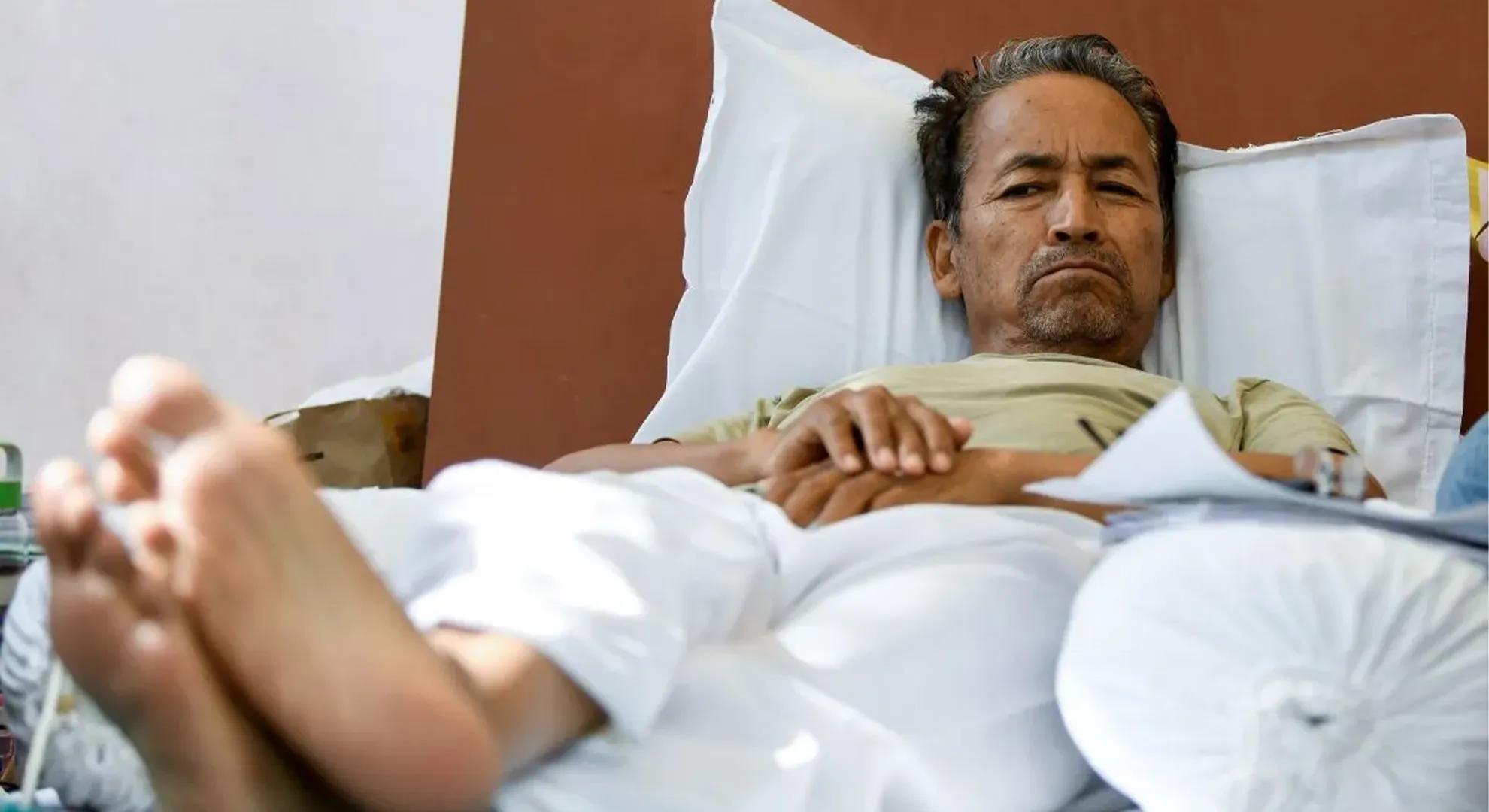
Indian authorities have shifted social activist Sonam Wangchuk to a hospital after concerns grew over his health during a prolonged hunger strike in New Delhi. The 59-year-old activist was moved for medical attention after completing 21 days of fasting as part of a protest linked to demands for accountability and changes in the education system.
Wangchuk began his hunger strike on June 28 in support of young protesters associated with the Cockroach Janta Party (CJP), who have been calling for the resignation of Union Education Minister Dharmendra Pradhan. The group has raised concerns over alleged irregularities connected to examination paper leaks that affected a large number of students.
According to Delhi Police, Wangchuk was transferred to a medical facility after his health condition deteriorated. Officials said the decision was taken following directions from the court and was intended to ensure that he received necessary medical treatment.
The Delhi High Court had earlier directed authorities to keep a close watch on Wangchuk’s condition. The instruction came after a petition was filed seeking intervention over concerns about his declining health and requesting that officials take steps, including medical intervention, if required.
Throughout the protest, Wangchuk remained a central figure at the demonstration site. Supporters gathered around him as he continued his fast while lying on a mattress placed on a stage. Visitors and fellow protesters regularly joined the campaign, expressing support for the demands being raised.
Members of the CJP said the movement would continue despite Wangchuk’s hospitalisation. They announced plans to march towards the Indian Parliament on July 20, coinciding with the beginning of the monsoon session, in an effort to draw attention to their concerns.
The protesters have demanded reforms in the examination system and called for responsibility from those they believe failed to prevent the alleged paper leaks. They argue that such incidents have caused serious difficulties for students who depend on fair and transparent examinations for their academic and career opportunities.
Wangchuk, known for his work in education, innovation, and environmental advocacy, has become a prominent voice in several public campaigns. His participation in the protest has attracted wider attention, with supporters describing his hunger strike as a peaceful method of highlighting issues affecting students and young people.
The decision to move him to hospital has added a new development to the ongoing protest. While authorities have focused on ensuring his health and safety, demonstrators have maintained that their wider demands remain unchanged.
Medical experts often warn that extended fasting can create serious health risks, including weakness, dehydration, and complications affecting vital body functions. For this reason, officials monitoring hunger protests generally face the challenge of balancing public safety concerns with an individual’s right to express political views through peaceful demonstrations.
The protest has continued to generate discussion around examination standards, student concerns, and the role of public accountability. Supporters say they want stronger safeguards to prevent future disruptions to academic assessments, while authorities have maintained that appropriate processes are being followed.
As Wangchuk receives medical care, attention remains focused on both his health condition and the next steps planned by protest organisers. The planned march to Parliament is expected to bring renewed focus to the issues raised by the campaign and the demands being made by student groups.
Sonam Wangchuk’s Protest Gains Attention After Earlier Clash With Authorities in Ladakh
Social activist and environmental campaigner Sonam Wangchuk has previously faced criticism from the Indian government over his role in protests in Ladakh, the Himalayan region where he is based. The demonstrations, which turned violent last year, led to allegations from authorities that some of his public statements contributed to tensions.
The government accused Wangchuk of making remarks that it described as provocative and claimed that his comments played a role in encouraging public unrest. However, Wangchuk rejected the allegations and maintained that he had always supported peaceful democratic expression.
According to Wangchuk, the unrest was not the result of his statements but was instead a reflection of growing dissatisfaction among residents of Ladakh. He argued that people were expressing concerns about issues affecting their region and were seeking greater attention from the central government.
Following the protests, Wangchuk was detained and remained in custody for several months before being released in March this year. During that period, he continued to deny wrongdoing and said the accusations against him did not accurately represent his position or intentions.
The activist has long been associated with campaigns focused on environmental protection, education, and the interests of communities in the Himalayan region. His public actions have frequently drawn attention to concerns about development, sustainability, and local participation in decision-making.
During his latest hunger strike, Wangchuk said he was prepared to continue fasting for an extended period if his demands were not addressed. Speaking to Reuters on the third day of the protest, he indicated that the fast could continue for up to six weeks, although he expressed hope that such a lengthy protest would not become necessary.
Wangchuk said he believed that governments in democratic societies should respond to public concerns through dialogue and action. He expressed hope that authorities would recognize the issues raised by protesters and take steps to address them.
The activist’s approach has relied heavily on non-violent forms of protest, including hunger strikes, which have historically been used by campaigners to draw attention to social and political issues. Supporters view such actions as a peaceful way to highlight concerns when they believe regular channels have not produced sufficient results.
At the same time, his critics have questioned some of his methods and statements, arguing that public figures must be careful about the impact their words may have during periods of heightened tension.
The dispute reflects broader debates over governance, public participation, and the relationship between regional communities and the central government. In Ladakh, questions about development priorities, environmental concerns, and political representation have remained important issues for many residents.
As Wangchuk continues to attract attention through his activism, his supporters say his protests are aimed at raising awareness and encouraging constructive discussions. Authorities, meanwhile, have emphasized the importance of maintaining public order and ensuring that demonstrations remain peaceful.
The ongoing developments surrounding Wangchuk highlight the challenges that often arise when activists, governments, and local communities have differing views on policy decisions and public priorities. His hunger strike has once again placed those debates in the national spotlight.