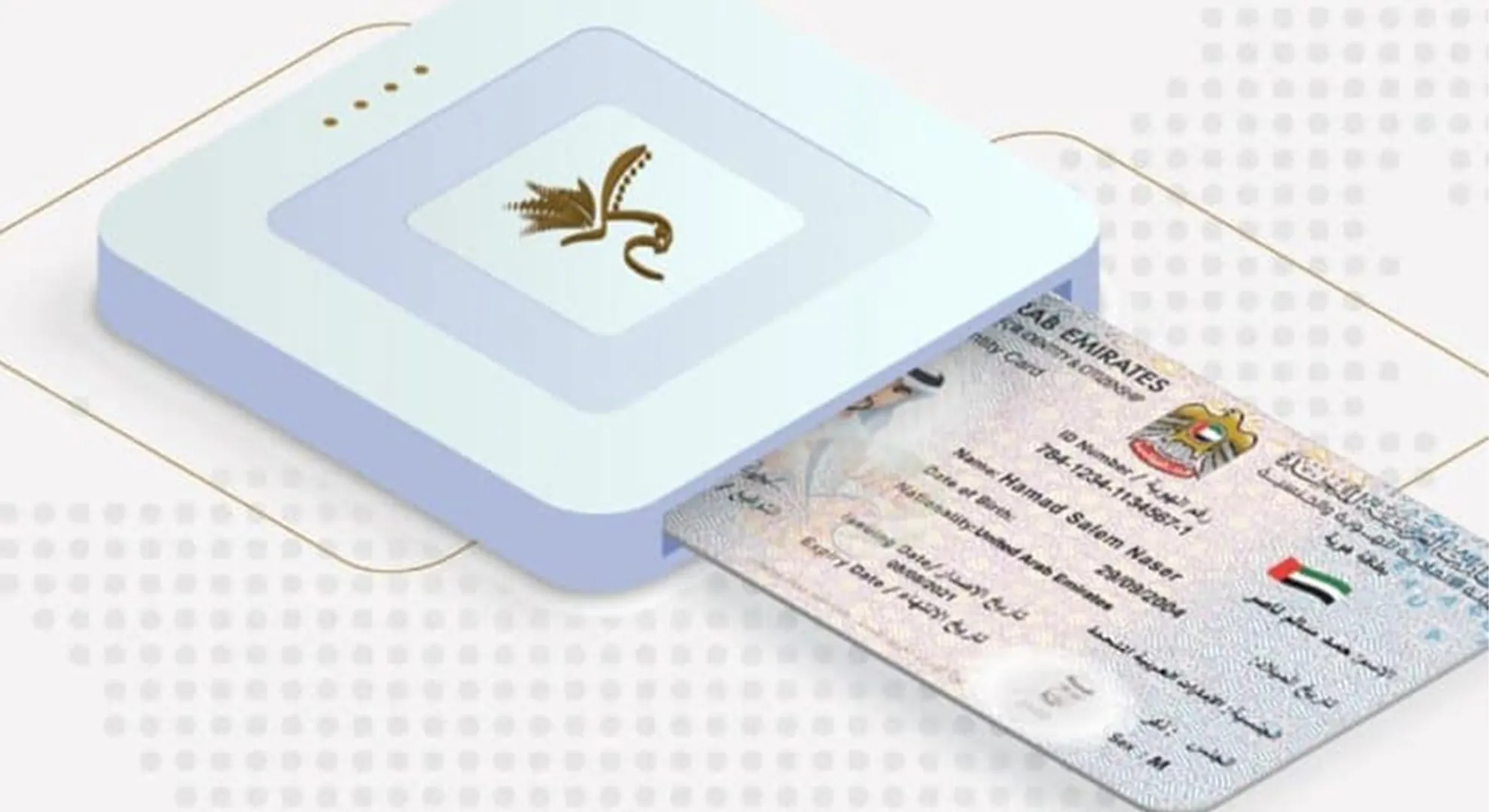
The UAE has introduced an updated Emirates ID renewal policy, enabling residents to renew their identification cards as much as one year before the expiry date.
UAE Residents Can Renew Emirates ID as Early as One Year Before Expiration
The move follows an earlier ICP policy that permitted UAE citizens to renew their passports as early as 12 months before they expired.
UAE Extends Emirates ID Early Renewal Period to One Year for Citizens
The United Arab Emirates has introduced a major enhancement to its identity document renewal services by allowing citizens to renew their Emirates ID cards up to 12 months before the card’s expiration date. The revised policy, which came into force on July 14, 2026, replaces the earlier rule that permitted renewals only within six months of expiry.
The change forms part of the country’s continuing efforts to modernize public services and make government procedures faster, more convenient, and increasingly digital. By extending the renewal period, authorities aim to give citizens greater flexibility in planning their official documentation without waiting until the final months before expiry.
According to the Federal Authority for Identity, Citizenship, Customs and Port Security (ICP), the updated service has been designed to simplify document management while supporting the UAE’s wider vision of delivering proactive and integrated government services.
Easier Planning for Citizens
Previously, UAE nationals could begin the Emirates ID renewal process only six months before the card expired. Under the revised framework, eligible citizens now have twice as much time to complete the process, reducing the pressure associated with last-minute renewals.
The longer renewal window is expected to benefit people with demanding work schedules, frequent travel commitments, or those who prefer to complete official procedures well in advance. By extending eligibility to one year before expiry, authorities hope to minimize disruptions caused by expired identification documents.
The Emirates ID remains one of the country’s most important official documents. It is required for a wide range of services, including government transactions, banking activities, healthcare access, telecommunications services, and identity verification. Ensuring that the card remains valid is therefore essential for residents and citizens alike.
Combined Passport and Emirates ID Renewal
One of the most notable features of the updated policy is the ability to renew an Emirates ID and passport together when both documents share the same expiration period.
Rather than completing two separate applications, eligible citizens can now submit a single integrated request covering both documents. This combined service streamlines administrative procedures by reducing paperwork, minimizing duplicate data entry, and shortening overall processing time.
The integrated renewal option is expected to improve efficiency for both applicants and government agencies. Citizens will no longer need to schedule separate appointments or repeat the same verification process for each document when their renewal dates coincide.
Officials believe the unified approach will make document management significantly more convenient while strengthening the government’s digital service ecosystem.
Building on Earlier Passport Reforms
The latest decision follows an earlier policy that already allowed UAE nationals to renew their passports as much as one year before expiration. By introducing a matching renewal period for Emirates ID cards, authorities have aligned the timelines for two of the country’s most important identity documents.
This consistency enables citizens to organize renewals more effectively and avoid situations where one document expires months before the other. Synchronizing the renewal periods also supports the government’s objective of delivering connected public services instead of isolated administrative processes.
The expansion of early renewal options reflects an ongoing effort to reduce unnecessary administrative burdens while improving the overall customer experience.
Supporting the UAE’s Digital Government Vision
The ICP said the revised policy is consistent with the country’s strategy of adopting smart and proactive government services. Rather than waiting for citizens to react to approaching expiry dates, authorities are creating systems that offer greater flexibility and encourage early planning.
The UAE has invested heavily in digital transformation over recent years, introducing online platforms, mobile applications, and integrated government services that allow many procedures to be completed remotely.
The extended Emirates ID renewal period represents another step in this broader modernization program. Officials say such initiatives help simplify interactions with government entities while reducing waiting times and improving service quality.
Digital integration also allows government departments to coordinate more effectively, resulting in faster processing and a smoother experience for users.
Greater Convenience for Everyday Life
Keeping official documents up to date is an important part of daily life. Expired identification can delay banking transactions, affect access to public services, complicate travel arrangements, and create unnecessary administrative challenges.
By allowing renewals to begin one year before expiry, authorities are giving citizens greater control over when they complete these essential procedures.
The additional flexibility may be particularly valuable for individuals who spend long periods outside the UAE, frequently travel for work, or have family commitments that make scheduling government appointments more difficult.
Citizens can choose a renewal time that best fits their personal circumstances rather than rushing to meet deadlines during the final months before expiry.
Improved Government Service Delivery
The updated policy also reflects the UAE’s continued focus on customer-centred public services. Government agencies have increasingly emphasized convenience, efficiency, and accessibility when designing new initiatives.
Instead of requiring citizens to complete multiple administrative procedures separately, authorities are gradually integrating services wherever possible. This approach reduces repetitive documentation, saves time, and creates a more seamless experience across different government departments.
Officials believe that integrated digital services not only improve efficiency but also strengthen public confidence in government systems.
Official Statement
Major General Suhail Saeed Al Khaili, Director General of the Federal Authority for Identity, Citizenship, Customs and Port Security, said the decision to extend the Emirates ID renewal period demonstrates the UAE leadership’s commitment to developing proactive government services that anticipate citizens’ needs rather than responding only after requests are made.
He noted that expanding the renewal period from six months to one year supports the government’s long-term vision of delivering flexible, high-quality public services while simplifying administrative procedures.
According to the ICP, the latest measure is intended to make government interactions easier, faster, and more efficient for UAE nationals.
A Step Toward More Integrated Services
The introduction of a one-year Emirates ID renewal period represents more than just an extension of application deadlines. It forms part of a broader effort to modernize public administration through digital innovation and integrated service delivery.
With passport and Emirates ID renewals now better aligned, citizens can expect a more convenient experience when managing essential identity documents. The unified process reduces duplication, improves efficiency, and allows people to complete important government transactions with fewer steps.
As the UAE continues expanding its digital government initiatives, similar improvements are expected to further simplify access to public services while enhancing convenience for citizens across the country.
ICP Highlights Customer-Focused Benefits of Extended Emirates ID Renewal Policy
The Federal Authority for Identity, Citizenship, Customs and Port Security (ICP) says the decision to expand the Emirates ID renewal period is part of a broader effort to make government services more responsive to the needs of UAE citizens. By offering a longer renewal window, the authority aims to provide greater convenience and allow individuals to complete important administrative procedures according to their own schedules rather than being restricted by shorter deadlines.
Major General Suhail Saeed Al Khaili, Director General of the ICP, said the updated policy reflects the government’s continued commitment to delivering services that prioritize the needs and expectations of citizens. He explained that allowing people to renew their Emirates ID earlier gives them greater freedom to choose the most suitable time to complete the process, reducing unnecessary pressure and helping them manage their personal affairs more effectively.
According to Al Khaili, improving flexibility is a key element of the UAE’s approach to public service delivery. Government entities are increasingly focused on creating systems that fit around the lives of citizens instead of requiring citizens to adapt to administrative procedures. This customer-centred philosophy has become an important part of the country’s efforts to enhance public satisfaction while making official services faster, simpler, and more accessible.
He noted that the extended renewal period is expected to contribute positively to the daily lives of UAE nationals. By giving citizens additional time to organize their document renewals, the policy minimizes the risk of identification documents expiring unexpectedly and reduces the likelihood of service interruptions that could affect banking, healthcare, travel, or other essential transactions.
The ICP believes that improving convenience ultimately supports a better quality of life. When government procedures are easier to complete, citizens spend less time dealing with paperwork and administrative requirements, allowing them to focus on their personal, family, and professional responsibilities.
Al Khaili also highlighted the importance of customer satisfaction as one of the driving factors behind the latest reform. He said the authority continuously evaluates public services to identify opportunities for improvement and to ensure that government procedures remain aligned with the evolving expectations of society. The extension of the Emirates ID renewal period represents one of several initiatives designed to make interactions with government entities smoother and more efficient.
Beyond improving convenience, the ICP reaffirmed the significance of the Emirates ID as one of the country’s most trusted official identity documents. Over the years, the card has become an essential part of everyday life in the UAE, serving as the primary means of identity verification for numerous government and private sector services.
The authority emphasized that the Emirates ID is recognized for its advanced security features, reliability, and high technical standards. Continuous investment in identity management technologies has helped the UAE develop a system that is regarded as one of the most advanced in the region.
The card plays a central role in the country’s digital infrastructure, enabling secure authentication across a broad range of electronic services. Through integrated digital platforms, the Emirates ID allows citizens to access government portals, complete official transactions, verify their identity electronically, and interact with numerous organizations without repeatedly submitting personal information.
The extensive electronic integration between government departments and private sector institutions has significantly improved service efficiency. Instead of maintaining separate verification systems, many organizations rely on secure digital connections that streamline identity confirmation while maintaining high standards of data protection.
Officials say this integrated approach has transformed the way services are delivered across the UAE. Citizens can now complete many procedures digitally through interconnected platforms, reducing paperwork, minimizing processing times, and improving the overall user experience.
Al Khaili explained that the continued development of the Emirates ID system has strengthened the country’s international reputation in digital identity management. The UAE’s investment in secure identification technologies and integrated public services has attracted attention from governments seeking to modernize their own administrative systems.
According to the ICP, the country’s identity management framework demonstrates how advanced technology can simplify public services while maintaining strong security standards. The authority believes that the combination of digital innovation, efficient administration, and customer-focused service design has positioned the UAE among the leading nations in identity document management.
The latest enhancement to the renewal process further reinforces this reputation by making the issuance and renewal of Emirates ID cards even more efficient. Officials say simplifying procedures while maintaining robust security standards illustrates the country’s balanced approach to digital transformation.
The one-year renewal policy also supports the broader objectives of the UAE’s Zero Government Bureaucracy Programme. The initiative seeks to eliminate unnecessary administrative complexity, reduce repetitive procedures, and redesign public services to make them easier for users.
Rather than requiring citizens to navigate multiple independent processes, government entities are increasingly working to combine related services into unified digital experiences. This strategy reduces duplication, shortens processing times, and creates a more seamless interaction between citizens and public institutions.
Artificial intelligence and other advanced digital technologies are expected to play an increasingly important role in achieving these goals. By using intelligent systems to automate routine tasks, verify information, and coordinate services across agencies, authorities aim to deliver faster and more personalized government experiences.
The ICP noted that technology enables services to become more proactive instead of purely reactive. Rather than waiting until a document has nearly expired or a citizen submits a request, digital systems can provide timely reminders, facilitate early renewals, and connect multiple services through a single application process.
This shift toward integrated service bundles represents a significant change in the way public services are designed. Instead of treating each government transaction as an isolated activity, related services are grouped together to reduce administrative effort for citizens.
Officials believe this model offers several advantages. Citizens benefit from fewer application steps, less duplicate documentation, shorter waiting periods, and greater convenience. Government agencies also benefit through improved operational efficiency, better coordination, and more effective use of digital infrastructure.
The Emirates ID renewal enhancement is viewed as one example of this broader transformation. Combined with earlier reforms, including the extension of passport renewal eligibility and the introduction of integrated renewal services, the policy demonstrates the UAE’s commitment to continuously improving public administration.
Looking ahead, the ICP says it will continue evaluating opportunities to simplify government procedures and expand digital services that save time while maintaining high standards of security and reliability. The authority expects future initiatives to further strengthen the country’s digital government ecosystem, making essential services more accessible, efficient, and responsive to the needs of citizens.