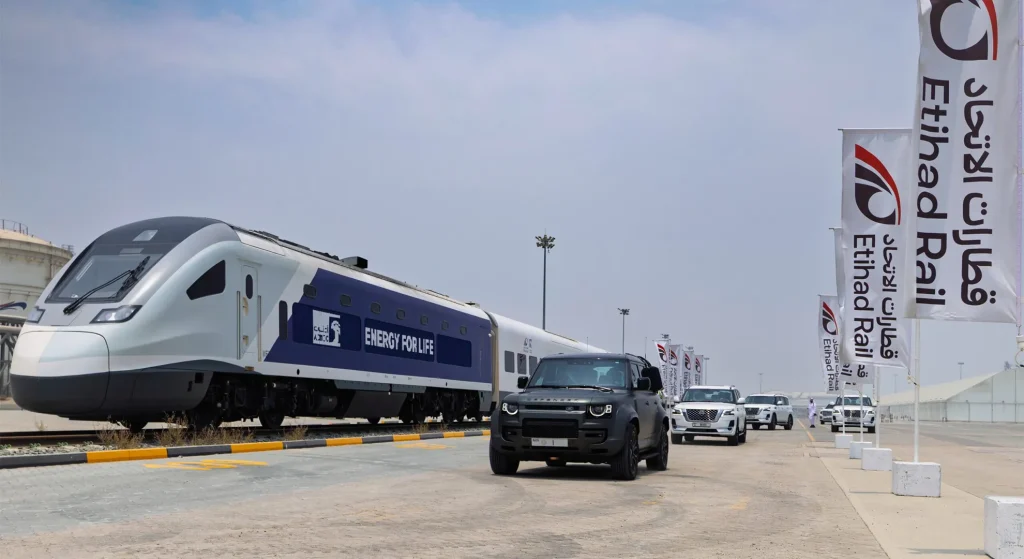
The UAE’s upcoming rail network is expected to change daily travel, with Etihad Rail passenger services offering commuters shorter journeys, smoother connections and potential time savings across the country.
UAE Rail Revolution: The Time Savings Commuters Can Expect from Etihad Rail Services.
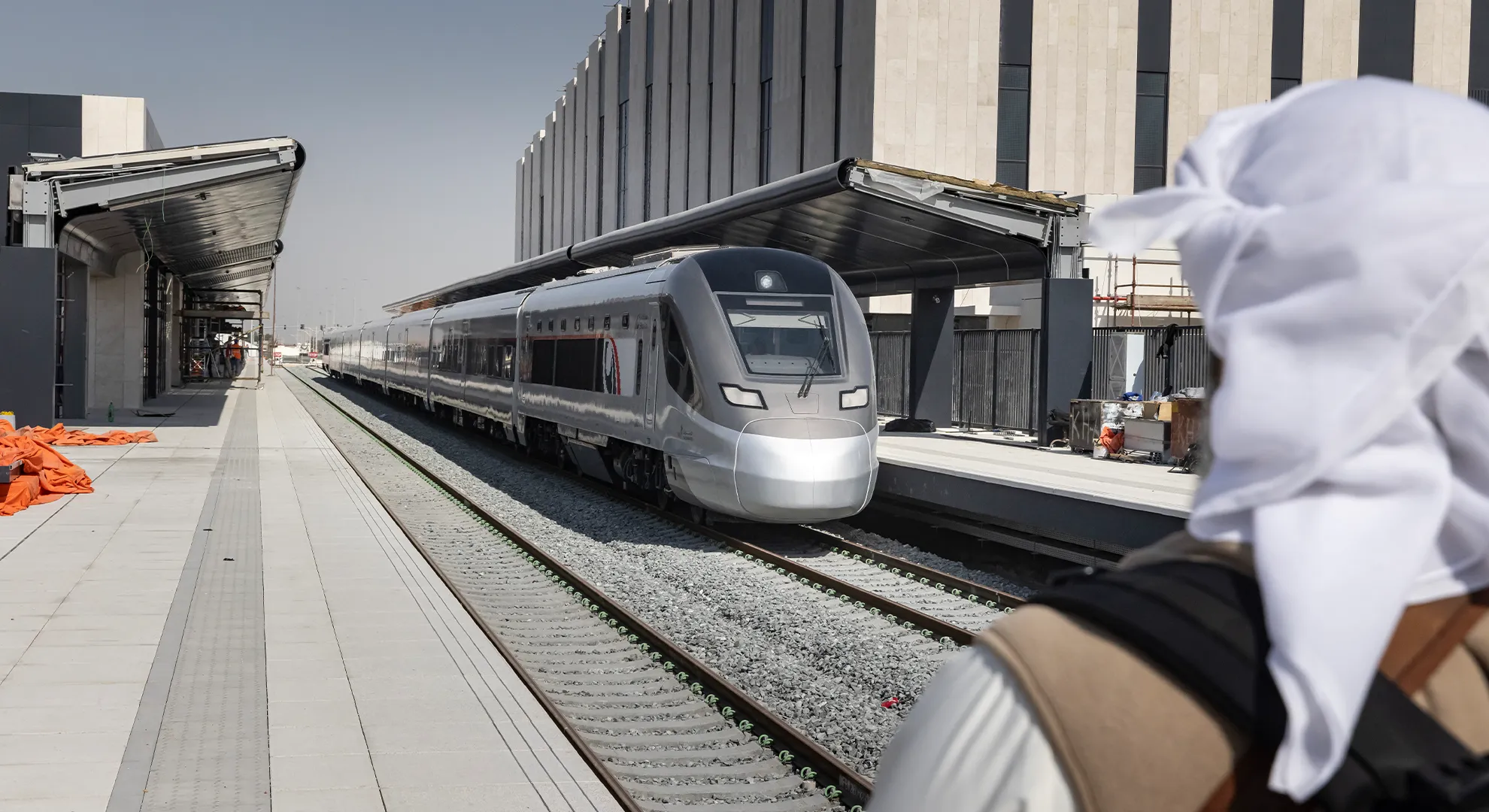
As Etihad Rail moves closer to introducing passenger journeys, commuters are expected to consider how the rail service compares with existing transport choices such as driving and bus travel.
Etihad Rail Passenger Service: How Much Time Could UAE Travellers Save?
With Etihad Rail preparing to begin its first passenger operations on June 30, commuters across the UAE are looking closely at how the new railway system could change the way they travel between emirates.
For years, residents have mainly relied on private cars, taxis and buses for intercity journeys. While driving offers flexibility and convenience, long-distance travel can often involve heavy traffic, changing road conditions and the stress of being behind the wheel for extended periods. Bus travel, meanwhile, remains an affordable option but can take considerably longer, especially when routes require transfers.
The introduction of passenger rail services is expected to provide a new alternative, giving residents another way to move between major destinations.
One of the biggest questions for commuters is whether taking the train will genuinely reduce travel time compared with existing transport options. Based on current journey estimates, the answer appears to be yes, particularly on longer routes where road travel and public bus connections can significantly increase overall journey duration.
To understand the possible benefits, travel times across some of the UAE’s key routes were compared between Etihad Rail, private vehicles and buses. The comparison shows where passengers could potentially save the most time once the rail network becomes available.
Abu Dhabi to Fujairah
By train: Around 1 hour 45 minutes
By car: Approximately 2 hours 20 minutes to 2 hours 32 minutes
By bus: Around 5 hours 14 minutes to 5 hours 45 minutes, including transfers
The Abu Dhabi-Fujairah connection stands out as one of the routes where Etihad Rail could create the biggest improvement in public transportation.
Currently, travelling between these two emirates by public bus can take more than five hours because passengers often need to connect through different services. This longer travel time can make the journey challenging for commuters, especially those travelling regularly for work, family visits or business.
A train journey of around one hour and 45 minutes could significantly reduce that travel time, cutting several hours from the trip compared with current bus options.
Even compared with driving, rail travel could offer advantages. While a car journey may take slightly over two hours under normal conditions, travel times can increase during busy periods because of traffic congestion and road delays.
For passengers choosing the train, the journey could also offer a more relaxed experience. Instead of focusing on driving, travellers can use the time to work, rest or simply enjoy the journey.
A New Option for Long-Distance Commuters
For many UAE residents, commuting between emirates is already part of everyday life. Some people live in one emirate while working in another, making travel time an important factor when choosing where to live and work.
Etihad Rail’s passenger service is expected to provide greater flexibility for these travellers by reducing the amount of time spent on the road.
The difference is especially noticeable on routes where buses require multiple connections or where driving distances are longer. A direct rail connection could make inter-emirate travel more predictable, as trains are less affected by road congestion.
While private cars will continue to remain popular because of their convenience and door-to-door flexibility, rail travel could become an attractive option for those looking for a faster and less stressful journey.
Comparing Convenience Beyond Travel Time
Although speed is one of the biggest advantages of rail travel, commuters are also likely to consider other factors before changing their travel habits.
Driving offers complete control over departure times and destinations, but it also comes with fuel costs, parking concerns and the responsibility of managing the entire journey.
Buses provide an affordable option but may involve longer travel times and waiting periods. For some passengers, especially those travelling long distances, saving hours during each trip could make a major difference.
Train services may offer a balance between the two — providing a scheduled journey with improved comfort while reducing the time spent travelling.
The Impact on UAE Connectivity
The launch of passenger services is expected to strengthen connections between different parts of the UAE. Instead of viewing emirates as separate travel destinations, residents could have easier access to more areas for work, tourism and social activities.
Routes that currently require long road journeys may become more accessible, encouraging more people to consider public transport for inter-emirate travel.
The Abu Dhabi-Fujairah route is one example of how rail could address existing gaps in transportation. By providing a faster alternative, Etihad Rail could make journeys that once required several hours by bus much more efficient.
What Commuters Can Expect
As the passenger network begins operations, residents will likely compare the new rail option with their current travel routines. Some may switch completely from driving, while others may use trains for specific journeys where the time savings are greatest.
For regular travellers, even saving 30 minutes to an hour on a trip can add up significantly over weeks and months.
The biggest benefit may come for passengers who currently depend on slower public transport routes. On journeys such as Abu Dhabi to Fujairah, the difference between a train trip of under two hours and a bus journey exceeding five hours could completely change how people plan their travel.
Etihad Rail’s passenger service represents more than just a new mode of transport. It offers the possibility of faster connections, easier movement between emirates and a more efficient way for residents to manage their daily journeys.
As the network expands and more routes become available, UAE commuters will be watching closely to see how much time they can save and how the new railway system fits into their everyday lives.
Etihad Rail: How Travel Times Could Change Between Major UAE Destinations
For many UAE residents, the arrival of Etihad Rail’s passenger services could bring a major shift in the way they plan journeys between emirates. While private cars remain the most common choice for intercity travel, the new rail network is expected to offer a faster and more predictable alternative, especially on routes where road congestion and limited public transport options create longer travel times.
One of the biggest differences will be seen by passengers travelling between Abu Dhabi and Fujairah. For those who currently drive, the train is expected to reduce journey times by approximately 35 to 45 minutes. However, the advantage is even greater for people who depend on public transport.
At present, there is no direct bus service connecting Abu Dhabi and Fujairah. Passengers travelling between the two emirates often need to use connecting routes, which increases the overall travel time and makes the journey more complicated.
For many travellers, the challenge is not only the length of the trip but also the additional waiting periods, transfers and planning required before reaching their final destination.
With Etihad Rail’s passenger service, Abu Dhabi and Fujairah will be connected through a direct railway link, creating a new option for residents who do not own a car or prefer not to drive long distances.
The direct connection could benefit a wide range of passengers, including employees travelling for work, university students, families visiting relatives and tourists exploring different parts of the UAE.
Instead of spending several hours managing different transport connections, passengers will have access to a single rail journey designed to make inter-emirate travel simpler and more efficient.
Abu Dhabi to Dubai: A Faster Alternative to Road Travel
By train: Around 57 minutes, once Dubai services begin from September 30
By car: Approximately 1 hour 15 minutes to 1 hour 45 minutes
By bus: Up to around 2 hours
The Abu Dhabi-Dubai route is one of the busiest travel corridors in the UAE, with thousands of residents making the journey every day for work, business meetings, education and personal commitments.
For drivers, the travel time between the two cities can vary significantly depending on traffic conditions. On a day with lighter traffic, the journey may take just over an hour. However, during peak periods, congestion can quickly extend the trip, making arrival times difficult to predict.
Unexpected situations such as road accidents, lane closures, diversions or difficulty finding parking can add further delays.
This uncertainty is one area where rail travel could provide a major advantage.
Once the Etihad Rail service between Abu Dhabi and Dubai begins, the expected travel time of 57 minutes will provide passengers with a more consistent journey. Unlike road travel, where conditions can change throughout the day, trains operate on scheduled routes with planned departure and arrival times.
For daily commuters, this predictability could be especially valuable. Office employees travelling between the two cities may be able to plan their schedules more accurately, while students and business travellers could benefit from knowing exactly how long their journey will take.
The train could also offer a more comfortable alternative for people who prefer not to spend long periods driving. Passengers can use their travel time for work, relaxation or other activities instead of focusing on the road.
For those currently using buses, the rail option may provide a significant reduction in travel time. Although buses may continue to remain a cheaper choice for some passengers, trains could attract people who value speed, comfort and reliability.
Dubai to Fujairah: Bringing the East Coast Closer
By train: Around 69 minutes, once Dubai services begin from September 30
By car: More than 90 minutes
By bus: Approximately 2 hours 15 minutes, and potentially longer during busy periods
The Dubai-Fujairah route is another journey where Etihad Rail is expected to make a noticeable difference.
Currently, travelling between Dubai and Fujairah by car usually takes more than an hour and a half, depending on traffic and road conditions. During weekends, holidays or busy travel periods, the journey can become even longer.
For bus passengers, the travel time is generally higher due to scheduled stops, waiting periods and possible connections. A trip that appears relatively short on the map can take more than two hours when all factors are considered.
Once the rail service becomes operational, the journey between Dubai and Fujairah is expected to take just over an hour. This could transform the way residents view travel to the East Coast.
A destination that may have previously felt like a long drive could become a more convenient option for regular visits, short trips and daily activities.
The faster connection could encourage more residents to explore Fujairah for tourism, beaches, family visits and business purposes without needing to plan around a long road journey.
For workers travelling between the two areas, the reduced travel time could make commuting more practical. For families, it could make weekend visits easier. For tourists, improved rail access could create a simpler way to experience more parts of the UAE.
More Than Just Saving Minutes
While reducing travel time is one of the biggest benefits of Etihad Rail, the impact goes beyond simply reaching destinations faster.
A reliable passenger rail network can change how people move across the country. It can provide an alternative for residents who want to avoid driving, reduce dependence on private vehicles and make different emirates feel more connected.
The biggest improvement will likely be felt on routes where existing public transport options are limited or time-consuming.
For many residents, the value of rail travel will come from a combination of factors — shorter journeys, fewer delays, better planning and a more comfortable travel experience.
As Etihad Rail passenger services expand, commuters will have more choices when deciding how to travel. Some may continue using their cars for convenience, while others may choose trains for longer journeys where time savings are most noticeable.
The introduction of passenger rail marks a major development in the UAE’s transport system. By connecting major cities with faster and more efficient routes, Etihad Rail has the potential to reshape daily travel patterns and make inter-emirate movement easier for residents, workers and visitors.
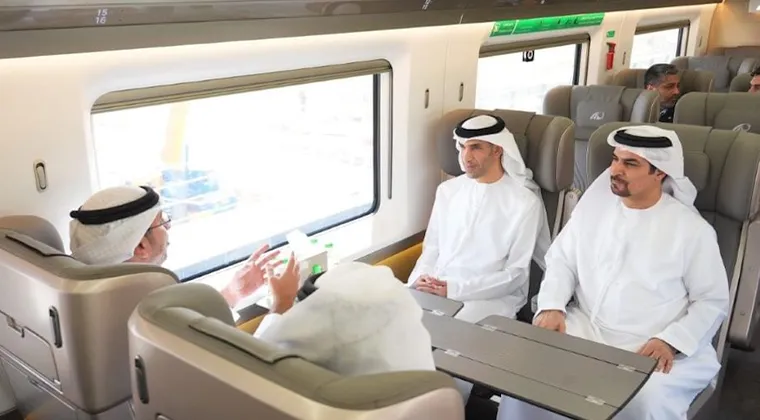
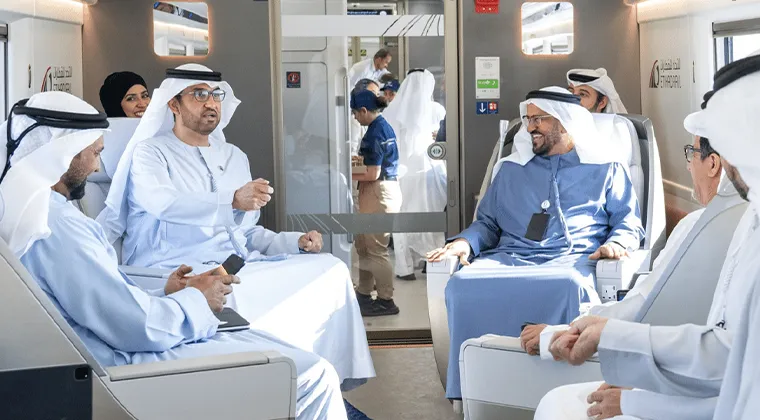
Looking Beyond the Train Ride: The Importance of Door-to-Door Travel Time
While the speed of Etihad Rail’s passenger services is expected to be one of its biggest attractions, commuters will ultimately judge the new transport system based on more than just the time spent inside the train.
For most travellers, the complete journey does not begin when they enter the station and does not end when the train arrives. The real travel experience includes every step involved — leaving home, reaching the station, waiting for departure, completing the rail journey and then finding transport to the final destination.
This full door-to-door journey will determine how convenient Etihad Rail becomes for everyday passengers.
A train may complete the distance between two cities faster than a car or bus, but the overall travel time will also depend on how easily passengers can access stations and continue their journey after arrival.
Recognising this, Etihad Rail has focused not only on rail connections but also on creating a smoother travel experience from the starting point to the final destination.
The company’s Journey Planner feature, available through its digital platforms, is designed to help passengers organise their complete trip. Instead of only showing train schedules, the service allows travellers to plan the different stages of their journey.
Passengers will be able to check how to reach their departure station, understand available transport choices and identify the best options for completing the final part of their trip after leaving the train.
This approach aims to make rail travel more practical for people who may not live directly near a station.
Connecting Stations With Local Transport Options
A major factor in making any rail network successful is how easily passengers can move between stations and surrounding areas.
Etihad Rail’s journey planning system is expected to provide information about different connection options available at each location. Depending on the station, travellers may be able to choose from services such as taxis, ride-hailing vehicles, buses, shuttle services, metro connections and walking routes.
The available choices will vary from one station to another based on the surrounding transport network.
For example, a passenger arriving at a station in one emirate may continue the journey using a taxi, while another traveller may have access to buses or other public transport links.
By bringing these options together, the aim is to reduce uncertainty for passengers and make the transition between different modes of transport easier.
For commuters, this could be especially important during the first and last parts of their journey, which are often considered the most challenging parts of public transport travel.
Abu Dhabi Station Connectivity
In Abu Dhabi, additional transport links are planned to improve access to Etihad Rail stations.
A shuttle bus service priced at Dh10 will connect the Mohamed bin Zayed City station with important locations across the capital. This service is expected to provide another option for passengers who need transport between the station and different areas of Abu Dhabi.
For residents who live away from the station, such connections could make rail travel more convenient by reducing the need to arrange separate transportation.
Without reliable connections before and after the train journey, some passengers may find that the total travel time becomes longer than expected. However, improved station access can help make the entire trip more efficient.
The Role of Ride-Hailing Services
Another important part of the passenger experience is the connection between rail stations and private transport services.
Etihad Rail has partnered with Yango Group through a memorandum of understanding to support first- and last-mile connectivity around stations.
The partnership focuses on improving how passengers reach stations from their homes and how they continue their journeys after arriving at their destinations.
This includes support for pick-up and drop-off areas, smoother vehicle movement around stations and better traffic management during busy periods.
For passengers who do not have direct public transport options near their homes or workplaces, ride-hailing services could play a key role in making rail travel more accessible.
For example, a commuter may use a ride-hailing service to reach the station in the morning, take the train between emirates and then use another vehicle service to reach the workplace.
This combination of rail and on-demand transport could provide a more flexible alternative to driving the entire distance.
Future Plans for Integrated Travel Booking
In the future, Etihad Rail plans to make the travel process even more convenient by combining train bookings and connecting transport options into a single digital experience.
The long-term goal is to allow passengers to purchase their train tickets and arrange connecting rides through one platform.
Such integration could simplify travel planning by reducing the need to use multiple apps or make separate bookings.
For passengers, this means they could potentially organise an entire journey in advance — from leaving home to reaching their final destination — through one system.
This type of connected transport model is becoming increasingly common in modern cities, where different travel services work together to provide smoother mobility.
Why Door-to-Door Travel Matters
The success of Etihad Rail will not only depend on how fast trains move between stations. It will also depend on how easily people can fit rail travel into their daily routines.
A commuter deciding between a car and a train will consider the full experience. They will think about how long it takes to reach the station, whether parking is available, how convenient transfers are and how easily they can continue the journey after arrival.
If these connections work efficiently, rail travel can become a realistic option for more residents.
For people travelling between emirates for work, education, business or leisure, the difference between a good transport system and an inconvenient one often comes down to these smaller details.
By focusing on station connectivity, digital planning tools and partnerships with transport providers, Etihad Rail aims to make the entire journey easier — not just the time spent on the train.
As passenger services begin, commuters will be watching not only the speed of the trains but also how smoothly the complete travel experience works from start to finish.