Dubai has announced three landmark initiatives, featuring a technologically advanced AI-created park, an extensive 8-kilometre waterfront lighting scheme at Dubai Creek, and the introduction of the new Falcon Market.
Dubai Launches Three New Initiatives: Smart Park, Creek Lighting Scheme and Falcon Market.
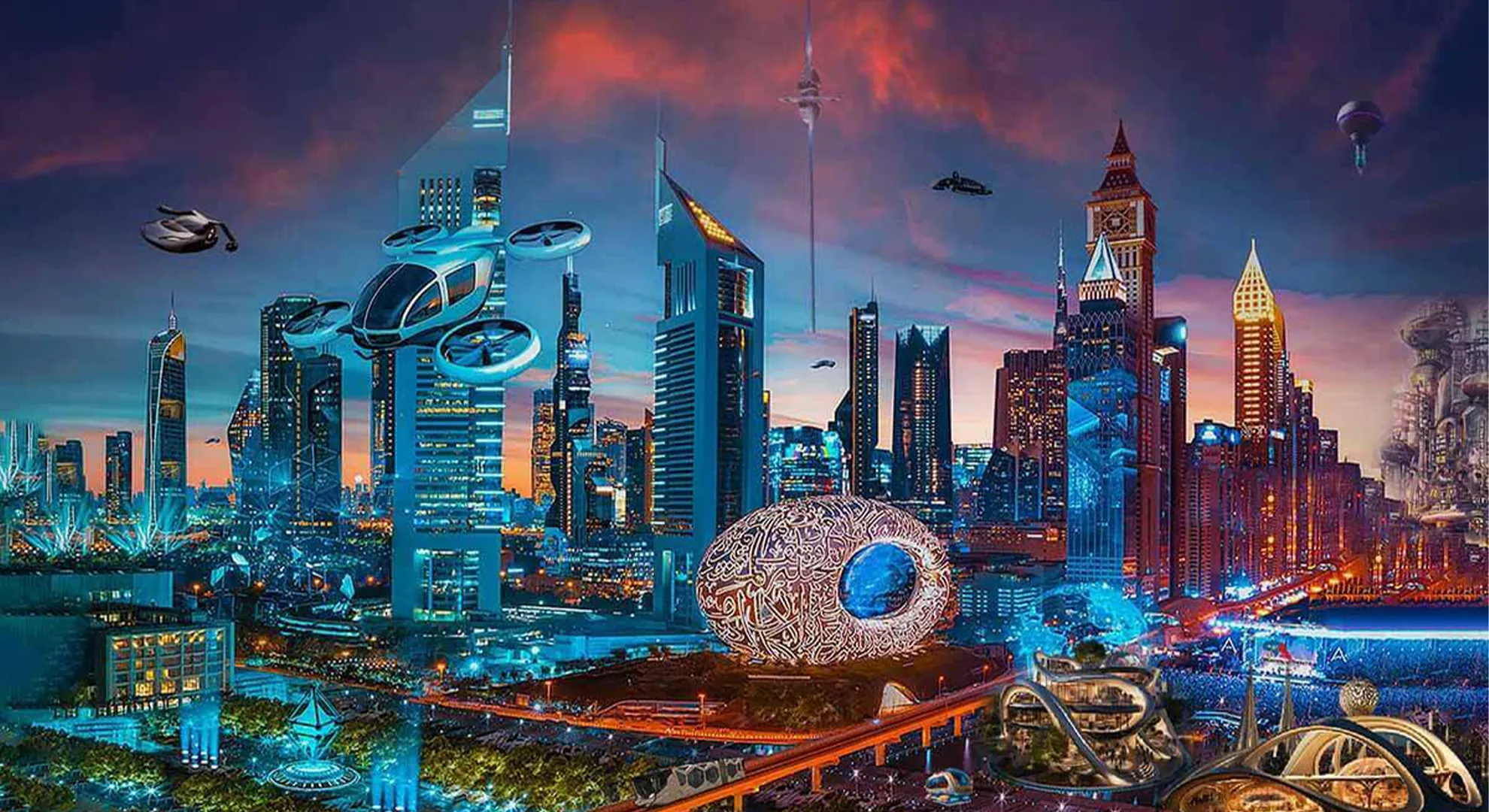
Dubai Crown Prince Sheikh Hamdan bin Mohammed bin Rashid Al Maktoum unveiled three new initiatives aimed at enhancing public services and developing modern infrastructure across the emirate.
Dubai has unveiled an ambitious set of new urban development projects designed to improve everyday life for residents while strengthening the emirate’s cultural and technological landscape. Announced on June 25, the initiatives include the creation of a dedicated Falcon Market, a large-scale lighting project along Dubai Creek, and an innovative public park whose design has been developed with the assistance of artificial intelligence.
The announcement was made by Sheikh Hamdan bin Mohammed bin Rashid Al Maktoum, Crown Prince of Dubai, Deputy Prime Minister of the UAE, and Minister of Defence. Sharing details through his official social media channels, Sheikh Hamdan highlighted Dubai’s continued commitment to investing in projects that combine modern technology, cultural preservation, and community wellbeing.
The latest developments form part of Dubai Municipality’s broader strategy to enhance public spaces, improve city services, and build infrastructure that supports the emirate’s long-term growth. The projects are expected to contribute to Dubai’s vision of becoming one of the world’s most innovative and livable cities while maintaining strong connections to its cultural roots.
One of the most distinctive projects announced is the Dubai Falcon Market. Planned as the first facility of its kind in the region, the market will serve as a dedicated destination for activities and businesses related to falconry. Beyond its commercial role, the project is intended to celebrate an important aspect of Emirati identity and heritage.
Falcons hold a special place in the history and traditions of the United Arab Emirates. For generations, falconry has been practiced across the region, originally serving as a means of hunting in desert environments before evolving into a treasured cultural tradition. Today, the practice is recognised as a symbol of heritage, skill, and respect for nature. Through the new Falcon Market, Dubai aims to create a modern venue where this tradition can continue to thrive while being introduced to future generations.
The market is expected to blend traditional elements with contemporary design and services. Officials describe the project as one that embraces heritage while looking toward the future, creating a space where culture, tourism, and community engagement can intersect. Visitors will have opportunities to learn more about falconry, interact with experts, and experience a key part of Gulf history in a modern setting.
The significance of falcons in Gulf society has often attracted international attention. Stories and images of residents travelling with their falcons have frequently circulated online, capturing global curiosity. In some cases, specially documented falcons have travelled on commercial flights alongside their owners, reflecting the high regard these birds enjoy throughout the region. Such examples illustrate the deep cultural bond that exists between Gulf communities and the centuries-old tradition of falconry.
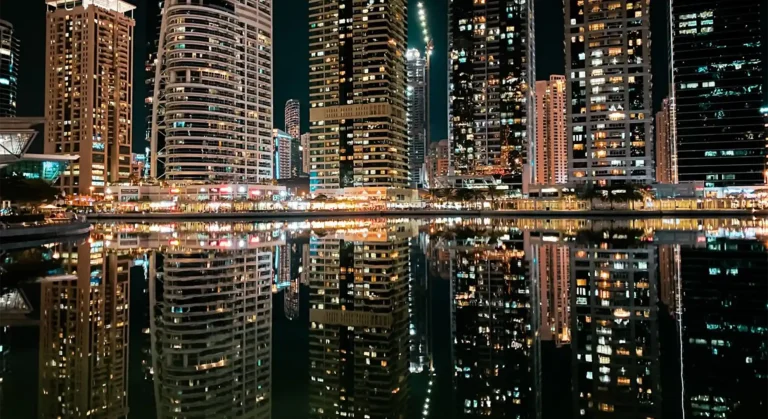
Another major project included in the announcement focuses on Dubai Creek, one of the city’s most historically important landmarks. The emirate plans to introduce an extensive lighting installation stretching approximately eight kilometres along the waterfront. The project is designed to enhance the area’s visual appeal while creating a more enjoyable environment for residents and visitors.
Dubai Creek has long been associated with the city’s economic and cultural development. Before the rise of modern skyscrapers and large-scale tourism, the creek served as a vital trading hub connecting Dubai to regional and international markets. By investing in a modern lighting scheme, authorities hope to highlight the area’s historical importance while improving the overall visitor experience.
The new lighting project is expected to transform the waterfront into a more vibrant destination after sunset. Carefully designed illumination will accentuate architectural features, public spaces, and pedestrian areas, helping create a welcoming atmosphere for families, tourists, and businesses. The initiative aligns with Dubai’s broader efforts to enhance public spaces and encourage outdoor activities throughout the year.
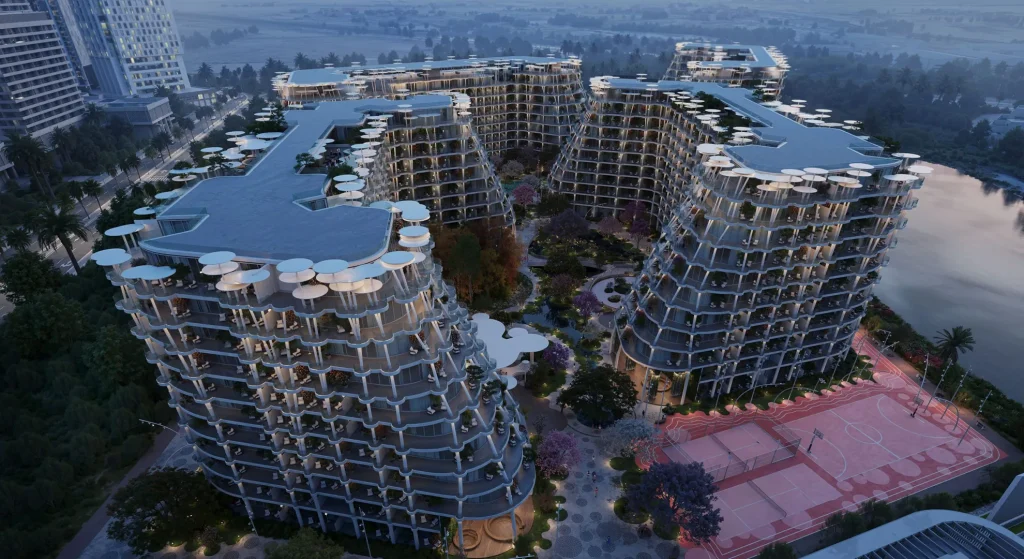
The third project announced by Sheikh Hamdan is a new public park that incorporates artificial intelligence into its planning and design process. The initiative reflects Dubai’s growing emphasis on adopting advanced technologies to improve urban development and public services.
Artificial intelligence is increasingly being used around the world to support city planning, environmental management, and infrastructure design. By applying AI-driven insights, planners can better understand how people use public spaces, optimise resource allocation, and create environments that respond more effectively to community needs. Dubai’s new park is expected to showcase how emerging technologies can contribute to the development of smarter and more sustainable urban environments.
The park will offer residents additional recreational opportunities while incorporating innovative design features aimed at enhancing user experience. Green spaces, walking paths, family-friendly facilities, and technology-enabled amenities are expected to form part of the development. The project demonstrates how Dubai continues to position itself at the forefront of innovation while prioritising quality of life.
Speaking about the new initiatives, Sheikh Hamdan emphasised the importance of investing in ideas that unite tradition, innovation, and community wellbeing. His remarks reflected Dubai’s ongoing approach of balancing rapid modernization with efforts to preserve and celebrate local heritage.
Together, the Falcon Market, Dubai Creek lighting project, and AI-designed park represent different aspects of the city’s future vision. While one project honours a centuries-old cultural tradition, another revitalises a historic waterfront, and the third embraces cutting-edge technology to shape public spaces. Collectively, they highlight Dubai’s strategy of creating a city where innovation and heritage complement one another rather than compete.
As work moves forward on the developments, residents can expect new attractions, improved public amenities, and enhanced cultural experiences. The projects also have the potential to strengthen tourism, support local businesses, and create additional opportunities for community engagement.
With these latest announcements, Dubai continues to demonstrate its ambition to remain a global leader in urban innovation while preserving the traditions and values that have shaped its identity. The three projects underscore the emirate’s determination to build a future that is technologically advanced, culturally rich, and focused on delivering a high quality of life for everyone who lives in or visits the city.
Dubai Creek, one of the city’s most treasured historical landmarks, is set to undergo a striking transformation through an ambitious new lighting initiative. The project will illuminate approximately eight kilometres of the waterfront, creating a visually captivating environment that blends the area’s rich history with modern urban design. By enhancing the creek’s appearance after sunset, the development aims to offer residents and visitors a fresh perspective on one of the locations that played a central role in Dubai’s rise from a small trading settlement to a global metropolis.
For generations, Dubai Creek served as the heart of the emirate’s economic and social life. Long before the city became known for its iconic skyline and world-class attractions, the creek was a bustling centre for trade, fishing, and pearl diving. Wooden dhows carrying goods from across the region would dock along its banks, helping establish Dubai as an important commercial hub. Today, the waterway remains a powerful symbol of the city’s heritage and entrepreneurial spirit.
The new lighting project seeks to celebrate this legacy while introducing a modern experience for those who visit the area. Carefully designed illumination will highlight key sections of the creek, drawing attention to its architectural features, waterfront promenades, public spaces, and historical surroundings. The result is expected to be a vibrant nighttime destination that encourages people to spend more time exploring the area after dark.
Officials envision the project as more than a simple lighting upgrade. Instead, it is intended to create an immersive experience that tells the story of Dubai’s origins through visual design and atmosphere. As visitors walk along the illuminated waterfront, they will be able to appreciate the contrast between the city’s historic districts and its contemporary achievements. The enhanced setting is expected to strengthen the connection between Dubai’s past and present, allowing people to engage with the emirate’s history in a new and memorable way.
Tourists visiting Dubai often seek experiences that go beyond the city’s modern attractions. The revitalised creek area is expected to provide an opportunity to discover a different side of Dubai—one rooted in tradition, culture, and history. The illuminated waterfront could become a popular destination for evening strolls, sightseeing tours, photography enthusiasts, and families looking to enjoy outdoor spaces in a unique setting.
Residents are also likely to benefit from the transformation. The project will contribute to the creation of more attractive public spaces where communities can gather, relax, and participate in recreational activities. Enhanced lighting can improve accessibility and comfort during evening hours while adding to the overall appeal of the waterfront district.
Once completed, the initiative is expected to turn Dubai Creek into one of the city’s most distinctive nighttime attractions. By combining advanced lighting technology with a deep appreciation for local heritage, the project reflects Dubai’s broader vision of preserving its cultural identity while embracing innovation. The illuminated creek will not only showcase the city’s humble beginnings but also serve as a reminder of the remarkable journey that has shaped modern Dubai, offering an unforgettable experience for both residents and visitors alike.
Among the latest initiatives announced by Dubai’s leadership, one project stands out as a symbol of the emirate’s commitment to innovation and future-focused urban development: the creation of what is being described as the world’s first park designed with the support of artificial intelligence. The ambitious development reflects Dubai’s long-standing strategy of embracing emerging technologies and integrating them into everyday life to improve public services, community wellbeing, and sustainability.
The upcoming park will represent a new approach to urban planning, combining advanced AI technologies with public engagement to create a space tailored to the needs and preferences of residents. Rather than relying solely on traditional planning methods, the project will use data-driven insights to guide various aspects of the park’s design and functionality. By analysing patterns of community behaviour, environmental conditions, accessibility requirements, and recreational preferences, planners hope to create a public space that is both highly efficient and deeply responsive to the people who use it.
A key feature of the initiative is its emphasis on community participation. Residents will play an active role in shaping the park’s development through feedback and consultation processes. This collaborative approach seeks to ensure that the final design reflects the expectations and lifestyles of the communities it is intended to serve. The integration of public input alongside artificial intelligence demonstrates Dubai’s effort to combine technological advancement with human-centred planning.
The project also highlights a broader shift in how cities around the world are approaching urban development. As artificial intelligence becomes increasingly sophisticated, governments and city planners are exploring ways to use technology to optimise infrastructure, improve resource management, and create more sustainable environments. Dubai has positioned itself at the forefront of this transformation, frequently introducing initiatives that test and implement next-generation technologies on a large scale.
The AI-designed park is expected to feature innovative elements that enhance the visitor experience while supporting environmental goals. Smart systems could potentially be used to manage lighting, irrigation, energy consumption, and maintenance schedules. Data analytics may help optimise the use of public spaces, ensuring that facilities are adapted to changing community needs over time. The result could be a dynamic environment that evolves continuously rather than remaining static after construction is completed.
Dubai’s decision to invest in such a project is consistent with its broader vision of becoming one of the world’s leading smart cities. Over the past decade, the emirate has launched numerous initiatives aimed at integrating digital technologies into public administration, transportation, healthcare, education, and business operations. Artificial intelligence has become a central component of this strategy, with authorities viewing it as a key driver of future economic growth and social development.
The new park initiative is not an isolated effort. It forms part of a larger movement within Dubai to harness the capabilities of AI across multiple sectors. In recent years, government entities and private organisations throughout the city have increasingly adopted advanced technologies to streamline services, improve efficiency, and enhance customer experiences. From smart transportation networks to digital government platforms, AI has become an important tool in supporting the emirate’s development objectives.
This commitment to technological innovation was further demonstrated through another major initiative announced by Sheikh Hamdan bin Mohammed bin Rashid Al Maktoum in recent months. The programme seeks to encourage private-sector organisations to accelerate their adoption of artificial intelligence and embrace a new generation of intelligent business systems. The goal is to help companies improve productivity, reduce operational complexity, and unlock new opportunities for growth in an increasingly digital economy.
Central to this vision is the concept of Agentic AI, an emerging category of artificial intelligence that goes beyond traditional automation. Unlike conventional software systems that perform tasks only when instructed, Agentic AI systems are designed to act more independently. These technologies can analyse information, make decisions, initiate actions, and manage workflows with limited human supervision. Their capabilities allow organisations to automate increasingly complex processes while maintaining efficiency and adaptability.
For businesses, the adoption of Agentic AI could transform the way operations are conducted. Intelligent systems may be able to coordinate administrative tasks, monitor performance indicators, identify opportunities for improvement, and respond to changing circumstances in real time. By reducing the need for constant manual intervention, companies can allocate resources more effectively and focus greater attention on innovation, strategy, and customer engagement.
Dubai’s leadership sees artificial intelligence not simply as a technological tool but as a foundational element of future economic development. By encouraging organisations to integrate AI into their operations, the emirate aims to strengthen its competitiveness on the global stage while creating a business environment that attracts talent, investment, and innovation.
The AI-designed park can therefore be viewed as part of a larger ecosystem of initiatives that seek to embed advanced technologies into the fabric of daily life. While one project focuses on enhancing public spaces, another seeks to transform business operations. Together, they illustrate a comprehensive vision in which technology serves as a catalyst for improving quality of life, increasing efficiency, and supporting sustainable growth.
What makes Dubai’s approach particularly distinctive is its willingness to experiment with new ideas and implement them at scale. The city has built a reputation for pursuing ambitious projects that challenge conventional thinking. From record-breaking architecture and advanced transportation concepts to smart government services and digital transformation programmes, Dubai has consistently sought to position itself as a global hub for innovation.
This culture of experimentation is often reflected in the emirate’s ability to combine bold aspirations with practical implementation. Rather than viewing emerging technologies as distant possibilities, Dubai frequently explores ways to incorporate them into real-world projects that deliver tangible benefits to residents and visitors. The AI-designed park is another example of this philosophy in action.
As cities worldwide grapple with challenges related to urbanisation, sustainability, and population growth, Dubai’s initiatives may provide valuable insights into how technology can help address these issues. By leveraging artificial intelligence while maintaining a strong focus on community engagement and human experience, the emirate is attempting to create solutions that are both innovative and inclusive.
The latest projects reinforce Dubai’s reputation as a city that looks beyond immediate needs and plans for the long term. Whether through smart public spaces, AI-enabled businesses, or digitally driven infrastructure, the emirate continues to explore new possibilities for shaping the future.
Through its ongoing investment in innovation, Dubai seeks to create an environment where technology, sustainability, and quality of life work together to support economic prosperity and social progress. The AI-designed park represents more than just a new recreational destination—it serves as a symbol of a broader vision in which creativity, technology, and forward-thinking leadership combine to redefine what modern cities can achieve. As the emirate continues to push boundaries and embrace transformative ideas, it remains focused on building a future that is smarter, more connected, and better equipped to meet the needs of generations to come.