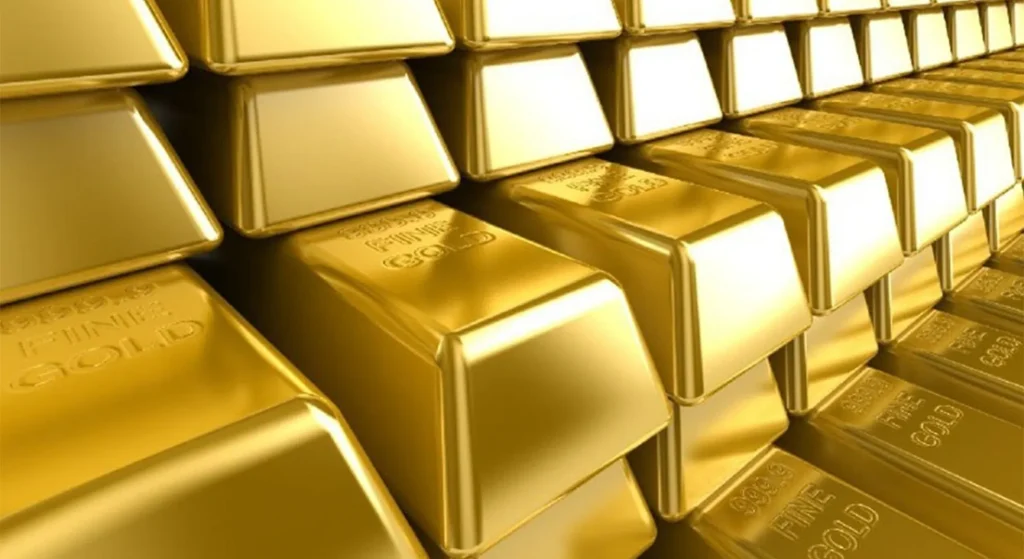
Dubai’s gold market has seen prices fall below the Dh500 per gram level, prompting buyers and investors to consider whether the current dip presents a suitable opportunity to make a purchase.
Dubai Gold Prices Drop Below Dh500 Per Gram: Could This Be the Right Moment to Invest?
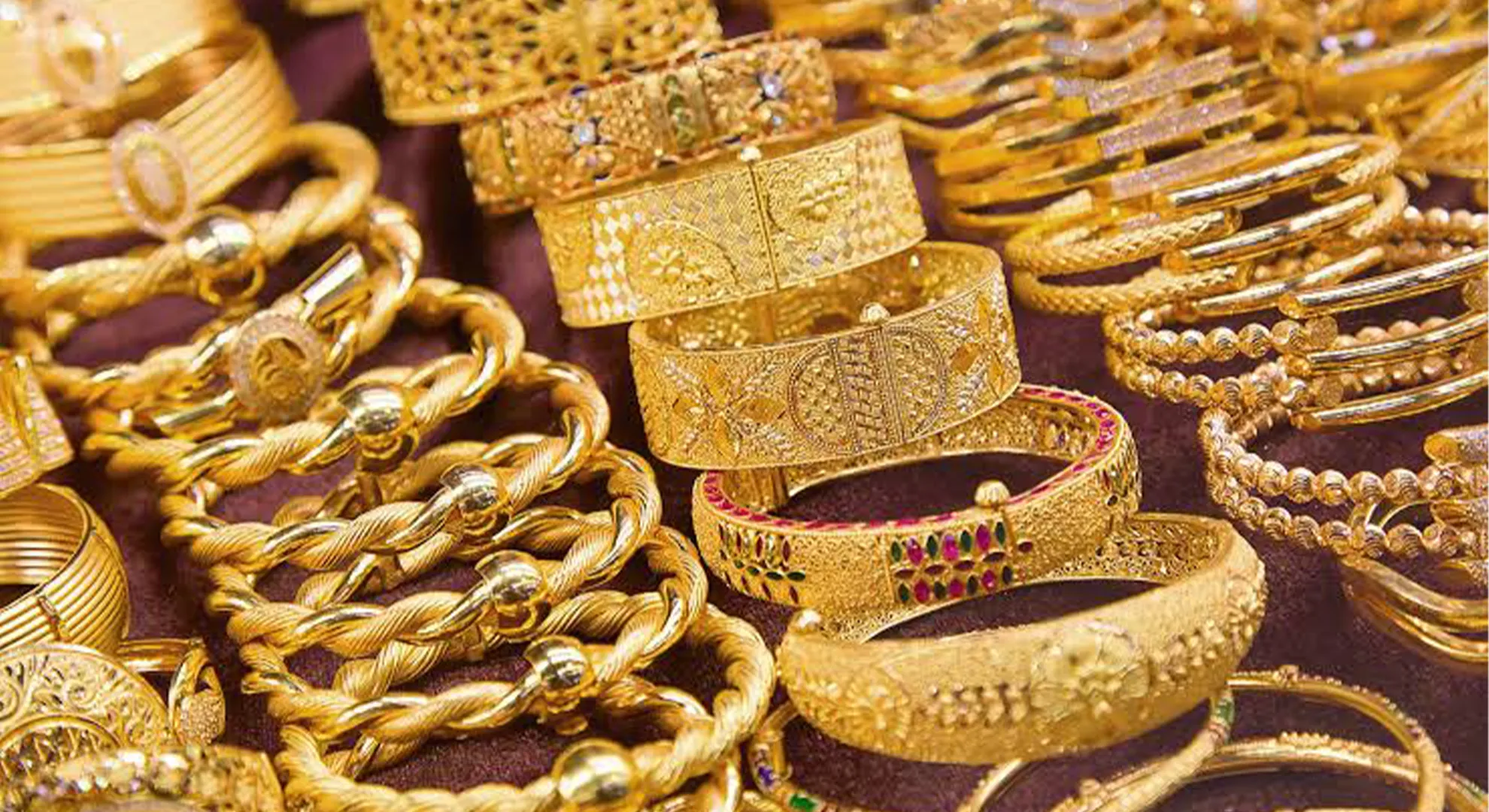
Gold prices in Dubai witnessed a notable decline during Friday’s early trading session, bringing the rate of the precious metal below the Dh500 per gram mark. The drop has made gold purchases more attractive for customers, including residents and international visitors looking to buy jewellery in the UAE’s popular gold markets.
The latest movement marked another weak performance for the metal, with international gold prices heading toward a third consecutive weekly decline. The downward trend has provided some relief for shoppers who had been waiting for prices to ease after a period of elevated rates.
At the start of trading on Friday, the price of 24-carat gold in Dubai was recorded at Dh496.75 per gram. This represented a significant decrease compared with Thursday’s closing price, when the same category was trading at Dh509.25 per gram. The difference reflected a fall of Dh12.50 per gram within a single trading period.
The decline in prices has attracted attention from jewellery buyers across Dubai and the wider UAE, where gold remains a popular choice for personal purchases, gifts, and investment purposes. A lower price point can make larger purchases more affordable, particularly for customers planning to buy wedding jewellery, festive collections, or traditional gold items.
Other categories of gold also recorded reductions during early market activity. The 22-carat variety, which is widely preferred for jewellery due to its balance between purity and durability, dropped by Dh11.50 per gram to reach Dh460.00. This decline has increased interest among shoppers who typically choose 22K gold for ornaments and everyday jewellery.
Meanwhile, 21-carat gold prices also moved lower, trading at approximately Dh441.25 per gram. The 18-carat category, often selected for modern jewellery designs because of its strength and affordability, was priced at Dh295.00 per gram during the morning session.
The fall in Dubai’s gold rates follows broader movements in the international bullion market, where prices have faced pressure due to changing market conditions. Gold prices are influenced by several factors, including global economic trends, currency movements, investor demand, interest rate expectations, and geopolitical developments.
Market watchers often closely monitor international gold performance because changes in global prices are reflected in local markets, including Dubai. As one of the world’s leading gold trading hubs, the UAE’s jewellery sector responds quickly to shifts in international bullion rates.
For consumers, the recent decline represents a potential opportunity to purchase gold at a lower cost compared with previous weeks. Dubai’s gold market, known for its wide selection of jewellery stores and competitive pricing, typically sees increased activity whenever prices move downward.
Tourists visiting the UAE also closely follow gold rates, as Dubai has built a strong reputation as a destination for purchasing jewellery. The combination of competitive pricing, variety of designs, and tax advantages has made the city’s gold market popular among international shoppers.
However, experts often advise buyers to consider market conditions carefully rather than making decisions based solely on short-term price movements. Gold prices can change frequently based on global developments, meaning today’s lower rates may continue to fluctuate depending on future market trends.
Jewellers in Dubai say customer interest generally rises when gold prices experience noticeable declines. Many shoppers who had delayed purchases during periods of higher prices may return to the market when rates become more affordable. The latest drop below Dh500 per gram for 24K gold has therefore created renewed interest among potential buyers.
The weekly decline in gold prices comes after a period in which the precious metal attracted strong attention from investors seeking stability. Gold is traditionally viewed as a safe-haven asset, especially during periods of uncertainty. However, changes in economic expectations and market conditions can lead to periods of price correction.
For jewellery customers, the difference of several dirhams per gram can have a major impact on final purchase costs, especially for heavier items such as necklaces, bracelets, and wedding sets. A reduction of even Dh10 per gram can translate into noticeable savings depending on the total weight of the jewellery purchased.
As trading continues, market participants will be watching closely to see whether the decline continues or whether prices begin to recover. Any changes in global gold demand, currency movements, or economic indicators could influence the direction of the market in the coming days.
For now, Dubai shoppers have welcomed the softer prices, with many viewing the current levels as a more favourable opportunity to buy gold compared with the higher rates seen recently. The drop below the Dh500 threshold has once again placed attention on Dubai’s gold market and its appeal to both local and international buyers.
Global gold prices slipped below the $4,200 mark, falling 2.4% to $4,123 per ounce, while silver also declined sharply by more than 4% to $63.63 an ounce.
Gold prices remained under pressure as investors reacted to changing expectations around US monetary policy, a stronger US dollar, and shifting global economic conditions. The precious metal faced fresh challenges after signals from the US Federal Reserve suggested that interest rates could remain higher for longer than some market participants had previously anticipated.
The decline came as traders adjusted their outlook following the Federal Reserve’s latest policy meeting, where officials maintained a cautious approach toward future rate decisions. Although the central bank did not increase interest rates, the tone of discussions and comments from policymakers were interpreted by markets as indicating a more restrictive approach.
As a result, investor confidence in gold weakened, pushing the metal toward a third consecutive weekly decline. The lack of strong momentum for bullion reflected concerns that higher borrowing costs could continue to reduce demand for non-yielding assets such as gold.
Analysts said the precious metal is currently being influenced heavily by developments in interest rate expectations. Ahmad Assiri, Research Strategist at Pepperstone, explained that gold’s recent performance has been closely linked to signals coming from the Federal Reserve and broader financial market reactions.
According to Assiri, the latest Fed communication created a more cautious environment for gold investors. While policymakers decided to keep rates unchanged, market participants interpreted the accompanying statements as suggesting that the central bank may remain focused on controlling inflation rather than moving quickly toward monetary easing.
He noted that investors are now reconsidering expectations about the future path of interest rates. The possibility of borrowing costs staying elevated for a longer period has reduced some of the appeal of gold, as investors may prefer assets that provide returns through interest payments.
Assiri pointed out that expectations of tighter monetary policy have supported higher US Treasury yields and strengthened the dollar. Both developments typically create challenges for gold because the metal does not generate interest income, making it less attractive compared with fixed-income investments when bond yields rise.
A stronger dollar has also added pressure to bullion prices. Since gold is traded internationally in US currency, a rise in the value of the dollar can make the metal more expensive for buyers using other currencies. This can reduce demand from international investors and weigh on overall market sentiment.
The US dollar’s movement above key levels has therefore become another factor influencing gold prices. Investors have been closely watching currency trends, as any continued strength in the dollar could limit potential gains for the precious metal in the near term.
However, market conditions have not been influenced only by monetary policy. Developments in global geopolitics and energy markets have also played a role in shaping investor behavior. Recent progress surrounding a US-Iran ceasefire agreement helped ease some concerns about potential disruptions in energy supplies.
The reduction in geopolitical tensions contributed to lower oil prices and helped reduce fears of renewed inflationary pressure. Since gold is often viewed as a hedge against inflation and uncertainty, a calmer environment in global markets has reduced some of the demand that typically supports bullion prices during periods of instability.
Despite ongoing international risks, Assiri said geopolitical concerns appear to have become a less dominant driver of gold prices compared with earlier periods. Investors are now paying greater attention to economic indicators, central bank policies, currency movements, and interest rate expectations.
Traditionally, gold benefits during times of uncertainty because investors often turn to it as a safe-haven asset. However, when financial markets believe that interest rates may remain high and economic conditions appear more stable, demand for gold can weaken.
The current market environment reflects this balance between competing forces. On one side, uncertainty around global events continues to provide some support for gold. On the other hand, stronger yields, a firm US dollar, and expectations of prolonged restrictive monetary policy are creating obstacles for further price gains.
Investors are now watching upcoming economic data and future comments from Federal Reserve officials for clues about the direction of monetary policy. Any indication that inflation is easing or that rate cuts could arrive sooner than expected may provide support for gold prices.
Conversely, continued signals that the central bank intends to maintain higher rates could keep pressure on bullion markets. Traders will also monitor developments in currency markets and global economic growth trends, both of which can influence demand for precious metals.
For now, gold remains caught between safe-haven demand and the challenges created by higher interest rates. While geopolitical risks have not disappeared completely, financial market expectations around monetary policy have become the primary factor shaping recent price movements.
As the precious metal heads toward another weekly decline, market participants are evaluating whether the current weakness represents a temporary correction or a sign of a longer-term shift in investor sentiment. The outlook for gold will likely depend on how economic data, central bank decisions, and global developments evolve in the weeks ahead.
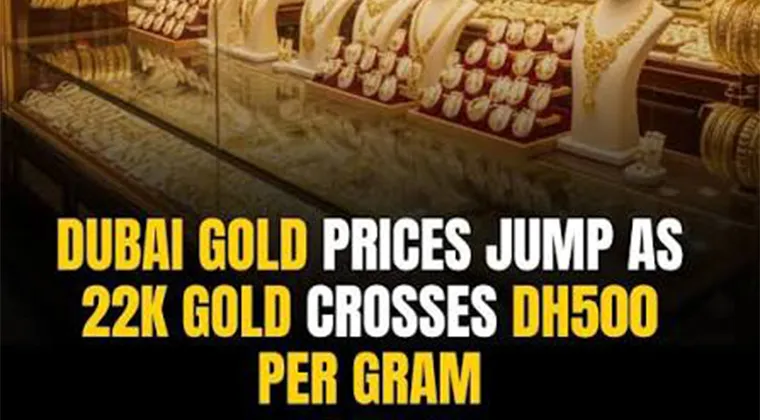

Market participants are now turning their attention toward upcoming US economic reports as they attempt to determine the future direction of Federal Reserve policy. Rather than focusing solely on recent geopolitical developments, investors are closely examining whether new economic indicators will support the continuation of a restrictive monetary approach or encourage policymakers to return to expectations of a more accommodative stance.
Analysts say the next phase for financial markets will largely depend on how incoming data influences the Federal Reserve’s view on inflation, employment, and overall economic conditions. Stronger-than-expected economic figures could reinforce the argument for maintaining higher interest rates for a longer period, while weaker data may increase expectations that the central bank could eventually shift toward rate reductions.
According to Ahmad Assiri, Research Strategist at Pepperstone, the key question for investors is whether economic developments will justify keeping monetary conditions tight or whether the market will move back toward the more optimistic outlook for policy easing that existed before recent geopolitical tensions emerged.
He explained that market sentiment has changed as investors reassess the balance between inflation risks and economic growth. While earlier expectations pointed toward a possible easing cycle, recent developments have encouraged traders to adopt a more cautious position. The direction of future rate expectations will depend heavily on whether inflation continues to show signs of persistence or begins to move closer to central bank targets.
Assiri noted that inflation remains one of the most important issues influencing Federal Reserve decisions. Although other factors such as employment levels and economic growth remain relevant, ongoing price pressures continue to represent a major challenge for policymakers.
The Federal Reserve’s primary objectives include maintaining price stability and supporting a healthy labour market. However, when inflation remains elevated, policymakers often face pressure to keep interest rates higher in order to slow price increases and prevent inflation from becoming more deeply embedded in the economy.
The strategist explained that continued inflation concerns have caused investors to adjust their expectations for future monetary policy. Instead of anticipating rapid rate cuts, markets are now considering the possibility that restrictive conditions may remain in place for an extended period.
This shift in expectations has created difficulties for gold prices. The precious metal generally performs well when investors expect lower interest rates, as reduced borrowing costs can weaken the appeal of yield-generating assets and increase demand for alternatives such as bullion.
However, when markets believe interest rates will remain high, gold can face additional pressure. Higher yields on government bonds and other fixed-income investments may attract investors away from non-interest-bearing assets, reducing demand for precious metals.
Assiri said the current inflation environment is limiting the potential for significant gains in gold prices. Persistent increases in consumer prices and uncertainty surrounding inflation trends have encouraged a more cautious approach among investors, reducing the likelihood of strong upward movement in bullion markets.
He added that while gold continues to benefit from its traditional role as a safe-haven asset, the broader market environment has become more complicated. Investors are weighing multiple factors, including central bank policy, currency movements, inflation data, and global economic developments.
The uncertainty surrounding future Federal Reserve decisions has created a challenging environment for traders. Each new economic release has the potential to influence expectations about interest rates and, in turn, affect demand for gold and other precious metals.
Market analysts believe that upcoming inflation reports, employment figures, and economic growth data will be closely monitored for clues about the Fed’s next steps. Any evidence that inflation is cooling could improve expectations for policy easing and potentially support gold prices.
On the other hand, if inflation remains stubbornly high, policymakers may have less flexibility to reduce rates. In that scenario, higher interest rates could continue to weigh on investor appetite for gold.
The relationship between inflation and monetary policy remains a central theme in financial markets. While inflation can sometimes increase demand for gold as a hedge against rising prices, the response from central banks can have the opposite effect if it leads to tighter monetary conditions.
For now, investors are adopting a wait-and-see approach as they assess whether economic data will confirm the continuation of restrictive policy or create room for a return to easing expectations. The outcome of this debate will likely play a major role in determining the direction of gold prices in the coming months.
As Assiri highlighted, ongoing inflation pressures remain a key factor limiting the precious metal’s ability to gain momentum. Until there is greater clarity on the Federal Reserve’s policy path and the future trajectory of inflation, gold markets are expected to remain sensitive to economic signals and changes in investor sentiment.