UAE shoppers are waiting for grocery prices to decline as retailers reveal how Strait of Hormuz disruptions have influenced supply chains, costs, and the timeline for market recovery.
When Will Food Costs Ease in the UAE? Supermarkets Explain Impact of Strait of Hormuz Situation.
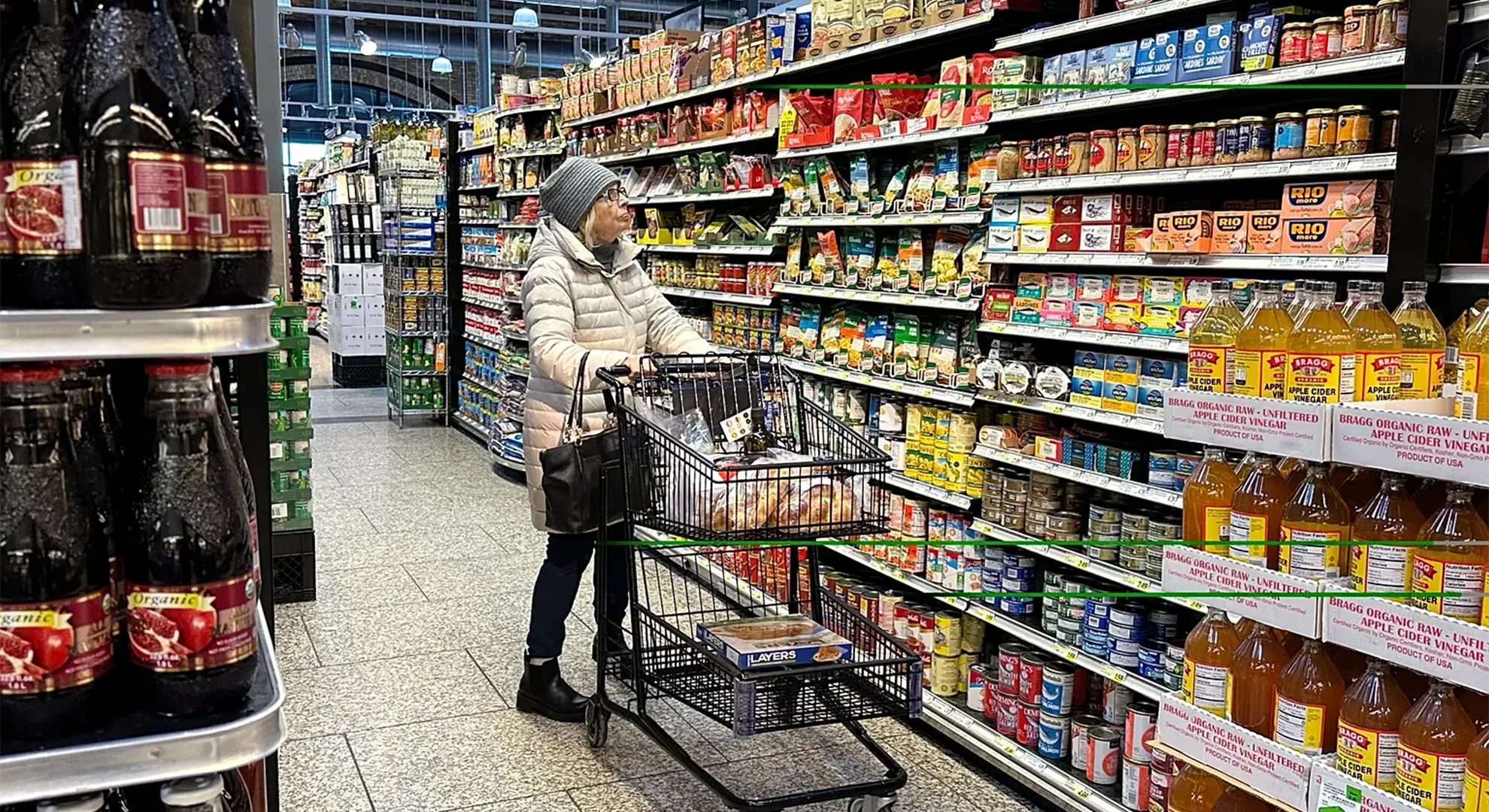
UAE consumers may soon begin to see some relief in their household spending as retailers expect improvements in global shipping conditions and lower logistics pressure to gradually influence prices in supermarkets across the country.
Industry leaders say the reopening of the Strait of Hormuz and the recent improvement in regional stability have created renewed confidence among businesses operating in the UAE. However, they caution that the impact on everyday shopping expenses will not happen overnight. While companies are already responding positively to improved market conditions, changes in consumer prices will depend on several factors, including freight agreements, transportation costs, inventory levels, and supply chain adjustments.
Retailers explain that grocery prices are influenced by a complex network of international movements, from production and shipping to storage and distribution. When disruptions occur along major trade routes, the effects are often felt throughout the entire supply chain. Similarly, when conditions improve, it takes time before those benefits reach customers at the checkout counter.
The UAE’s retail sector has been closely monitoring developments around the Strait of Hormuz, one of the most strategically important waterways in global commerce. The route plays a major role in international energy transportation and maritime trade, meaning any disruption can create immediate concerns for shipping companies, importers, and businesses dependent on overseas supplies.
During the period of uncertainty, higher fuel costs, increased insurance charges, and additional logistics expenses placed pressure on businesses. Retailers noted that these rising costs affected the movement of goods and contributed to higher prices for various imported products, including food items, household essentials, and consumer goods.
Oil prices also experienced significant volatility during the conflict period, increasing transportation expenses worldwide. Since fuel costs are closely connected to shipping and distribution, higher energy prices often influence the cost of moving products from suppliers to markets.
The Strait of Hormuz is considered a vital passage for global trade, and any concerns about accessibility can immediately affect shipping decisions. When companies face uncertainty over vessel movement, they often increase safety measures, adjust routes, or pay higher insurance premiums. These additional expenses can eventually impact the final prices paid by consumers.
Retail experts say the restoration of confidence in the region is an important step toward normalizing operations. As shipping companies regain confidence, they are expected to gradually reduce additional risk-related charges and return to more predictable schedules.
Dr Dhananjay Datar, chairman and managing director of Adil Group of Supermarkets, described the return of stability as a positive development for the UAE and the broader Gulf economy. He said improved conditions could support smoother trade operations and help businesses plan their supply chains more effectively.
According to Dr Datar, shipping companies are likely to benefit from greater certainty, allowing them to improve vessel movement, reduce operational challenges, and manage transportation more efficiently. A more stable environment can also help lower some of the extra costs that businesses faced during periods of disruption.
He explained that retailers depend heavily on reliable logistics networks to maintain product availability. Food items, daily household necessities, and imported goods require consistent transportation systems to ensure that supermarket shelves remain well stocked.
With improved shipping conditions, retailers expect supply chains to become more predictable. This could help businesses maintain healthier inventory levels, avoid shortages, and reduce pressure caused by unexpected transportation delays.
For consumers, the expected improvement will likely appear gradually rather than immediately. Retailers say existing stock was purchased under previous market conditions, meaning some products currently available in stores may still reflect earlier transportation and import costs.
As companies complete new purchasing cycles and negotiate updated shipping arrangements, the benefits of improved conditions are expected to become more visible. Over time, lower freight expenses and stronger supply reliability could contribute to more stable pricing.
Retailers also point out that the UAE’s position as a global trading centre provides an advantage during periods of uncertainty. The country’s advanced infrastructure, strong logistics network, and access to international suppliers allow businesses to respond quickly to changing market conditions.
The UAE imports a wide range of products from different regions, including food supplies, agricultural goods, packaged items, and consumer products. Because of this international dependence, efficient trade routes are essential for maintaining affordability and availability.
Business leaders believe the improvement in maritime confidence will support not only retailers but also wholesalers, distributors, and consumers. When supply chains operate smoothly, businesses are better positioned to manage costs and provide customers with more consistent pricing.
Dr Datar added that the long-term impact of restored stability could include improved product availability and reduced inflationary pressure on imported goods. He said a more predictable trading environment benefits the entire retail ecosystem, from suppliers to shoppers.
However, experts emphasize that several global factors will continue to influence prices. Currency movements, commodity costs, weather conditions affecting food production, and international demand patterns all play a role in determining retail prices.
While the easing of shipping concerns is a positive sign, retailers say consumers should expect a gradual adjustment rather than immediate reductions across all categories. Different products respond differently depending on their supply chains and market conditions.
Fresh food items, imported brands, packaged goods, and luxury products may each experience changes at different times. Some categories may stabilize quickly, while others may take longer as businesses work through existing contracts and inventory cycles.
Despite these challenges, retailers remain optimistic about the direction of the market. The combination of improved regional stability, stronger shipping confidence, and smoother logistics operations is expected to create a healthier environment for businesses and consumers.
For UAE shoppers who have been dealing with higher household expenses, the possibility of easing prices offers some reassurance. While a return to lower grocery bills may take time, industry leaders believe the current developments represent a positive turning point.
The UAE’s retail sector has demonstrated resilience through previous periods of uncertainty, supported by strong infrastructure, diversified supply networks, and efficient market systems. Retailers say these strengths will help the country continue managing external challenges while maintaining product availability.
As shipping conditions normalize and businesses adjust to the changing environment, consumers may gradually see improvements through steadier prices, fewer supply concerns, and greater confidence in the market.
Industry leaders say the key message for shoppers is that recovery is underway, but the process will happen step by step. The benefits of improved trade conditions must move through the entire supply chain before they appear fully at supermarket counters.
In the coming months, retailers expect the combination of reduced logistics pressure, better shipping reliability, and stronger business confidence to support a more stable retail environment across the UAE.
For households watching their monthly grocery spending closely, the hope is that these changes will eventually translate into noticeable savings and a more predictable cost of living.
Don’t expect overnight price cuts
Although businesses across the UAE are welcoming the return of greater stability and improved confidence in regional trade, retail experts are advising shoppers not to expect an immediate reduction in grocery prices. Industry leaders say the recovery process will happen gradually, with improvements in supply chains and shipping conditions taking time before they are reflected directly in consumer bills.
Retail executives explain that the first signs of improvement are likely to appear within the business environment rather than directly at supermarket checkout counters. As uncertainty declines, companies can make more confident decisions about purchasing, inventory planning, and logistics operations.
Kamal Vachani, deputy CEO, partner, and director at Al Maya Group, said the positive effects of improved market conditions would likely develop in stages. According to him, the earliest benefit would be the restoration of confidence among businesses, investors, and suppliers who have been closely monitoring regional developments.
He explained that stronger confidence allows companies to plan more effectively because they face fewer uncertainties related to transportation, sourcing, and future costs. When businesses have clearer visibility over supply conditions, they are better able to manage inventory and make long-term decisions.
Vachani noted that over the next several months, retailers could begin seeing improvements as shipping networks return to normal operations. More predictable vessel schedules, smoother transportation processes, and improved logistics efficiency may help reduce some of the pressures that affected businesses during the period of disruption.
Lower freight expenses could eventually create more favourable conditions for retailers. When transportation costs decrease and supply chains become more reliable, businesses may have greater flexibility in managing pricing strategies and promotions.
However, Vachani emphasized that these changes will not happen instantly. Products already in circulation may have been purchased under previous market conditions, meaning retailers may continue dealing with earlier costs before newer, more efficient supply arrangements take effect.
For consumers, he said the benefits of improved conditions could gradually become visible through better product availability, increased promotional offers, and greater stability in pricing across different categories.
He added that the UAE’s strong retail sector gives the country an advantage in responding to changing market conditions. The nation’s advanced logistics infrastructure, strategic location, and role as a major trading hub allow businesses to adapt more quickly compared with many other markets.
Retailers in the UAE operate within a highly developed supply network that connects international suppliers with millions of consumers. As shipping conditions improve, businesses are expected to benefit from smoother operations and stronger access to global markets.
Meanwhile, Mark Mortimer-Davies, CEO of Choithrams, said the return of more stable trade conditions represents an encouraging development for the region. He explained that restoring confidence in shipping and commercial movement is an important step toward normalizing business activity.
According to him, the reopening of key trade routes and improvement in regional stability will allow companies to return to more predictable planning. However, he cautioned that businesses will need some time to evaluate the changing environment and adjust their strategies accordingly.
Mortimer-Davies said the recent disruption created uncertainty across different parts of the supply chain. Companies had to respond to changing circumstances, reassess risks, and make adjustments to ensure continued product availability.
He explained that while some parts of the market may recover quickly, others could require a longer adjustment period. Fresh food products and items with shorter shelf lives may take additional time to stabilize because they depend heavily on reliable transportation schedules and carefully coordinated supply routes.
Importers and exporters must rebuild confidence in shipping arrangements, transportation timelines, and supplier relationships. Until these systems fully return to normal, certain categories may continue experiencing gradual adjustments.
Another factor influencing recovery is the broader global cost environment. Manufacturers and producers around the world are still dealing with higher expenses related to production, energy, transportation, and raw materials.
Mortimer-Davies noted that while some costs may reduce relatively quickly once conditions improve, other increases may take longer to move through the supply chain. The journey from production facilities to distributors and finally to retail shelves involves multiple stages, each of which can influence final prices.
Because of this, retailers say consumers should expect a gradual transition rather than sudden price cuts. The return of stability can create the foundation for improvement, but the full impact requires time to move through the entire economic system.
Industry leaders also point out that retail pricing depends on several factors beyond shipping conditions. Global commodity prices, currency movements, seasonal demand, and production costs all influence what customers ultimately pay in stores.
Despite these challenges, retailers remain positive about the direction of the market. They believe that improved confidence, stronger logistics performance, and smoother trade operations will help create a more stable environment for both businesses and consumers.
For shoppers, the most immediate changes may appear in areas such as improved product selection, fewer supply concerns, and more competitive promotional activity. As retailers gain better visibility into future costs, they can make more informed decisions about pricing and inventory.
The UAE’s retail sector has shown resilience during periods of uncertainty, supported by strong infrastructure, diverse supply sources, and efficient distribution networks. Industry leaders believe these strengths will help accelerate recovery as global trade conditions continue to improve.
While consumers may need to wait before seeing major changes in grocery expenses, retailers say the foundation for a more stable market is being established. Lower logistical pressure, improved shipping confidence, and stronger business planning could gradually contribute to a more balanced pricing environment.
Experts stress that recovery is a process rather than an immediate event. The transition from disruption to stability requires coordination between shipping companies, manufacturers, suppliers, distributors, and retailers.
As these different parts of the supply chain adjust, the benefits of improved conditions are expected to reach consumers step by step.
For now, the message from retail leaders is one of cautious optimism: the direction is positive, but meaningful changes at the consumer level will depend on how quickly global supply networks adapt to the new conditions.
Still selling at high prices
Although the reopening of key shipping routes has brought optimism among UAE retailers and consumers, industry experts say the impact on grocery prices will not appear immediately. Businesses are expected to experience improvements gradually as older inventory moves out and new shipments purchased under improved market conditions begin reaching stores.
Retail executives explain that many products currently available on supermarket shelves were imported during a period when transportation expenses, insurance charges, and freight rates were significantly higher. These additional costs were already built into the prices of goods before they reached consumers.
Mark Mortimer-Davies, CEO of Choithrams, said that while the return of stability is a positive development for the region’s economy, the retail sector will need time to adjust to the changing environment. He explained that businesses are still managing stock that arrived under more expensive shipping conditions.
According to him, the reduction in logistics pressure will become clearer only after new supply cycles begin. As retailers receive fresh shipments arranged under more favourable transportation conditions, customers are likely to see a gradual improvement in pricing and product availability.
He added that the adjustment process is expected to become more noticeable during the third quarter, when newer inventory begins replacing goods that were purchased during the period of elevated shipping and insurance costs.
Retailers say this delay between improving conditions and changing prices is normal because supply chains operate in cycles. Products go through several stages before reaching consumers, including manufacturing, international transportation, customs clearance, storage, distribution, and final retail sales.
Because of this process, any reduction in costs at the shipping stage does not immediately translate into lower prices at supermarkets. Businesses must first receive new stock, update supply agreements, and assess how market conditions are developing before making significant pricing changes.
Anis Sajan, vice-chairman of Danube Group, explained that consumers should remain patient because retailers are still dealing with goods purchased under previous cost conditions.
He said that although shoppers will eventually benefit from improved shipping conditions, the transition will take some time. According to him, many products currently being sold were ordered when freight expenses were considerably higher, meaning those increased costs are still reflected in today’s prices.
Sajan explained that the real impact of lower transportation expenses will only become visible once newly imported goods begin arriving in the UAE. These shipments, purchased when logistics costs are reduced, will allow retailers to reassess pricing and potentially offer more competitive rates.
He said that if shipping expenses continue moving downward and global energy markets remain stable, consumers could gradually experience positive changes. These may include improved availability of products, fewer supply concerns, and more competitive pricing across different categories.
The retail executive highlighted that stability in fuel prices is another important factor influencing the cost of goods. Since transportation and logistics depend heavily on energy costs, stable oil prices can help businesses better manage expenses and plan future imports.
Meanwhile, representatives from the shipping sector share a similar outlook, describing the developments as encouraging but emphasizing that businesses require time to fully adapt.
Haris Shaikh, CEO of Gallop Shipping in Dubai, said the reopening of trade routes represents positive news for both retailers and consumers. However, he noted that companies cannot instantly adjust all costs because existing supply arrangements were created under different market conditions.
He explained that many retailers are still selling products that were transported when freight charges were higher. As a result, the current pricing environment continues to reflect some of the additional expenses businesses faced during the period of disruption.
Shaikh said that if conditions remain stable, the benefits should gradually become more visible in the coming months. Improved shipping reliability, lower transportation pressure, and stronger supply confidence could help retailers maintain better inventory levels and provide customers with a wider range of products.
Shipping experts explain that confidence plays a major role in international trade. When businesses are uncertain about transport routes, they often take additional precautions, increase safety measures, or face higher insurance requirements. These factors can raise costs throughout the supply chain.
As stability returns, companies can operate with greater predictability. Shipping schedules become easier to manage, transportation planning improves, and businesses can make purchasing decisions with more confidence.
Retailers believe this environment will eventually support a healthier pricing structure. However, they caution that the process will happen gradually rather than through sudden price reductions.
For consumers, the first visible improvements may come through better product availability. During periods of uncertainty, businesses often increase inventory caution to avoid unnecessary risks. As confidence improves, retailers may be able to expand product selections and maintain stronger stock levels.
Promotional activity could also increase as companies gain more flexibility in managing costs. Retailers may have greater opportunities to introduce discounts, special offers, and competitive pricing strategies once supply conditions stabilize.
Industry leaders stress that several factors will determine how quickly consumers notice changes. These include international commodity prices, currency movements, production expenses, and demand trends in global markets.
While improved shipping conditions are expected to support price stability, they are only one part of the broader economic picture. Retailers must continue monitoring multiple factors that influence the final cost of goods.
The UAE’s position as a major international trading centre is expected to help the country benefit from improving conditions. With advanced logistics infrastructure, strong import networks, and a diverse supply base, businesses are well positioned to respond as markets stabilize.
Retail experts say the country’s ability to maintain product availability during challenging periods demonstrates the strength of its supply chain system. The focus now is on moving from managing disruption toward restoring normal market operations.
As new shipments arrive and older, higher-cost inventory gradually clears, retailers expect a smoother pricing environment to develop. Consumers may not see immediate reductions at checkout, but businesses believe the overall direction is positive.
The coming months will be important as companies evaluate the long-term effects of improved shipping conditions. If transportation costs continue to ease and global trade remains stable, the benefits are expected to move steadily from suppliers to retailers and finally to customers.
For UAE shoppers, the message from industry leaders is one of cautious optimism. Lower costs and better availability are possible, but the changes will appear step by step as the entire supply chain adjusts to the new conditions.
Rather than an overnight drop in grocery bills, consumers are likely to experience a gradual improvement driven by cheaper shipments, smoother logistics, and stronger market confidence.
Retailers believe that as these factors come together, the UAE market will move toward greater stability, giving both businesses and consumers a more predictable environment in the months ahead.