The Eid holiday periods in 2027 could give travelers ample time to organize vacations ahead of schedule, allowing them to secure better deals, preferred destinations, and smoother travel arrangements.
Eid Breaks in 2027 May Allow Early Travel Planning for Holidaymakers.
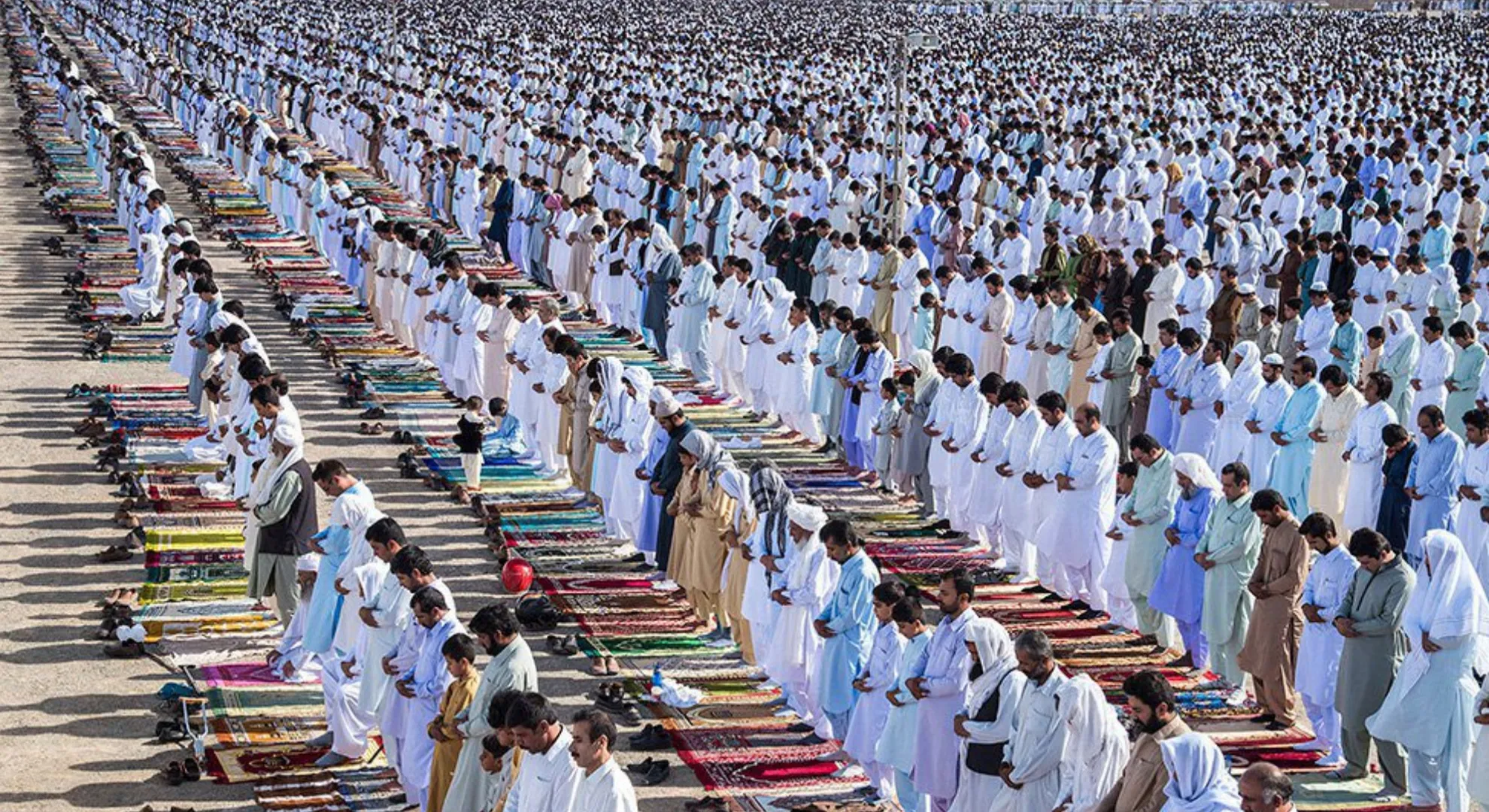
Residents across the UAE are becoming increasingly strategic when it comes to planning holidays and international travel. Rather than waiting for official holiday announcements, many travelers now begin researching destinations, comparing airfares, and exploring accommodation options several months in advance. At the same time, they are maintaining flexibility in their plans by choosing refundable tickets, flexible hotel bookings, and travel arrangements that can be adjusted if necessary.
This approach has become particularly common around Eid holidays, which are among the most anticipated breaks in the UAE calendar. Since the exact dates of these holidays depend on the Islamic lunar calendar, many residents prefer to prepare early while keeping enough room to modify their itineraries once official confirmations are made.
For long-term UAE residents, this pattern is familiar. Travel planning often starts well before government authorities announce public holiday schedules. Families, professionals, and frequent travelers typically begin monitoring flight prices and travel trends months ahead of time. The goal is to take advantage of lower fares and better accommodation choices before demand increases closer to the holiday period.
The challenge for travelers is rarely deciding where they would like to go. Popular destinations are usually identified well in advance, whether they involve relaxing beach vacations, cultural city breaks, family visits, or international adventures. The more difficult decision revolves around timing. Because some of the UAE’s most significant holidays are linked to lunar observations, predicting the exact dates can be complicated.
Unlike holidays such as New Year’s Day or National Day, which occur on fixed dates every year, Islamic holidays move through the Gregorian calendar. Their timing is determined by the Hijri calendar, which follows the cycles of the moon rather than the solar year. As a result, celebrations such as Eid Al Fitr and Eid Al Adha occur approximately 10 to 11 days earlier each year when viewed on the Gregorian calendar.
This shifting nature creates a degree of uncertainty that affects travel planning. While astronomical calculations provide strong estimates, official holiday dates are typically confirmed only after the sighting of the crescent moon. Consequently, travelers often face a choice between waiting for confirmation or booking early to secure better prices.
Eid Al Fitr in 2027 presents a clear example of this situation. Based on current projections, the holy month of Ramadan is expected to begin around February 8, 2027. However, because the Islamic calendar depends on lunar observations, the precise duration of Ramadan cannot be determined with complete certainty until the end of the month approaches.
Ramadan may last either 29 or 30 days, depending on the visibility of the new crescent moon that signals the beginning of Shawwal, the month in which Eid Al Fitr is celebrated. This seemingly small difference of one day can have a significant impact on travel schedules, public holidays, and vacation planning.
If Ramadan concludes after 29 days, Eid Al Fitr is expected to commence around March 9, 2027. Alternatively, if the fasting month extends to 30 days, the celebration would likely begin on March 10, 2027. Although the difference is only a single day, it can influence flight demand, accommodation availability, and the overall duration of holiday breaks.
For UAE residents, understanding these possibilities is particularly important because public holidays often combine with weekends to create extended breaks. A holiday period that officially lasts only a few days can sometimes become a much longer travel opportunity when aligned with regular weekend schedules.
Traditionally, Eid Al Fitr holidays in the UAE cover the first three days of Shawwal. These days are designated as official public holidays, allowing government and private-sector employees to celebrate the occasion with family and friends. However, when these holidays fall close to weekends, the total time away from work can increase considerably.
This possibility is one of the main reasons many residents begin preparing travel plans months ahead. By identifying likely holiday windows early, travelers can secure competitive prices before airlines and hotels experience increased demand. Historical travel trends show that fares often rise significantly as holiday periods approach, particularly on routes connecting the UAE with popular tourist destinations.
Families traveling with children are especially attentive to these dates. Coordinating school schedules, annual leave allowances, and travel budgets requires careful planning. Early preparation allows parents to explore multiple options and make informed decisions before the holiday rush begins.
Travel industry professionals have also observed a growing preference for flexibility among UAE residents. Rather than committing to rigid itineraries, many travelers are selecting booking options that allow changes or cancellations with minimal penalties. This trend reflects the practical reality of planning around holidays that depend on moon sightings.
Airlines and hospitality providers have responded by introducing more flexible products and policies. Refundable fares, date-change options, and flexible accommodation bookings have become increasingly attractive to travelers who want to secure reservations without taking on unnecessary risk.
Another factor influencing early planning is the strong demand for travel during Eid periods. Airports across the UAE typically experience a surge in passenger traffic as residents head abroad for vacations or travel home to visit relatives. Popular destinations can sell out quickly, particularly when holiday periods align with favorable weather conditions or school breaks.
By researching options well in advance, travelers gain access to a wider range of choices. They can compare destinations, evaluate flight schedules, and secure accommodations that best suit their preferences and budgets. This approach also helps reduce the stress often associated with last-minute planning.
In recent years, digital booking platforms have made early planning even easier. Travelers can monitor fare changes, set price alerts, and compare offers from multiple providers. These tools enable residents to make informed decisions while maintaining the flexibility needed to adapt to changing holiday schedules.
For many UAE residents, the strategy is simple: plan early, but remain adaptable. Instead of waiting until holiday dates are officially confirmed, they identify likely travel periods and make provisional arrangements. If the final holiday schedule changes slightly, flexible booking options allow them to adjust their plans accordingly.
Looking ahead to Eid Al Fitr 2027, many travelers are expected to follow this same approach. While the precise dates will ultimately depend on lunar observations and official announcements, current projections provide enough guidance for preliminary planning. Those who begin researching and booking early may benefit from better prices, greater availability, and a wider selection of travel options.
Ultimately, the combination of shifting Islamic holiday dates and growing travel demand has encouraged UAE residents to become more proactive in organizing their vacations. By balancing preparation with flexibility, travelers can position themselves to make the most of upcoming Eid breaks while minimizing uncertainty and maximizing convenience. Whether planning a short getaway, an international holiday, or a visit to loved ones abroad, early preparation continues to be one of the most effective ways to secure a smooth and enjoyable travel experience.
How Eid 2027 could shape travels
Travel patterns in the UAE during 2027 are expected to be shaped by two major holiday periods occurring within a relatively short timeframe. The first is Eid Al Fitr, which is currently projected to fall in early March, while the second is the annual spring break observed by schools across the country in April. Although these two holiday periods serve different purposes and attract different types of travelers, their close proximity is likely to create sustained demand throughout much of March and April.
For travel companies, airlines, and hotels, this creates a unique situation. Rather than experiencing a single holiday rush followed by a quieter period, the industry may face consecutive peaks in demand. The result could be a prolonged period of higher prices, limited availability, and increased competition for travel services.
Eid Al Fitr traditionally represents one of the busiest travel periods in the UAE. Many residents take advantage of the public holiday to enjoy short vacations, visit family members abroad, or explore nearby destinations. Since the break is usually only a few days long, travelers often prioritize destinations that are relatively easy to reach and do not require extensive travel time.
One of the defining characteristics of Eid travel is the uncertainty surrounding the final holiday dates. Because the occasion is determined by the Islamic lunar calendar, official confirmation depends on the sighting of the crescent moon. While astronomical forecasts provide strong indications of when Eid is likely to occur, the exact timing is generally announced closer to the date itself.
This uncertainty influences booking behavior. Many travelers spend weeks researching destinations and monitoring prices but delay making final decisions until the holiday schedule becomes clearer. As soon as the official announcement is made, a large number of bookings are completed within a very short period. This sudden surge in demand can dramatically affect flight availability, hotel occupancy, and travel package prices.
Travel experts frequently observe that demand accelerates rapidly once holiday dates are confirmed. Flights that appeared widely available only days earlier can quickly become fully booked, while hotel rates often increase as rooms begin to sell out. This compressed booking window creates a highly competitive environment for travelers seeking the best deals.
Short-haul destinations continue to dominate Eid travel preferences among UAE residents. Countries offering convenient flight connections, visa-friendly entry policies, and attractive tourism experiences are particularly popular during this period. Destinations such as Georgia and Azerbaijan have consistently attracted strong interest from UAE-based travelers due to their accessibility, pleasant weather, and diverse leisure offerings. Oman also remains a favored option, especially for those seeking a shorter getaway closer to home while still enjoying a change of scenery.
The appeal of these destinations lies in their ability to accommodate short holiday schedules. Travelers can maximize their time away without spending excessive hours in transit, making them ideal choices for an Eid break that may last only a few days.
Once the Eid holiday period concludes, attention quickly shifts toward the next major travel season: spring break. Unlike Eid, which depends on lunar observations, school holidays are scheduled well in advance and provide a greater degree of certainty for families planning vacations.
This second travel wave differs significantly in both character and scale. Family travel becomes the dominant driver of demand, with parents coordinating vacations around school calendars. Because the holiday period is known months ahead of time, planning tends to be more organized and deliberate.
Families often use spring break as an opportunity for longer journeys, selecting destinations that may not be practical during shorter holiday periods. Extended vacations allow travelers to explore more distant locations, participate in a broader range of activities, and enjoy a more relaxed pace. As a result, spending patterns during spring break can differ from those seen during Eid.
The travel industry frequently sees increased demand for premium experiences during school holidays. Families may opt for higher-end resorts, longer hotel stays, guided tours, and comprehensive vacation packages. These preferences contribute to stronger revenue opportunities for airlines, hotels, and tourism operators.
Because spring break follows Eid by only a matter of weeks in 2027, the travel market may not have sufficient time to return to normal between the two periods. In a typical year, travel demand often decreases after a major holiday, creating a temporary window during which prices become more competitive and availability improves. However, the close timing of Eid and spring break could reduce or even eliminate this quieter period.
Airlines are expected to experience sustained demand across both holiday seasons. Instead of seeing passenger volumes drop after Eid, carriers may continue operating near peak capacity as families begin traveling for spring vacations. This continuity can influence pricing strategies, route availability, and seat inventory management.
Hotels may encounter a similar situation. Properties that benefit from strong occupancy during Eid could see demand remain elevated through the following weeks as spring-break travelers arrive. Popular destinations may therefore experience extended periods of high occupancy, making last-minute bookings increasingly difficult.
For consumers, one of the most important consequences of this overlapping demand pattern is the impact on pricing. Travel costs are largely influenced by supply and demand, and when demand remains consistently high over an extended period, discounts become less common.
Many travelers traditionally rely on the weeks between major holidays to find lower fares and promotional offers. However, in 2027, that opportunity may be significantly reduced. As travel providers move directly from one busy season to another, there may be little incentive to lower prices.
The effects of this trend may become particularly noticeable during late March and early April. By that stage, a substantial portion of affordable inventory may already have been sold during the Eid booking rush. Travelers who delay making arrangements could find themselves facing fewer options and higher costs.
Flexible fares and budget-friendly accommodations are often among the first products to sell out during periods of elevated demand. Once these options disappear, travelers are left choosing from more expensive alternatives. This progression can gradually push average travel costs higher as the season advances.
Families planning spring-break vacations may therefore benefit from preparing earlier than usual. Securing flights and accommodations well in advance can help protect against future price increases and provide access to a wider selection of choices. Early planning also allows travelers to compare destinations and evaluate different travel scenarios without feeling pressured by limited availability.
The combination of Eid Al Fitr and spring break creates a distinctive travel environment that may shape booking behavior throughout the first half of 2027. With two major holiday periods occurring within a relatively short timeframe, demand is expected to remain strong across multiple sectors of the travel industry.
For residents of the UAE, this means that strategic planning could become more important than ever. Whether traveling for a short Eid getaway or a longer family vacation during spring break, those who begin researching and booking early are likely to enjoy greater flexibility, more competitive prices, and a broader range of travel opportunities.
As airlines, hotels, and tourism operators prepare for what could be an extended season of elevated demand, travelers may find that the traditional gap between major holiday periods is much less pronounced than in previous years. In practical terms, the travel market could remain highly active from the beginning of March through much of April, creating an environment where early preparation becomes one of the most effective tools for securing a successful and cost-effective trip.


Two Eid breaks, one travel mindset
Following the busy travel periods associated with Eid Al Fitr and the spring school holidays, UAE residents are likely to turn their attention to another significant break later in the year. Eid Al Adha, which is currently expected to fall in May 2027, is anticipated to provide one of the longest public holiday periods of the year. The holiday traditionally includes Arafah Day, followed by the days of Eid celebrations, often creating an extended opportunity for travel, relaxation, and family gatherings.
Although preliminary calendar estimates suggest a lengthy break, the exact dates of Eid Al Adha cannot be finalized far in advance. Like all major Islamic occasions, the holiday is determined according to the Hijri calendar and depends on lunar observations. As a result, official confirmation will only come closer to the expected dates after religious authorities verify the sighting of the moon.
Despite this uncertainty, travel behavior among UAE residents has become increasingly predictable over the years. Many people no longer wait for official announcements before beginning to prepare. Instead, they start exploring destinations, tracking airfare trends, and reviewing accommodation options months ahead of time. This proactive approach allows travelers to identify attractive deals and secure preferred travel arrangements before demand intensifies.
Industry experts have frequently observed that holiday planning in the UAE often begins long before public holiday dates are formally announced. Residents have become accustomed to the nature of Islamic holidays and understand that while exact dates may vary slightly, the overall travel window can often be estimated well in advance. This understanding encourages many families and individuals to make preliminary plans while maintaining enough flexibility to adjust their schedules if needed.
As Eid Al Adha approaches, a familiar pattern is expected to emerge across the travel sector. Online searches for flights, hotels, holiday packages, and destination guides are likely to increase steadily. Travelers will compare options, monitor prices, and shortlist potential destinations before making final booking decisions.
Flexibility remains a key consideration for many travelers. Given the possibility of slight shifts in holiday dates, refundable tickets and accommodation bookings with flexible cancellation policies continue to be highly attractive. Such options allow residents to secure reservations early without worrying about unexpected changes to the official holiday schedule.
The holiday itself appeals to a broad range of travelers. Some residents prefer short trips to nearby countries that offer convenient flight connections and simplified visa procedures. These destinations are particularly attractive for those seeking a quick escape without spending excessive time in transit. Regional destinations often experience a surge in popularity during Eid holidays because they provide a balance between convenience, affordability, and enjoyable leisure experiences.
At the same time, many travelers view Eid Al Adha as an ideal opportunity for longer international vacations. Since the holiday can extend over several days, families often use the break to visit destinations that would not be practical during shorter holiday periods. These trips may include cultural tours, beach holidays, adventure travel, or visits to relatives living abroad.
For numerous residents, Eid Al Adha represents an important mid-year opportunity to step away from daily routines. Coming before the peak summer travel season, the holiday offers a valuable chance to recharge, spend quality time with loved ones, and enjoy a change of environment. Families with children often use the occasion to create memorable experiences together before the hotter summer months and additional travel commitments arrive.
The travel industry also benefits from this recurring cycle. Airlines, hotels, and tourism operators often prepare for heightened demand well in advance, anticipating increased bookings as the holiday period approaches. Popular destinations can experience significant growth in visitor numbers, particularly those that are easily accessible from the UAE and offer attractive holiday experiences.
Even though the precise timing of Eid Al Adha remains subject to moon sightings, traveler behavior tends to follow a consistent pattern year after year. Residents begin researching early, compare travel options, and gradually build their itineraries before official confirmations are issued. By the time holiday dates are formally announced, many travelers have already completed much of their planning and are ready to finalize their arrangements.
In many ways, the anticipation surrounding Eid Al Adha demonstrates how travel planning in the UAE has evolved. Rather than waiting for certainty, travelers increasingly rely on forecasts, historical patterns, and flexible booking options to stay ahead of demand. As a result, preparations often begin long before the calendar officially confirms the holiday period.
With Eid Al Adha expected to arrive in May 2027, another busy travel season is likely on the horizon. Whether residents choose nearby getaways or long-distance international adventures, one thing remains clear: planning is expected to start well before the official dates are announced, continuing a well-established trend among UAE travelers who prefer to be prepared rather than wait until the last moment.
Where UAE residents travel
Although the exact timing of Eid holidays changes from year to year due to the Islamic lunar calendar, the travel habits of UAE residents tend to follow familiar trends. Regardless of whether the holiday falls earlier or later in the year, many people use the break as an opportunity to leave their daily routines behind and enjoy a change of environment.
For a significant number of travelers, Eid represents the perfect occasion to explore new destinations beyond the UAE. Nearby countries in the Caucasus region continue to attract strong interest because of their accessibility, natural beauty, and pleasant weather conditions. Destinations such as Georgia, Armenia, and Azerbaijan remain among the preferred choices for residents seeking a combination of scenic landscapes, cultural experiences, and cooler temperatures. These locations offer a noticeable contrast to life in the UAE, making them particularly appealing during holiday periods.
Others choose to venture farther afield, especially when holiday dates and visa requirements align favorably. European destinations often become attractive options for travelers looking for city breaks, cultural exploration, or outdoor experiences. The appeal lies in the opportunity to experience different traditions, architecture, cuisines, and climates while making the most of an extended holiday period.
Not every traveler, however, is looking for an action-packed itinerary. Many residents prefer a slower pace and use the Eid break primarily for relaxation and recovery. For this group, island destinations are often the first choice. Tropical locations such as the Maldives, Seychelles, and Mauritius continue to enjoy strong demand among UAE travelers seeking peaceful surroundings, luxury resorts, and beachside relaxation. These trips are less focused on sightseeing schedules and more centered on unwinding, spending time with family, and escaping the pressures of everyday life.
Regional travel within the Gulf Cooperation Council also remains highly popular. One of the main advantages of GCC destinations is convenience. Short flight times, cultural familiarity, and relatively simple travel arrangements make these locations attractive for residents planning quick getaways. Oman, in particular, continues to draw visitors thanks to its mountain landscapes and cooler highland regions, which provide a refreshing contrast to the UAE’s climate. Other neighboring destinations, including Bahrain, Saudi Arabia, and Qatar, are frequently chosen by travelers seeking short trips that require minimal preparation.
At the same time, a broader shift in travel behavior has become increasingly noticeable among UAE residents. Rather than saving their vacation time for one extended annual trip, many people are now choosing to take several shorter holidays throughout the year. Public holiday periods such as Eid provide ideal opportunities for these mini-breaks, allowing travelers to enjoy multiple experiences without waiting for a single long vacation.
This growing preference for shorter, more frequent trips reflects changing lifestyles and travel priorities. By spreading their holidays across the calendar, residents can enjoy greater flexibility, explore a wider variety of destinations, and make better use of the UAE’s numerous long-weekend opportunities. As a result, Eid holidays continue to play an important role in shaping travel patterns, serving as key moments for both adventure and relaxation throughout the year.
One of the most common reasons travelers end up paying higher prices for flights during Eid seasons is simple: they delay booking for too long. In a market where demand rises sharply within days of official holiday announcements, waiting until the last moment can significantly reduce the chances of finding affordable fares or preferred schedules. This pattern has become especially noticeable among UAE residents, where Eid holidays consistently trigger some of the busiest travel periods of the year.
Airfares and hotel rates are highly dynamic and can change multiple times within a single day depending on demand, seat availability, and booking trends. As holiday periods approach, prices tend to rise quickly, particularly on popular routes departing from the UAE. This is why early planning has become an essential strategy for many experienced travelers.
Recent reporting, including coverage by Khaleej Times, has highlighted a growing behavioral shift among UAE-based travelers. Instead of waiting for final holiday confirmations, many are now adopting a more proactive approach. They book flights earlier than before but choose flexible or refundable options that allow them to modify plans later if needed. This method provides a balance between cost savings and adaptability, especially in situations where Eid dates are confirmed closer to the travel period.
The idea behind this approach is straightforward: secure better prices early, while maintaining the ability to adjust bookings once official dates are announced. This reduces the risk of last-minute price spikes while also offering peace of mind in case of slight changes in travel schedules.
Flexibility in travel dates is another key factor that can significantly reduce costs. Travelers who are able to adjust their departure or return dates by even one or two days often find noticeable differences in ticket prices. Midweek flights, early morning departures, or less popular travel times can sometimes be substantially cheaper than peak-hour options.
Data from travel platforms such as Skyscanner supports this trend, showing that fare prices are influenced more by demand patterns than fixed assumptions about specific days of the week. According to the findings, Saturday has recently emerged as one of the lower-cost days for departures from the UAE. However, this does not mean it is universally the cheapest option, as fares fluctuate depending on destination, seasonality, and booking timing.
The same research also shows mixed perceptions among travelers about the cheapest days to fly. While a portion of travelers believe Tuesday offers the best fares, and others favor Wednesday, the overall conclusion is that no single weekday consistently guarantees the lowest prices. Instead, fare variations are largely shaped by broader travel demand trends rather than a fixed weekly pattern.
In addition to timing flexibility, destination choice plays a major role in determining travel costs. Certain routes consistently offer more affordable fares for UAE travelers. Based on recent data trends, several Indian cities continue to dominate the list of budget-friendly international destinations. These routes benefit from high flight frequency and strong airline competition, which helps keep prices relatively low compared to long-haul destinations.
Beyond India, cities such as Istanbul are frequently identified as cost-effective options for travelers seeking international experiences without high airfare expenses. Cairo and Dhaka also appear in the mid-range pricing category, offering relatively accessible travel options depending on booking timing and demand levels. Meanwhile, Manila often features among the more expensive entries in the “affordable” category, yet still remains comparatively cheaper than many long-haul Western destinations.
These price patterns highlight an important reality for UAE travelers: destination choice can have as much impact on travel budgets as booking timing. Popular routes with strong airline competition tend to offer more stable and lower fares, while long-distance or high-demand destinations often experience sharper price increases during peak travel periods such as Eid.
Another key factor influencing travel behavior in the UAE is the structure of public holidays themselves. Eid breaks play a major role in shaping the overall travel calendar, influencing not only when people travel but also how much they spend and what destinations they choose. Because Eid holidays often align with weekends or school breaks, they create concentrated periods of high demand where prices rise quickly and availability becomes limited.
Unlike fixed-date holidays, Eid shifts every year based on the Islamic lunar calendar. This variability introduces an element of uncertainty into travel planning. Since exact dates are only confirmed closer to the occasion, travelers often have to make decisions without complete information. This uncertainty naturally encourages a more flexible and adaptive approach to booking.
As a result, many UAE residents have adjusted their planning habits. Instead of waiting for official announcements, they begin researching destinations and tracking flight prices well in advance. Once they identify potential travel windows, they often make provisional bookings that can be adjusted later if required. This allows them to secure lower fares early while still accommodating changes in final holiday schedules.
This evolving behavior reflects a broader shift in how travel is approached in the region. Planning is no longer limited to fixed dates and rigid itineraries. Instead, it has become a more dynamic process that balances preparation with adaptability. Travelers increasingly prioritize readiness, ensuring that they can act quickly once official holiday dates are confirmed.
In practical terms, successful Eid travel planning is less about reacting at the last minute and more about staying prepared ahead of time. Those who monitor fares early, compare multiple options, and remain flexible with their travel arrangements are generally better positioned to secure cost-effective deals.
Ultimately, saving money on flights during peak travel seasons like Eid requires a combination of early research, flexible decision-making, and awareness of pricing trends. With demand rising sharply in short timeframes, the travelers who benefit most are typically those who plan in advance while still leaving enough room to adjust their schedules when final details are announced. This balance between preparation and flexibility has become the defining feature of modern travel behavior among UAE residents.