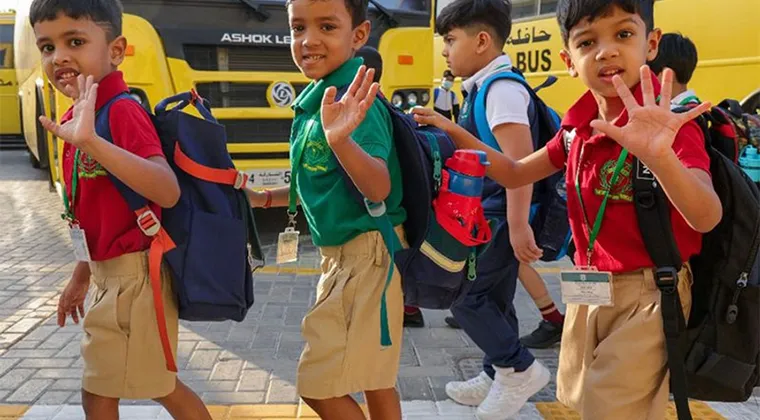
Based on MAP Growth assessment findings, UAE schools are expressing concern about potential academic regression during the summer break, urging attention to learning gaps and student progress challenges.
UAE Schools Raise Concerns Over Summer Learning Decline as MAP Growth Results Highlight Academic Setbacks.
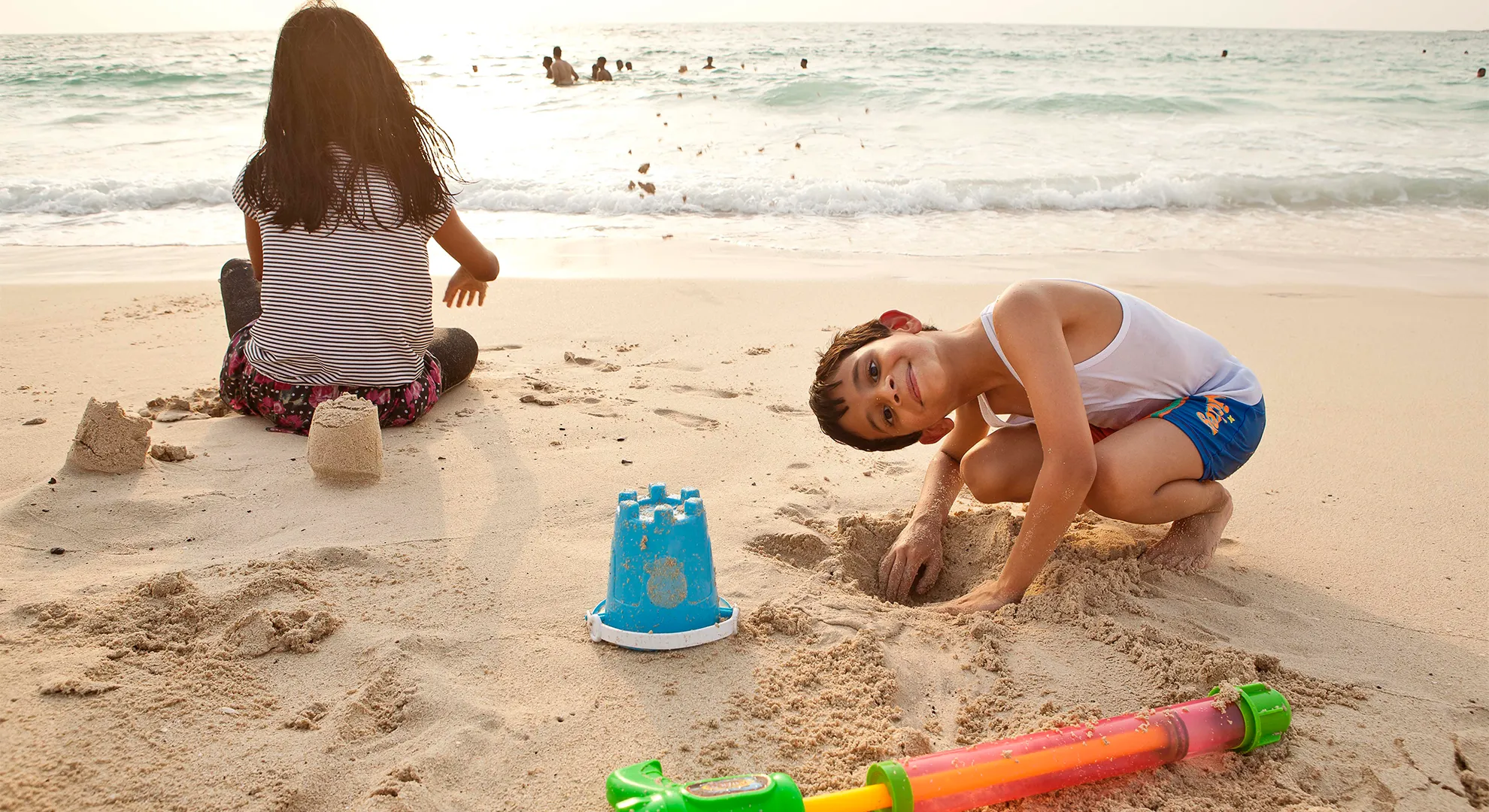
As summer holidays approach in the UAE, educators are once again drawing attention to a long-recognised academic challenge known as the “summer slide” — a term used to describe the tendency for students to lose some of the knowledge and skills they gained during the school year when they are away from structured learning for extended periods.
Education experts say the concern is not new, but it continues to be relevant as recent data and research reinforce the impact of long breaks on student performance. With schools set to close for the summer within the next two weeks, discussions among teachers, school leaders, and parents have intensified around how to ensure children remain mentally engaged without turning the holiday into an extension of the classroom.
Research findings suggest that learning loss during summer can be significant. Some studies estimate that students may lose between 20 and 30 percent of their academic progress over the break, depending on age, subject, and learning environment. Mathematics is often cited as the area most affected, with certain analyses indicating that students may experience a decline equivalent to several months of instruction, sometimes as much as 2.6 months within a six-week period away from formal schooling.
While the summer break is widely viewed as an important time for rest, recreation, and emotional recharge, education specialists caution that extended disengagement from academic activities can lead to a noticeable decline in skills. This is particularly evident in subjects that require continuous practice, such as mathematics, where procedural fluency and problem-solving abilities can weaken without regular reinforcement.
Reading skills are also affected, although often to a lesser extent. In many cases, comprehension and vocabulary growth may stagnate rather than decline sharply, but the overall effect is still a flattening of academic progress. Over time, these small setbacks can accumulate, making it more difficult for students to regain momentum when they return to school in the new academic year.
The latest insights into this issue are drawn from NWEA’s MAP Growth assessments for the 2024–2025 academic period, along with evaluations of various summer learning programmes. These assessments track student progress over time and provide a clearer picture of how academic skills evolve during and after extended breaks from formal education.
Educators in the UAE say that while the effects of summer learning loss are not always immediately visible, they can gradually build up and influence long-term academic performance. A student may not show obvious signs of regression at the start of the new term, but gaps in understanding can become more apparent as new concepts are introduced that depend on previously learned material.
In response to these concerns, school leaders across the country are encouraging families to reconsider how learning is approached during the summer months. Rather than viewing education as something that pauses completely during the holidays, experts are advocating for a more integrated approach in which learning continues in informal, everyday settings.
This perspective does not suggest that children should be burdened with structured academic workloads during their break. Instead, educators are promoting the idea that learning can happen naturally through curiosity-driven experiences, daily activities, and meaningful interactions with the world around them. The focus, they say, should be on maintaining engagement rather than replicating classroom routines.
Dr. Funke Baffour-Awuah, Vice President for Culture of Excellence at GEMS Education, emphasized that the way parents perceive summer learning plays a crucial role in shaping children’s attitudes toward education. She explained that framing the break as a period for “retaining academic skills” can sometimes unintentionally place pressure on students, making learning feel like an obligation rather than an enjoyable process.
According to her, summer should not be treated as a lighter version of the school term filled with worksheets and formal assignments. Instead, it should be seen as an opportunity for intentional but enjoyable learning experiences that stimulate curiosity and encourage exploration. She highlighted that the goal is not to replicate school at home, but to create environments where learning happens organically.
Dr. Baffour-Awuah advised parents to shift their focus from structured academic tasks to everyday opportunities for discovery. She suggested that reading, for example, should not be limited to assigned textbooks or compulsory material. Instead, children should be encouraged to explore books that genuinely interest them, allowing reading to become a pleasurable activity rather than an academic requirement.
She also recommended that families use everyday experiences as learning opportunities. Visits to museums, cultural centres, or historical sites can become interactive learning moments when children are encouraged to ask questions and explore ideas rather than simply memorize facts. In her view, curiosity should be prioritised over correctness, with the aim of helping children develop a natural interest in discovering how the world works.
Daily routines can also serve as valuable educational tools. Activities such as cooking, for instance, can introduce children to concepts in mathematics, science, and cultural studies all at once. Measuring ingredients can reinforce numerical understanding, while observing changes in food during preparation can help explain basic scientific principles. At the same time, discussing the cultural background of dishes can broaden awareness of different traditions and societies.
Educators argue that these informal learning experiences are particularly effective because they are embedded in real-life contexts. Unlike traditional classroom exercises, they allow children to see the practical relevance of what they are learning, which can improve retention and deepen understanding.
School leaders across the UAE are therefore encouraging parents to adopt a balanced approach during the summer break — one that allows children to rest and recharge while also remaining mentally active through everyday experiences. The emphasis is not on formal instruction but on sustaining curiosity, creativity, and a love of learning.
Experts believe that when learning is integrated into daily life rather than confined to school hours, children are more likely to retain knowledge and develop independent thinking skills. This approach can also reduce the pressure often associated with academic performance during holidays, making education feel more natural and less stressful.
As the summer season begins, the conversation around learning loss continues to gain importance in educational circles. While there is consensus that rest is essential for children’s development, there is also growing awareness that extended breaks require thoughtful planning to ensure academic progress is not significantly affected.
Ultimately, educators in the UAE are calling for a shift in perspective — one that views summer not as a pause in learning, but as a different kind of learning environment. Through curiosity-led exploration, family engagement, and everyday experiences, they believe children can continue to grow intellectually while still enjoying the freedom and relaxation that summer holidays are meant to provide.
Education specialists in the UAE continue to emphasise that the most effective learning during the summer break often happens outside traditional academic structures, through simple, everyday experiences that naturally encourage curiosity and engagement. Rather than relying heavily on formal study materials, experts say children benefit more when learning is embedded into normal routines in ways that feel relaxed and enjoyable.
One education leader pointed out that research consistently supports the idea that regular reading during the summer months plays an important role in helping students maintain and even improve their academic abilities. According to this view, children who continue reading in a low-pressure environment tend to return to school with stronger comprehension skills and better overall preparedness compared to those who completely disconnect from reading during the holidays.
However, she also stressed that the effectiveness of reading habits is not determined solely by how much children read, but also by what they read and how they engage with the material. In her explanation, she noted that meaningful engagement with age-appropriate and interesting content is just as important as the frequency of reading sessions. When children enjoy what they are reading, they are more likely to develop a lasting interest in books, which in turn supports long-term academic growth.
At the same time, educators are increasingly warning parents not to transform the summer break into a continuation of the school timetable. While maintaining some level of intellectual engagement is encouraged, experts caution that excessive structure or academic pressure can undermine the restorative purpose of the holiday period. The summer break, they say, is designed not only for learning reinforcement but also for rest, emotional recovery, and personal development.
Highlighting this concern, Dr. Funke Baffour-Awuah emphasized that discussions about learning loss should also take into account the importance of rest. She suggested that the conversation needs to shift towards a more balanced understanding of children’s needs during the break. In her view, focusing only on academic continuity risks overlooking another important issue — the need for children to disconnect from formal demands and recover from the intensity of the school year.
She described summer as a critical period in which children are able to slow down, regulate their routines, and rebuild emotional and mental energy. According to her, this downtime is not optional but essential, as it provides space for children to reset before returning to academic schedules. Without adequate rest, she suggested, children may begin the new school year feeling fatigued rather than refreshed.
Dr. Baffour-Awuah further explained that the goal should not be to eliminate structure entirely, but to introduce a gentle and flexible rhythm to the day. She proposed a balanced approach in which mornings could include light activities with a sense of purpose or direction, while afternoons are left open for relaxation, play, and unstructured exploration.
In her view, the key is avoiding extremes on both sides of the spectrum. On one end, completely unstructured holidays with no intellectual engagement may lead to learning gaps. On the other hand, overly rigid schedules filled with tutoring sessions, academic drills, and continuous formal instruction can leave children feeling overwhelmed and exhausted by the time school resumes. Striking a middle ground, she suggested, is essential for maintaining both wellbeing and academic continuity.
This balanced philosophy is increasingly being echoed by other education professionals, who argue that children learn best when they are not under constant academic pressure. Instead of replicating the school environment at home, they recommend creating conditions where curiosity develops naturally through daily life experiences.
Dr. John Robert Brown, Director of Education at Woodlem Education, also highlighted the value of experiential learning during school holidays. He encouraged parents to look at summer break as an opportunity to expose children to real-world environments that can reinforce and extend classroom knowledge in practical ways.
According to him, many everyday holiday activities can be transformed into meaningful learning experiences when viewed through an educational lens. Travel, family outings, cultural visits, and even simple domestic tasks can provide opportunities for children to connect academic concepts with real-life situations. This form of learning, he explained, helps bridge the gap between theoretical knowledge and practical understanding.
Dr. Brown noted that subjects such as mathematics and science are particularly well-suited to experiential learning. He pointed out that concepts like geometry, statistics, and algebra are not confined to textbooks but can be observed and applied in numerous real-world contexts. For example, patterns in architecture, measurements in cooking, budgeting during travel, and even sports statistics all offer natural ways to reinforce mathematical thinking.
He further explained that when children are encouraged to observe and question their surroundings, they begin to see academic subjects as tools for understanding the world rather than isolated school topics. This shift in perspective can significantly improve engagement and long-term retention of knowledge.
Both educators agree that summer learning should not be about formal instruction alone, but rather about maintaining a connection to learning in ways that feel organic and enjoyable. The emphasis is on flexibility, curiosity, and balance rather than rigid academic planning.
Parents are therefore encouraged to rethink traditional approaches to holiday learning. Instead of relying solely on worksheets or structured tutoring programmes, they can create opportunities for children to learn through interaction, observation, and participation in everyday activities. Simple actions such as discussing observations during a walk, exploring nature, or involving children in household decision-making can all contribute to cognitive development.
Experts also stress that emotional wellbeing should remain central to any summer learning approach. A well-rested child who feels relaxed and curious is often more receptive to learning than one who is fatigued from excessive academic pressure. As a result, maintaining a healthy balance between rest and stimulation is seen as essential for effective development.
As the summer season approaches, education leaders across the UAE continue to advocate for a more thoughtful approach to holiday learning. Rather than viewing the break as either a complete pause in education or an extension of school, they encourage families to see it as a flexible period where learning and rest coexist.
Ultimately, the message from experts is clear: summer should not be defined by strict academic routines, but by a blend of relaxation, exploration, and meaningful everyday experiences. When approached in this way, children can return to school refreshed, motivated, and better prepared for the challenges of the new academic year.
Building life skills beyond textbooks
Education experts say that the summer period is not only important for academic continuity, but also serves as a crucial stage in a child’s overall personal development. Beyond textbooks and classroom learning, the extended break provides space for young learners to build essential life skills such as confidence, creativity, emotional strength, and resilience. These qualities, educators argue, are often developed most effectively outside formal academic settings, through everyday experiences and interactions.
Dr. John Robert Brown highlighted the importance of physical activity and engagement with the real world as key components of healthy development during the summer months. He explained that children gain valuable life lessons when they participate in outdoor activities, sports, and unstructured play. These environments naturally expose them to situations where they must learn how to cooperate with others, handle both winning and losing, understand fairness, and develop persistence in the face of challenges.
According to him, playgrounds and sports fields serve as important learning spaces where children experience social dynamics in a practical way. Through teamwork and competition, they begin to understand how effort, discipline, and cooperation contribute to success. These lessons, he noted, are difficult to replicate in purely digital or structured academic environments.
Dr. Brown also raised concerns about the increasing tendency to overprotect children in modern households. He suggested that many young people today are growing up in environments that limit exposure to real-world challenges and risks. While safety remains important, he warned that excessive caution can sometimes prevent children from developing independence and problem-solving skills.
He observed that a growing number of children spend large portions of their time in digital or highly controlled environments, where outcomes are predictable and challenges are minimal. In such settings, he argued, children may miss out on opportunities to learn how to navigate uncertainty, manage setbacks, and build resilience.
To address this, he encouraged parents to strike a healthier balance between safety and independence. One of his key recommendations was to reduce excessive screen time and encourage children to spend more time outdoors. Engaging in physical activities, exploring nature, and interacting with peers in real-world settings, he said, can significantly contribute to a child’s emotional and social development.
In addition to physical activity, educators emphasize the importance of consistency in learning habits during the summer break. Pretty Khosla, Principal at The Apple International Community School, noted that schools and families should focus less on intensive academic routines and more on maintaining steady, manageable learning practices throughout the holiday period.
She pointed out that research consistently identifies a phenomenon known as “summer learning loss,” particularly in core academic subjects such as reading, writing, and mathematics. This refers to the gradual decline in academic skills that can occur when students are away from structured learning environments for extended periods.
However, she stressed that this issue does not necessarily require formal or heavy academic intervention. Instead, she believes it can be effectively addressed through simple, consistent, and low-pressure learning activities that are naturally integrated into daily family life. According to her, the key is not to replicate school at home, but to keep children mentally engaged in small, meaningful ways.
She explained that even short daily learning sessions of around 15 to 20 minutes can make a significant difference over time. These brief periods of focused engagement, when done regularly, can help students retain essential academic skills and prevent them from losing momentum during the long break.
Importantly, she emphasized that the goal of such activities is not to create academic stress or pressure during the holidays. Instead, the intention is to maintain curiosity, encourage thinking, and support a positive relationship with learning. When children engage with learning in a relaxed and enjoyable environment, they are more likely to remain motivated and open to new ideas.
Beyond academic retention, Khosla highlighted the importance of using the summer break to develop broader life skills that are equally important for future success. She described this period as a valuable opportunity for children to grow in areas that are not always fully addressed within traditional classroom instruction.
She explained that activities such as cooking, managing small budgets, participating in volunteer work, or gaining exposure through internships can play a significant role in shaping a child’s character and capabilities. These experiences allow children to apply practical skills in real-life situations while also developing a sense of responsibility and independence.
Through such activities, students can gradually build a range of personal and interpersonal skills. Khosla noted that confidence is strengthened when children successfully complete tasks on their own or contribute meaningfully to group activities. Communication skills improve when they interact with different people in varied environments. Teamwork becomes more natural when they collaborate with peers outside the classroom setting.
She also highlighted adaptability as a key skill developed through diverse experiences during the summer. When children are exposed to new environments, tasks, and challenges, they learn how to adjust their behavior and thinking accordingly. This flexibility, she said, is essential in an increasingly changing world.
Empathy and social responsibility are other important qualities that can be nurtured through community involvement and shared activities. Whether through volunteering or simply engaging with different social groups, children learn to understand perspectives beyond their own and develop a stronger sense of connection to society.
Educators collectively believe that summer should be viewed as a holistic development period rather than solely an academic pause. While maintaining basic learning habits is important, equal attention should be given to emotional, physical, and social growth. A well-rounded approach ensures that children return to school not only academically prepared but also mentally refreshed and socially enriched.
Experts also stress that the success of summer development lies in balance. Overloading children with structured academic work can lead to fatigue and reduced motivation, while a complete lack of engagement may result in learning gaps. The ideal approach, they suggest, is a flexible combination of rest, exploration, and light learning activities.
As the summer season unfolds, schools and parents are increasingly encouraged to work together in supporting children’s overall development. By creating environments that encourage curiosity, independence, and real-world engagement, families can help children make the most of their time away from formal schooling.
Ultimately, educators agree that the summer break represents an important opportunity — not just for academic maintenance, but for shaping well-rounded individuals. Through physical activity, outdoor exploration, everyday responsibilities, and meaningful social interactions, children can develop the confidence, resilience, and creativity they need for long-term success.