Following the peace understanding between the United States and Iran, many people in the UAE are optimistic that travel will become more convenient while everyday expenses and prices may gradually decline.
UAE Residents Expect Cheaper Living Costs and Smoother Travel Following US-Iran Agreement.
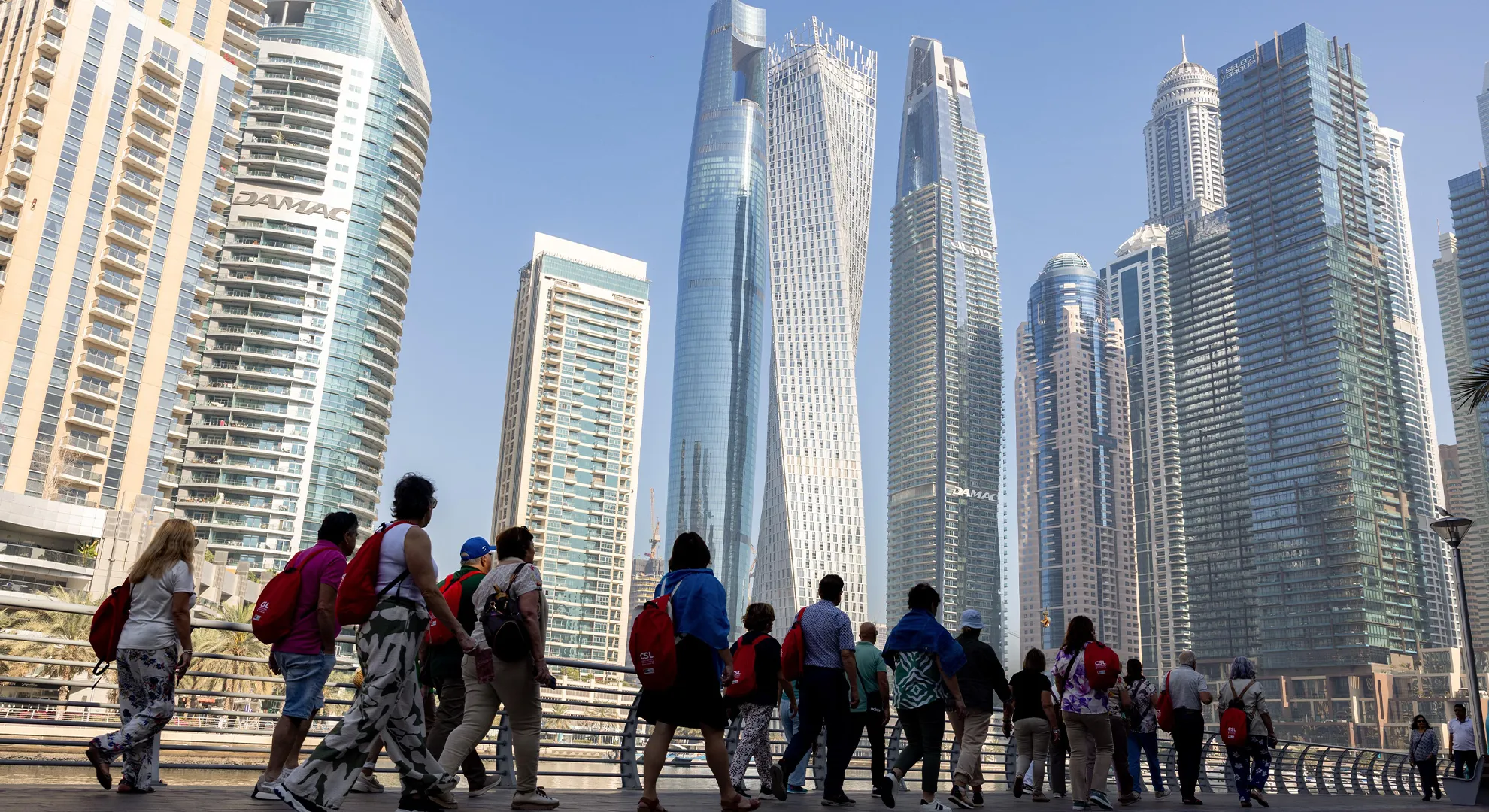
UAE Residents Optimistic About Economic Relief and Regional Stability Following US-Iran Peace Breakthrough
Residents across the United Arab Emirates have expressed cautious optimism following reports of a peace agreement between the United States and Iran, with many hoping the development will pave the way for greater regional stability, stronger economic performance, and improved living conditions.
For months, uncertainty in the region has weighed on public sentiment, influencing everything from travel plans and business confidence to concerns about fuel prices and the overall cost of living. The announcement of a diplomatic breakthrough has therefore been welcomed by many Emiratis and expatriates who view the agreement as a potential turning point for the region.
People from different backgrounds say they are hopeful that easing tensions will create a more predictable environment for businesses and consumers alike. Many believe that a reduction in geopolitical uncertainty could positively affect trade, tourism, transportation, and investment activities across the Gulf region.
The latest developments emerged early Monday when Pakistani Prime Minister Shehbaz Sharif announced that Washington and Tehran had reached a peace understanding after a prolonged period of conflict that began earlier in the year. Shortly afterward, US President Donald Trump confirmed that an agreement had been finalized and stated that restrictions affecting maritime movement had been lifted. He also announced the reopening of the strategically important Strait of Hormuz, a key route for global energy supplies and international shipping.
The news quickly attracted attention throughout the UAE, where residents closely follow regional developments due to their potential impact on daily life and economic activity. Discussions spread across workplaces, homes, and social media platforms, with many people sharing their hopes for what the agreement could mean for the future.
One of the most common expectations among residents is that improved relations and reduced tensions could help stabilize prices. Rising costs have been a concern for many households in recent years, and some believe that smoother trade routes and stronger economic cooperation may eventually contribute to lower expenses.
Consumers are particularly hopeful that essential goods could become more affordable if regional supply chains operate more efficiently. Food products, household necessities, transportation costs, and fuel expenses are among the areas many residents hope will see positive changes.
Travel is another sector where residents anticipate benefits. The Gulf region serves as a major international travel hub, and any improvement in regional stability is often viewed as a positive sign for airlines, tourism businesses, and passengers.
Many frequent travelers believe calmer regional conditions could encourage greater movement between countries, support tourism growth, and improve flight connectivity. Some also hope that stronger competition and smoother operations within the aviation sector could eventually contribute to more attractive ticket prices.
Dubai resident Maryam described her reaction to the announcement as one of optimism and confidence in the future. She said the news reinforced her belief in the importance of diplomacy and cooperation as tools for achieving long-term stability.
According to Maryam, the agreement represents more than a political development. She views it as a sign that dialogue can produce positive outcomes and create opportunities for progress throughout the region.
She also expressed appreciation for efforts aimed at promoting peace and reducing tensions, noting that stability is essential for sustainable economic growth and social development. In her view, successful cooperation between nations creates an environment where businesses can expand, investments can increase, and communities can thrive.
Maryam believes that stronger partnerships among countries could generate meaningful economic opportunities that extend beyond governments and institutions. She said ordinary residents often feel the effects of improved cooperation through job creation, increased commercial activity, and enhanced access to goods and services.
Economic experts have long argued that stable geopolitical conditions encourage investment and support long-term planning. When businesses feel confident about the future, they are generally more willing to expand operations, hire employees, and invest in new projects.
Many UAE residents share this perspective and hope the agreement will strengthen investor confidence throughout the region. Increased business activity could support various industries, including real estate, tourism, logistics, retail, and technology.
Small business owners are also watching developments closely. Several entrepreneurs believe that reduced uncertainty could improve market conditions and encourage consumer spending. Greater confidence among customers often translates into stronger demand, benefiting businesses of all sizes.
In addition to economic considerations, many residents emphasized the importance of security and peace of mind. Regional conflicts can create concerns about future uncertainty, and many people said they hope the agreement marks the beginning of a more stable chapter.
Parents, in particular, spoke about the value of living in a peaceful environment where families can focus on education, career development, and personal goals without worrying about escalating tensions.
For expatriates who have built careers and lives in the UAE, the agreement is seen as a positive step toward preserving the country’s reputation as a safe and stable place to live and work. Many international residents say stability plays a major role in their decision to remain in the region and invest in their future here.
The announcement has also sparked conversations about the potential impact on energy markets. Because the Gulf region is a critical hub for global energy production and transportation, developments affecting regional security often influence oil and fuel prices worldwide.
Some residents hope that improved conditions around key shipping routes will contribute to greater market stability. While economic outcomes may take time to materialize, many believe the agreement creates a foundation for positive developments in the months ahead.
Business professionals have similarly welcomed the news, noting that predictable conditions are important for long-term commercial planning. Companies operating across international markets often benefit when transportation networks function smoothly and geopolitical risks are reduced.
Industry observers point out that trade flows through the Gulf are vital not only for regional economies but also for global commerce. Any improvement in the operating environment could help facilitate the movement of goods and support economic growth across multiple sectors.
Social media reactions reflected a mixture of relief, optimism, and cautious hope. Thousands of users discussed the potential benefits of the agreement, with many expressing a desire for lasting peace and prosperity.
Several commenters highlighted the connection between stability and economic well-being, arguing that peaceful relations create opportunities for growth that ultimately benefit ordinary citizens. Others emphasized the importance of continued dialogue and cooperation among nations.
While many residents are hopeful, some acknowledge that meaningful economic changes may not happen immediately. Analysts note that large-scale geopolitical developments often take time to produce measurable effects on consumer prices and economic indicators.
Nevertheless, the overall mood among many UAE residents remains positive. The agreement is widely viewed as a constructive step that could encourage greater cooperation, strengthen confidence in regional markets, and improve prospects for future growth.
For individuals managing household budgets, the possibility of lower transportation and living costs is particularly appealing. Families continue to monitor expenses carefully, and any development that could help ease financial pressures is likely to be welcomed.
Likewise, travelers are eager to see whether improved regional conditions will lead to expanded flight options, increased tourism activity, and enhanced connectivity between countries.
Although the full impact of the agreement remains to be seen, many residents agree that diplomacy and peaceful engagement offer the best path forward. They hope the breakthrough will contribute to a more secure, prosperous, and interconnected region.
For now, the announcement has provided a sense of encouragement during a period when many people have been seeking signs of stability and progress. Whether through stronger economic performance, improved travel opportunities, or enhanced regional cooperation, residents are hopeful that the agreement will deliver meaningful benefits in the future.
As governments, businesses, and communities assess the implications of the development, one message appears to resonate across the UAE: peace and cooperation are widely viewed as essential foundations for growth, prosperity, and a better quality of life for everyone in the region.
Relief and optimism
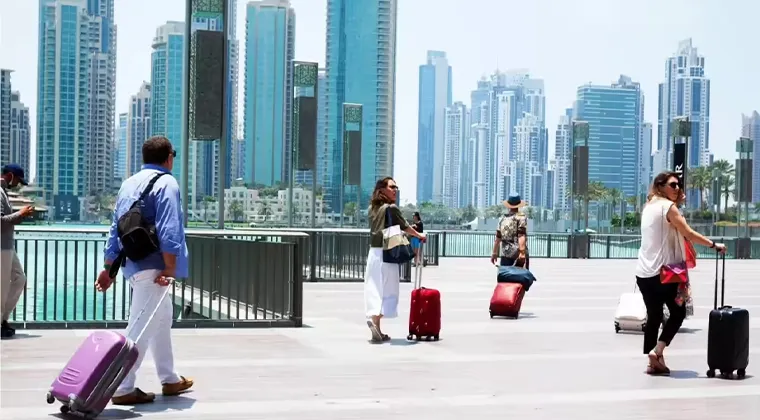

UAE Residents Express Optimism as Regional Peace Efforts Raise Hopes for Stability and Economic Relief
For many people living in the UAE, news of the recent diplomatic breakthrough between the United States and Iran has been received with a sense of encouragement and cautious optimism. While daily life in the Emirates has largely remained comfortable and secure, some residents say the uncertainty created by months of regional tensions had remained at the back of their minds.
Among those welcoming the development is Abu Dhabi resident Khattab Ahmed, who described the announcement as reassuring and positive. According to Ahmed, the agreement represents more than a political achievement—it offers hope that the region may be entering a calmer and more stable period after months of concern about the potential consequences of ongoing tensions.
Ahmed explained that despite continuing to enjoy a normal routine, many people had been closely following developments in the region and wondering how events might affect the future. The possibility of disruptions to trade, transportation, and economic activity had become topics of regular discussion among residents.
He noted that while everyday life continued without major interruptions, there was always an awareness that regional events could influence markets, prices, and travel conditions. For that reason, the latest announcement provided a sense of relief and renewed confidence.
According to Ahmed, one of the most immediate benefits he hopes to see is greater stability in energy markets, particularly when it comes to fuel costs. Like many drivers in the UAE, he pays close attention to fuel price fluctuations and believes they often reflect broader economic and geopolitical developments.
He said fuel expenses are among the most visible ways ordinary people experience the effects of regional events. Changes in energy prices can influence transportation costs, household budgets, and even the prices of goods and services.
Ahmed expressed hope that easing tensions and improving relations between countries will contribute to a more predictable environment for energy markets. Even a modest reduction in fuel prices, he said, would be viewed by many residents as a sign that conditions are improving and confidence is returning.
Beyond fuel costs, Ahmed believes that stronger regional cooperation could eventually support broader economic growth. Improved trade relations, increased investment activity, and enhanced commercial partnerships could all contribute to a more prosperous environment for businesses and consumers alike.
He also emphasized the psychological impact of stability. Knowing that tensions are easing can provide reassurance to families, business owners, and workers who want to focus on their personal and professional goals without worrying about unexpected developments.
Many residents share similar views, seeing peace and cooperation as important foundations for long-term progress. They hope that diplomatic efforts will not only reduce tensions but also create opportunities for stronger economic and social ties across the region.
Another resident of Abu Dhabi, Moneim Mohamed, described the agreement as a welcome piece of news and a positive signal for the months ahead. He said the development has given him a more optimistic outlook for the remainder of the year.
According to Mohamed, the first half of 2026 was marked by uncertainty and concern as people followed regional developments and considered their potential impact. The latest announcement, however, has encouraged him to believe that the situation may be improving.
He sees the agreement as an opportunity for a fresh start and believes it could help create momentum for economic recovery and increased confidence throughout the region. In his view, positive developments often have a ripple effect, influencing investment decisions, consumer spending, and public sentiment.
Mohamed explained that recent events made him appreciate the importance of stability in everyday life. Things that are often taken for granted—such as reliable travel schedules, predictable costs, and a sense of security—become even more valuable during periods of uncertainty.
He reflected on how quickly concerns about regional tensions can influence people’s daily decisions. Families may postpone travel plans, businesses may delay investments, and consumers may become more cautious about spending when the future appears uncertain.
For Mohamed, the prospect of returning to a more predictable environment is one of the most encouraging aspects of the agreement. He hopes that residents throughout the region will be able to focus less on geopolitical concerns and more on personal aspirations, professional growth, and family life.
Like many others, he believes that peace and stability are closely linked to economic well-being. When businesses feel confident about the future, they are more likely to expand operations, create jobs, and invest in new opportunities. These activities can ultimately benefit communities and contribute to higher living standards.
Mohamed also highlighted the importance of uninterrupted travel and transportation networks. As a major international hub, the UAE depends heavily on global connectivity. Smooth travel operations are essential not only for tourism but also for trade, commerce, and family connections across borders.
He hopes the agreement will contribute to an environment in which travel becomes easier, more efficient, and potentially more affordable. Greater stability, he said, can encourage airlines, investors, and tourism operators to expand services and improve connectivity.
The positive reactions expressed by Ahmed and Mohamed reflect a broader sentiment among many residents across the Emirates. While people understand that significant changes may take time to materialize, they view the agreement as a constructive step toward a more secure and prosperous future.
Many residents are particularly hopeful that stronger diplomatic relations will encourage economic cooperation between countries. Enhanced trade partnerships can improve the movement of goods, strengthen supply chains, and reduce barriers that contribute to higher costs.
Others point to the potential benefits for regional tourism. A more stable environment can increase traveler confidence, encourage international visitors, and support businesses operating within the hospitality sector.
For families managing household expenses, any improvement in economic conditions is likely to be welcomed. Residents continue to monitor costs related to transportation, food, housing, and everyday necessities, making economic stability an important priority.
The overall response to the peace announcement has therefore been characterized by optimism, relief, and hope. Although challenges remain, many people believe the agreement represents a positive development that could help strengthen confidence throughout the region.
As governments and businesses evaluate the long-term implications of the breakthrough, residents will be watching closely to see whether the anticipated benefits begin to emerge. From lower costs and stronger economic activity to improved travel and greater peace of mind, expectations are high that the agreement could contribute to meaningful improvements in daily life.
For Ahmed, Mohamed, and countless others across the UAE, the announcement serves as a reminder of how closely regional stability is connected to everyday experiences. Whether measured through fuel prices, travel convenience, business opportunities, or simply a greater sense of security, many hope the coming months will bring the positive changes they have been waiting for.
Economic benefits
UAE Resident Sees Peace Agreement as a Path Toward Stability, Confidence, and Long-Term Growth
Like many people across the UAE, Emirati resident Hind Almazrouei has welcomed the recent peace agreement with optimism, viewing it as a positive step toward a more secure and prosperous future for the region. While she noted that the recent period of regional tensions did not directly affect her family’s finances, she said the uncertainty surrounding developments created concerns that extended beyond economic matters.
According to Almazrouei, the primary impact was emotional rather than financial. As events unfolded across the region, many residents closely followed the news and considered the possible consequences for stability, economic activity, and long-term security. Although daily life continued as normal, the possibility of further escalation remained a source of concern for many families.
She explained that uncertainty can affect people even when there is no immediate disruption to their personal circumstances. Concerns about regional developments often influence how people view the future, creating a sense of unease about what might happen next. For many residents, the issue was not necessarily what was happening in the present, but what could potentially occur if tensions continued to rise.
Almazrouei said that periods of geopolitical uncertainty can have a psychological impact on communities, especially when people are constantly exposed to news updates and discussions about possible outcomes. The desire for stability and peace becomes increasingly important during such times because it allows individuals and families to focus on their daily lives without the distraction of external concerns.
The announcement of a peace agreement therefore brought a sense of reassurance. In her view, diplomatic solutions help create confidence and reduce uncertainty, allowing communities to look ahead with greater optimism.
Beyond the emotional benefits, Almazrouei believes the agreement could also have meaningful economic implications. She expects improved relations and a more stable regional environment to encourage business activity and strengthen confidence among investors.
Economic confidence, she explained, plays a critical role in growth and development. When investors and companies feel secure about the future, they are generally more willing to commit resources, expand operations, and pursue new opportunities. Such activity can generate employment, support entrepreneurship, and contribute to broader economic progress.
Almazrouei believes that a stable environment creates favorable conditions for businesses of all sizes. Large corporations may be more likely to launch new projects, while smaller enterprises can benefit from increased consumer confidence and stronger market activity. Together, these factors can contribute to a healthier economic climate.
She also pointed out that investor confidence often influences multiple sectors simultaneously. Increased investment can stimulate innovation, encourage infrastructure development, and support industries ranging from technology and tourism to retail and logistics. These developments can have positive effects throughout the economy and create opportunities for future growth.
For residents, the benefits of economic stability often extend beyond financial indicators. Stronger economic performance can lead to improved job prospects, greater career opportunities, and enhanced quality of life. Almazrouei believes that a peaceful and predictable environment helps create the conditions necessary for these outcomes to emerge.
Another important benefit, she said, is the sense of security that comes from reduced tensions. Stability has a direct impact on how people feel about their future, influencing everything from personal plans to business decisions.
According to Almazrouei, peace allows individuals to approach the future with greater confidence. When concerns about conflict and instability diminish, people are better able to focus on their ambitions, families, and long-term goals. The reduction of uncertainty can have a positive effect on overall well-being and public morale.
She believes that one of the most valuable outcomes of any peace agreement is the confidence it inspires among ordinary people. A stable environment encourages optimism and helps communities feel that progress is possible. This sense of reassurance can be just as important as any economic benefit because it influences how people think about the future.
If given the opportunity to prioritize a single outcome from the agreement, Almazrouei said she would choose stronger regional stability above all else. In her view, stability serves as the foundation upon which economic growth, social development, and personal success are built.
She explained that peaceful conditions benefit not only governments and businesses but also individuals and families. Greater security can improve opportunities for education, employment, investment, and travel while creating an environment where communities can thrive.
A stable region also makes it easier for people to plan for the future. Whether pursuing a career, starting a business, investing in property, or raising a family, individuals often make important decisions based on their confidence in long-term stability.
For Almazrouei, prosperity and growth are closely linked to security. When people feel safe and confident, they are more likely to pursue opportunities and contribute positively to society. Stability therefore creates a cycle in which confidence encourages progress, and progress further strengthens confidence.
Looking ahead, she hopes the agreement will contribute to a return to what many people consider normal life. For her, normality is not simply the absence of conflict—it is the ability to live without constant concern about uncertainty or disruption.
She described normal life as having the freedom to work, travel, and pursue personal goals with confidence. It means being able to focus on family, career aspirations, and everyday responsibilities without worrying about developments that may affect regional security.
Ultimately, Almazrouei believes that peace provides the foundation for a better future. A stable environment allows individuals to move forward with optimism, businesses to invest with confidence, and communities to grow and prosper. As residents across the UAE look toward the months ahead, many share her hope that the agreement will mark the beginning of a more secure, stable, and promising chapter for the region.
The aviation sector expects recovery
Aviation Sector Poised for Recovery as Regional Stability Raises Confidence Among Travelers
Industry professionals believe the recent peace agreement could provide a significant boost to the aviation sector, which has faced a range of challenges during months of heightened regional uncertainty. Airline operators, flight crews, and travel experts say greater stability is expected to restore passenger confidence, support travel demand, and improve operating conditions across the region.
A pilot based in the UAE said the aviation industry has been closely monitoring developments because geopolitical tensions often have a direct impact on travel patterns. While airports and airlines continued operating throughout the period, uncertainty influenced the decisions of many travelers, leading some to delay or reconsider their plans.
According to the pilot, concerns about regional developments affected traveler confidence, particularly among passengers who were uncertain about potential disruptions to flights or changing travel conditions. Although airlines worked to maintain schedules and ensure passenger safety, uncertainty remained a factor influencing booking trends.
He explained that whenever tensions increase within a region, travelers tend to adopt a more cautious approach. Some postpone holidays, others delay business trips, and many wait for greater clarity before making travel arrangements. As a result, airlines often experience fluctuations in demand during periods of instability.
The pilot believes the recent agreement could help reverse that trend by encouraging people to resume travel plans with greater confidence. A calmer regional environment is likely to reassure passengers and restore a sense of normality, making individuals more comfortable booking flights for both leisure and business purposes.
In his view, improved confidence among travelers will play an important role in helping the aviation industry regain momentum. As uncertainty decreases, airlines may benefit from increased bookings, higher passenger volumes, and stronger demand across a range of destinations.
The UAE has long served as one of the world’s leading aviation hubs, connecting travelers from Asia, Europe, Africa, and the Americas. Because of this strategic position, developments affecting regional stability can influence not only local airlines but also international travel networks.
The pilot noted that the recent period of tension created operational challenges that extended beyond passenger demand. Airlines were required to adapt quickly to changing circumstances, including restrictions affecting certain airspaces and modifications to established flight routes.
When airspace availability changes, airlines must redesign flight paths to ensure safety and compliance with aviation regulations. These adjustments can significantly increase travel distances, requiring aircraft to remain in the air longer than originally planned.
According to the pilot, longer routes often create additional operational requirements. Aircraft may need to carry more fuel than usual, flight planning becomes more complex, and scheduling can require greater coordination between airlines and aviation authorities.
He explained that fuel management became an especially important consideration during the period of uncertainty. Because some flights were required to take indirect routes, airlines had to account for additional fuel consumption and maintain sufficient reserves to meet safety requirements.
These operational adjustments can increase overall costs for airlines. Additional fuel usage, extended flight times, and logistical changes all contribute to higher expenses, creating financial pressures that airlines must carefully manage while continuing to provide reliable service.
Despite these challenges, the pilot praised the industry’s ability to adapt and maintain operations under changing circumstances. Airlines, airport authorities, and aviation regulators worked together to ensure flights continued safely and efficiently while responding to evolving conditions.
He emphasized that safety remained the highest priority throughout the period. Even when routes became more complicated, aviation professionals followed established procedures to ensure passengers reached their destinations securely and without major disruptions.
Looking ahead, the pilot expects the agreement to create more favorable conditions for airlines and travelers alike. As restrictions ease and stability improves, carriers may be able to return to more efficient flight paths, reducing travel times and operating costs.
More direct routing can provide benefits across the aviation ecosystem. Airlines may reduce fuel consumption, improve scheduling efficiency, and optimize fleet utilization. At the same time, passengers can enjoy shorter journeys and potentially more convenient travel experiences.
Industry observers note that stronger travel demand often produces broader economic benefits. Increased passenger traffic supports airlines, airports, hotels, tourism operators, retailers, and numerous related industries. A recovery in travel activity can therefore contribute to economic growth across multiple sectors.
The pilot believes the aviation sector is well positioned to benefit from improved conditions. As one of the most resilient industries in the region, aviation has repeatedly demonstrated its ability to recover from challenges and adapt to changing circumstances.
He expects that confidence among travelers will gradually strengthen in the coming months, leading to higher booking levels and increased activity across international routes. Business travel, tourism, and family visits are all likely to contribute to renewed demand.
The return of greater stability could also encourage airlines to expand services, introduce additional frequencies, and explore new market opportunities. Such developments would further enhance connectivity and reinforce the UAE’s position as a global transportation hub.
For aviation professionals, the agreement represents more than a diplomatic achievement. It signals the possibility of a more predictable operating environment, allowing airlines to focus on growth, efficiency, and long-term planning rather than managing uncertainty.
The pilot expressed optimism about the future of the industry, saying that a stable regional environment creates the conditions necessary for sustainable growth. He believes both airlines and passengers stand to benefit from improved confidence and smoother operations.
As the aviation sector looks toward the remainder of the year, many industry participants share that positive outlook. While recovery may take time, the expectation is that stronger stability will encourage travel, improve operational efficiency, and support continued growth across the region’s aviation network.
For airlines, airports, and travelers alike, the hope is that the agreement marks the beginning of a period characterized by greater certainty, stronger demand, and renewed momentum. If those expectations are realized, the aviation industry could emerge from recent challenges in an even stronger position, reinforcing its role as a key driver of regional connectivity and economic development.