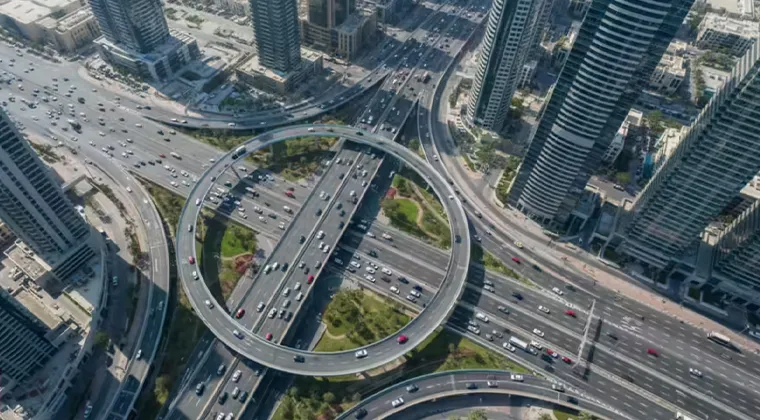
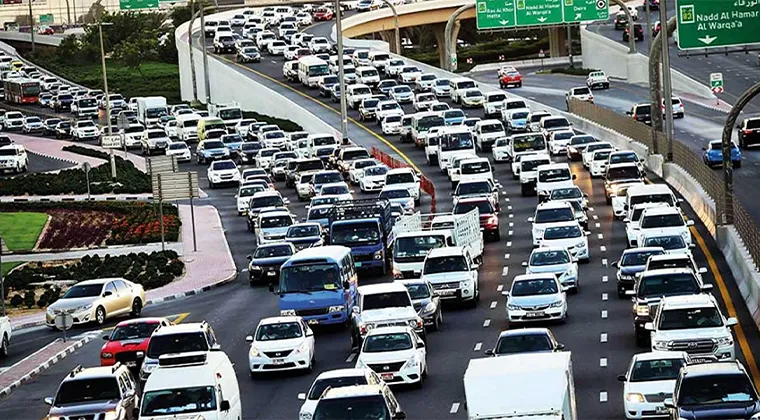
Sharjah drivers are changing travel times and using alternate routes as construction work continues on major roads, leading to heavier congestion and delays across several busy areas in the emirate.
Sharjah Motorists Adjust Schedules and Routes Amid Ongoing Roadworks and Traffic Disruptions.
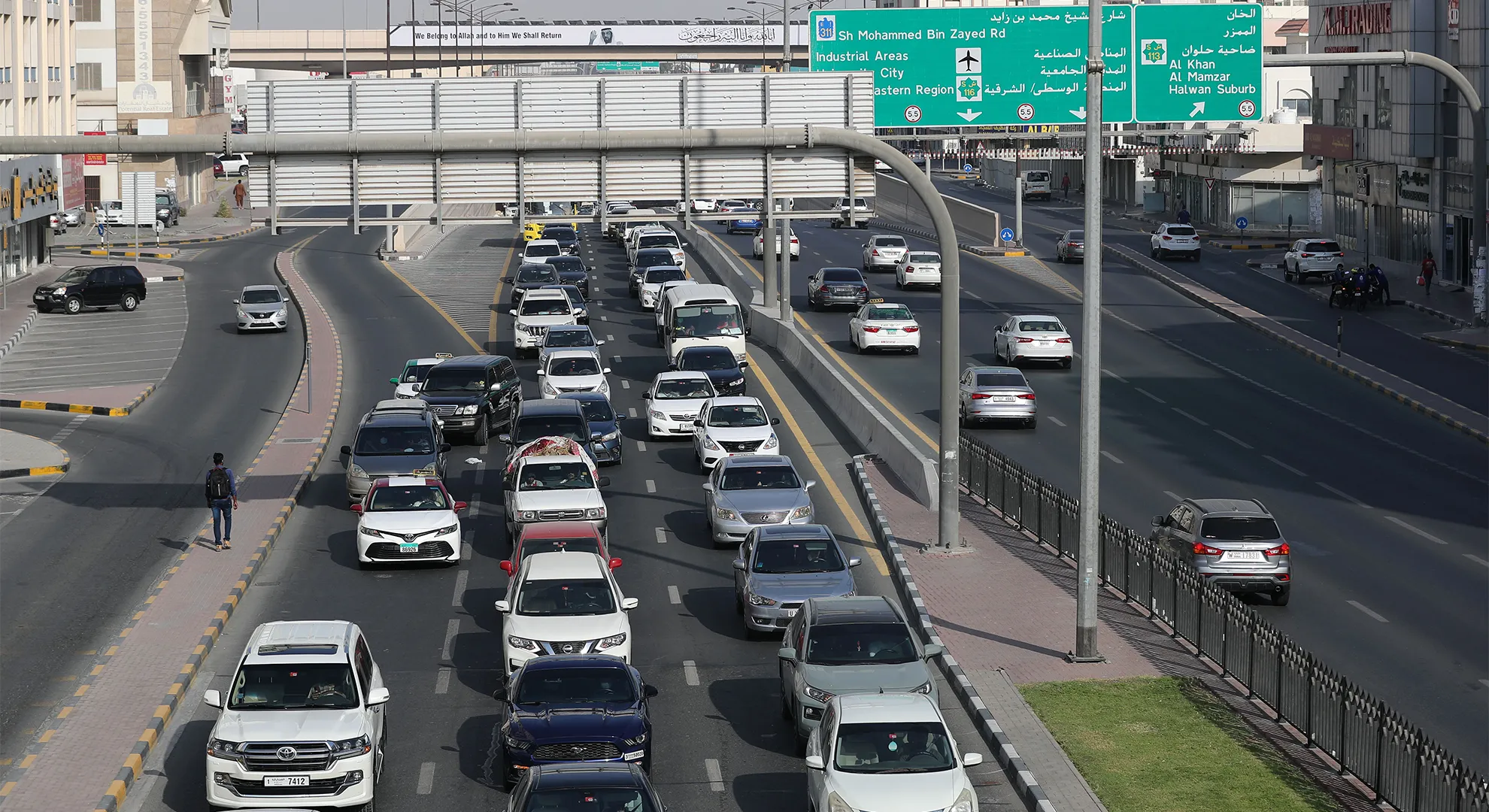
Commuters travelling between Sharjah and Dubai are reporting noticeably longer travel times as a series of major road infrastructure projects and traffic diversion works begin across key parts of Sharjah. The changes, which are expected to continue for several months, are already affecting daily routines, particularly during peak evening hours when traffic volume is at its highest.
According to residents, the impact is most visible during the evening rush, when congestion builds up on major connecting routes between the two emirates. Many drivers say their usual journey times have increased significantly, with some experiencing delays that add substantial time to their daily commute.
The ongoing works include large-scale traffic improvement initiatives such as the Al Taawun Tunnel project, along with other upgrades aimed at enhancing road capacity and reducing congestion in the long run. While these projects are expected to improve traffic flow once completed, the current phase of construction has led to lane reductions, diversions, and slower movement in several key areas.
As a result, many residents who travel regularly between Sharjah and Dubai are being forced to rethink their daily schedules. Some are leaving earlier in the morning or adjusting their return journeys in the evening in an effort to avoid the worst congestion. Others are exploring alternative routes that may be longer in distance but potentially faster due to reduced bottlenecks.
For a number of commuters, flexibility has become an important part of managing the situation. Changes to work hours, remote logging in, and adjusted after-work routines are increasingly being considered as practical solutions to cope with the disruption.
One commuter, Abbas W., who resides in the Buhairah area of Sharjah and works in Dubai, described how his travel time has already been affected. He noted that his journey home recently took close to two hours, a significant increase compared to his usual commute. While acknowledging the inconvenience, he emphasized the need to adapt to the situation rather than become frustrated by it.
“If this continues for the next few months, we will have to adjust instead of complaining,” he said, reflecting the sentiment shared by many other drivers facing similar challenges.
To manage the delays more effectively, Abbas explained that he is now experimenting with changes to his working schedule. By logging into work earlier in the day and leaving slightly later in the evening, he hopes to avoid the most congested traffic periods. He also mentioned that he is actively testing different driving routes, including roads that may have more traffic signals but fewer major choke points.
In some cases, he observed that routes which appear longer on navigation maps can actually result in shorter travel times. This is because such roads often maintain a more consistent flow of traffic compared to heavily congested highways. He also added that he is increasingly considering interior roads within Sharjah as possible alternatives, as they may help reduce time spent in traffic.
Other residents are also adjusting their routines in response to the changing traffic situation. Emad Al Faqi, who lives in the Al Taawun area, said that he has noticed a clear increase in traffic congestion since the roadworks began. According to him, the situation has changed noticeably within a short period, particularly during peak commuting hours.
He explained that he expects the disruptions to continue for a few more months as construction work progresses across different parts of the emirate. Despite the inconvenience, he expressed understanding of the long-term purpose of the projects.
“We know this situation may continue for a couple of months,” he said. “Once the projects are completed, things will improve and the traffic will become much smoother for everyone.”
The sentiment among many residents appears to be one of cautious acceptance. While the current traffic conditions are causing frustration and longer travel times, there is also recognition that the infrastructure upgrades are intended to deliver long-term benefits.
Authorities have stated that such road enhancement projects are designed to reduce congestion, improve traffic flow, and support the growing population and vehicle numbers in the region. However, during construction phases, temporary disruptions are expected as part of the development process.
For now, commuters between Sharjah and Dubai are focusing on short-term coping strategies. These include shifting travel timings, sharing real-time traffic updates, using navigation applications to identify faster routes, and in some cases, adjusting work-life schedules to avoid peak-hour travel altogether.
As construction continues, residents are preparing for a period of adjustment, balancing current inconvenience with the expectation of improved road conditions in the future. The evolving traffic situation highlights the challenges that come with urban development, especially in rapidly growing metropolitan regions where infrastructure expansion is essential to meet rising demand.
As traffic conditions between Sharjah and Dubai continue to be affected by ongoing road construction and diversions, commuters are increasingly looking for practical ways to manage their daily routines. For many, the focus has shifted from simply enduring the congestion to finding productive alternatives that make better use of the extra time spent away from home.
One such commuter, Emad, has decided to change his post-work routine rather than head directly home after finishing his job. Instead of joining the long queues of evening traffic immediately after office hours, he plans to incorporate physical activity into his schedule. His idea is to use the time window when traffic is at its peak for personal fitness and well-being.
Emad explained that he intends to visit a gym located near his workplace in Al Quoz once he finishes work. By doing so, he hopes to avoid the most congested period on the roads, which typically occurs during evening rush hour. He believes that by the time he completes his workout session, the heavy traffic flow will have eased, allowing for a more comfortable journey home.
He views this adjustment not only as a practical solution to a daily commuting challenge but also as an opportunity to improve his lifestyle. According to him, combining fitness with traffic avoidance makes the long commute situation more manageable and less stressful. Rather than feeling frustrated about delays on the road, he is choosing to turn that time into something beneficial for his health and overall routine.
The idea of adapting schedules in response to traffic conditions is becoming increasingly common among residents who travel regularly between the two emirates. Many commuters are realizing that rigid routines often lead to longer and more exhausting journeys, especially during periods of infrastructure development and road expansion.
Alongside personal adjustments like Emad’s, some employees are also looking toward workplace flexibility as a potential solution. There is growing discussion among workers about whether employers could offer more adaptable office hours during the construction phase to ease the burden of daily commuting.
Ankit Ram, who works as an accountant in Deira and resides in Sharjah, is among those considering this approach. He has expressed interest in speaking to his employer about the possibility of modifying his work schedule to better align with traffic patterns. His suggestion involves shifting both his start and end times to avoid peak congestion hours.
According to Ankit, even minor adjustments to working hours could make a meaningful difference for employees travelling between Sharjah and Dubai. He pointed out that a small shift in timing—sometimes as little as half an hour—can significantly reduce the time spent on the road. In some cases, such changes can turn a heavily delayed journey into a relatively smoother commute.
He emphasized that flexible working arrangements during this period could benefit not just individual employees but also overall productivity in workplaces. Reduced stress from long commutes, he explained, can help people arrive at work more focused and leave the office with less fatigue.
Ankit also highlighted the broader personal impact of extended travel times. Longer commutes, he noted, do not only affect work efficiency but also reduce the amount of quality time individuals can spend with their families after returning home. For many residents, evenings are often shortened due to unpredictable traffic delays, leaving less time for rest, relaxation, or family interaction.
Because of this, he believes that temporary flexibility in working hours could help restore some balance to daily life during the construction period. In his view, such adjustments would allow employees to better manage their time while still fulfilling their professional responsibilities effectively.
As roadworks continue across key routes in Sharjah, more residents are expected to explore similar coping strategies. Whether through changes in personal routines, adjustments to work schedules, or alternative commuting patterns, the emphasis is increasingly on adaptation rather than frustration.
While the traffic situation remains a challenge for now, commuters are gradually finding ways to integrate these disruptions into their daily lives. For some, like Emad, it means turning waiting time into an opportunity for self-improvement. For others, like Ankit, it involves advocating for workplace flexibility that could ease the pressure of peak-hour travel.
Together, these responses reflect a broader shift in how residents are dealing with evolving traffic conditions, as they balance professional obligations, personal well-being, and the realities of ongoing urban development.