**A UAE minister has explained why federal government institutions cannot rely solely on Emirati employees, highlighting the need for specialized expertise, workforce diversity, and skills that support public sector operations.**
UAE minister clarifies reasons federal workforce cannot be entirely Emirati.
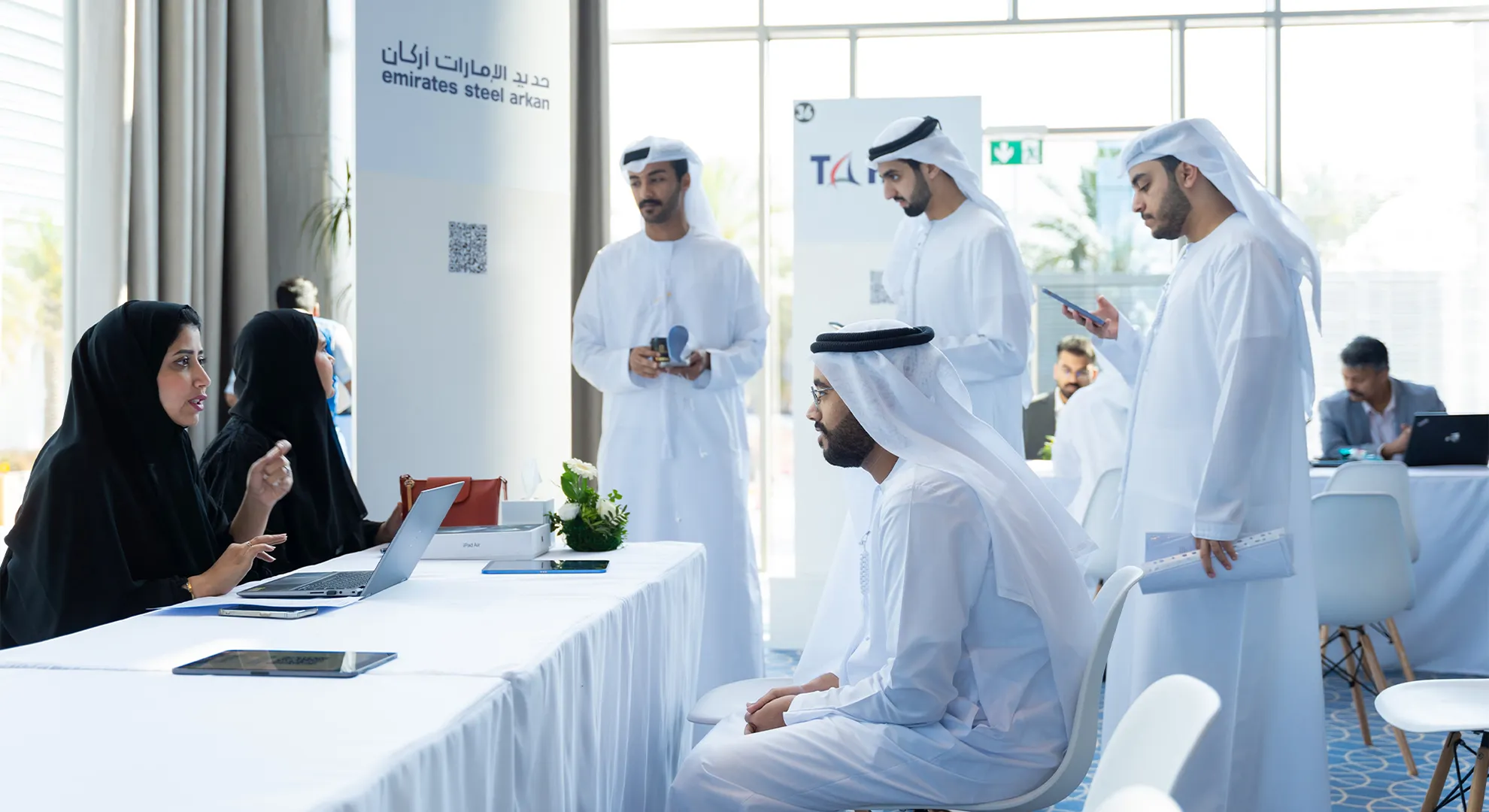
UAE Federal Workforce Reaches 65% Emiratisation as Government Maintains Strong Employee Retention
The UAE federal government continued to advance its Emiratisation objectives in 2025, with Emirati citizens making up 65 per cent of the total workforce across federal entities, according to figures shared during a session of the Federal National Council (FNC) on Wednesday. Officials also highlighted high levels of employee retention, noting that staff turnover remains below 5 per cent, a figure regarded as a strong indicator of workplace stability.
Addressing members of the FNC, Mohamed bin Hadi Al Hussaini, Minister of State for Financial Affairs, outlined the latest developments in federal employment and workforce planning. He revealed that government entities appointed 5,370 employees during 2025 as part of ongoing efforts to strengthen public-sector capacity and ensure the delivery of government services across the country.
The minister said the federal government continues to place significant emphasis on employing UAE nationals while also maintaining a balanced workforce capable of meeting the diverse operational and technical requirements of government institutions.
According to Al Hussaini, Emiratisation remains a central pillar of federal workforce policy. Over the years, the government has implemented numerous initiatives aimed at increasing the participation of Emirati citizens in public-sector employment, providing opportunities for career growth, professional development and leadership advancement.
The latest figures indicate that nationals now represent nearly two-thirds of all employees working within federal government entities. This achievement reflects sustained efforts to attract UAE citizens to government service while equipping them with the skills required to contribute effectively across a wide range of sectors.
Despite the progress made in increasing national participation, the minister emphasized that achieving a workforce composed entirely of Emirati citizens is neither practical nor realistic under current circumstances. He explained that demographic considerations play a major role in workforce planning and that certain specialized positions require expertise that may not always be available in sufficient numbers within the local labour market.
Al Hussaini noted that the federal government must continue balancing Emiratisation goals with operational requirements. Maintaining a diverse workforce enables government institutions to access specialized knowledge and technical competencies while ensuring the continued delivery of high-quality services to residents and businesses.
The minister’s remarks came in response to questions raised by FNC members regarding hiring practices, workforce composition and employment policies within federal entities. Several council members sought clarification on the government’s approach to Emiratisation and the measures being taken to create opportunities for UAE citizens.
In his response, Al Hussaini stressed that Emiratisation remains a long-term national priority. However, he pointed out that workforce planning must also take into account practical considerations, including population demographics, labour market conditions and the need for highly specialized expertise in certain sectors.
He explained that federal institutions operate across a broad range of fields, including finance, technology, healthcare, engineering, scientific research, regulation and public administration. Some of these sectors require advanced skills and international experience that may necessitate recruiting talent from outside the country when suitable candidates are not immediately available within the national workforce.
The minister emphasized that such recruitment decisions are made to complement, rather than replace, Emirati talent. He said the government remains committed to developing national capabilities through education, training and professional development programmes that prepare citizens for increasingly specialized roles.
At the same time, officials highlighted the government’s success in creating a work environment that encourages employees to remain within federal institutions for extended periods. One of the most notable indicators presented during the session was the employee turnover rate, which currently stands at less than 5 per cent across federal government entities.
According to Al Hussaini, this figure reflects a high degree of job satisfaction and organizational stability. In workforce management, turnover rates are often used as a measure of employee engagement and workplace attractiveness. Lower turnover generally indicates that employees feel valued, supported and motivated to continue their careers within an organization.
The minister described the federal government’s retention performance as exceptionally strong, particularly when compared with international benchmarks. He noted that maintaining turnover below 5 per cent demonstrates the effectiveness of policies designed to support employee wellbeing, career development and workplace satisfaction.
Government entities have invested heavily in creating attractive working environments that encourage long-term employment. These efforts include professional development opportunities, leadership programmes, flexible work arrangements, performance-based incentives and initiatives focused on employee wellbeing.
Officials believe that these measures have contributed significantly to retaining skilled employees while strengthening institutional knowledge across federal organizations.
A stable workforce offers several advantages for government entities. Lower employee turnover reduces recruitment and training costs, preserves organizational expertise and ensures continuity in service delivery. It also enables institutions to develop long-term strategies without frequent disruptions caused by workforce changes.
The federal government’s ability to maintain strong retention levels is particularly important as it continues implementing ambitious development programmes across multiple sectors. Experienced employees play a crucial role in supporting these initiatives and ensuring that institutional goals are achieved efficiently.
The recruitment of 5,370 employees during 2025 also highlights the government’s ongoing efforts to expand and strengthen its workforce. New appointments have helped address staffing requirements in various sectors while supporting strategic priorities related to innovation, digital transformation and public service delivery.
Many of these positions have been filled by Emirati citizens as part of broader national efforts to increase workforce participation and develop local talent. The government has consistently emphasized the importance of empowering UAE nationals through meaningful employment opportunities and career advancement pathways.
Training and development programmes remain a key component of this strategy. Federal entities continue investing in initiatives designed to equip employees with the skills needed to succeed in an evolving workplace. These programmes cover a wide range of disciplines, including leadership, technology, project management, policy development and specialized technical fields.
Officials have repeatedly stated that preparing citizens for future roles requires a comprehensive approach that combines education, practical experience and continuous learning. As new technologies reshape workplaces around the world, the government is focused on ensuring that its workforce remains adaptable and competitive.
During the FNC session, discussions also touched on broader labour market trends and the challenges associated with workforce planning in a rapidly changing global environment. Advances in technology, shifting economic conditions and evolving skill requirements are influencing recruitment strategies across both public and private sectors.
Al Hussaini noted that flexibility and adaptability are essential components of effective workforce management. While Emiratisation remains a priority, institutions must also ensure they have access to the expertise required to meet emerging challenges and seize new opportunities.
The minister reiterated that the federal government is committed to achieving a balanced approach that supports national employment objectives while maintaining operational excellence. This includes continuing efforts to increase Emirati participation in government roles without compromising the quality and efficiency of public services.
Observers note that the UAE has made substantial progress in Emiratisation over the past decade. Government initiatives aimed at expanding employment opportunities for citizens have contributed to rising participation rates across various sectors. Federal entities, in particular, have played a leading role in creating career opportunities for UAE nationals.
The latest workforce figures suggest that these efforts are continuing to produce positive results. With Emiratis now representing 65 per cent of the federal workforce, the government has moved significantly closer to its long-term employment objectives while maintaining a stable and productive work environment.
At the same time, officials acknowledge that workforce diversity remains an important element of the federal employment model. Access to international expertise allows government entities to benefit from a wide range of perspectives, experiences and specialized skills that support innovation and institutional growth.
As the UAE continues pursuing its national development agenda, workforce planning is expected to remain a critical area of focus. Policymakers will need to balance Emiratisation goals with the practical requirements of a modern, globally connected economy.
For now, the figures presented during the FNC session reflect a workforce that is becoming increasingly nationalized while maintaining high levels of employee retention and organizational stability. The combination of strong Emirati representation, low turnover rates and continued investment in talent development suggests that the federal government remains on course to strengthen both its workforce and its ability to deliver services effectively in the years ahead.
UAE Minister Explains Why Full Emiratisation of Federal Jobs Is Not Currently Possible
The pace of Emiratisation within the UAE’s federal government came under discussion during a recent session of the Federal National Council (FNC), where officials outlined the progress made in increasing the number of UAE nationals employed across government entities while also addressing questions about the practical limits of achieving a fully Emirati workforce.
During the session, FNC member Sarah Falaknaz acknowledged the significant gains made in recent years, noting that Emirati citizens now make up a substantial majority of employees within federal institutions. However, she pointed out that a considerable number of positions continue to be occupied by expatriate workers and sought clarification on whether the government intends to raise Emiratisation levels even further in the coming years.
Her question reflected a broader discussion taking place across the country regarding workforce nationalisation, talent development and the role of UAE citizens in both the public and private sectors. As the government continues investing in programmes designed to increase employment opportunities for nationals, policymakers are increasingly focused on how to balance these ambitions with the operational requirements of a modern and globally connected economy.
Responding to the inquiry, Mohamed bin Hadi Al Hussaini, Minister of State for Financial Affairs, emphasized that while Emiratisation remains a strategic national objective, achieving complete nationalisation across all federal positions is not a realistic goal under current demographic and labour market conditions.
The minister explained that several interconnected factors influence workforce composition within government entities. These include the size of the national population, the overall demand for labour across different sectors, the availability of specialised skills and the need to ensure that institutions can continue delivering services efficiently.
According to Al Hussaini, discussions about Emiratisation must take into account the broader realities of the country’s labour market rather than focusing solely on percentages. While increasing the participation of UAE nationals remains a priority, workforce planning also requires consideration of economic requirements, population dynamics and specialised staffing needs.
He noted that the UAE’s population structure differs significantly from that of many countries where citizens make up the overwhelming majority of the labour force. The country’s economy has historically relied on a diverse workforce drawn from around the world, with expatriate professionals playing important roles across multiple sectors, including government, healthcare, technology, engineering, education and financial services.
As a result, expecting all available positions to be filled exclusively by UAE nationals would not reflect current demographic realities or labour market demands.
The minister explained that the issue extends beyond simple employment figures. Federal entities are responsible for a wide range of functions requiring expertise in highly specialised disciplines. Some roles demand technical qualifications, professional certifications and years of experience that may not always be readily available within the domestic labour pool.
For this reason, government institutions must retain the flexibility to recruit talent from different backgrounds when necessary, while simultaneously investing in the development of Emirati professionals who can assume increasingly advanced responsibilities in the future.
Al Hussaini highlighted the importance of long-term workforce planning, noting that Emiratisation should be viewed as a continuous process rather than a target that can be achieved overnight. Building national capabilities requires sustained investment in education, training, mentorship and career development programmes.
Over the past several years, the UAE has introduced a range of initiatives aimed at strengthening the participation of nationals in the workforce. Among the most prominent of these efforts is the Nafis programme, which was designed to enhance the competitiveness of Emirati citizens and create greater employment opportunities across both public and private sectors.
The minister pointed to Nafis as a key contributor to recent Emiratisation achievements. Through financial incentives, training programmes, professional development opportunities and partnerships with employers, the initiative has helped increase the number of UAE nationals entering and remaining in the workforce.
According to Al Hussaini, the programme has not only focused on creating jobs but has also sought to ensure that citizens are equipped with the skills and experience necessary to build long-term careers. This approach reflects a broader shift from simply measuring employment numbers to focusing on sustainable workforce participation.
He stressed that successful Emiratisation is not solely about increasing hiring rates. Equally important is ensuring that employees remain in their positions, continue developing professionally and contribute meaningfully to their organisations over time.
The minister explained that workforce sustainability depends on creating environments where employees feel supported, motivated and able to advance in their careers. Without effective retention strategies, recruitment efforts alone would be insufficient to achieve lasting results.
This emphasis on retention was reflected in employment figures presented during the FNC session. Government data showed that employee turnover across federal entities remains below 5 per cent, a figure that officials described as exceptionally strong.
In human resources management, turnover rates are commonly used to assess workforce stability and employee satisfaction. A low turnover rate generally indicates that workers are choosing to remain with their employers rather than seeking opportunities elsewhere.
Al Hussaini said the federal government’s performance in this area demonstrates the success of policies aimed at creating attractive workplaces and supporting long-term career development.
He attributed the positive figures to a combination of factors, including competitive compensation packages, professional growth opportunities, leadership development initiatives and efforts to enhance employee wellbeing.
Federal institutions have also introduced a variety of workplace reforms designed to improve employee experiences. These measures include flexible working arrangements, digital transformation initiatives, skills development programmes and performance management systems aimed at fostering productivity and engagement.
Officials believe these initiatives have helped strengthen employee loyalty while also improving the overall effectiveness of government organisations.
The minister noted that retaining experienced employees is particularly important as the federal government continues implementing ambitious national development projects. Long-serving staff members provide valuable institutional knowledge and contribute to the continuity of public services.
High retention rates also reduce recruitment and training costs, allowing organisations to allocate resources more efficiently. By maintaining a stable workforce, federal entities can focus on strategic priorities without the disruption associated with frequent staff turnover.
The discussion during the FNC session took place as members reviewed the government’s final accounts for 2025, which provided an overview of public spending, financial performance and development priorities.
The financial statements reflected continued government investment in programmes aimed at enhancing public services, supporting economic growth and improving quality of life for residents.
Lawmakers used the session as an opportunity to examine not only financial performance but also the effectiveness of policies related to employment, workforce development and national participation in government institutions.
Questions surrounding Emiratisation remain particularly significant because they are closely linked to broader national goals related to economic diversification and human capital development.
Over the past decade, the UAE has placed increasing emphasis on preparing citizens for careers in emerging industries and knowledge-based sectors. Investments in education, innovation and skills development have been designed to ensure that Emiratis are well positioned to contribute to the country’s future economy.
Federal entities play a critical role in this effort by providing employment opportunities, training pathways and leadership positions for nationals.
At the same time, policymakers recognize that workforce development is a gradual process that requires collaboration between educational institutions, government agencies and private-sector employers.
The minister suggested that achieving higher levels of Emiratisation will depend not only on hiring policies but also on the continued development of talent pipelines capable of supplying qualified professionals across a wide range of disciplines.
As industries evolve and technological advancements reshape the workplace, the skills required by employers are becoming increasingly specialized. Preparing citizens for these opportunities requires ongoing investment in education and workforce readiness initiatives.
Al Hussaini emphasized that the government’s strategy seeks to strike a balance between national employment objectives and the practical requirements of operating effective public institutions.
While Emiratisation targets remain important, he indicated that workforce planning must also ensure that government entities have access to the expertise needed to meet complex operational demands.
This balanced approach reflects the UAE’s broader economic model, which combines investment in national talent with the ability to attract skilled professionals from around the world.
Officials argue that this diversity has contributed significantly to the country’s development, helping drive innovation, knowledge transfer and economic growth.
Rather than viewing expatriate employment and Emiratisation as competing priorities, policymakers increasingly frame them as complementary elements of a broader workforce strategy. The goal is to create opportunities for citizens while also ensuring that institutions remain capable of delivering high-quality services and achieving national objectives.
The figures presented during the FNC session suggest that this strategy continues to produce results. With UAE nationals now accounting for 65 per cent of the federal workforce and employee turnover remaining below 5 per cent, officials believe progress is being made on both fronts.
The government’s focus on recruitment, retention and skills development reflects a long-term commitment to building a capable and sustainable workforce that can support the country’s future ambitions.
As discussions around Emiratisation continue, policymakers are expected to maintain efforts aimed at increasing national participation while also addressing the realities of a rapidly evolving labour market.
For now, the message from government officials is clear: expanding opportunities for Emirati citizens remains a central objective, but achieving a fully Emirati federal workforce is neither practical nor necessary to meet the country’s broader development goals. Instead, the emphasis will remain on creating a balanced, skilled and stable workforce that combines national talent with the expertise required to support the UAE’s continued growth and success.