Medical professionals in the UAE are encouraging residents planning summer vacations to receive necessary vaccinations well in advance, warning that postponing immunizations until departure dates approach may reduce their effectiveness.
UAE Health Experts Advise Travelers to Avoid Delaying Vaccinations Before Summer Trips.
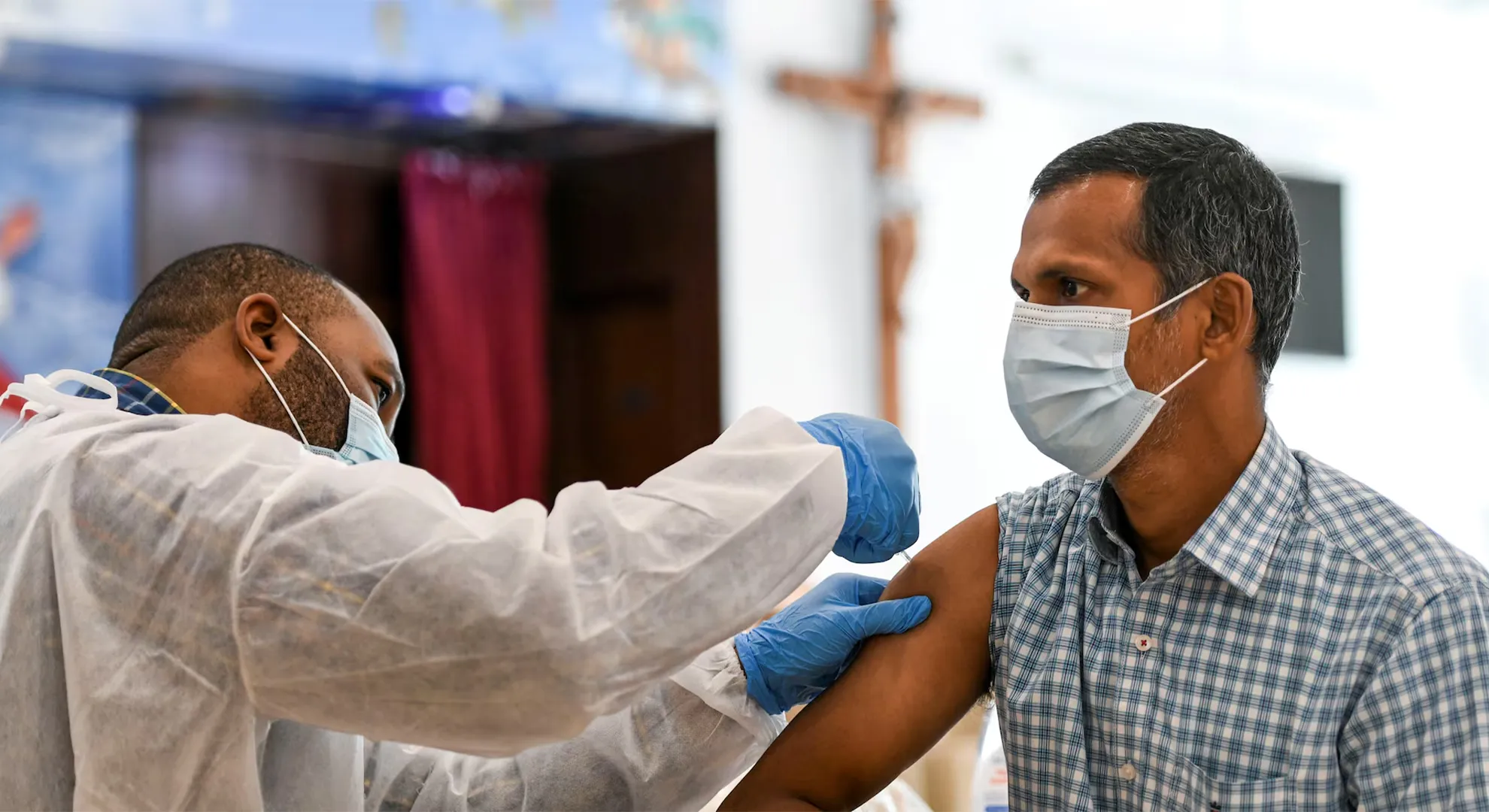
UAE Doctors Encourage Early Vaccination Planning as Summer Travel Rush Begins
With the summer holiday season approaching and thousands of residents preparing to travel abroad, healthcare professionals across the UAE are reminding travelers not to overlook an important part of their trip preparations: vaccinations and destination-specific health requirements.
Every year, as schools close for the summer break and families finalize holiday plans, airports throughout the country experience a sharp increase in passenger traffic. Travelers often dedicate considerable time to arranging flights, securing accommodation, planning itineraries and completing visa applications. However, medical experts say one critical aspect of travel planning is frequently neglected until the last moment—ensuring that all required and recommended vaccinations are up to date.
According to physicians, failing to research health requirements before departure can create unnecessary complications, ranging from travel delays and visa-related issues to increased exposure to infectious diseases that could otherwise be prevented. They emphasize that understanding the health risks associated with a destination should be considered just as important as booking transportation or accommodation.
Healthcare providers note that many countries have specific vaccination recommendations or entry requirements depending on factors such as disease prevalence, seasonal outbreaks and public health regulations. Travelers who wait until the final days before departure may discover that certain vaccines require multiple doses or need time to become fully effective, potentially affecting their travel schedules.
Medical professionals report that a significant number of patients seek travel-health consultations only after completing most of their travel arrangements. In many cases, travelers become aware of vaccination requirements during the visa application process, after receiving travel documentation or shortly before boarding their flights.
Doctors say this trend highlights a widespread misunderstanding among travelers who believe that standard childhood or routine adult vaccinations provide sufficient protection for every destination. While routine immunizations remain essential, they may not address specific health risks present in certain regions around the world.
Specialists explain that different destinations can expose travelers to diseases that are uncommon in the UAE. Depending on the country being visited, individuals may need protection against illnesses such as yellow fever, typhoid, hepatitis A, hepatitis B, meningococcal disease or other region-specific infections. The need for these vaccinations varies based on travel destination, duration of stay, planned activities and individual health conditions.
Medical experts stress that travel medicine is not a one-size-fits-all field. Recommendations often depend on a traveler’s age, medical history, vaccination record and personal risk factors. Children, older adults, pregnant women and individuals with chronic health conditions may require additional precautions before international travel.
Doctors also warn that booster doses are frequently overlooked. Some travelers assume they remain protected indefinitely after receiving a vaccine years earlier, but immunity can decrease over time. In certain situations, booster shots may be necessary to maintain adequate protection against disease.
Another concern raised by healthcare professionals is the misconception that vaccination requirements apply only to remote destinations or developing countries. In reality, health recommendations can vary widely across regions, and even popular tourist destinations may have specific guidance related to disease outbreaks, seasonal risks or entry regulations.
Experts recommend that travelers schedule a medical consultation several weeks before departure. This allows sufficient time to review vaccination records, identify any missing immunizations and complete recommended vaccine schedules. Early consultations also provide an opportunity to discuss preventive measures beyond vaccinations, including food and water safety, insect-bite prevention and management of existing medical conditions while abroad.
Healthcare providers emphasize that planning ahead can help travelers avoid last-minute stress. When vaccination requirements are identified late in the preparation process, travelers may find themselves scrambling to secure appointments, obtain documentation or complete necessary immunization schedules within a limited timeframe.
In some cases, travelers may be forced to alter their plans if required vaccinations cannot be completed before departure. Such situations can result in additional expenses, scheduling difficulties and disappointment, particularly for families traveling during peak holiday periods.
The summer season is traditionally one of the busiest travel periods for UAE residents. Families often use school holidays to visit relatives overseas, explore new destinations or take extended vacations. Because of this increased travel activity, medical clinics frequently experience a rise in requests for travel-health consultations and vaccinations.
Doctors encourage residents not to wait until airports become crowded and travel dates draw near before considering their health preparations. Instead, they advise making health assessments part of the earliest stages of travel planning.
Travel-health specialists also point out that vaccination requirements can change over time. Countries may update entry regulations in response to disease outbreaks or evolving public health concerns. Travelers should therefore seek current information from qualified healthcare providers rather than relying on outdated advice or assumptions based on previous trips.
Beyond meeting official entry requirements, vaccinations play a crucial role in protecting individual health. Exposure to unfamiliar environments, different climates and varying healthcare systems can increase vulnerability to certain illnesses. Preventive measures help reduce these risks and contribute to a safer travel experience.
Medical professionals note that prevention is often simpler and less costly than treatment. Contracting a preventable illness while abroad can disrupt travel plans, require medical attention in an unfamiliar setting and potentially lead to complications that persist after returning home.
Families traveling with children are particularly encouraged to review vaccination records well in advance. Pediatric healthcare providers can assess whether children require additional immunizations based on their destination and planned activities. Ensuring that young travelers are adequately protected can help parents avoid health-related disruptions during their holidays.
Similarly, individuals with underlying health conditions should seek personalized advice before traveling internationally. Certain destinations may present increased risks for travelers managing chronic illnesses, and healthcare professionals can provide guidance tailored to their specific needs.
Experts also remind travelers that vaccination is only one component of comprehensive travel health preparation. Depending on the destination, travelers may need advice regarding mosquito-borne diseases, food hygiene, safe drinking water practices, sun protection and emergency medical planning.
For many travelers, a pre-travel consultation offers an opportunity to discuss concerns they may not have previously considered. Healthcare providers can explain destination-specific risks and recommend practical strategies to minimize exposure to illness during the trip.
Medical professionals stress that proactive planning supports both personal well-being and broader public health goals. Vaccinations not only protect individual travelers but can also help prevent the spread of infectious diseases across international borders.
As the UAE enters another busy summer travel season, doctors continue to encourage residents to approach travel preparation with a health-first mindset. By researching destination requirements early, consulting healthcare professionals and completing recommended vaccinations well before departure, travelers can reduce stress and focus on enjoying their journeys.
Ultimately, experts say that successful travel planning extends beyond passports, tickets and hotel reservations. Protecting health should be regarded as a fundamental part of every travel checklist. Taking preventive measures in advance can help ensure a smoother, safer and more enjoyable experience, allowing travelers to make the most of their summer holidays without unexpected health-related challenges.
Hajj, Umrah and destination-specific requirements
Religious Pilgrimages Continue to Drive Travel Vaccine Consultations in the UAE
Healthcare professionals in the UAE say that religious travel remains one of the leading reasons residents seek medical guidance about vaccinations and travel-related health precautions. Every year, large numbers of people prepare for pilgrimages to Saudi Arabia, particularly for Hajj and Umrah, prompting an increase in requests for information about required and recommended immunisations.
According to medical practitioners, consultations related to pilgrimage travel represent a substantial portion of travel-health appointments throughout the year. As pilgrims prepare for their spiritual journeys, many seek advice on how to protect themselves from infectious diseases and ensure compliance with health regulations established by destination authorities.
Doctors explain that Hajj and Umrah involve the gathering of millions of people from different parts of the world in a relatively confined area. Such large-scale international gatherings can increase the risk of exposure to communicable illnesses, making preventive healthcare measures particularly important. For this reason, health authorities and medical professionals strongly encourage travelers to review their vaccination status well before departure.
Family medicine specialists report that inquiries regarding pilgrimage-related vaccines consistently rank among the most common travel-health questions they receive. Individuals and families often visit clinics to confirm which immunisations are mandatory and which additional vaccines may provide extra protection during their journeys.
Medical experts emphasize that meningococcal vaccination remains one of the most important health requirements for pilgrims traveling to Saudi Arabia. The vaccine is designed to protect against meningococcal disease, a serious bacterial infection that can spread more easily in crowded environments. Because Hajj and Umrah attract visitors from numerous countries, preventive vaccination plays a crucial role in reducing potential health risks.
Influenza vaccination is also frequently recommended for travelers undertaking religious pilgrimages. Doctors note that seasonal flu viruses can circulate rapidly in crowded settings, particularly when large groups of people are spending extended periods in close contact. Receiving a flu vaccine before travel can help reduce the likelihood of illness and contribute to a safer experience for both individual pilgrims and those around them.
Healthcare professionals stress that travel vaccinations should not be viewed as replacements for routine immunisation schedules. Instead, they should complement existing protection provided through national vaccination programmes. Medical experts encourage residents to ensure that all standard vaccines are up to date before considering destination-specific immunisations.
According to physicians, maintaining routine vaccination schedules remains one of the most effective ways to protect individuals from a wide range of preventable diseases. Children and adults alike benefit from staying current with recommended immunisations, regardless of whether international travel is planned.
Beyond pilgrimage-related requirements, doctors explain that vaccination recommendations can vary significantly depending on the destination. Different countries present different health risks, and travelers may require additional protection based on local disease patterns, environmental conditions and public health regulations.
For example, certain countries in Africa and South America have regulations related to yellow fever vaccination. Travelers entering or departing specific regions may need proof of immunisation as part of entry requirements. Medical experts advise travelers to verify these requirements well in advance, as obtaining the necessary documentation can take time.
Healthcare providers also frequently discuss typhoid and hepatitis vaccinations with individuals planning visits to parts of Asia and other regions where foodborne and waterborne diseases may pose a greater risk. While these vaccines may not always be legally required for entry, doctors often recommend them as precautionary measures, particularly for travelers who may be exposed to unfamiliar food or sanitation conditions.
Experts note that typhoid fever remains a concern in some areas where access to clean water and adequate sanitation may be limited. Vaccination can provide an additional layer of protection for travelers who may encounter varying hygiene standards during their trips.
Similarly, hepatitis A and hepatitis B vaccines are often considered important preventive tools depending on the nature and duration of travel. Healthcare providers assess individual risk factors before recommending specific immunisations, taking into account travel plans, accommodation arrangements and planned activities.
Medical professionals emphasize that every traveler’s situation is unique. A vaccine that may be strongly recommended for one person could be unnecessary for another, depending on age, health status, previous immunisations and destination-specific risks. This is why physicians encourage personalized consultations rather than relying solely on generalized travel advice found online.
Another important topic frequently discussed during pre-travel consultations is malaria prevention. Although vaccines are not routinely used for most travelers, doctors explain that several effective preventive strategies are available. Depending on the destination, travelers may be advised to take prescription medications before, during and after their trips to reduce the risk of infection.
Healthcare experts also recommend practical measures to avoid mosquito bites, including the use of insect repellents, protective clothing and mosquito nets where appropriate. These precautions can significantly reduce exposure to malaria and other mosquito-borne illnesses that remain prevalent in certain regions.
Doctors point out that many travelers mistakenly focus only on mandatory requirements while overlooking broader health considerations. Even when a vaccine is not officially required for entry into a country, it may still be highly beneficial from a medical standpoint. Travel-health consultations provide an opportunity to identify such risks and develop appropriate prevention strategies.
Specialists encourage families traveling with children to seek medical advice as early as possible. Young travelers may have different vaccination needs compared with adults, and some vaccines require multiple doses or waiting periods before maximum protection is achieved. Early planning helps ensure sufficient time to complete recommended immunisation schedules.
Older adults and individuals with chronic medical conditions are also advised to obtain professional guidance before international travel. Healthcare providers can review existing health concerns, evaluate potential risks and recommend suitable preventive measures tailored to each traveler’s circumstances.
Medical experts caution against depending exclusively on information obtained through internet searches, social media posts or informal travel forums. While online resources can provide useful general guidance, they may not always reflect the latest health recommendations or country-specific regulations. Requirements can change due to disease outbreaks, evolving public health policies or updates issued by destination authorities.
A consultation with a qualified healthcare professional allows travelers to receive accurate and up-to-date information relevant to their specific itinerary. Physicians can also clarify misconceptions, answer questions and provide official documentation when necessary.
As international travel continues to grow, healthcare providers are encouraging UAE residents to make travel health planning a routine part of their preparation process. Whether traveling for religious purposes, family visits, business commitments or leisure holidays, taking preventive health measures can contribute to a safer and more comfortable experience.
Ultimately, doctors say that investing time in pre-travel health planning offers significant benefits. By reviewing vaccination records, understanding destination-specific risks and seeking professional medical advice well before departure, travelers can reduce uncertainty, avoid last-minute complications and focus on enjoying their journeys with greater peace of mind.
For pilgrims preparing for Hajj or Umrah, as well as travelers heading to destinations around the world, healthcare professionals agree on one key message: proactive preparation is the best defense against preventable travel-related illnesses. Early consultation, personalized guidance and appropriate vaccinations can help ensure a healthier and more secure travel experience from departure to return.
Why timing matters before international travel


Doctors Warn Against Delaying Travel Vaccinations Until the Last Minute
Healthcare specialists across the UAE are raising concerns about a common mistake many travelers make before international trips: postponing vaccinations until only days before departure. Medical experts say this habit can significantly reduce the effectiveness of travel health preparations and may leave individuals vulnerable to diseases that could otherwise have been prevented.
According to physicians, travel vaccinations are often treated as an afterthought during holiday planning. Many people focus first on booking flights, reserving hotels, arranging transportation and securing visas, only turning their attention to health requirements when most other preparations have already been completed. By that stage, there may be limited time to receive the necessary immunisations or complete recommended vaccine schedules.
Doctors explain that proper travel health planning should begin several weeks before departure. Unlike routine medications that may provide immediate benefits, many vaccines require time for the immune system to build adequate protection. Some immunisations involve more than one dose administered over a specific period, while others need several weeks before their full effectiveness is achieved.
When travelers leave vaccinations until the final days before their trip, they may arrive at their destination without having developed sufficient immunity. This can increase their risk of infection, particularly when visiting regions where certain diseases are more common than in their home country.
Medical professionals report that many travelers become aware of vaccination requirements surprisingly late in the travel process. In some cases, individuals discover the need for specific immunisations while completing visa applications. Others learn about health requirements through airlines, travel agencies or official travel documentation shortly before departure.
Doctors say they frequently encounter travelers seeking urgent consultations after realizing they need proof of vaccination to meet entry regulations. Such situations can create unnecessary pressure and anxiety, especially when departure dates are rapidly approaching.
Travel health specialists note that these last-minute discoveries often result in avoidable complications. Travelers may struggle to schedule appointments, obtain required documentation or complete vaccination courses within the available timeframe. In some instances, trips may need to be modified or delayed if essential health requirements cannot be met.
Healthcare providers emphasize that early preparation not only reduces stress but also improves overall health protection. Scheduling a consultation well in advance allows physicians to review vaccination records, assess destination-specific risks and recommend appropriate preventive measures tailored to each traveler’s circumstances.
Experts also highlight the growing importance of protection against highly contagious diseases such as measles. International health authorities continue to encourage travelers to ensure they are fully immunized before crossing borders, particularly as global travel increases and disease outbreaks occasionally occur in different regions.
Doctors explain that measles remains one of the most infectious viral diseases worldwide. Even short-term exposure in crowded environments such as airports, airplanes or tourist attractions can create opportunities for transmission. Ensuring adequate vaccination before travel helps protect both individual travelers and the communities they visit.
Medical professionals stress that certain groups require additional attention when planning international travel. Young children, senior citizens, pregnant women and people living with chronic medical conditions may face greater health risks during overseas journeys. For these individuals, obtaining personalized travel-health advice is especially important.
Families traveling with children are encouraged to review vaccination schedules carefully before departure. Pediatric patients may require additional immunisations depending on the destination, and some vaccines must be administered according to specific timelines. Early planning provides sufficient time to meet these requirements while avoiding unnecessary disruptions.
Older adults also benefit from pre-travel medical assessments. Age-related changes in immunity can increase susceptibility to certain infections, making preventive measures particularly valuable. Healthcare providers can evaluate individual risk factors and recommend appropriate vaccinations or other protective strategies.
Pregnant travelers represent another group that may require specialized medical guidance. Depending on the destination and stage of pregnancy, healthcare providers can advise on suitable vaccines, travel precautions and strategies to minimize potential health risks during the journey.
Similarly, individuals managing chronic illnesses such as diabetes, cardiovascular disease, respiratory disorders or weakened immune systems should seek professional advice before traveling internationally. These conditions may influence vaccine recommendations and affect vulnerability to certain infections encountered abroad.
Medical experts generally recommend arranging a travel-health consultation at least four to six weeks before departure. This timeframe allows sufficient opportunity to administer vaccines, monitor any reactions and ensure that the body develops an adequate immune response before travel begins.
Doctors explain that delaying consultations until the final week before departure can create several challenges. First, the immune system may not have enough time to generate effective protection after vaccination. As a result, travelers could remain vulnerable to infections despite receiving the vaccine shortly before their trip.
Second, some vaccines require multiple doses administered over several weeks or months. If the vaccination process begins too late, travelers may be unable to complete the full series before leaving the country. Incomplete vaccination may reduce effectiveness and leave individuals only partially protected.
Another consideration involves potential side effects. Although most vaccines are generally well tolerated, some individuals may experience mild reactions such as fatigue, fever, soreness or discomfort. Receiving vaccinations immediately before departure increases the possibility that these symptoms could occur during flights, airport transfers or the early stages of a trip.
Doctors also point out that certain travel environments can increase exposure to infectious diseases. Busy international airports, crowded aircraft cabins, religious gatherings, festivals and large public events often bring together people from many different countries. Such settings may facilitate the spread of contagious illnesses among travelers.
Rural destinations can present additional challenges. Access to healthcare services may be limited in some regions, making prevention particularly important. Travelers visiting remote locations may encounter diseases that are uncommon in urban centers and should ensure they are adequately protected before departure.
Healthcare providers further note that disease patterns vary considerably across the world. Conditions that are rare in the UAE may be more prevalent elsewhere, exposing travelers to unfamiliar health risks. Understanding these differences allows physicians to recommend vaccines and preventive measures appropriate for specific destinations.
Experts encourage travelers to view vaccination planning as an essential part of trip preparation rather than an optional extra. Just as passports, visas and travel insurance are considered necessary components of international travel, preventive healthcare should be integrated into the planning process from the beginning.
Medical professionals believe that proactive preparation offers significant benefits. Early consultations reduce uncertainty, provide access to accurate information and allow sufficient time to complete recommended vaccinations. They also enable travelers to discuss broader health concerns, including medication management, food and water safety, insect-bite prevention and emergency medical planning.
Ultimately, doctors stress that travel health preparation is an investment in both safety and peace of mind. By seeking professional advice several weeks before departure, travelers can avoid last-minute complications, minimize health risks and enjoy their journeys with greater confidence.
As international travel continues to increase, healthcare experts are urging residents to take a proactive approach to vaccination planning. Early action can help ensure that travelers are fully protected before they leave home, reducing the likelihood of preventable illness and allowing them to focus on the purpose of their trip rather than unexpected health concerns.