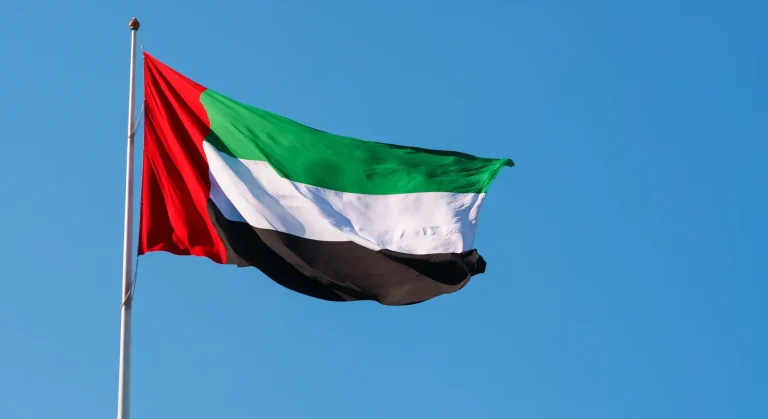
UAE health authorities have urged residents to be cautious of misleading information about Ebola, addressing common misconceptions and sharing accurate guidance to help the public better understand the disease and its risks.
UAE Health Agency Warns Against False Ebola Information and Explains the Facts.
The United Arab Emirates has assured residents that it remains well-equipped to respond to any potential public health threats, emphasizing that comprehensive monitoring systems and emergency response mechanisms are already in place. The reassurance comes as health authorities continue to track developments related to Ebola cases reported in several African nations, including the Democratic Republic of Congo.
In light of the evolving situation, UAE officials have urged the public to rely only on information released through official channels and to avoid circulating unverified reports or rumours about the disease. Authorities stressed that misinformation can create unnecessary concern and confusion, particularly during international health events that attract widespread public attention.
The country’s health and emergency management agencies have highlighted their ongoing efforts to closely monitor global disease outbreaks and assess any potential risks to the UAE. According to officials, surveillance programs are operating around the clock, enabling health experts to detect and respond quickly to any emerging developments. These measures form part of a broader national strategy designed to safeguard public health and maintain readiness against infectious diseases.
Government bodies responsible for health and crisis management, including the National Emergency Crisis and Disaster Management Authority and the Ministry of Health and Prevention, have reiterated that the current health environment within the UAE remains secure and stable. They noted that no unusual public health concerns have been identified domestically and that precautionary systems remain fully operational.
Officials explained that the UAE has developed a robust framework for disease prevention and outbreak management, supported by advanced healthcare infrastructure, trained medical personnel, and coordinated emergency response capabilities. This preparedness allows authorities to implement preventive measures swiftly whenever necessary while ensuring that the public receives accurate and timely information.
As part of its precautionary approach, the UAE has also issued travel guidance for residents planning international trips. Citizens and residents have been advised to postpone non-essential travel to countries currently affected by Ebola outbreaks, including Uganda, the Democratic Republic of Congo, and South Sudan. Authorities emphasized that travel to these destinations should only be undertaken when absolutely necessary and after carefully reviewing health and safety recommendations.
The advisory is intended to reduce potential exposure risks and support broader efforts to prevent the spread of infectious diseases across borders. Travelers who must visit affected regions have been encouraged to follow health guidelines, remain informed about local conditions, and seek medical advice when appropriate.
Health officials further stressed that vigilance remains an important component of disease prevention. While the UAE’s healthcare system continues to monitor international developments closely, residents are encouraged to stay informed through trusted government sources and avoid sharing unverified claims circulating on social media or other platforms.
Authorities underscored that preparedness, awareness, and access to accurate information are essential in managing public health risks effectively. By maintaining strong surveillance systems and proactive response plans, the UAE aims to ensure the continued safety and well-being of its population while remaining prepared for any future health-related developments.
The government has reaffirmed its commitment to protecting public health through continuous monitoring, coordinated action among relevant agencies, and adherence to international health standards. Officials noted that the country’s emergency and healthcare sectors remain ready to respond rapidly should circumstances require additional preventive measures.
Overall, UAE authorities have sought to reassure residents that the nation is taking all necessary precautions amid the Ebola situation abroad. While monitoring developments in affected countries, officials maintain that the domestic health situation remains under control and that extensive preparedness measures are in place to address any potential challenges.
To help the public distinguish facts from false information, the Ministry of Health and Prevention (MoHAP) released a detailed awareness guide on Tuesday addressing several common misconceptions about Ebola. The initiative aims to improve public understanding of the disease and prevent the spread of misleading claims that often circulate during health emergencies.
One of the most widespread misunderstandings is that Ebola spreads through the air in the same way respiratory viruses such as Covid-19 do. Health officials clarified that this is incorrect. Ebola is transmitted through direct exposure to the blood, secretions, organs, or other bodily fluids of an infected individual, as well as through contact with contaminated objects and surfaces. The virus does not spread simply by being near an infected person.
Another misconception concerns international travel. Some people believe that anyone travelling abroad faces a significant risk of becoming infected with Ebola. According to MoHAP, this assumption is inaccurate. Since the virus requires close and direct contact with infected bodily fluids for transmission, the likelihood of ordinary travellers contracting Ebola remains very low. Routine travel, in itself, does not place individuals at high risk.
The ministry also addressed concerns about whether a person can spread the disease before showing signs of illness. Officials explained that Ebola patients are generally not considered contagious during the incubation period, before symptoms emerge. The risk of transmission increases after symptoms begin, making early detection and appropriate medical care important for controlling the disease.
A further myth suggests that Ebola outbreaks inevitably develop into worldwide pandemics. Health experts emphasized that while Ebola outbreaks can be serious and require swift public health responses, none of the outbreaks recorded so far have been officially classified as a global pandemic. Effective containment measures, surveillance systems, and international cooperation have played important roles in limiting the spread of the virus beyond affected regions.
The ministry also responded to claims that there are no preventive systems in place to monitor or manage potential Ebola threats. Officials stressed that the UAE maintains a comprehensive framework designed to detect and respond to infectious diseases. This includes continuous health surveillance, emergency preparedness plans, monitoring procedures, and coordination among relevant authorities.
In addition, precautionary measures remain active at airports and border entry points, where health protocols are regularly reviewed and updated when necessary. Healthcare facilities across the country are also equipped with preparedness plans to ensure rapid response capabilities should any suspected case be identified.
MoHAP highlighted that maintaining public awareness is a critical component of disease prevention. Residents were encouraged to seek information from trusted official sources rather than relying on rumours or unverified content shared online. The ministry noted that misinformation can create unnecessary anxiety and may undermine public confidence during health-related events.
Through its latest awareness campaign, the ministry aims to reassure residents that robust systems are in place to protect public health while providing clear and accurate information about Ebola. Officials continue to monitor international developments closely and remain committed to ensuring the country’s readiness to address any emerging health concerns.

UAE health authorities have reassured residents that the country remains fully equipped to manage any potential public health challenges that may arise. Officials emphasized that comprehensive monitoring systems, rapid-response mechanisms, and trained surveillance teams are already in place to detect and address emerging health concerns promptly. The country’s healthcare infrastructure continues to operate with a high level of preparedness, ensuring that relevant agencies can respond effectively should any situation require immediate attention.
According to health officials, the UAE regularly reviews and strengthens its disease surveillance programs as part of its commitment to protecting public health. These systems allow authorities to closely track global health developments, assess potential risks, and implement precautionary measures whenever necessary. Emergency response teams remain on standby, working in coordination with healthcare providers and other government entities to maintain a strong state of readiness.
Authorities stressed that preparedness is a continuous process rather than a reaction to specific events. As a result, the UAE has established protocols covering monitoring, reporting, risk assessment, and response planning. These measures are designed to ensure that any health-related developments can be identified early and managed efficiently, minimizing risks to the community.
At the same time, the Ministry of Health and Prevention has urged members of the public to exercise caution when seeking information about ongoing health situations. Officials advised residents to avoid relying on rumours, unverified social media posts, or unofficial sources that may circulate inaccurate or misleading claims. Instead, they encouraged people to obtain updates exclusively from trusted government channels and recognized health authorities.
The ministry highlighted that misinformation often spreads rapidly during public health events, sometimes reaching large audiences before accurate information becomes available. Such false or misleading content can create unnecessary concern, confusion, and misunderstanding among the public. In some cases, it may even undermine efforts to provide clear health guidance and promote appropriate preventive measures.
Health officials noted that the widespread use of social media platforms has made it easier for inaccurate information to circulate quickly. For this reason, residents are encouraged to verify the credibility of any health-related information before sharing it with others. Checking official announcements and consulting reliable sources can help prevent the spread of false claims and ensure that communities remain well informed.
The ministry also emphasized the importance of public cooperation in maintaining a well-informed society during periods of heightened attention to health issues. By relying on factual information and avoiding speculation, residents can contribute to a calmer and more effective response to any emerging developments.
Officials reiterated that the UAE’s health authorities remain committed to transparency and timely communication. Any significant updates related to public health matters will be shared through official platforms to ensure that residents receive accurate, up-to-date information. This approach helps build public confidence while reducing the impact of misinformation.
Overall, authorities have sought to reassure the public that robust preparedness measures remain in place across the country. While monitoring international health developments closely, the UAE continues to prioritize public safety through strong surveillance systems, coordinated response capabilities, and clear communication with residents. Citizens and residents are encouraged to stay informed through official channels and to support efforts aimed at preventing the spread of inaccurate information.