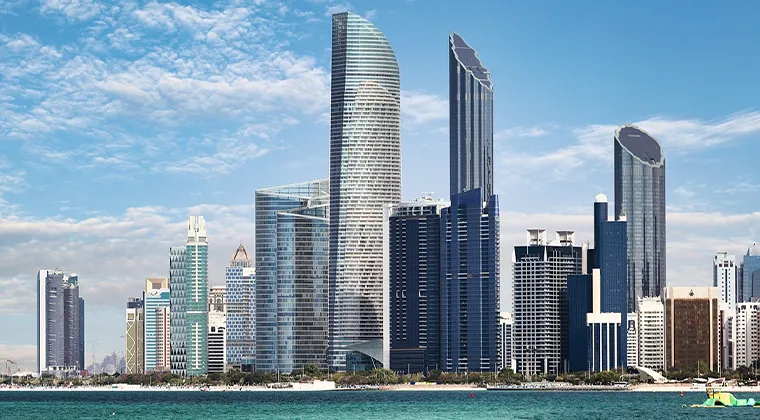
Abu Dhabi has implemented a temporary suspension on raising rents across residential, commercial, and industrial properties, aiming to stabilize the real estate market and provide relief to tenants and businesses.
Abu Dhabi introduces a temporary halt on rent increases for residential, commercial, and industrial properties.
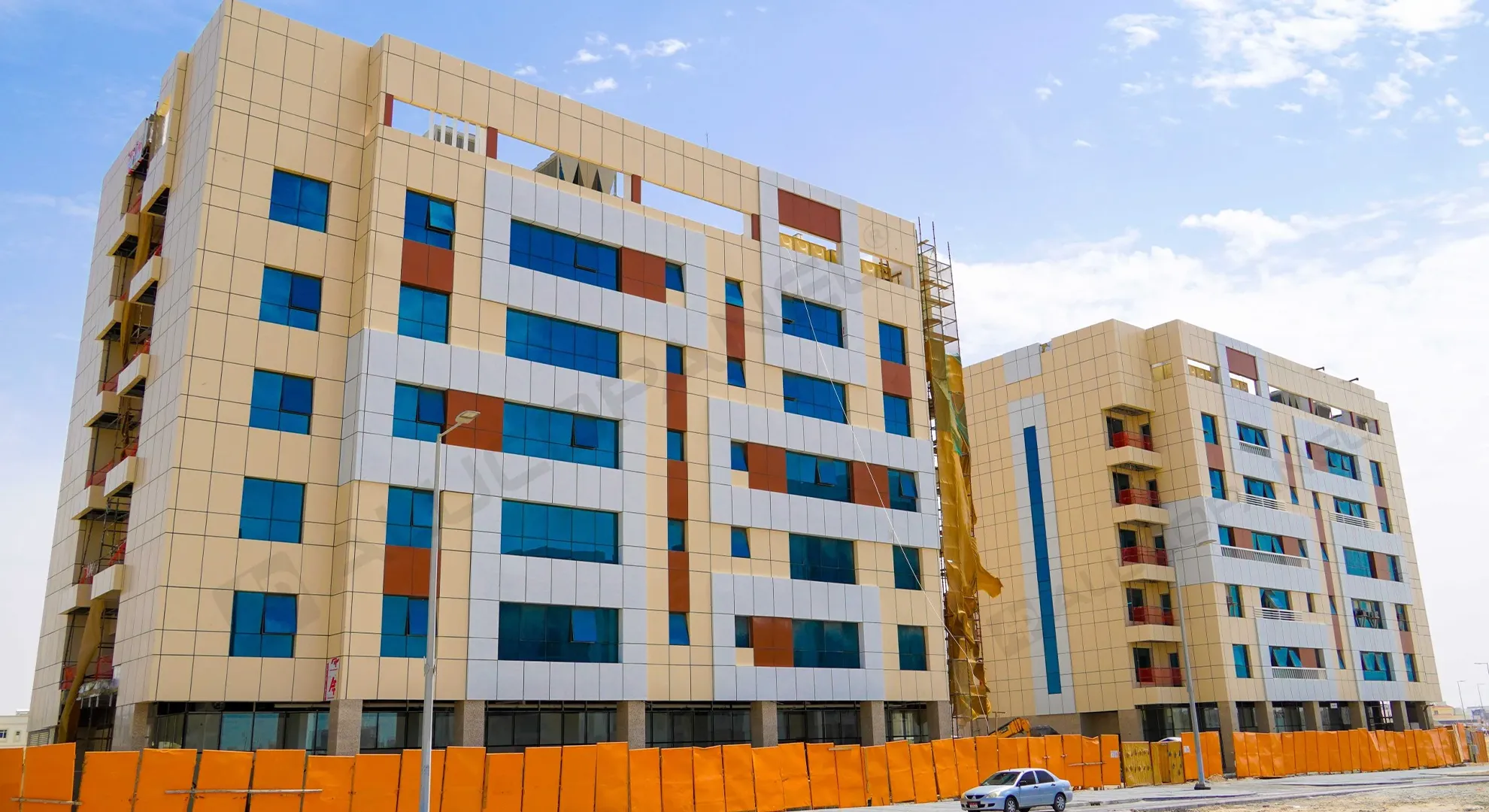
On Tuesday, June 2, the Real Estate Centre in Abu Dhabi announced a significant policy decision affecting the emirate’s rental market. The authority confirmed that a temporary rent freeze has been put into effect across the city, covering all categories of properties, including residential homes, commercial spaces, and industrial units. This measure comes into force immediately and is intended to regulate rental stability during the period of enforcement.
Under this directive, landlords and property owners will not be permitted to increase rental prices when renewing existing tenancy contracts. In practical terms, this means that any renewal of a lease agreement for residential apartments, villas, office spaces, shops, warehouses, or other commercial and industrial units must be processed at the same rental rate as the expiring contract. The rental amount will remain fixed, and no percentage-based or fixed-value increases will be allowed for the duration of this policy.
The announcement clearly outlines a uniform rule across the entire real estate sector. Whether the property is used for living purposes, business operations, or industrial activities, the same condition applies: renewal contracts must maintain a zero percent increase in rent. This approach has been introduced to ensure consistency and prevent variations in rental adjustments across different property segments within the emirate.
In addition to the renewal conditions, the policy also extends to situations involving previously rented properties. If a tenant vacates a unit and a new tenancy agreement is later signed for that same property, the landlord is required to offer the unit at the same rental value that was charged in the most recent prior contract. Essentially, the rent for new tenants occupying a previously leased property cannot exceed the amount agreed upon in the last active lease. This provision ensures that properties do not experience sudden or inflated price adjustments once they are re-listed on the rental market.
The decision reflects a regulatory effort to maintain equilibrium in Abu Dhabi’s rental sector. By preventing rent hikes during renewals and keeping new contracts tied to existing rental benchmarks, the authorities aim to create a more predictable and stable environment for both tenants and landlords. Tenants benefit from financial stability and protection against sudden increases in housing or operational costs, while landlords are provided with a clear framework that standardizes rental expectations across the market.
The Real Estate Centre emphasized that the policy applies universally and takes effect immediately from the date of announcement. All ongoing and future tenancy agreements falling within the scope of residential, commercial, and industrial categories must comply with the zero-increase rule during the freeze period. Property management companies, landlords, and leasing agents are expected to adjust their processes accordingly to ensure full compliance with the directive.
For tenants, this development offers a sense of security, particularly in cases where lease renewals were previously subject to market fluctuations or periodic rent adjustments. With this temporary freeze in place, individuals and businesses can renew their contracts without the concern of escalating rental costs. This is particularly relevant for commercial tenants, such as retail operators and small businesses, where rental overheads play a significant role in financial planning and operational sustainability.
For landlords and property investors, the policy introduces a period of fixed rental income for existing units under renewal agreements. While new rental increases are restricted for the time being, the regulation provides clarity and consistency in contractual terms, reducing disputes and uncertainty related to rental valuation during the enforcement period. It also ensures that the rental market operates under a unified structure, rather than being influenced by short-term price variations or speculative increases.
The inclusion of previously rented units in the pricing restriction for new contracts is also a notable aspect of the announcement. By linking the rental value of new agreements to the last established contract, the policy prevents sudden rent escalation when tenants change. This helps to stabilize rental benchmarks across neighborhoods, commercial zones, and industrial areas, ensuring that property values remain aligned with recent market history rather than being reset at higher levels for new occupants.
Overall, the temporary rent freeze represents a regulatory intervention designed to balance the interests of tenants and property owners while maintaining stability in Abu Dhabi’s broader real estate landscape. It introduces a structured approach where rental increases are paused, renewal prices are fixed, and newly signed contracts for previously occupied units are anchored to prior rental values.
By enforcing these measures, the emirate aims to support affordability, reduce volatility in the housing and commercial property sectors, and ensure that rental practices remain fair and transparent during the designated period of the freeze.