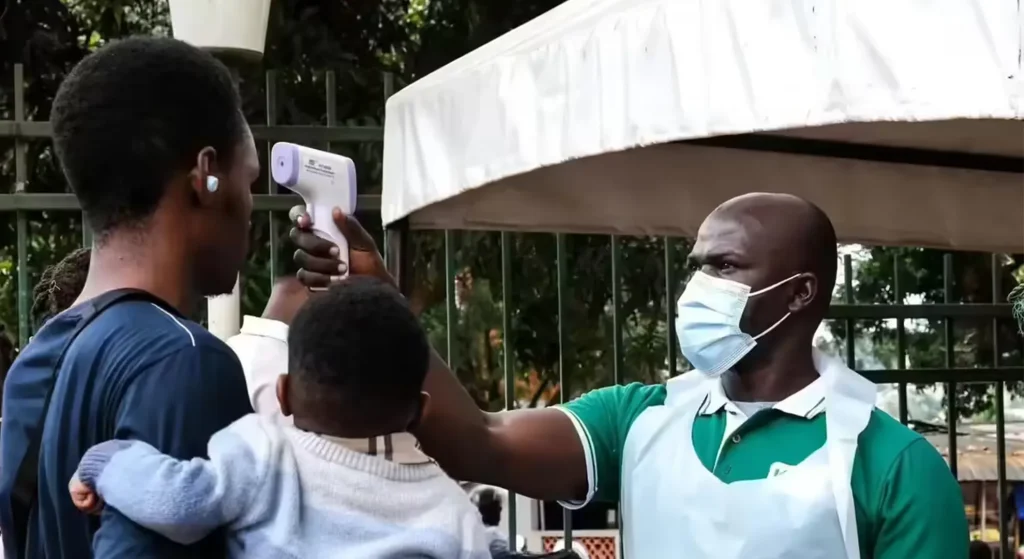
As health concerns grow due to disease outbreaks in different parts of the world, authorities in the UAE are urging travelers to remain cautious, monitor official advisories, and prioritize safety measures.
UAE Authorities Encourage Residents to Follow Travel Guidance During International Disease Outbreaks.
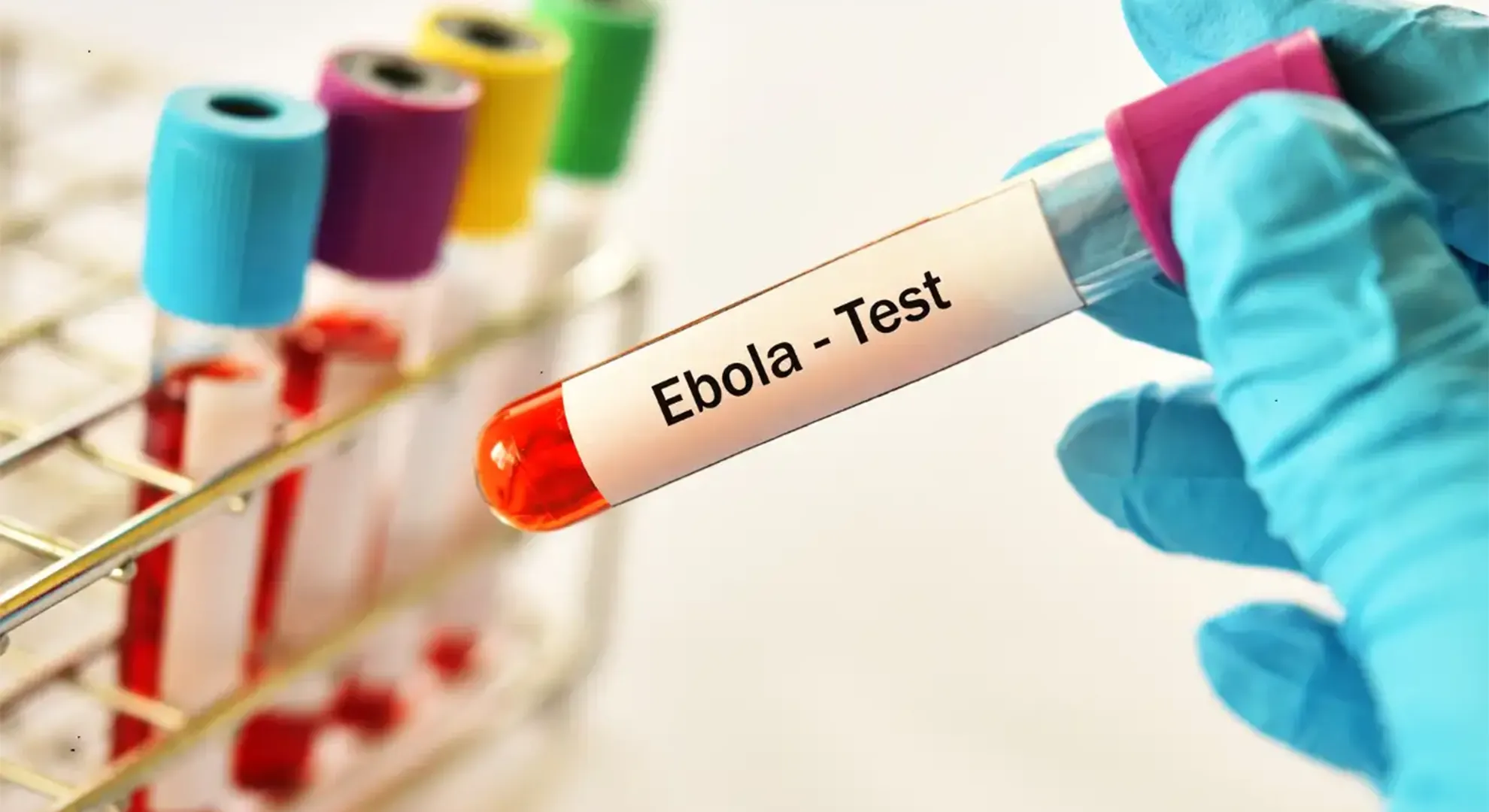
As the summer travel season approaches and many UAE residents finalize plans for overseas holidays, health authorities and medical professionals are urging travelers to remain vigilant and prioritize reliable health information before and during their trips. Officials have emphasized the importance of following government-issued travel guidance, particularly as several countries continue to report outbreaks of infectious diseases, including Ebola and hantavirus.
Authorities have advised residents to carefully assess their travel plans and avoid unnecessary visits to regions experiencing active Ebola outbreaks. Countries currently highlighted in official advisories include Uganda, the Democratic Republic of the Congo, and South Sudan. Travelers are encouraged to stay updated on the latest health recommendations and monitor developments in their intended destinations before departure.
Medical experts say that international travel naturally increases exposure to a variety of health risks, making awareness and preparation essential. They recommend that individuals planning trips abroad review official health notices, understand any disease-related precautions, and ensure they have access to appropriate medical support if needed. Travelers who experience symptoms of illness either while abroad or after returning home should seek professional medical attention promptly and provide details of their recent travel history.
The renewed focus on travel health comes as international health organizations continue to monitor disease outbreaks and emerging public health concerns in different parts of the world. While Ebola remains a concern in certain African countries, isolated cases and outbreaks of other infectious diseases, including hantavirus, have also attracted the attention of global health authorities. Public health experts stress that monitoring such developments is critical in a highly connected world where international travel can facilitate the spread of illnesses across borders.
Despite these international concerns, UAE authorities have reassured residents that there is currently no cause for alarm within the country. Officials have repeatedly confirmed that the nation’s public health situation remains stable and well managed. According to government agencies, comprehensive monitoring systems are in place to track international health developments and assess any potential risks to the UAE population.
Recent statements issued by the National Emergency Crisis and Disaster Management Authority (NCEMA) and the Ministry of Health and Prevention (MoHAP) highlighted the country’s ongoing commitment to maintaining a high level of preparedness. Authorities noted that surveillance mechanisms, health monitoring networks, and emergency response procedures continue to operate around the clock, enabling experts to evaluate global disease trends and implement preventive measures whenever necessary.
Officials explained that the UAE’s health sector has developed extensive capabilities to detect, monitor, and respond to potential public health threats. These capabilities include coordination between government agencies, healthcare providers, laboratories, and emergency response teams. Such systems are designed to identify emerging risks at an early stage and ensure a rapid and effective response if required.
Health experts emphasized that preparedness is not limited to government institutions alone. Travelers also play an important role in protecting themselves and their communities by following recommended precautions. Before traveling, individuals are encouraged to verify vaccination requirements, review destination-specific health advice, and familiarize themselves with local healthcare resources. Maintaining good hygiene practices, including regular handwashing and avoiding contact with individuals who appear unwell, can further reduce the risk of infection.
Doctors note that travelers should pay close attention to symptoms that may develop during or after their journeys. Fever, fatigue, headaches, unexplained pain, or other signs of illness should not be ignored, particularly if a person has recently visited an area affected by infectious disease outbreaks. Seeking medical advice early can help ensure timely diagnosis and treatment while reducing the possibility of further transmission.
Experts also warn against relying on unverified information circulating on social media platforms. During periods of heightened public concern, inaccurate reports and misleading claims can spread quickly online, creating confusion and unnecessary anxiety. Health professionals recommend obtaining information only from trusted sources, including government health departments, international health organizations, and licensed medical practitioners.
According to doctors, one of the most effective ways to stay safe while traveling is to remain informed through official channels. Government advisories are regularly updated to reflect changing conditions and often include important guidance on disease risks, entry requirements, preventive measures, and emergency contacts. Following these recommendations can help travelers make informed decisions and reduce potential health risks.
Medical professionals further explained that while news of disease outbreaks may sound alarming, it is important to view such developments in context. Public health authorities around the world continuously monitor infectious diseases and implement containment strategies when outbreaks occur. Travelers who follow official advice and take reasonable precautions can significantly lower their chances of exposure.
The UAE’s health authorities continue to work closely with international partners and public health organizations to track developments abroad. This collaborative approach allows the country to receive timely information regarding emerging health threats and adjust preparedness measures accordingly. Officials stress that continuous monitoring and international cooperation remain key components of effective disease prevention and response.
For residents planning summer vacations, experts recommend a simple but effective approach: stay informed, follow official travel guidance, exercise caution when necessary, and seek medical assistance if health concerns arise. Being proactive about travel health not only protects individuals but also contributes to broader public health efforts.
As global travel activity increases during the holiday season, authorities are expected to continue providing updates and recommendations based on the latest available information. Residents are encouraged to check official government platforms regularly and remain aware of any changes affecting their destinations.
Ultimately, health officials say there is no immediate threat to public health within the UAE, and the country’s healthcare and emergency response systems remain fully operational and prepared. However, they emphasize that awareness, preparedness, and responsible travel behavior are essential during a time when infectious disease outbreaks continue to be reported in various parts of the world.
The message from medical experts remains clear: trust credible sources, stay updated on official guidance, avoid unnecessary travel to affected areas, and seek professional medical advice whenever concerns arise. By taking these practical steps, travelers can enjoy their journeys more safely while helping protect the health and wellbeing of the wider community.
Authorities remain prepared
Healthcare experts have emphasized that the UAE remains well positioned to address potential public health challenges, thanks to its comprehensive disease surveillance infrastructure and long-standing investment in emergency preparedness. According to medical professionals, the country’s healthcare system has developed robust mechanisms for detecting, monitoring, and responding to infectious diseases, ensuring that authorities can act quickly whenever new health concerns emerge internationally.
Specialists noted that public health protection in the UAE is supported by a multilayered framework that includes screening procedures at airports, continuous monitoring within healthcare institutions, and coordinated oversight at border entry points. These measures are designed to identify potential risks at an early stage and help prevent the spread of infectious diseases within the country.
Medical professionals explained that the UAE’s health authorities continuously assess developments taking place around the world, particularly when outbreaks of contagious diseases are reported. Through collaboration with international health organizations and local healthcare providers, officials are able to receive timely updates and adjust preparedness strategies whenever necessary.
Dr. Maryam Mojtabavi, an infectious disease specialist, said the country’s health authorities maintain a proactive approach to monitoring global health events. She explained that government agencies closely track disease outbreaks and public health alerts in different regions of the world, allowing them to evaluate potential risks and strengthen precautionary measures where appropriate.
According to Dr. Mojtabavi, the UAE has established a strong foundation for infectious disease management through years of planning, training, and investment in healthcare infrastructure. She highlighted that preparedness efforts extend beyond government institutions and involve healthcare professionals across the country who are trained to recognize and respond to emerging health threats.
She also pointed out that one of the country’s major strengths lies in its highly skilled medical workforce. Physicians, nurses, infection-control specialists, and emergency response teams regularly participate in training programs and preparedness exercises designed to enhance their ability to manage a wide range of public health scenarios. Such programs help ensure that healthcare personnel remain informed about the latest international guidelines and best practices related to infectious disease control.
Dr. Mojtabavi further noted that hospitals and healthcare facilities throughout the UAE have implemented advanced infection-prevention protocols. These procedures include strict hygiene standards, patient isolation measures when necessary, and continuous staff education aimed at minimizing the risk of disease transmission within healthcare environments. Regular preparedness drills and simulation exercises also play an important role in maintaining operational readiness.
She explained that effective public health protection relies not only on medical expertise but also on strong coordination between different sectors. Government agencies, healthcare institutions, laboratories, and emergency management teams work together to share information, assess risks, and implement appropriate responses whenever needed. This collaborative approach strengthens the country’s ability to react swiftly to changing health situations.
Meanwhile, Dr. Saheer Sainalabdeen, a pulmonology specialist, emphasized that healthcare providers across the UAE remain fully prepared to handle a variety of medical situations. He said hospitals and clinics continue to maintain readiness plans that can be activated whenever circumstances require enhanced monitoring or response measures.
According to Dr. Sainalabdeen, healthcare facilities routinely review and update their emergency preparedness procedures to ensure they remain aligned with current international standards. Medical teams are trained to respond efficiently to evolving health challenges, and healthcare organizations regularly evaluate their resources and capabilities to maintain a high level of readiness.
He added that preparedness is an ongoing process rather than a one-time effort. Healthcare professionals continuously participate in educational programs, workshops, and training sessions to strengthen their knowledge and improve response capabilities. This commitment to professional development helps ensure that medical teams are equipped with the latest information and techniques needed to address emerging public health concerns.
The specialist also stressed the importance of public awareness during periods when disease outbreaks receive significant international attention. While official monitoring systems play a critical role in protecting communities, informed residents can also contribute to public health efforts by following credible advice and making responsible decisions.
Dr. Sainalabdeen encouraged residents to seek information from trusted and verified sources rather than relying on unconfirmed reports circulating online. He noted that misinformation can spread rapidly, particularly on social media platforms, where inaccurate claims may create unnecessary fear and confusion among the public.
Health experts warned that rumors and misleading content often become more widespread during global health events. In some cases, inaccurate information may exaggerate risks, while in others it may downplay important precautions. Both situations can undermine public understanding and make it more difficult for people to make informed decisions about their health and safety.
For this reason, doctors recommend referring to official announcements issued by health authorities, government agencies, and recognized international organizations. These sources provide information that is based on scientific evidence, expert analysis, and ongoing monitoring of public health developments.
Medical professionals also emphasized the importance of maintaining perspective when reports of disease outbreaks emerge in different parts of the world. While such developments warrant attention and monitoring, they do not necessarily indicate an immediate threat to countries that have strong preparedness and surveillance systems in place. Experts said the UAE’s healthcare sector continues to maintain a high level of vigilance and remains capable of responding effectively to potential challenges.
They added that public confidence should be guided by facts rather than speculation. The country’s healthcare infrastructure, emergency response capabilities, and disease-monitoring systems have been strengthened over many years and continue to be reviewed and improved as part of ongoing preparedness efforts.
Experts concluded that the combination of advanced healthcare facilities, trained medical professionals, coordinated government oversight, and active disease surveillance provides a solid foundation for protecting public health. At the same time, they stressed that residents can support these efforts by staying informed through reliable channels, following official guidance, and avoiding the sharing of unverified information.
Ultimately, healthcare specialists say the key message remains straightforward: remain informed, trust credible sources, and rely on official health updates when assessing developments related to disease outbreaks. By doing so, residents can make informed decisions while contributing to a well-informed and resilient community.
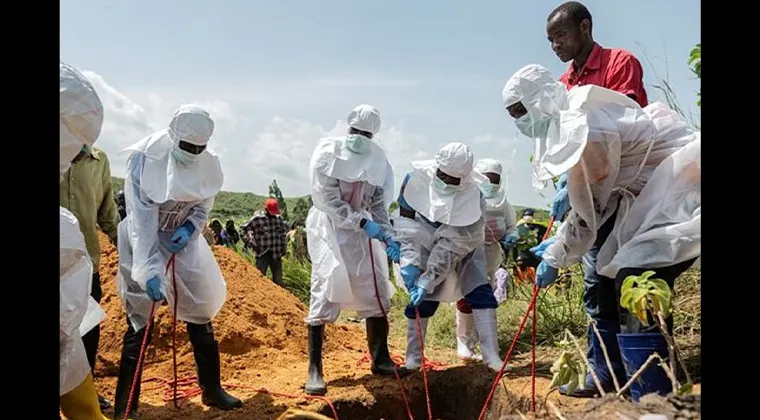
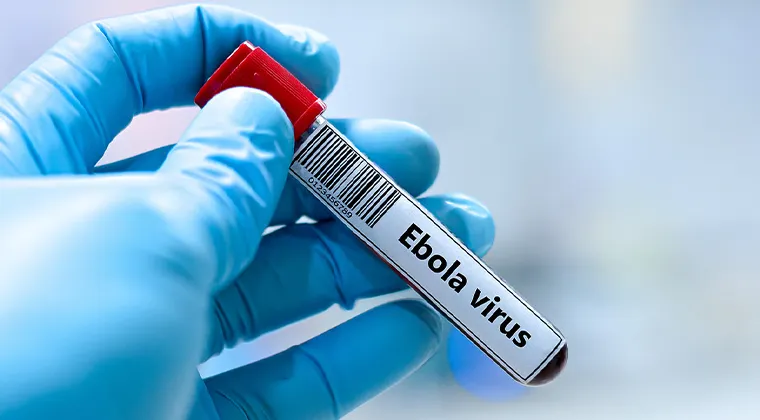
What travellers should know
Among the infectious diseases currently drawing the attention of international health authorities is Ebola, a severe and potentially life-threatening illness that has resurfaced in public discussions following recent outbreaks reported in several African nations. While the disease is known for its high fatality rate and serious symptoms, medical experts say there are still widespread misconceptions about how the virus spreads and the level of risk it poses to the general public.
Healthcare professionals have emphasized that understanding the facts about Ebola is essential to avoiding unnecessary fear and misinformation. Although news of outbreaks often generates concern around the world, experts note that Ebola transmission requires specific conditions and does not occur as easily as many people assume.
According to doctors, one of the most common misunderstandings is the belief that Ebola can spread through the air in the same way as illnesses such as influenza or certain respiratory infections. Specialists stress that this is not the case. The virus is not transmitted through airborne particles, meaning people cannot become infected simply by being in the same room, traveling on the same flight, or passing near an infected individual in a public place.
Medical experts explained that routine daily interactions generally do not pose a risk of Ebola transmission. Activities such as walking through an airport, shopping in crowded areas, riding public transportation, attending public events, or sharing spaces with healthy individuals are not considered pathways for the spread of the disease.
Dr. Saheer Sainalabdeen, a pulmonology specialist, highlighted the importance of distinguishing between actual risks and common misconceptions. He explained that Ebola does not spread through casual social contact and cannot be contracted through the air, drinking water, food products, or ordinary interactions with other people.
Instead, the virus is primarily transmitted through direct exposure to bodily fluids from an infected person who is already showing symptoms of the illness. Such fluids may include blood, saliva, sweat, vomit, urine, or other secretions. Because transmission requires close and direct contact with infectious materials, public health experts say the likelihood of infection for most travelers remains relatively low when appropriate precautions are observed.
Doctors further explained that Ebola outbreaks are typically controlled through well-established public health measures. These include rapid identification of cases, contact tracing, isolation procedures, community awareness campaigns, and infection-control protocols in healthcare settings. Such measures have proven effective in limiting the spread of the virus and protecting both healthcare workers and the broader population.
Medical specialists also noted that international health organizations continue to work closely with affected countries to strengthen surveillance efforts and provide support for outbreak response activities. Continuous monitoring allows authorities to identify emerging risks and implement containment measures as quickly as possible.
At the same time, experts encourage travelers to remain informed about disease outbreaks occurring in regions they plan to visit. Checking official travel advisories, following health recommendations, and understanding local conditions can help reduce potential health risks while traveling abroad.
In addition to Ebola, another disease that has attracted international attention in recent months is hantavirus. Although it is less widely known than some other infectious diseases, hantavirus has been the subject of increased discussion following reports of cases in different parts of the world. Public health officials continue to monitor developments related to the virus and assess any potential implications for global health.
Healthcare professionals explained that hantavirus differs significantly from Ebola in terms of its transmission patterns and epidemiology. The virus is generally associated with contact with infected rodents or environments contaminated by rodent urine, droppings, or saliva. Human infections most commonly occur when virus particles become airborne and are inhaled during activities that disturb contaminated materials.
Despite the international attention surrounding hantavirus, experts emphasize that awareness and preventive measures remain the most effective tools for reducing risk. Proper hygiene, avoiding contact with rodents, and maintaining clean living and storage environments are among the recommendations commonly provided by health authorities.
Within the UAE, officials have repeatedly stated that the country’s public health system remains vigilant and prepared to address a wide range of health situations, including emerging infectious disease threats. Authorities continue to track global developments closely and maintain surveillance systems designed to identify and respond to potential risks.
Healthcare experts say the UAE’s preparedness framework includes ongoing monitoring of international health events, collaboration with global health organizations, and coordination among local healthcare institutions. These efforts help ensure that relevant information is assessed promptly and that precautionary measures can be implemented whenever necessary.
Doctors also emphasized the importance of public awareness during periods when international outbreaks receive extensive media coverage. While reports of disease outbreaks can naturally generate concern, experts caution against drawing conclusions based solely on headlines or social media discussions. Reliable information should always be obtained from official health authorities, medical professionals, and recognized public health organizations.
According to specialists, global disease outbreaks often attract significant public attention because of their potential impact and the speed at which information can spread online. However, extensive media coverage does not necessarily mean that the average traveler faces a high risk of infection. In many cases, the actual risk remains limited, particularly for individuals who follow recommended precautions and stay informed about official guidance.
Medical professionals stressed that travelers can take several practical steps to protect themselves while abroad. These include reviewing destination-specific health advisories, maintaining good personal hygiene, avoiding unnecessary exposure to potentially hazardous environments, and seeking medical advice if symptoms develop during or after travel.
Experts also recommend that travelers remain attentive to updates from government agencies and healthcare authorities, especially when visiting regions where outbreaks have been reported. Being informed about local conditions allows individuals to make better decisions and respond appropriately if circumstances change.
Doctors underscored that preparedness should not be confused with panic. Public health systems around the world are designed to monitor, assess, and respond to disease outbreaks, and many countries have established protocols to manage emerging health risks effectively. Travelers who remain aware of official recommendations and take reasonable precautions can continue to travel safely and confidently.
Ultimately, healthcare specialists say that knowledge and responsible behavior are among the most effective forms of protection. Understanding how diseases are transmitted, recognizing credible sources of information, and following health guidance can significantly reduce risks and help individuals make informed choices.
While Ebola and hantavirus continue to be monitored by international health authorities, experts emphasize that there is no reason for unnecessary alarm. Instead, they encourage residents and travelers alike to stay informed, follow official advice, and rely on evidence-based information rather than rumors or speculation. By doing so, individuals can better protect their health while contributing to broader public health awareness and safety.
Symptoms not to ignore
Health experts are advising international travellers to remain alert to any signs of illness both during their journeys and in the weeks following their return, particularly if they have visited regions where infectious disease outbreaks have been reported.
According to medical professionals, symptoms associated with Ebola can initially resemble those of several other illnesses. Early warning signs may include a high temperature, extreme tiredness, muscle aches, headaches, sore throat, digestive issues such as vomiting and diarrhoea, and a general feeling of weakness.
Dr. Saheer Sainalabdeen explained that the virus has an incubation period that can extend to three weeks after exposure. Because symptoms may not appear immediately, information about recent travel destinations can play a critical role in helping doctors assess a patient’s condition and determine the most appropriate course of action.
He noted that diagnosing Ebola can be challenging in the early stages because its symptoms often overlap with those of other infectious diseases commonly found in some regions, including malaria, typhoid, and meningitis. For this reason, healthcare providers routinely ask about recent travel history when evaluating patients with fever or flu-like symptoms.
Dr. Maryam Mojtabavi emphasized the importance of seeking medical attention without delay if any concerning symptoms develop after returning from abroad. She advised travellers to provide healthcare professionals with accurate details about their recent trips, including the countries visited and any potential exposure to health risks.
She also cautioned against assuming that every fever following international travel is linked to Ebola. Many illnesses that travellers may encounter can produce similar symptoms, and in most cases, the cause may be a far more common infection. Nevertheless, prompt medical evaluation remains essential to ensure an accurate diagnosis and appropriate treatment.
Experts say that staying informed, monitoring one’s health after travel, and communicating travel history clearly to medical professionals are among the most effective steps travellers can take to protect themselves and those around them.
Simple precautions for summer holidays
Health specialists are encouraging people planning international trips to review the latest government travel guidance before leaving and to stay informed about any health-related updates or advisories issued for their destination. Experts say being aware of current conditions can help travellers make informed decisions and take appropriate precautions throughout their journey.
Medical professionals also emphasized the importance of maintaining good personal hygiene, which remains one of the most effective defenses against a wide range of infectious illnesses. Simple preventive measures such as washing hands frequently with soap and water, using alcohol-based hand sanitisers when necessary, consuming clean drinking water, and limiting close contact with individuals showing signs of illness can significantly lower health risks while travelling.
Families travelling with young children are advised to pay particular attention to hydration and overall wellbeing, especially during long flights, extended road trips, or periods of high temperatures. Ensuring children drink enough fluids and get adequate rest can help prevent travel-related health issues and improve their overall comfort during the holiday period.
Experts further recommend that travellers keep important healthcare information readily accessible, including emergency contact numbers, details of nearby medical facilities, and copies of travel insurance documents. Having these resources available can help ensure quick access to assistance if unexpected health concerns arise while away from home.
Doctors noted that most people can enjoy their vacations safely without major disruptions by taking sensible precautions, monitoring official health information, and seeking medical advice whenever they experience unusual symptoms. Staying informed and acting promptly when health concerns emerge can help reduce risks and provide greater peace of mind during travel.
Dr. Maryam Mojtabavi emphasized that while awareness of global disease outbreaks is important, there is no reason for unnecessary concern. She explained that the UAE continues to maintain a strong public health framework supported by advanced healthcare services, active disease-monitoring systems, and ongoing preparedness efforts. Authorities remain vigilant and continue to assess international health developments to ensure appropriate measures are in place whenever needed.
According to health experts, informed and responsible travel remains the best approach. By following official recommendations, practicing good hygiene, and staying alert to health updates, travellers can confidently proceed with their plans while helping safeguard their own wellbeing and that of those around them.