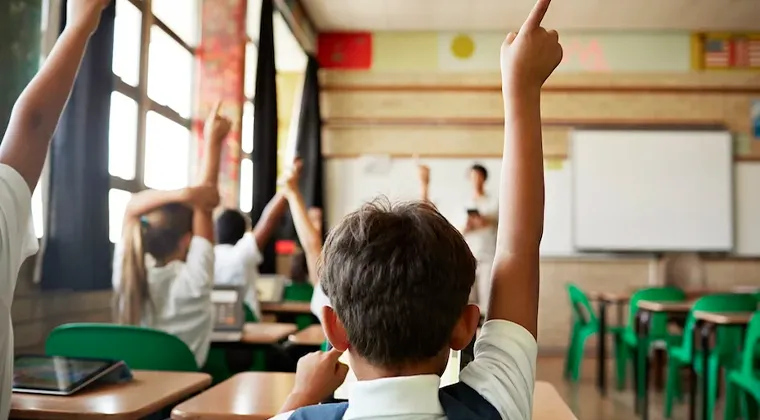
Following the Eid holiday, students across the UAE have returned to school, and many are immediately beginning their examinations as academic activities quickly restart after the festive break period ends.
After Eid break, UAE students resume classes, with some heading directly into exam schedules.
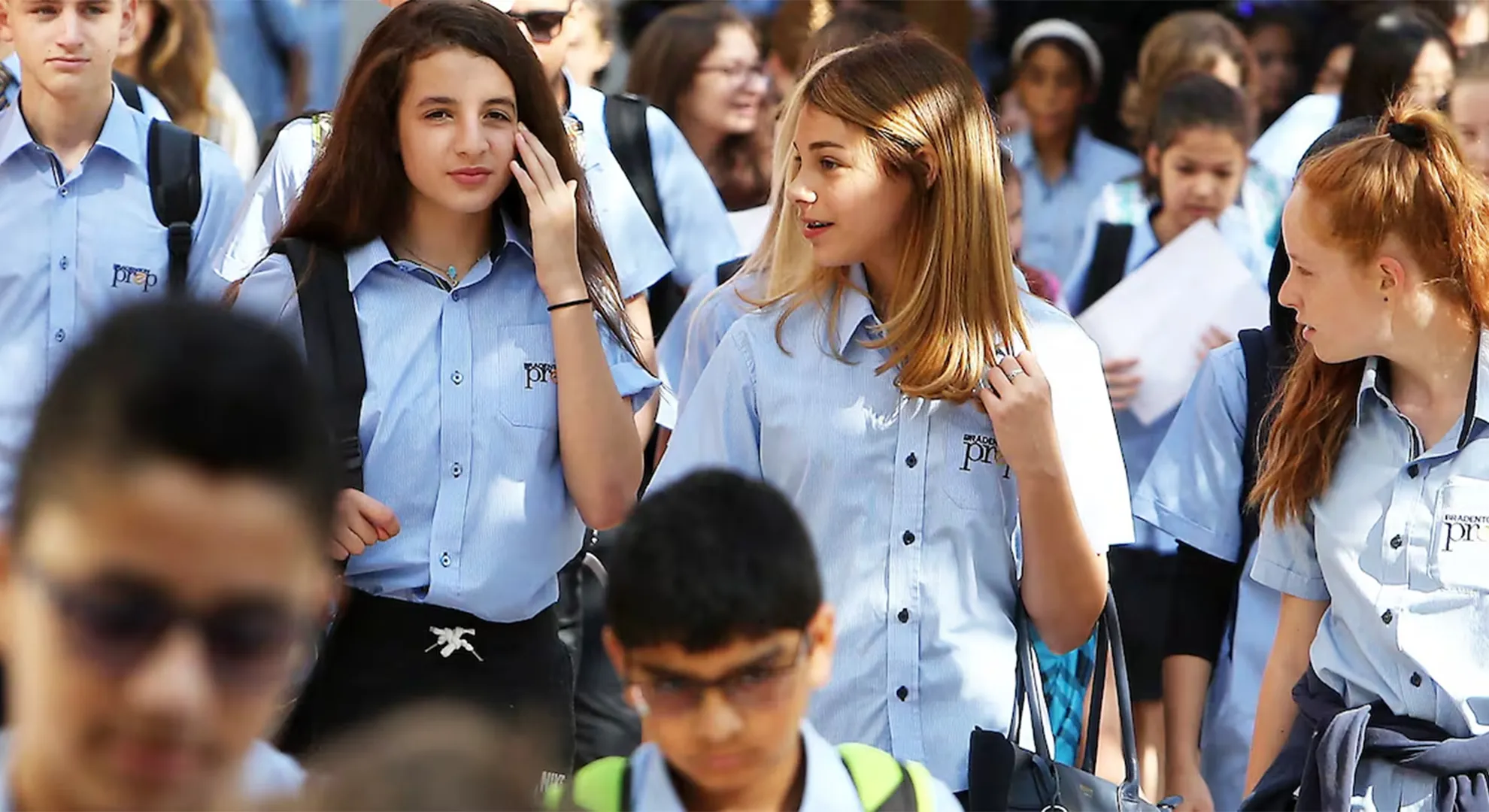
After the conclusion of the nine-day Eid Al Adha holiday, students across the UAE are once again returning to their classrooms on Monday, June 1. The break, which offered families time for travel, celebrations, and rest, is now giving way to the familiar rhythm of school life. For many children, this shift means leaving behind relaxed mornings and festive family moments and stepping back into early wake-up routines, uniforms, homework schedules, and structured academic days.
As schools reopen, educators are adopting varied strategies to support students in readjusting to academic demands. Some institutions are choosing to ease learners back into study mode by starting with light revision, group discussions, and interactive classroom activities designed to refresh previously covered topics. This gradual approach aims to reduce pressure and help students regain focus after the holiday period.
In contrast, other schools are moving ahead with planned assessments almost immediately after the break. These institutions are continuing their academic schedules without delay, with examinations beginning as soon as students return. Despite this difference in approach, school administrators have emphasized that the assessments are designed to be reasonable in scope, focusing on a limited portion of the syllabus to ensure they remain manageable for students.
School leaders across the country have highlighted that their main concern is the well-being and smooth reintegration of students into school routines. They have reassured parents and learners that the transition period is being carefully considered, with attention given to balancing academic expectations and student comfort. While teaching methods may differ from one school to another, the shared objective remains consistent: helping students settle back into their studies without unnecessary stress or difficulty.
Overall, the return to school marks a significant shift from holiday relaxation to structured learning, but educational institutions are working in different ways to make this transition as smooth and supportive as possible for students across the UAE.
Ensuring a smooth transition
Following the Eid break, Dewvale School Dubai is placing strong emphasis on helping students smoothly readjust to academic life in a calm and supportive environment. According to principal Seema Umar, the initial days after reopening are not intended to be academically demanding but instead focused on easing learners back into school routines in a comfortable and structured way.
She explained that the first week will primarily be dedicated to helping students settle in after the holiday period. Rather than immediately diving into heavy coursework or examinations, teachers will prioritise activities that rebuild classroom connection and help students regain their learning rhythm. These will include interactive sessions, light revision exercises, and group-based discussions that encourage participation and engagement without pressure.
Students will also be given space to talk about their Eid holidays, allowing them to share personal experiences and reconnect with classmates in a relaxed setting. This approach is designed to create a positive classroom atmosphere where students feel comfortable returning to school life after an extended break. Alongside these informal discussions, teachers will gradually reintroduce academic content in a structured and manageable way so that students can ease back into their studies without feeling overwhelmed.
Importantly, the school has confirmed that no formal assessments or examinations will take place during the first week after reopening. This decision has been made to ensure that students are not immediately placed under academic stress after the holiday period. Instead, the focus remains on rebuilding confidence, reinforcing foundational concepts, and helping students transition smoothly back into their learning routines.
Umar further emphasized that the priority during this period is not performance evaluation but adjustment and reintegration. She noted that students need time to shift from holiday mode back into study mode, and schools have a responsibility to support that process in a thoughtful and gradual manner. By allowing a brief settling-in phase, educators aim to ensure that students are mentally prepared and more focused when regular academic work resumes fully.
In addition to classroom efforts, she also highlighted the important role of parents in helping children prepare for the return to school. She encouraged families to begin re-establishing healthy daily routines before classes resume, particularly focusing on consistent sleep schedules, timely waking hours, and regular attendance habits. According to her, such preparation at home can significantly ease the transition back into structured school life.
Umar expressed optimism that students would return from the Eid holidays feeling refreshed and motivated. She encouraged them to come back with renewed energy and a positive mindset, ready to engage in new learning opportunities. At the same time, she reminded parents that their support plays a key role in helping children adapt quickly and comfortably, especially in the first few days after the break.
Overall, the school’s approach reflects a balanced effort to combine academic readiness with emotional and routine-based adjustment. By prioritising a gradual return to studies, Dewvale School Dubai aims to ensure that students feel confident, settled, and prepared for the academic weeks ahead.
‘Straight into formal assessments’
At certain schools, the return to academic life after the Eid holiday will be more structured and immediately demanding, with students expected to re-engage with formal evaluation processes right away. In these institutions, there is little delay in resuming academic assessments, as examinations are scheduled to begin as soon as classes restart.
Deepika Thapar Singh, CEO-principal of Credence High School, explained that the school moves directly into its first set of official assessments following the break. According to her, this is part of a pre-planned academic timetable that is designed well in advance and communicated clearly to both students and parents at the beginning of the school year. Because of this early communication, families are already aware of the assessment dates, leaving no uncertainty or unexpected changes in schedule when the term resumes.
She emphasized that the purpose of this structured planning is to ensure transparency and allow students sufficient time to prepare in advance. Since the examination timeline is shared long before the academic term progresses, students are able to organize their study schedules accordingly and avoid last-minute stress caused by uncertainty.
While acknowledging that returning to school immediately into examinations may feel intense for some learners, Singh highlighted that the assessments themselves are carefully designed to be reasonable and focused. She pointed out that the scope of the syllabus included in these tests is limited to recently taught or revised material, making the workload more manageable than it may initially appear. This approach is intended to evaluate understanding without placing excessive pressure on students.
She further reassured students and parents that there is no intention to overwhelm learners at this stage. Instead, the goal is to assess comprehension in a balanced and fair manner while maintaining academic continuity after the holiday period. According to her, when students approach the assessments with steady preparation, the process becomes a natural extension of their learning rather than a source of anxiety.
Singh also offered guidance on how students could make effective use of their holiday time in preparation for the tests. She suggested that even a small, consistent effort during the break could make a significant difference once classes resume. For example, dedicating as little as one hour each day to focused revision would help students stay connected to their subjects and reinforce important concepts.
She explained that this type of light but regular study routine during the holiday does not require intense effort, but it helps maintain academic familiarity so that students can transition smoothly back into examinations after the break. By reviewing key topics gradually, learners are more likely to feel confident and prepared rather than rushed or under pressure when assessments begin.
Singh encouraged students to approach their revision in a calm and organised manner, focusing on understanding rather than memorisation alone. She noted that steady preparation over time is far more effective than last-minute studying, especially when dealing with assessments that cover only a limited portion of the syllabus.
Overall, while some schools adopt a gentler transition back into academics after the Eid break, Credence High School’s approach reflects a more immediate return to structured evaluation. However, school leadership maintains that the system is designed with careful planning, clear communication, and manageable expectations so that students can perform effectively without feeling overwhelmed.