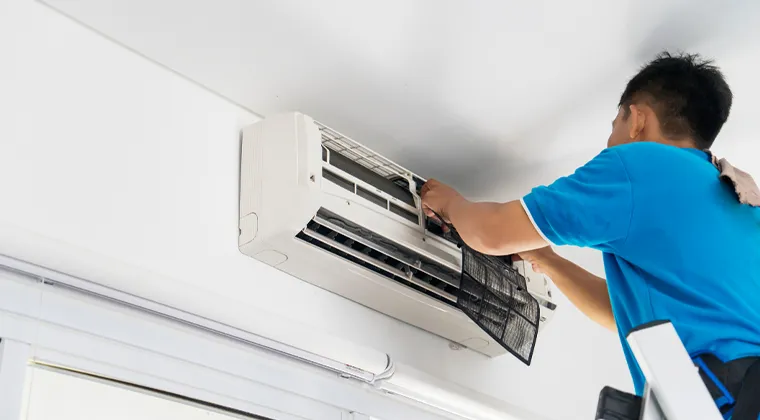
Experts across the UAE are encouraging residents to have their air conditioning systems inspected regularly, warning that poor AC maintenance may contribute to allergies, headaches, and other health-related issues.
Health concerns linked to AC maintenance prompt experts to advise inspections across the UAE.
UAE Residents Advised to Prioritise AC Maintenance as Summer Heat Intensifies
With summer temperatures steadily increasing across the UAE, air conditioning systems are becoming an essential part of daily life. Homes, offices, shopping centres, and public spaces rely heavily on cooling systems to provide relief from the intense heat that characterises the region’s summer months. However, health professionals and maintenance specialists are warning that while air conditioners help create comfortable indoor environments, neglected systems may also affect indoor air quality and contribute to a range of health concerns.
As outdoor temperatures climb, many residents spend longer periods indoors with windows and doors closed to keep cool air inside. This creates an environment where air circulates repeatedly through the same cooling system. If that system is not properly maintained, contaminants such as dust, mould, allergens, and moisture-related particles may accumulate and circulate throughout indoor spaces.
Experts say many people may not immediately connect everyday symptoms with the condition of their air conditioning units. Mild headaches, frequent sneezing, itchy eyes, nasal congestion, sore throats, coughing, and a general feeling of discomfort are often attributed to seasonal changes, outdoor dust, fatigue, or minor illnesses. While these explanations may sometimes be correct, specialists note that poor indoor air quality can also play a role.
The issue becomes particularly relevant during the UAE’s hottest months when air conditioning systems operate for extended periods. In many households, cooling units run almost continuously throughout the day and night. As usage increases, any underlying maintenance problems may become more noticeable.
Medical professionals explain that indoor air quality has a direct impact on respiratory health. When cooling systems are not cleaned regularly, filters and ventilation components can become reservoirs for dust and airborne particles. Over time, these contaminants may be redistributed throughout living spaces whenever the system is operating.
Individuals who already suffer from allergies, asthma, or respiratory sensitivities may be particularly vulnerable. Exposure to poor indoor air conditions can sometimes worsen existing symptoms or trigger new reactions. Children, elderly individuals, and people with weakened immune systems may also be more susceptible to environmental irritants.
According to industry experts, one of the most common issues associated with poorly maintained cooling systems is the accumulation of dust. Air conditioners constantly draw in air as part of the cooling process. Along with that air comes dust, fibres, pet dander, and other microscopic particles. Although filters are designed to capture many of these contaminants, their effectiveness decreases when maintenance is neglected.
If filters are not cleaned or replaced regularly, airflow may become restricted. This not only affects system efficiency but can also allow pollutants to build up within various components. As a result, the quality of indoor air may gradually decline without residents realising the source of the problem.
Another concern involves moisture accumulation. The UAE’s climate presents unique challenges because of the combination of high temperatures and humidity levels, particularly in coastal areas. Air conditioning systems naturally remove moisture from indoor air as part of the cooling process. However, if drainage systems become blocked or moisture remains trapped within components, conditions may become favourable for microbial growth.
Maintenance specialists point out that mould can develop in areas where moisture persists over time. Cooling coils, drip trays, filters, and air ducts may all become locations where mould spores establish themselves if cleaning and inspection routines are neglected.
Because mould growth often occurs out of sight, many residents may remain unaware that it exists within their air conditioning systems. Nevertheless, spores released into circulating air can potentially affect indoor environments and contribute to respiratory discomfort.
Home maintenance professionals note that the problem is not limited to older buildings. Even relatively modern properties can experience issues if air conditioning systems are not serviced regularly. Factors such as humidity, usage patterns, construction quality, and maintenance schedules all influence the condition of cooling equipment.
Industry estimates suggest that a significant proportion of residential properties may experience some level of mould accumulation within air conditioning infrastructure. While the severity can vary considerably from one property to another, experts say the issue is common enough to warrant attention, particularly during periods of heavy system usage.
Poor indoor air quality may manifest in several ways. Some residents report persistent sneezing when spending extended periods indoors. Others notice dry throats, irritated eyes, recurring headaches, or a sensation of stuffiness despite the cooling system functioning normally. In some cases, unpleasant odours emerging from air vents may indicate the presence of microbial growth or accumulated debris.
Energy efficiency can also be affected. When filters, coils, and ducts become clogged with dust and contaminants, air conditioning systems often have to work harder to maintain desired temperatures. This additional strain can increase energy consumption and potentially shorten the lifespan of equipment.
Maintenance experts therefore recommend viewing regular servicing as both a health measure and a practical investment. Routine inspections can help identify issues before they become more serious while ensuring that systems operate efficiently throughout the summer season.
Professional servicing typically involves cleaning filters, inspecting coils, checking drainage systems, examining ductwork, and ensuring that airflow remains unobstructed. Technicians may also identify signs of mould growth, excess moisture, or mechanical problems that could affect system performance.
Experts emphasise that preventive maintenance is generally more effective than waiting for noticeable problems to emerge. Many air quality issues develop gradually, making them difficult for residents to detect during everyday life. By the time symptoms become obvious, contamination may already be widespread within the system.
The growing focus on indoor air quality reflects broader awareness of how indoor environments influence overall wellbeing. People spend a substantial portion of their time inside homes, workplaces, schools, and commercial buildings. As a result, the quality of the air circulating through these spaces can have a meaningful impact on comfort and health.
In the UAE, where air conditioning is essential rather than optional during much of the year, maintaining cooling systems becomes particularly important. Unlike regions where windows are frequently opened to encourage natural ventilation, residents often rely almost entirely on mechanical cooling during peak summer months.
This dependence on air conditioning means that any contaminants present within a system may continue circulating unless appropriate maintenance measures are taken. Consequently, experts encourage residents not to overlook routine inspections simply because their units appear to be functioning correctly.
Health specialists recommend paying attention to patterns in symptoms. If sneezing, coughing, headaches, or throat irritation consistently worsen indoors and improve outside, it may be worthwhile to investigate indoor air quality as a possible contributing factor. While such symptoms can result from many different causes, the condition of air conditioning systems should not be ignored.
Residents are also encouraged to replace filters according to manufacturer recommendations, schedule professional servicing before peak summer periods, and address signs of moisture problems promptly. Visible mould, persistent odours, unusual condensation, or reduced airflow may indicate the need for immediate attention.
As temperatures continue to rise throughout the season, experts say proactive maintenance can help ensure that air conditioning systems provide not only comfort but also cleaner and healthier indoor environments. By investing in regular inspections and proper upkeep, residents can reduce the likelihood of air-quality issues while improving system efficiency and extending equipment lifespan.
Ultimately, specialists stress that air conditioners play a vital role in daily life across the UAE, but their benefits depend heavily on proper maintenance. Keeping cooling systems clean and functioning efficiently can help create healthier indoor spaces, improve comfort, and reduce the risk of issues associated with dust, mould, and poor air circulation during the country’s long summer months.
Poorly Maintained AC Systems May Affect Indoor Air Quality, Health Experts Warn
Growing concerns about indoor air quality are prompting both healthcare professionals and maintenance specialists to encourage UAE residents to pay closer attention to the condition of their air conditioning systems, particularly during the hottest months of the year.
As temperatures rise and cooling units operate almost continuously in homes and offices, experts say issues such as dust accumulation, excess moisture, and microbial growth inside air conditioning systems can become more common. These problems may not always be visible to residents, yet they can influence the quality of the air circulating indoors.
Recent industry observations suggest that many residents are becoming increasingly aware of the issue. Home maintenance providers have reported a significant increase in requests related to mould inspections and AC cleaning services during the summer season. The trend reflects growing concern among households about whether their indoor environments remain healthy during periods of heavy air-conditioner usage.
Specialists note that indoor air quality has become a greater focus in recent years as people spend more time inside climate-controlled environments. In the UAE, where air conditioning is essential for much of the year, residents may spend the majority of their day in spaces where cooled air is continuously recirculated. As a result, the condition of cooling systems can have a direct impact on comfort and wellbeing.
Medical professionals explain that neglected air conditioning systems can contribute to a variety of symptoms, particularly among individuals who are sensitive to airborne irritants. Complaints frequently associated with poor indoor air quality include persistent coughing, sneezing, nasal irritation, headaches, watery eyes, congestion, throat discomfort, and occasional breathing difficulties.
According to physicians, these symptoms are often mistaken for seasonal allergies, minor infections, or reactions to outdoor environmental conditions. However, in some cases, the source of the problem may originate inside the home or workplace rather than outdoors.
Dr. Sherin Hussain, a specialist in internal medicine based in Abu Dhabi, notes that cooling systems can become reservoirs for contaminants when maintenance is neglected over extended periods. Air conditioning units continuously move air through filters, ducts, and cooling components. Over time, these areas may collect dust particles, moisture, and other substances that can affect air quality if not properly cleaned.
When contaminants accumulate inside a system, they may be redistributed throughout indoor spaces whenever the unit operates. This process can expose occupants to irritants repeatedly, especially during periods when air conditioning systems run for many hours each day.
Healthcare professionals stress that the issue is not limited to visible dust. Moisture trapped within cooling systems can create conditions that support the growth of mould and microorganisms. These organisms may release particles into the air that contribute to respiratory discomfort in some individuals.
The UAE’s climate presents unique challenges in this regard. High temperatures combined with elevated humidity levels can increase the likelihood of moisture accumulation inside cooling equipment. Although air conditioning systems are designed to remove humidity from indoor air, maintenance issues can interfere with normal operation and create environments where mould and bacteria thrive.
Experts explain that warm, humid conditions are particularly favourable for microbial growth. If drainage systems become blocked, filters remain unchanged for extended periods, or ventilation is inadequate, moisture can persist within air-conditioning components. Over time, this may encourage the development of mould colonies in hidden areas of the system.
Because these areas are often concealed behind vents, panels, or ductwork, residents may not realize a problem exists. In many cases, symptoms experienced by occupants may serve as the first indication that indoor air quality has deteriorated.
Medical practitioners caution that prolonged exposure to contaminated indoor air may be especially problematic for certain segments of the population. Children are often considered more vulnerable because their respiratory systems are still developing. Older adults may also be more susceptible to environmental irritants due to age-related health conditions.
Individuals with asthma represent another high-risk group. Exposure to dust, mould spores, or other airborne particles can sometimes trigger asthma symptoms, including wheezing, chest tightness, and breathing difficulties. Similarly, people who suffer from seasonal allergies may experience worsening symptoms when indoor air contains elevated levels of allergens.
Those with weakened immune systems may face additional challenges because their bodies may be less effective at responding to environmental stressors. Healthcare providers therefore recommend maintaining clean indoor environments, particularly for households that include vulnerable family members.
Experts emphasize that poor air quality does not always produce dramatic symptoms. In many situations, effects may develop gradually. Residents may notice recurring headaches, persistent fatigue, mild throat irritation, or ongoing congestion without immediately identifying the underlying cause.
Some individuals report that symptoms improve when they spend time outdoors or away from a particular building. Such patterns may suggest that environmental factors within the indoor space are contributing to discomfort. While a professional medical evaluation is necessary to determine the exact cause of symptoms, indoor air quality should not be overlooked as a possible factor.
Maintenance specialists say several warning signs may indicate that an air conditioning system requires attention. Unpleasant odours emerging from vents, visible mould around air outlets, excessive dust accumulation, uneven cooling, and reduced airflow can all signal potential problems. Rising energy bills may also indicate that a system is working harder than necessary due to blocked filters or dirty components.
Routine servicing is widely regarded as the most effective way to minimize these risks. Professional inspections typically include cleaning filters, examining ductwork, checking drainage systems, removing accumulated debris, and ensuring that all components operate correctly. Early identification of moisture issues can prevent more serious problems from developing later.
Industry experts recommend scheduling maintenance before the peak summer season whenever possible. Preparing cooling systems in advance helps ensure optimal performance during periods of heavy demand and reduces the likelihood of unexpected issues during the hottest months.
Residents are also encouraged to adopt simple preventive measures between professional service appointments. Regularly replacing or cleaning filters according to manufacturer guidelines can help maintain airflow and improve air quality. Monitoring humidity levels and ensuring adequate ventilation where possible may also contribute to healthier indoor conditions.
The growing number of enquiries related to mould and air-quality concerns suggests that residents are becoming increasingly proactive about the issue. Awareness campaigns and expert guidance have helped highlight the connection between AC maintenance and overall wellbeing, encouraging more households to prioritize preventive care.
As summer temperatures continue to intensify across the UAE, experts say maintaining air conditioning systems should be viewed as an important component of household health and safety. While cooling units provide essential relief from extreme heat, their effectiveness depends not only on temperature control but also on their ability to deliver clean, healthy air.
By investing in routine inspections and addressing maintenance concerns promptly, residents can help create more comfortable indoor environments while reducing the risk of issues associated with dust, mould, and poor air circulation. For families spending extended periods indoors during the summer, these preventive measures can play an important role in supporting respiratory health and overall quality of life.

Experts Link AC Neglect to Rising Indoor Air Quality Concerns in UAE Homes
Maintenance specialists in the UAE say that air conditioner performance issues and indoor air quality problems often stem from a combination of environmental and operational factors that gradually build up over time. The country’s climate, characterized by prolonged heat and seasonal humidity, creates conditions where cooling systems are under constant pressure. When these systems are not regularly serviced, the interaction between heat, moisture, and airborne dust can lead to internal contamination within the unit.
According to industry professionals, one of the most common contributing factors is the accumulation of dust and microscopic particles drawn into the system during normal operation. Air conditioners continuously circulate indoor air, and in doing so, they also capture fine particles present in the environment. While filters are designed to trap much of this debris, their effectiveness decreases significantly when they are not cleaned or replaced at recommended intervals.
In addition to dust, humidity plays a major role in the deterioration of internal components. The UAE’s climate often includes periods of elevated moisture levels, particularly during warmer months. When moist air passes through cooling systems, condensation naturally forms within certain parts of the unit, including coils, drainage channels, and collection trays. If these areas are not properly maintained, residual moisture can remain trapped inside the system.
Over time, the combination of moisture and organic material such as dust creates an environment where unwanted buildup can develop. This buildup can affect multiple parts of the air conditioning system, including filters, ducts, and drain pans. Once these components become partially blocked or contaminated, airflow may be reduced and the system may struggle to maintain efficient cooling.
Reduced airflow not only affects temperature regulation but can also contribute to uneven cooling within rooms. Some areas may feel warmer or less comfortable than others, prompting users to increase system usage in an attempt to compensate. This can place additional strain on the unit, potentially increasing energy consumption and accelerating wear and tear.
Maintenance experts also warn that when internal components become contaminated, the system may begin to circulate unwanted particles back into living spaces. This includes dust, moisture-related residues, and in some cases microbial matter that can develop in damp conditions. Although these particles are often microscopic, prolonged exposure in enclosed indoor environments may contribute to discomfort for sensitive individuals.
Dr. Saira Hyder, medical director at Justlife, explains that many households only become aware of AC-related issues once noticeable changes occur in system performance or indoor conditions. In many cases, the first warning signs are not immediately recognized as maintenance-related problems.
She notes that residents frequently report issues such as reduced cooling efficiency or the emergence of unusual or musty odours inside the home. However, by the time these symptoms become noticeable, the underlying buildup within the system has often already developed over an extended period.
This delay in detection is common because air conditioning systems operate quietly and consistently, gradually masking internal changes until they reach a level that affects everyday comfort. As a result, users may continue operating the system without realizing that maintenance issues are contributing to declining air quality.
Experts recommend that residents take a proactive approach to air conditioning care rather than waiting for visible or sensory signs of malfunction. Preventive servicing before the peak summer season is considered one of the most effective ways to ensure systems operate efficiently during periods of heavy use. Early maintenance helps identify potential issues such as clogged filters, moisture retention, or blocked drainage pathways before they escalate.
Regular filter cleaning or replacement is also strongly advised. Filters play a critical role in trapping airborne particles, and their condition directly affects both airflow and air quality. When filters become saturated with dust, they restrict circulation and reduce the system’s ability to effectively cool indoor spaces.
In addition to technical servicing, specialists encourage households to pay attention to subtle environmental indicators. Persistent musty or damp odours may suggest moisture-related buildup within the system. Likewise, recurring condensation around vents or unusual humidity levels indoors can signal that the cooling unit is not functioning optimally.
Maintenance professionals also emphasize the importance of addressing leaks or drainage issues promptly. Even minor water accumulation can contribute to long-term moisture problems if left unresolved. Ensuring that drainage systems are functioning correctly helps reduce the likelihood of internal dampness that could lead to further complications.
Health experts further advise residents to observe patterns in physical symptoms experienced indoors. If individuals notice that respiratory discomfort, such as coughing, throat irritation, or nasal congestion, tends to improve when they leave the house, it may indicate that indoor air quality is a contributing factor worth investigating.
While these symptoms can have multiple causes, environmental conditions within the home, including air conditioning performance, are often overlooked. Recognizing patterns early can help households take appropriate steps toward improving indoor conditions.
Energy usage practices can also influence system performance and moisture levels. Experts suggest that completely switching off air conditioning systems for extended periods during humid conditions may sometimes contribute to moisture buildup when the system is restarted. Instead, maintaining steady operation during peak humidity periods can help regulate indoor conditions more effectively.
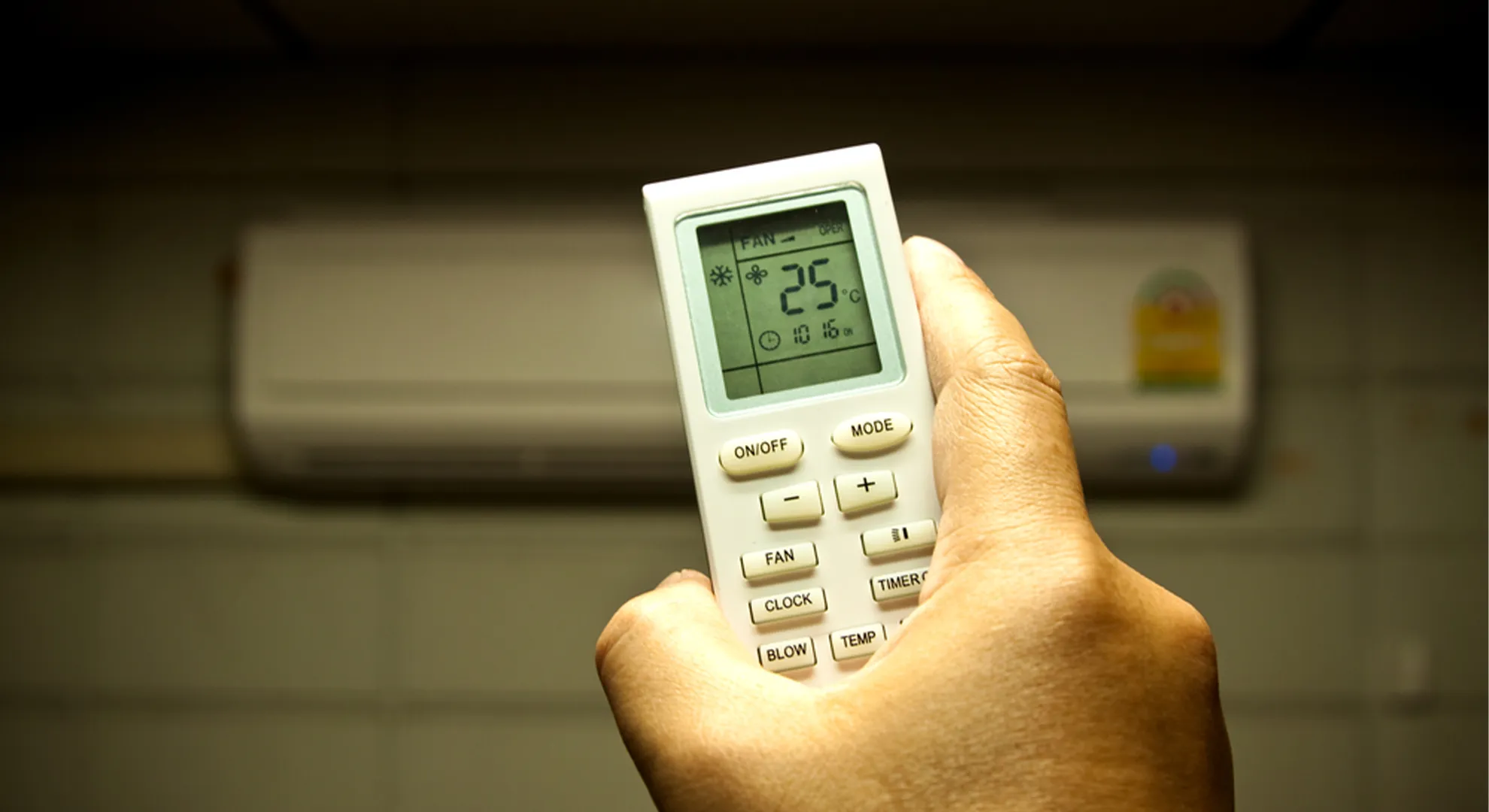
Recommended temperature settings also play a role in maintaining balance between comfort and efficiency. Many specialists suggest keeping indoor temperatures within a moderate range, typically between 26°C and 28°C, and using fan or automatic modes where possible. These settings help reduce strain on the system while maintaining consistent airflow and humidity control.
As temperatures continue to rise across the UAE during the summer months, experts stress that air conditioning maintenance should be viewed as more than just a matter of comfort. Clean and well-maintained systems contribute directly to healthier indoor environments by reducing the risk of dust circulation, moisture accumulation, and related air quality issues.
Ultimately, specialists highlight that regular servicing, early detection of issues, and responsible usage habits can work together to ensure that cooling systems remain efficient and safe. In a climate where air conditioning is essential for daily life, maintaining these systems properly plays an important role not only in comfort but also in supporting overall indoor wellbeing.