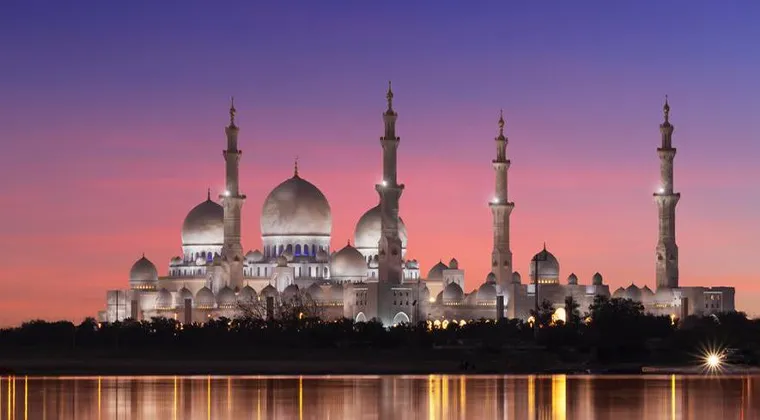
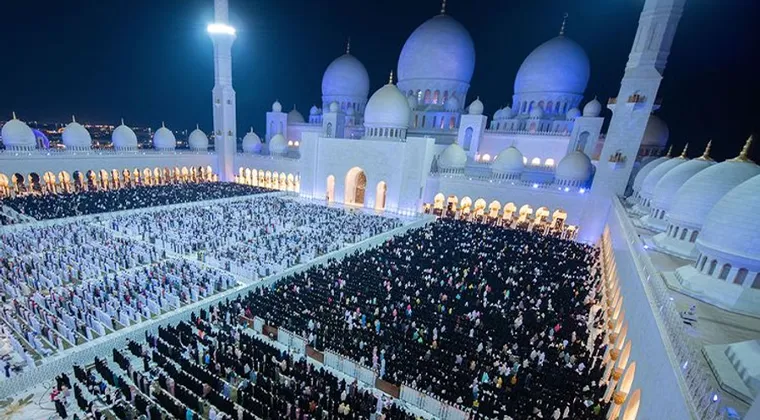
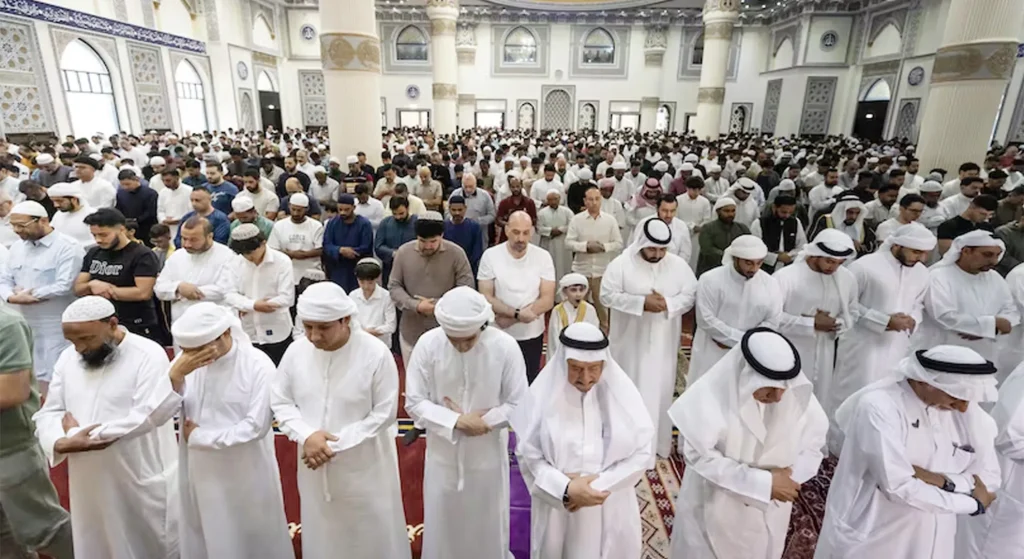
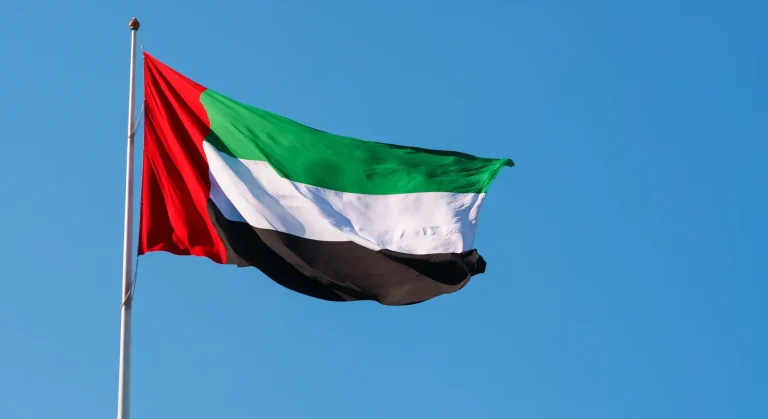
Watch: Large numbers of worshippers gathered at mosques across the UAE for Eid Al Adha prayers, where they prayed for harmony, peace, and unity among communities around the world.
Watch: Massive crowds attend Eid Al Adha prayers at UAE mosques, offering prayers for peace and unity.
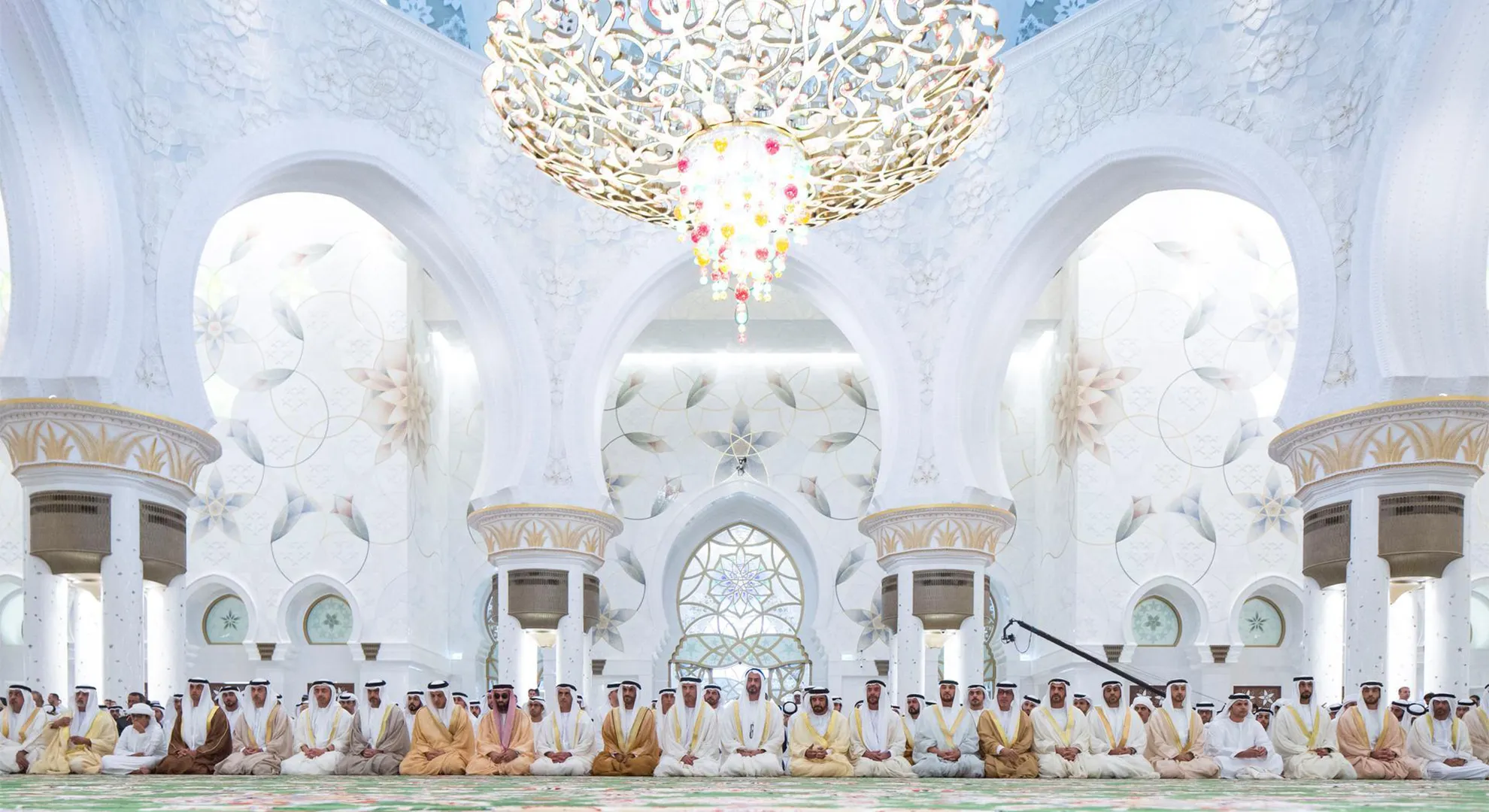
As dawn approaches on the morning of Eid Al Adha, a sense of anticipation gradually spreads across cities and neighbourhoods throughout the United Arab Emirates. The day begins long before the sun rises, with streets slowly coming alive as families prepare to take part in one of the most significant religious occasions in the Islamic calendar. The atmosphere is calm yet purposeful, as people ready themselves for the special congregational prayers that mark the beginning of the celebration.
In the early hours, roads in cities such as Dubai begin to see a steady flow of movement. Cars and pedestrians make their way toward mosques and designated open-air prayer grounds, reflecting a shared sense of devotion and unity. The usual noise of daily life is replaced by a quieter, more respectful rhythm as people head out together, often in family groups, to participate in the Eid prayers. There is a noticeable feeling of togetherness in the air, as individuals from different backgrounds converge with a common spiritual purpose.
By the time the first light of morning appears, the call to prayer resonates across the city, breaking through the stillness of the early hours. In Dubai, this call signals the formal start of Eid prayers and serves as a reminder for worshippers to gather. Men, women, and children begin walking toward nearby mosques, many dressed in their finest traditional clothing prepared especially for the occasion. The garments are often newly pressed, reflecting the importance of the festival and the desire to appear in a state of respect and celebration.
Children can be seen walking alongside their parents, some holding hands tightly as they navigate the early morning crowds. Their expressions often reflect a mix of sleepiness and excitement, as Eid is a particularly joyful occasion for younger members of the community. For many of them, it is a time associated with gifts, gatherings, and festive meals, but it begins with this shared moment of prayer and reflection.
As worshippers arrive at their designated prayer locations, whether inside mosques or in open-air courtyards, they find that spaces are already filling rapidly. Prayer halls, courtyards, and surrounding outdoor areas become increasingly crowded within a short period of time. People begin to organize themselves into neat rows, following the traditional structure of congregational prayer. Despite the growing numbers, there is a sense of order and calmness, as everyone prepares for the collective act of worship.
Similar scenes are observed across other emirates, including Abu Dhabi, Sharjah, and various smaller towns and communities throughout the country. The uniformity of these gatherings highlights the shared cultural and religious significance of the occasion. Regardless of location, the experience remains strikingly similar: people coming together early in the morning, setting aside their daily routines, and focusing on prayer and reflection.
One of the most notable aspects of the gathering is the sense of community that becomes evident even before the prayers begin. Neighbours greet each other warmly, often exchanging smiles and handshakes as they meet after weeks or even months apart. In many cases, Eid provides an opportunity for reconnection, especially in busy urban environments where daily schedules can make social interaction limited.
Throughout the gathering, familiar faces are spotted within the crowd, reinforcing a sense of belonging and continuity. Conversations remain brief and respectful as worshippers prepare for the start of the prayer, but the atmosphere is filled with warmth and mutual recognition. The traditional greeting “Eid Mubarak” is exchanged repeatedly, carrying wishes of blessings and happiness. These greetings often begin even before the formal prayers commence, reflecting the joyful spirit associated with the day.
As the prayer time approaches, the environment becomes more focused and serene. Conversations gradually quiet down, and worshippers align themselves in rows, facing the same direction in preparation for the congregational prayer. The collective silence that follows is not one of emptiness but of reflection and spiritual concentration, as thousands of individuals prepare to perform the Eid prayer together.
The significance of this moment lies not only in its religious importance but also in its ability to bring people together in a shared expression of faith. Across the UAE, from large city mosques to smaller community prayer grounds, the same pattern unfolds. The gathering of worshippers symbolizes unity, devotion, and the strength of communal bonds.
Once the prayer begins, the earlier movement and conversations give way to a structured and synchronized act of worship. The sense of collective participation is deeply felt, as people bow and stand together in unison. The experience reinforces the values of discipline, humility, and gratitude that are central to the occasion of Eid Al Adha.
After the completion of the prayer, the atmosphere once again shifts, this time toward celebration and social interaction. Families begin to exchange greetings more freely, and the sense of joy becomes more visible. The morning prayer thus marks the beginning of a day filled with gatherings, meals, and acts of generosity, all rooted in the spirit of Eid.
Overall, the early morning scenes across the UAE reflect a powerful combination of faith, community, and tradition. From the quiet movement toward mosques before sunrise to the warm exchanges among worshippers, every part of the experience contributes to a shared sense of unity and celebration that defines Eid Al Adha in the region.
Residents exchange hugs and prayers
Small gestures of warmth marked the moments just before the congregation settled into prayer. People exchanged brief embraces, gentle nods, and soft smiles as they arrived and found their places among the growing crowd. There was a sense of quiet anticipation in the air, as worshippers gradually arranged themselves in rows, standing closely side by side. Despite the increasing number of people, there was no sense of disorder—only a calm, shared understanding of what was about to begin.
As the call to prayer fully transitioned into the formal start of the Eid prayer, the entire atmosphere changed noticeably. The subtle movement and soft conversations came to an immediate halt. Phones that had been used for navigation or communication were tucked away, screens turned off or slipped into pockets and bags. The outside world, with all its distractions and demands, seemed to fade into the background almost instantly. What remained was a deep sense of focus and stillness.
In those moments, the usual rhythm of daily life felt distant and disconnected from the space inside the mosque and prayer grounds. Thousands of individuals stood in unison, aligned in rows that stretched across halls and courtyards. The diversity within the gathering was striking—people from different nationalities, professions, and cultural backgrounds all standing together without distinction. The only thing that defined them in that moment was their shared act of worship.
There was a powerful sense of equality embedded in the scene. No one stood above or apart from another; everyone participated in the same movements, the same silence, and the same spiritual reflection. This unity created a collective calmness that seemed to settle over the entire gathering. It was not loud or expressive, but deeply present, felt in the stillness and concentration of those assembled.
Inside the mosque, the environment carried a unique emotional tone. It was quiet, but not empty; peaceful, yet filled with meaning. The sense of warmth came not from physical surroundings, but from the shared experience of being together in prayer. People stood shoulder to shoulder, sometimes so closely that their presence was felt more than seen. In that closeness, there was a reminder of community, connection, and shared purpose.
As the prayer progressed, movements became synchronized, reinforcing the feeling of unity among worshippers. The collective rhythm of standing, bowing, and prostrating created a shared spiritual experience that transcended language or nationality. Each individual was engaged in their own personal connection, yet part of a much larger collective moment. This duality—individual devotion within a communal setting—gave the prayer its deeper significance.
When the prayer eventually concluded, there was a gradual return of movement and sound, but the mood remained calm and reflective. People did not rush to leave immediately. Instead, many lingered in place for a few moments, absorbing the quiet after the intensity of focus. Some remained seated, while others slowly rose, exchanging soft greetings with those nearby.
Outside the mosque, the environment began to transform from silence into gentle activity. Worshippers gathered in small groups, often recognizing familiar faces they had not seen in some time. Conversations resumed, this time more relaxed and open, carrying a sense of joy and relief. People checked their phones, not for urgency, but to reconnect with family members, send greetings, or make video calls to loved ones living in different countries.
Plans for the rest of the day began to take shape in these informal gatherings. Families discussed where they would meet for lunch, which relatives they would visit, and how the rest of the Eid celebrations would unfold. The transition from prayer to celebration felt natural, as if the spiritual focus of the morning seamlessly extended into the social and familial aspects of the day.
Children, full of energy after the early morning prayer, quickly became a lively presence in the open spaces outside mosques. They moved between groups of adults, exchanging cheerful Eid greetings and receiving blessings in return. Some ran ahead excitedly, while others stayed close to their families, holding onto the joy of the occasion. Their enthusiasm added a sense of vibrancy to the morning scene.
Elderly residents and long-time community members often took their time, greeting one another with warm embraces and extended conversations. These interactions frequently included wishes for health, peace, and continued well-being. For many, Eid served as an important opportunity to reconnect with friends and acquaintances, reinforcing social bonds that may have grown distant during busy routines.
Across residential neighbourhoods and community spaces, the atmosphere gradually shifted from early morning quiet to a more animated and festive tone. The stillness that had defined the hours before sunrise slowly gave way to sounds of conversation, laughter, and movement. The contrast between the silence of prayer and the liveliness of the post-prayer gathering highlighted the full emotional arc of the day.
For many participants, the significance of Eid does not end with the prayer itself. While the prayer represents the spiritual foundation of the day, it is the time that follows which often leaves a lasting impression. Standing outside the mosque, surrounded by family, friends, and even strangers, creates a sense of belonging that extends beyond formal worship.
These moments of informal interaction—sharing greetings, making plans, offering smiles, and exchanging goodwill—become just as meaningful as the prayer itself. They reflect the human side of the celebration, where faith naturally flows into community life. In these exchanges, the essence of Eid becomes more tangible: a blend of devotion, gratitude, and connection.
As the morning continues, people gradually disperse, heading toward homes, restaurants, or gathering places where the rest of the day’s celebrations will unfold. Yet the feeling created during those early hours remains present. The sense of unity experienced in prayer and the warmth of post-prayer interactions carry forward into the rest of the day.
Ultimately, the Eid morning experience becomes more than a religious observance. It turns into a shared memory formed through collective worship, social connection, and emotional renewal. From the first quiet greetings before prayer to the lively conversations afterward, every part of the morning contributes to a deeper sense of community and belonging that defines the spirit of the occasion.