
With the assessment period getting underway, CBSE schools across the UAE are increasing academic support through intensive revision classes, personalised mentoring sessions, and structured preparation programmes to help students perform confidently in exams.
UAE CBSE institutions boost mentoring and exam preparation as testing season startsAs assessments begin, CBSE schools in the UAE strengthen revision plans and guidance programmes.
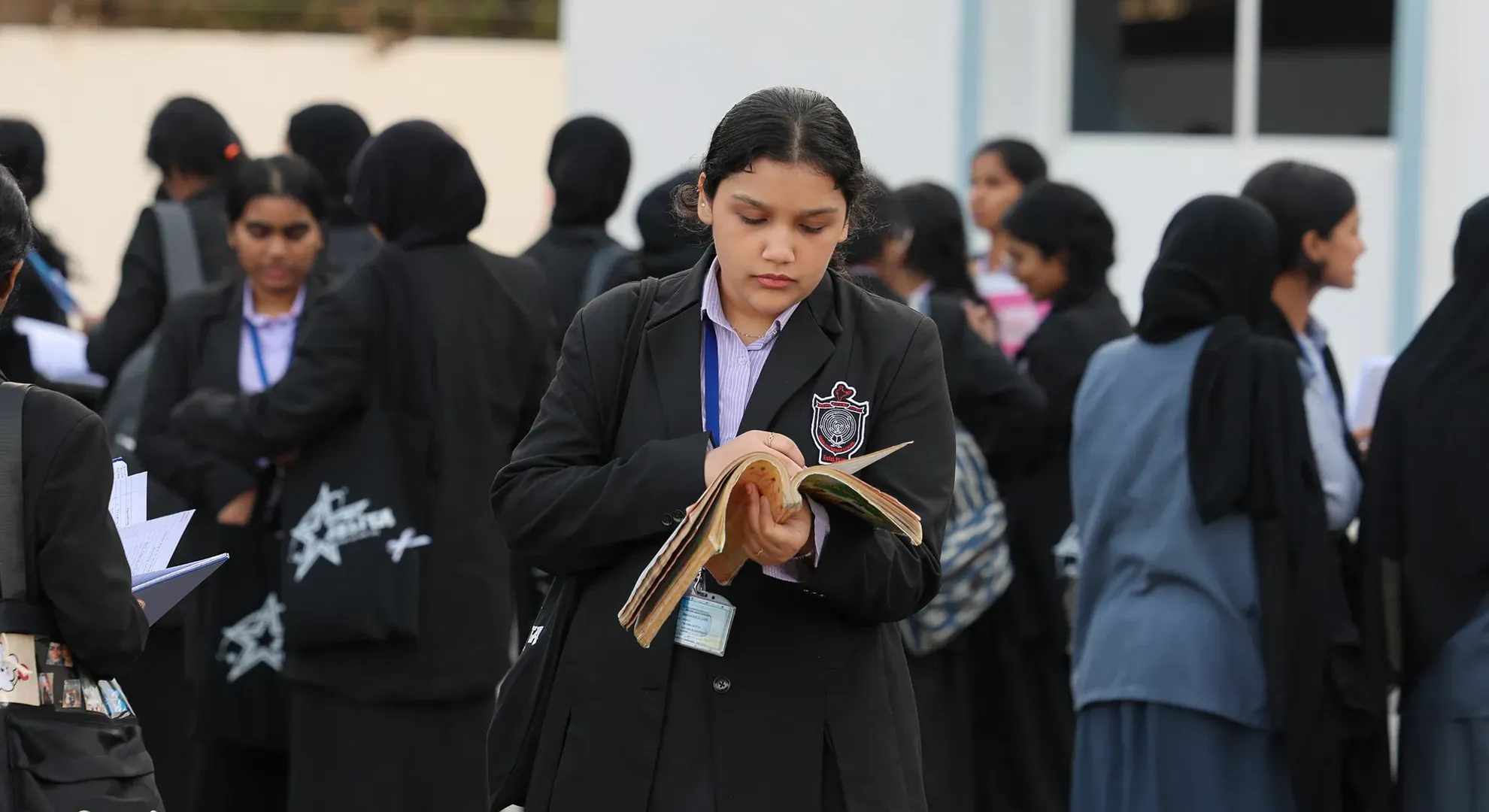
As the first major assessment cycle of the academic year draws closer, CBSE schools across the UAE are intensifying efforts to help students prepare effectively for upcoming examinations. Educational institutions are introducing comprehensive revision programmes, personalised mentoring initiatives, and focused academic support sessions aimed at strengthening student confidence and improving overall performance before exams begin.
School leaders say preparations have been carefully organised to ensure students remain academically prepared despite the challenges experienced during periods of alternating online and in-person learning over recent months. According to administrators, early planning and flexible teaching strategies played a major role in helping schools maintain smooth curriculum delivery without significant disruption.
Many schools have increased revision hours and arranged additional doubt-clearing sessions to give students more opportunities to review important topics before examinations commence after the Eid Al Adha holidays. Teachers are also conducting one-on-one mentoring and small-group discussions to identify learning gaps and provide tailored support based on individual student needs.
Education providers across the Emirates explained that technology has continued to play an important role in maintaining consistency in learning. Schools relied heavily on digital platforms, recorded lessons, online assignments, and interactive learning tools to ensure students could continue progressing academically regardless of whether classes were held physically or virtually. Administrators noted that these systems allowed teachers to closely monitor student participation, homework completion, and overall understanding of subjects throughout the term.
Several school principals highlighted that continuous communication with parents also contributed significantly to keeping students motivated and disciplined during the academic year. Schools maintained regular contact with families through meetings, progress updates, and digital communication platforms to ensure parents remained actively involved in their children’s studies. This close partnership between educators and families helped students stay focused and better manage their academic responsibilities ahead of assessments.
In addition to academic preparation, schools are also placing emphasis on student wellbeing during the examination period. Counselling teams and mentors are encouraging students to maintain balanced routines, manage stress effectively, and approach examinations with confidence rather than anxiety. Some institutions have introduced motivational workshops and time-management sessions to help students organise study schedules more efficiently.
Teachers say they are focusing not only on syllabus completion but also on strengthening conceptual understanding and exam-writing techniques. Mock tests, sample paper practice, and timed revision exercises are being conducted to familiarise students with examination patterns and improve their confidence before the official assessments begin.
Administrators stressed that despite adjustments between online and classroom learning environments, schools have successfully managed to remain aligned with academic timelines and curriculum goals. Careful scheduling, blended learning methods, and continuous teacher support enabled institutions to minimise learning disruptions and maintain steady academic progress throughout the year.
Parents have also expressed appreciation for the additional guidance and structured support provided by schools during the lead-up to assessments. Many acknowledged that regular teacher feedback and digital learning systems helped students remain engaged and accountable even during remote learning phases.
Education experts believe the combination of targeted revision, personalised mentoring, parental involvement, and technology-supported learning has created a more organised and supportive academic environment for students preparing for examinations. Schools say the overall objective is not only to achieve strong academic results but also to ensure students feel mentally prepared and confident when entering examination halls.
With assessment season approaching rapidly, CBSE schools throughout the UAE continue to strengthen preparation efforts through coordinated planning and student-focused initiatives. Administrators remain optimistic that the strategies implemented over recent months will help students perform successfully while adapting smoothly to the demands of the new academic year.
Several schools have launched focused revision sessions and assessment-based support programmes to address students’ weak areas. At the same time, educators are giving increased attention to emotional well-being and stress management as students prepare for examinations following months of academic adjustments and uncertainty.
Dr Sheeba Jojo, Principal of GEMS Our Own English High School, said the institution is preparing to conduct in-person examinations for students across all grades between June 4 and June 15. She explained that the assessments will follow the CBSE examination format and will be held using the traditional pen-and-paper method.
According to Dr Jojo, the academic year for board students began in March 2026, which helped the school maintain consistent progress in syllabus completion and exam preparation despite earlier operational adjustments. She stated that careful planning and strong academic systems ensured uninterrupted learning throughout the term.
After students resumed classroom learning, the school also arranged extra academic sessions to help reinforce concepts and strengthen preparation. To further support students before exams, a special revision period has been organised, giving learners additional time to revisit important topics and clarify doubts.
The school is also offering mentoring programmes for students who require extra academic guidance. In addition, emotional well-being remains a key priority, with personalised support plans introduced for students facing stress or anxiety related to examinations. Dr Jojo emphasised that the institution is equally committed to academic excellence and the overall mental well-being of its students.
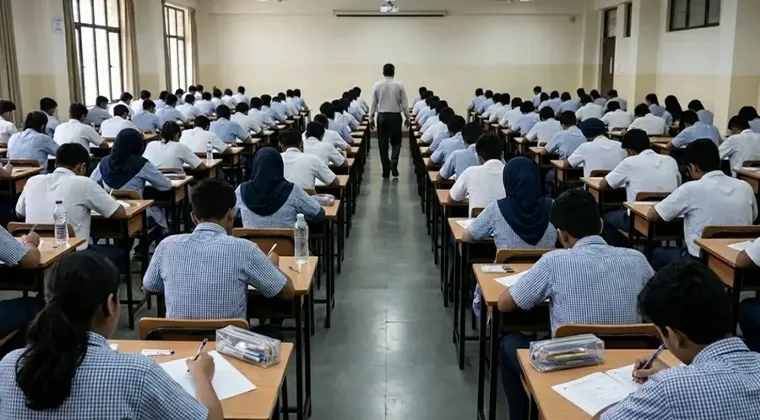

Schools rely on digital tools, continuous assessments
Several CBSE-affiliated schools across the UAE have highlighted that a steady focus on continuous evaluation, structured academic tracking, and targeted intervention strategies has played a key role in reducing learning gaps among students and ensuring they are better prepared for upcoming assessments.
At Cosmopolitan International Indian School, Principal Muhammad Al said the institution has already mapped out its assessment schedule for the academic term, with the first Periodic Test 1 (PT1) set to begin in the second week of June. He explained that the school has remained firmly aligned with its planned academic calendar and has implemented its curriculum delivery and teaching strategies strictly according to its pre-decided annual academic framework.
He further noted that regular analysis of student performance remains an essential part of the school’s academic system. After each assessment, teachers carry out a detailed review of results to identify areas where students may be struggling. This process, often referred to as gap analysis, allows educators to pinpoint specific weaknesses in understanding and take corrective action promptly. Based on these findings, remedial teaching sessions are organised to provide additional support and help students strengthen their grasp of difficult topics before moving forward in the syllabus.
Similarly, Credence High School has reported positive outcomes from its blended approach to learning, which combines the use of digital education tools with traditional classroom teaching and consistent parental engagement. School leaders say this integrated system has helped students remain confident and well-prepared as examination periods approach.
Deepika Thapar Singh, Chief Executive Officer and Principal of Credence High School, said the institution is moving ahead smoothly with its academic calendar. She confirmed that the first major formal evaluation, known as Periodic Review 1, will take place shortly after the Eid break. According to her, students have been adequately prepared through structured teaching plans and regular academic monitoring.
Singh explained that teachers at the school have been conducting both pre-assessments and post-assessments for each chapter taught in class. This approach allows educators to evaluate student understanding before and after instruction, ensuring that any gaps in learning are quickly identified and addressed. She said this system helps teachers adapt their methods and provide immediate academic support whenever required.
In addition to classroom-based teaching, Credence High School has also made extensive use of digital learning platforms such as Google Classroom and Google Meet. These tools have enabled students to access study materials, attend sessions, submit assignments, and revisit recorded lessons whenever necessary. According to Singh, this digital integration has ensured continuity in learning and has made academic resources easily accessible to students both inside and outside school hours.
She also emphasised the importance of parental involvement in the overall learning process. Parents, she said, have played a crucial role in reinforcing study habits at home, monitoring daily routines, and ensuring that students complete their assignments on time. This consistent support system has helped maintain discipline and academic focus among learners, especially during intensive assessment periods.
Singh described the overall academic environment as a collaborative effort between teachers, students, and parents. She noted that this combined approach has contributed significantly to reducing stress and improving academic readiness among students. By balancing technology-driven instruction, continuous teacher feedback, and active family participation, the school has been able to maintain steady progress throughout the academic year.
Across UAE schools following the CBSE curriculum, educators continue to stress the importance of early identification of learning gaps and timely intervention. Many institutions have adopted structured testing cycles, regular revision plans, and data-based performance tracking systems to ensure that students remain on track academically.
Teachers say that these methods not only help improve examination outcomes but also strengthen conceptual understanding in the long term. By consistently reviewing student progress and adapting teaching strategies accordingly, schools are able to offer more personalised academic support.
Overall, school leaders believe that the combination of continuous assessments, targeted remedial sessions, digital learning tools, and strong parental engagement has created a more stable and effective learning environment. As examination periods approach, educators remain confident that these systems will help students perform with greater confidence and clarity while also ensuring that any remaining learning gaps are addressed in time.