A newly approved treatment for dry eye disease has arrived in the UAE as health experts report increasing eye problems linked to long hours spent using digital screens and electronic devices.
New dry eye treatment approved in the UAE amid rising concerns over excessive screen exposure.
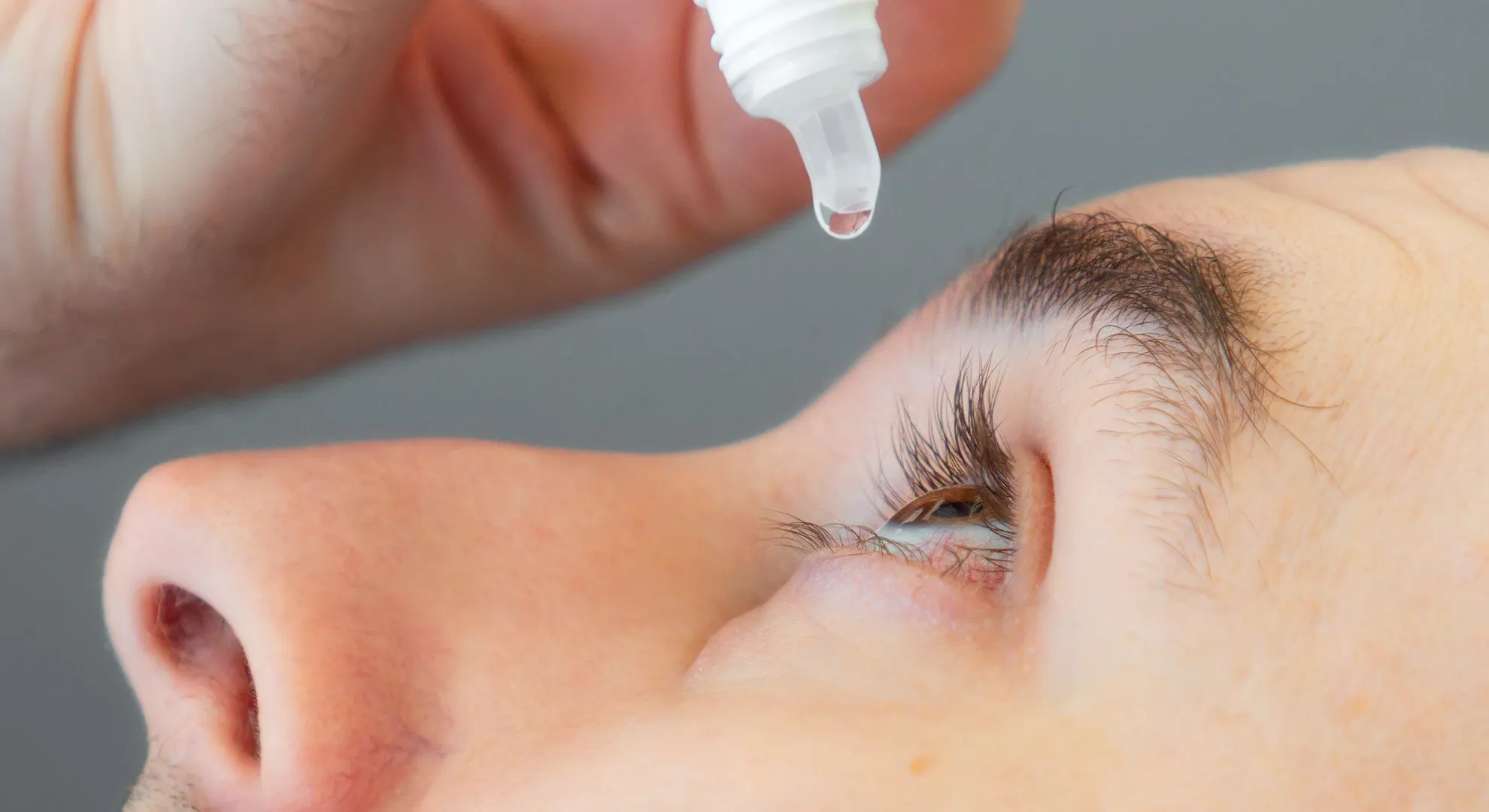
Dry eye disease is a widespread eye condition that can lead to symptoms such as irritation, burning sensations, blurry vision, redness, and ongoing discomfort, often affecting daily activities and overall visual comfort. The condition impacts millions of people globally and has become increasingly common due to factors such as prolonged screen exposure, environmental conditions, and aging.
The UAE has now become the third country to authorise the use of Miebo after receiving approval from the Emirates Drug Establishment. The newly approved treatment was developed by Bausch + Lomb and is specifically intended to manage the signs and symptoms linked to dry eye disease.
Unlike traditional treatments, Miebo is designed to address tear evaporation, which is considered one of the major underlying causes of the condition. The medication contains an active ingredient known as perfluorohexyloctane, making it the first prescription eye drop developed with a direct focus on stabilising the tear film and reducing moisture loss from the eye’s surface.
According to the manufacturer, the treatment helps improve eye lubrication and provides relief from discomfort associated with dryness and irritation. By targeting the root cause rather than only temporary symptoms, the medication is expected to offer patients longer-lasting comfort and improved eye health, especially for those who struggle with persistent dry eye problems.
The approval of Miebo in the UAE came after encouraging results from two major clinical studies known as GOBI and MOJAVE. These trials involved more than 1,200 participants suffering from dry eye disease and were conducted to evaluate both the safety and effectiveness of the treatment. According to the findings, patients who used the medication experienced noticeable improvements in several symptoms associated with the condition during the treatment period. Researchers also reported measurable progress in clinical indicators related to eye surface health and tear stability, demonstrating that the medication was able to address both the visible signs and the discomfort caused by the disease.
The successful trial outcomes played an important role in securing approval from the Emirates Drug Establishment, making the UAE one of only a few countries worldwide to authorize the use of this innovative treatment. The decision reflects the country’s broader efforts to expand access to advanced healthcare solutions and modern pharmaceutical technologies. Over recent years, the UAE has increasingly focused on strengthening its healthcare sector by encouraging the introduction of cutting-edge treatments and accelerating regulatory pathways for medications that address unmet medical needs.
Healthcare experts say the approval highlights the UAE’s ambition to position itself as a regional hub for medical innovation and patient care. By allowing access to newer therapies at an earlier stage, authorities aim to improve treatment options for residents while supporting higher standards of healthcare delivery across the country. The introduction of Miebo is viewed as part of a wider movement toward adopting specialised therapies that target the root causes of chronic conditions rather than simply managing symptoms temporarily.
Dry eye disease itself is considered one of the most common eye-related conditions globally, affecting millions of people of different age groups. Although often perceived as a minor irritation, specialists note that the condition can significantly impact a person’s quality of life when left untreated. Individuals with dry eye disease frequently experience symptoms such as burning sensations, itching, redness, blurred vision, sensitivity to light, and the feeling of having something constantly present in the eye. In more severe cases, the condition can interfere with reading, driving, using digital devices, and even carrying out routine daily activities comfortably.
One of the major factors contributing to the growing prevalence of dry eye disease is the increasing amount of time people spend looking at digital screens. Experts explain that when individuals focus on phones, computers, tablets, or televisions for long periods, they tend to blink less frequently. Reduced blinking affects the distribution of tears across the eye surface, which can lead to faster evaporation and dryness. As modern lifestyles become increasingly dependent on digital technology, eye specialists are reporting a steady rise in patients experiencing symptoms linked to screen-related eye strain and dryness.
Environmental conditions also play a major role in worsening the problem. In countries with hot climates such as the UAE, constant exposure to air-conditioned indoor spaces can contribute to moisture loss from the eyes. Air conditioning systems often reduce humidity levels indoors, creating conditions that accelerate tear evaporation. Combined with long office hours, screen-heavy work routines, and exposure to dry environments, this has made dry eye disease especially common among working professionals and students.
Medical professionals also note that age, hormonal changes, certain medications, and existing health conditions can increase the risk of developing dry eye disease. Women, particularly after menopause, are often considered more vulnerable due to hormonal factors that affect tear production. In addition, people who wear contact lenses regularly may also experience greater irritation or dryness over time.
Traditional treatments for dry eye disease have generally focused on artificial tears and lubricating eye drops designed to provide temporary moisture and relief. However, many patients continue to experience recurring symptoms because these approaches do not always address the underlying cause of tear evaporation. This is one reason why the approval of Miebo has attracted attention within the medical community. Unlike standard lubricating drops, the medication was specifically designed to target excessive tear evaporation, which specialists consider one of the leading contributors to dry eye disease.
The active ingredient in the treatment, perfluorohexyloctane, works differently from conventional water-based eye drops. Instead of simply adding moisture, it helps create a protective layer that stabilises the tear film and reduces evaporation from the eye surface. According to experts, this mechanism may allow patients to experience longer-lasting comfort and improved eye hydration throughout the day.
Doctors believe the arrival of such treatments could benefit individuals who struggle with chronic or persistent symptoms despite using conventional therapies. As awareness of dry eye disease continues to grow, healthcare providers are encouraging people not to ignore recurring irritation or visual discomfort, especially if symptoms interfere with everyday life or productivity.
The approval also reflects the increasing emphasis on preventative eye care and early intervention. Specialists warn that untreated dry eye disease can sometimes lead to complications involving inflammation or damage to the eye surface over time. By expanding access to more advanced therapies, healthcare authorities hope to improve patient outcomes and reduce the long-term burden associated with chronic eye conditions.
Overall, the UAE’s decision to approve Miebo signals a significant step forward in the management of dry eye disease. It not only provides patients with access to a new treatment option but also reinforces the country’s commitment to modernising healthcare services and introducing innovative medical solutions that address evolving lifestyle-related health challenges.