At Dubai airport, officials stopped a traveller after discovering dead rare bears hidden inside their luggage, leading to the passenger being intercepted during routine customs inspection procedures.
Dubai airport authorities intercept passenger carrying concealed dead rare bears in suitcase.
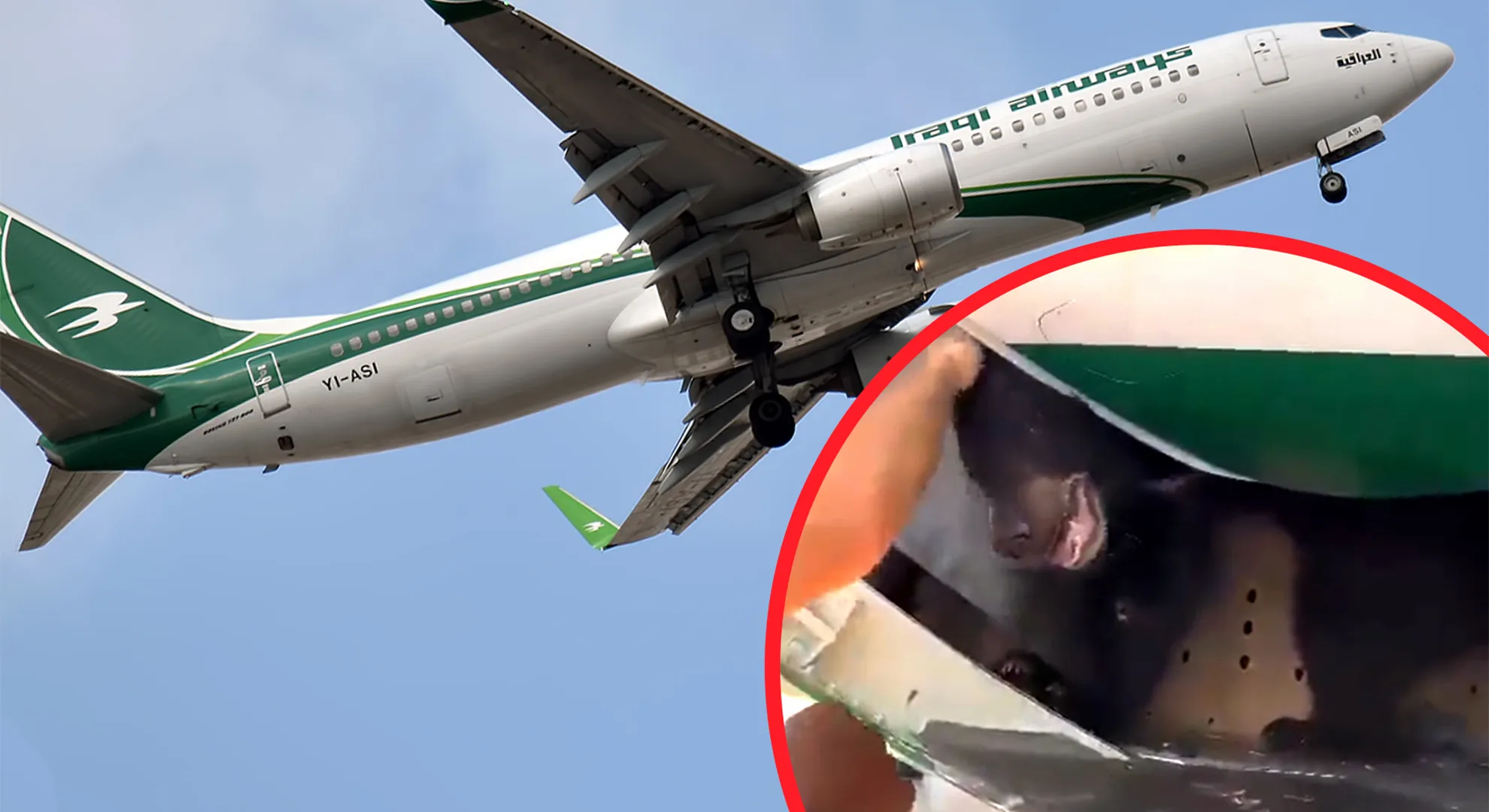
Authorities in Dubai have successfully disrupted an attempt to illegally transport rare and endangered bears through Dubai International Airport, following a routine inspection that led to the discovery of concealed wildlife inside a passenger’s baggage. Officials from Dubai Customs confirmed that the interception was part of ongoing efforts to prevent smuggling activities and protect endangered species from illegal cross-border trade.
According to the official statement, the case came to light when an arriving passenger from Asia was selected for secondary screening after standard inspection systems flagged irregularities in the contents of her luggage. Airport security technology identified unusual shapes and materials inside the suitcase, prompting customs officers to conduct a more thorough manual examination.
Upon opening the luggage, inspection teams discovered a hidden compartment containing a basket in which the rare animals had been concealed. Authorities said the animals were already dead at the time of discovery and were being transported in violation of international wildlife protection regulations. The concealment method suggested deliberate attempts to avoid detection by airport screening systems.
Following the discovery, the passenger was taken in for questioning by customs officials. During the investigation, she reportedly stated that she had received the suitcase from another individual and was instructed to transport it in exchange for a fee. She also claimed that she was unaware of the exact contents of the luggage and was expecting to be contacted upon arrival in order to hand over the bag to a third party.
Officials said this explanation pointed to a broader smuggling tactic often used by criminal networks, where unsuspecting individuals are recruited as couriers. In such schemes, travellers may be asked to carry luggage or packages without being informed of their illegal contents, reducing the risk for the actual organisers of the operation while shifting responsibility to intermediaries.
Customs authorities described this method as a recurring strategy in illicit trade operations, particularly in cases involving restricted wildlife, controlled goods, or other prohibited items. By using individuals who may not be fully aware of the contents they are transporting, smuggling networks attempt to bypass security checks and complicate enforcement efforts at international borders.
Dubai Customs emphasised that the successful interception demonstrates the effectiveness of advanced screening technologies combined with trained inspection personnel. Officials noted that airport security systems are continuously updated to identify suspicious luggage patterns, irregular packing methods, and concealed compartments that may indicate illegal activity.
The authority also reiterated its commitment to protecting endangered species and preventing wildlife trafficking through UAE entry points. Wildlife smuggling is considered a serious offence under international conventions, as well as local laws, due to its impact on biodiversity and global conservation efforts. Authorities said they work closely with international partners to monitor and prevent such attempts.
Officials further explained that modern smuggling operations are becoming increasingly sophisticated, often involving layered concealment techniques designed to evade detection. However, they stressed that continuous training, intelligence sharing, and technological upgrades have significantly strengthened the ability of border agencies to identify and stop such attempts.
The incident has also highlighted the risks faced by ordinary travellers who may be unknowingly drawn into illegal activities. Authorities warned that individuals should exercise caution when accepting luggage or packages from unknown sources, especially when travelling internationally. Even unintentional involvement in smuggling can lead to serious legal consequences, including arrest, fines, and prosecution.
Security experts noted that international airports like Dubai International Airport operate under strict inspection protocols designed to detect a wide range of prohibited items, including narcotics, weapons, counterfeit goods, and endangered wildlife products. These systems combine X-ray scanning, behavioural analysis, and manual inspections to ensure comprehensive security coverage.
Officials added that the detection of the concealed animals reflects the importance of layered security systems in identifying threats that may not be immediately visible during initial screening. In many cases, anomalies detected by scanning equipment prompt secondary inspections, which often lead to the discovery of hidden contraband.
Authorities have reiterated that the UAE maintains a zero-tolerance policy toward wildlife trafficking and other forms of smuggling. They stressed that such activities not only violate national laws but also contribute to global environmental harm, particularly when endangered species are involved.
The case is now under further investigation to determine the origin of the shipment, the intended recipients, and any potential networks involved in orchestrating the attempt. Officials are working to trace communication links and financial transactions related to the case in order to identify additional suspects.
In recent years, Dubai has strengthened its enforcement framework to combat illegal wildlife trade, including enhanced collaboration with international conservation organisations and customs agencies. These efforts are part of broader initiatives to position the UAE as a key hub for lawful trade while preventing its misuse for illicit activities.
Authorities concluded by reaffirming their commitment to safeguarding borders and ensuring that all passengers and cargo entering the country comply with international regulations. They also urged the public to remain vigilant and report any suspicious activity that could be linked to smuggling operations.
A duty veterinarian was called to the inspection site shortly after the discovery was made at Dubai International Airport to assess the condition of the animals recovered from the passenger’s luggage. After a careful examination, the veterinarian confirmed that the bears were already deceased at the time they were found. In addition to verifying their condition, the specialist also identified the species and established that the animals belonged to a rare and endangered category protected under strict international conservation frameworks.
Officials highlighted that the classification of these animals places them under globally recognised environmental protection rules designed to regulate and restrict the trade of vulnerable wildlife species. Their identification as endangered underscores the seriousness of the incident, as international regulations aim to prevent exploitation, illegal transport, and commercial trafficking of such animals across borders.
Authorities involved in the case believe the incident is consistent with a wider pattern seen in transnational smuggling operations, where unsuspecting travellers are sometimes recruited or manipulated into carrying restricted goods without full knowledge of what they are transporting. This method is often used by organised networks to reduce their own exposure to legal consequences while shifting responsibility to individuals who may not be aware of the illegal nature of the cargo.
Khalid Ahmed, who serves as Director of Passenger Operations at Dubai Customs, stated that the interception reflects the strong preparedness and vigilance of inspection teams operating at the airport. He noted that customs officers are trained to identify irregularities in luggage and cargo, even when items are carefully concealed or appear unremarkable during initial screening.
He explained that the success of such operations depends heavily on the integration of advanced scanning systems with human expertise. Modern imaging technology allows officers to detect inconsistencies in density, shape, and packing structures within baggage, while experienced personnel are able to interpret these findings and decide when further inspection is required. According to him, this combination of technology and skilled oversight significantly enhances the ability to detect sophisticated smuggling attempts.
Officials also emphasised that the intercepted animals fall under the protection of the Convention on International Trade in Endangered Species of Wild Fauna and Flora, commonly known as CITES. This international agreement regulates the movement of endangered plants and animals across borders and aims to ensure that global trade does not threaten their survival. Species listed under this convention are subject to strict controls, and any unauthorised transport or trade is considered a serious violation of international law.
Authorities reiterated that cases involving CITES-protected species are treated with the highest level of seriousness due to their environmental and ecological implications. They pointed out that illegal wildlife trade contributes to biodiversity loss and undermines global conservation efforts, making enforcement a key priority for customs and environmental agencies.
In light of the incident, officials have once again cautioned travellers against accepting luggage, parcels, or items from unknown individuals, especially when travelling internationally. They warned that even if a person is unaware of the contents of the items they are carrying, they may still be held legally accountable if prohibited goods are discovered in their possession. This serves as an important reminder of the risks associated with acting as a courier for unfamiliar shipments.
They added that criminal networks often exploit trust, financial incentives, or misinformation to involve ordinary individuals in illegal operations. Once such individuals are caught, they may face legal proceedings, travel restrictions, and other serious consequences, even if they were not directly involved in planning the offence.
The case has now been formally handed over to legal authorities for further investigation and prosecution. The matter will be examined by the Environmental Crimes Unit under Dubai Police, which is responsible for handling offences related to wildlife protection and environmental violations.
Investigators are expected to carry out a detailed inquiry to determine the origin of the smuggled animals, identify the intended recipients, and uncover any broader network involved in the attempted trafficking. This may include tracing communication records, financial transactions, and logistical arrangements linked to the case.
Officials stressed that enforcement agencies in the UAE continue to work closely with international partners to combat wildlife trafficking and strengthen border security measures. These collaborations are part of ongoing efforts to prevent the country from being used as a transit point for illegal trade in endangered species.
They concluded by reaffirming their commitment to upholding environmental laws and ensuring strict compliance with international conservation standards. Authorities said that maintaining strong surveillance, rapid response capabilities, and coordinated investigations remains essential in preventing similar incidents in the future and protecting global biodiversity