Researchers are investigating a newly developed dental gel that could offer a potential way to repair weakened tooth enamel, raising hopes for future treatments that may help restore tooth protection and improve oral health without conventional dental procedures.
Scientists Explore Whether Innovative Dental Gel Could Restore Worn-Down Tooth Enamel
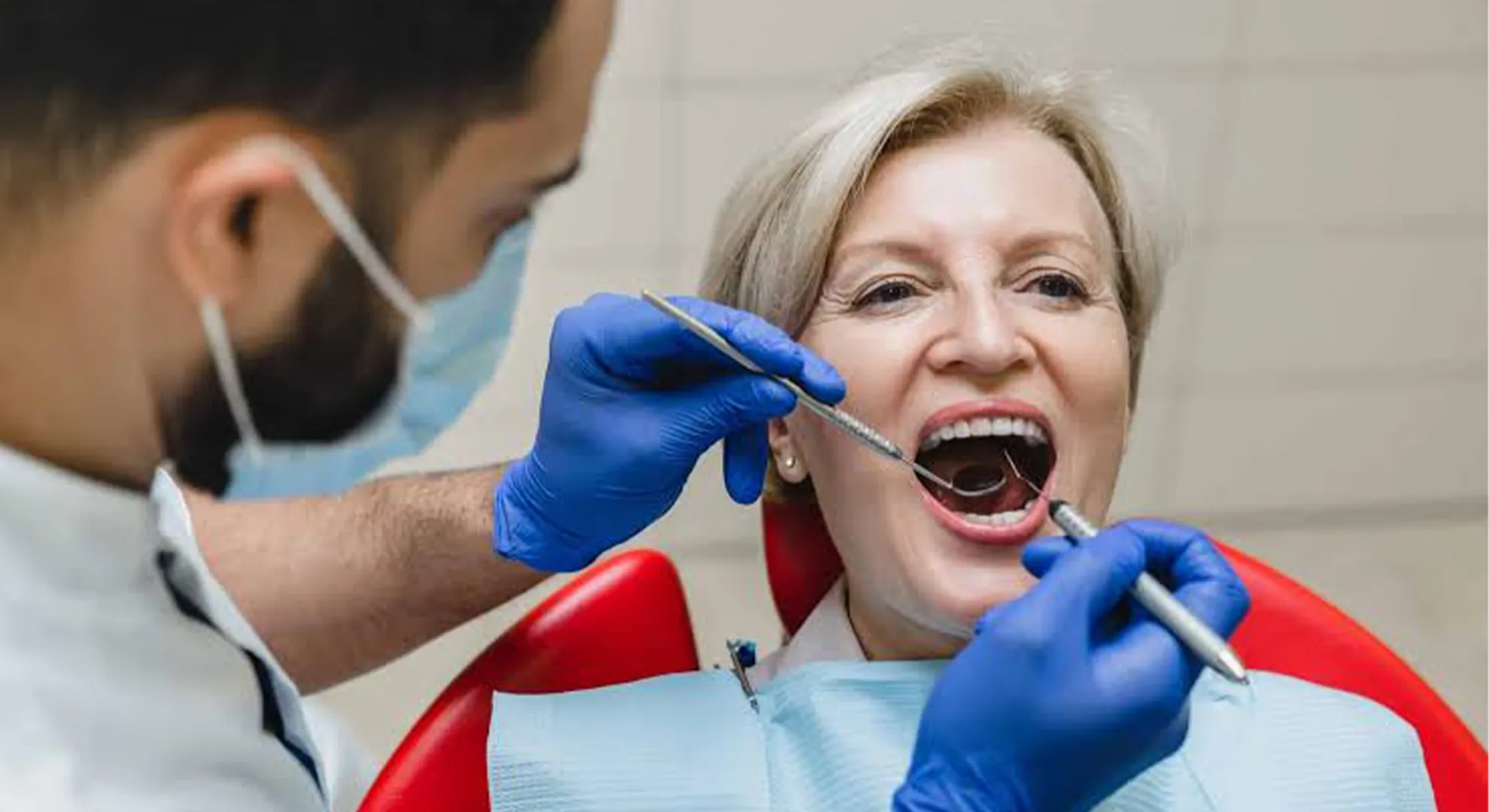
New Protein-Based Dental Gel Could Help Rebuild Damaged Tooth Enamel, Scientists Find
A new development in dental research could offer hope to people dealing with weakened tooth enamel, erosion and sensitivity. Scientists have created a specially formulated protein-based gel that may help restore minerals lost from the tooth surface, potentially opening the door to a different approach to repairing enamel damage.
The experimental material has been developed by researchers at the University of Nottingham in the United Kingdom. It works by using specially designed proteins to encourage the formation of minerals that make up the protective outer covering of teeth.
The research was published in the scientific journal Nature Communications in November 2025 and has recently drawn attention for its potential applications in dentistry.
Unlike conventional products that mainly focus on protecting teeth or reducing sensitivity, the new material is designed to encourage the growth of an enamel-like mineral layer that integrates with the existing tooth structure.
However, there is an important limitation. The research has so far demonstrated promising results in laboratory experiments, and further clinical studies involving people will be necessary before its effectiveness as a dental treatment can be established.
Why damaged tooth enamel cannot naturally grow back
Enamel is the hard, protective coating covering the visible part of each tooth. It acts as a barrier against everyday physical pressure, temperature changes and acids produced by bacteria in the mouth.
Despite being the hardest substance in the human body, enamel is not indestructible. Frequent exposure to acidic foods and drinks, poor oral hygiene, teeth grinding and other factors can gradually weaken or wear down this protective layer.
The biggest challenge is that tooth enamel cannot regenerate itself once significant damage has occurred.
Unlike bones, which contain living cells that continuously help repair and rebuild tissue, mature enamel does not have cells capable of producing new enamel after it has been lost.
The mouth does have some natural protective mechanisms. Saliva helps maintain mineral balance, while fluoride can support the replacement of minerals during the earliest stages of enamel weakening.
However, these processes have limitations. Although they can help manage early mineral loss, they cannot completely rebuild substantial portions of enamel that have already disappeared.
This is why scientists have been exploring alternative methods that could encourage the formation of new mineral material on damaged teeth.
How the experimental protein gel works
The newly developed gel takes inspiration from the natural biological processes responsible for creating tooth enamel during early development.
Its formulation contains specially engineered proteins designed to guide the formation and organisation of minerals on the tooth surface.
When the material is applied to an area affected by enamel damage, it forms a thin supportive layer over the surface. This structure provides a framework that encourages minerals such as calcium and phosphate to accumulate.
Both minerals are naturally present in saliva and play an essential role in maintaining the strength and structure of teeth.
As they collect within the protein framework, they begin forming mineral crystals that follow the arrangement of the existing enamel.
This process is particularly important because the objective is not simply to cover the damaged area with an artificial protective substance. Instead, the researchers aim to encourage the development of a mineral layer that resembles the natural structure of enamel and becomes integrated with the tooth surface.
If further research confirms the approach, it could provide a new way of addressing certain forms of enamel deterioration.
What did the laboratory experiments reveal?
To assess the material’s potential, the research team carried out experiments using human teeth outside the body under controlled laboratory conditions.
The tests examined whether the protein formulation could encourage mineral deposition and produce a new layer with characteristics resembling natural tooth enamel.
The researchers observed that the gel supported the development of an organised mineral structure on the treated surfaces.
The newly formed material also demonstrated encouraging mechanical characteristics in laboratory assessments intended to represent some of the stresses teeth experience during everyday activities.
These included conditions associated with brushing, chewing and exposure to acidic substances.
The findings suggest that the technology could have potential beyond simply creating a temporary coating over weakened teeth.
Nevertheless, laboratory results should not be confused with proof of successful treatment in humans.
Scientists still need to determine whether the material can remain effective inside the mouth, where teeth are continuously exposed to saliva, food, drinks, bacteria and physical pressure.
It is also not yet clear how well the approach would work on teeth with extensive enamel loss or whether it could provide lasting protection against cavities.
Could the gel offer relief from tooth sensitivity?
One possible application of the research could involve people experiencing discomfort because of worn enamel or exposed dentine.
Dentine is the layer located beneath enamel. When the protective outer covering becomes thinner or damaged, dentine can become exposed, making teeth more sensitive to hot, cold, sweet or acidic foods and drinks.
This can cause sharp or uncomfortable sensations during everyday activities, including eating, drinking and brushing.
During their investigations, researchers also examined whether the protein-based material could encourage the development of an enamel-like mineral covering over exposed dentine.
The results indicated that the gel could support mineral formation on these surfaces as well.
If future clinical research confirms these findings, the approach could potentially become an additional option for managing certain types of tooth sensitivity and protecting vulnerable tooth surfaces.
However, it is too early to determine whether the treatment would provide consistent relief for patients or how long any potential benefits might last.
Is the new dental gel available to patients?
Despite the encouraging research findings, people should not expect to find the treatment routinely available at dental clinics just yet.
The research team has been pursuing commercial development through a company called Mintech-Bio, with the aim of moving the technology towards potential practical applications.
However, the published laboratory research does not establish that the product has received regulatory approval or demonstrated clinical effectiveness in patients.
Before it can become an established dental treatment, researchers will need to carry out additional investigations to assess its safety, performance and durability under real-world conditions.
Human clinical trials will be particularly important in determining whether the mineral layer can withstand the repeated pressure of chewing, normal brushing habits and the chemical environment inside the mouth.
Researchers will also need to establish which types of enamel damage could potentially benefit from the treatment and whether the material offers advantages over existing dental procedures.
For now, the gel should be considered an experimental development in oral healthcare rather than an available alternative to conventional dental treatments.
What are the next steps for researchers?
The next stage of development will involve determining whether the promising laboratory observations can be reproduced in clinical settings.
One of the major questions is how effectively the newly formed mineral layer will remain attached to the tooth over extended periods.
Human teeth experience constant exposure to different conditions, including temperature fluctuations, acidic foods, beverages, saliva and mechanical forces during chewing.
A treatment that performs well under laboratory conditions must also demonstrate that it can withstand these everyday challenges.
Further studies will need to examine the material’s long-term stability, its compatibility with existing dental treatments and its ability to protect vulnerable tooth surfaces.
Researchers will also have to establish whether the technology can be adapted for different levels of enamel damage and whether repeated applications would be necessary.
If future trials produce positive results, the protein-based formulation could eventually offer dentists another approach to managing enamel deterioration and certain forms of tooth sensitivity.
Until then, dental professionals continue to recommend established preventive measures, including brushing twice daily with fluoride toothpaste, limiting frequent consumption of sugary and acidic foods and drinks, and attending regular dental check-ups.
Although the new gel represents an interesting development in dental science, further evidence will be needed before it can be considered a proven way to rebuild damaged enamel.