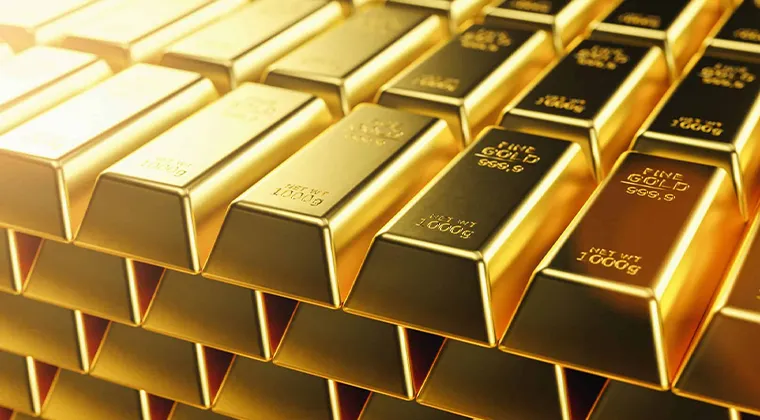
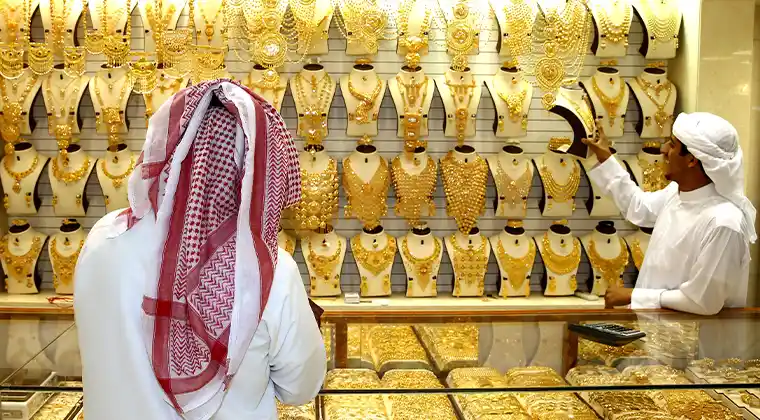
Gold prices across the UAE have witnessed a slight decline ahead of the Diwali and Dhanteras celebrations, encouraging shoppers to explore more affordable investment options such as gold coins and smaller, lightweight jewellery pieces while managing their festive spending.
UAE Gold Rates Ease Before Diwali and Dhanteras as Shoppers Prefer Coins and Lightweight Ornaments
UAE Gold Shoppers Rethink Festive Purchases as Prices Ease Ahead of Diwali and Dhanteras
A recent correction in gold prices across the UAE is prompting consumers to reconsider their festive shopping plans, with some looking to take advantage of lower rates while others are exploring opportunities to sell or exchange jewellery they no longer use.
As Diwali and Dhanteras approach, residents are paying closer attention to movements in the precious metals market before deciding how much gold to purchase and which products offer better value. While traditional jewellery remains an important part of festive shopping, gold coins, bars and lightweight ornaments are emerging as popular alternatives among consumers seeking to balance cultural preferences with financial considerations.
The recent decline in gold prices has created fresh interest among buyers who had postponed their purchases during periods of higher rates. For these consumers, the latest correction offers an opportunity to acquire gold at comparatively more attractive prices ahead of the festive celebrations.
At the same time, existing gold owners are reviewing the jewellery stored in their homes and lockers. Some are considering selling unwanted pieces to benefit from prevailing market values, while others are looking at exchanging older designs for newer ornaments that better suit their current preferences.
The festive season traditionally brings increased interest in gold purchases across the UAE, particularly among Indian expatriates who consider buying the precious metal an important part of Diwali and Dhanteras celebrations.
However, this year’s buying decisions appear to be influenced by more than tradition alone. Consumers are increasingly comparing prices, checking exchange conditions and evaluating the long-term value of their purchases before visiting jewellery stores.
Industry representatives say the combination of seasonal demand and recent price fluctuations is creating different opportunities for buyers and sellers. While lower prices may encourage new purchases, changes in market rates can also motivate existing gold owners to review their holdings.
Falling prices bring buyers and sellers back to the market
According to Rishi Vaya of SellYourGold.ae, significant movements in gold prices often influence consumer behaviour in different ways.
When prices begin to decline after a period of strong appreciation, people who have been waiting for an opportunity to sell their gold may decide that it is the right time to convert their holdings into cash. Others, particularly those who believe prices could recover in the coming months, may prefer to retain their jewellery rather than sell immediately.
Vaya explained that market corrections generally create activity on both sides of the gold trade, with sellers and prospective buyers responding differently depending on their financial priorities and expectations.
Consumers who purchased gold at lower prices in previous years may view the current market as an opportunity to realise some gains. Meanwhile, people who have been delaying festive purchases may see the reduction as a chance to buy at a more favourable rate.
He said buyers tend to become particularly attentive when gold prices move downwards because even a relatively small reduction can make a difference to the overall cost of jewellery or investment purchases.
“Buyers, on the other hand, are always ready to move when prices fall. Lower rates present a clear opportunity, and we are currently seeing strong buying intent in the market,” he said.
The approaching festive period is adding another layer of interest. With Diwali, Dhanteras and Christmas falling within the upcoming shopping season, consumers who had previously postponed their purchases are beginning to reconsider their plans.
Vaya said the current pricing environment is attracting customers who have been waiting for an appropriate opportunity to purchase gold.
For many households, festive gold buying is an annual financial commitment rather than an occasional luxury. As a result, changes in prices can influence the timing, quantity and type of gold they decide to purchase.
Some shoppers may use the opportunity to buy coins or bars, while others may prefer smaller jewellery items that allow them to maintain their festive traditions without making a particularly large financial commitment.
The current environment is also encouraging people to compare different purchasing options before making a decision.
Jewellery buyers become more selective about spending
The changing price environment is also influencing the way jewellery customers approach their purchases.
Rather than automatically selecting traditional heavy ornaments, some consumers are giving greater consideration to designs that are practical, versatile and suitable for regular use.
Amreen Iqbal, founder of Piece of You Jewellery, said customers are becoming increasingly conscious of the value they receive when buying or exchanging gold.
She explained that some jewellery owners are looking at older pieces that have remained unused for extended periods and considering whether they can be converted into cash or exchanged for something more useful.
For these customers, selling unwanted jewellery can provide additional funds for other expenses or create an opportunity to acquire new designs without committing the full purchase amount from their savings.
Others are choosing to use the value of their existing gold towards smaller ornaments that can be worn more frequently.
Iqbal said that periods of elevated gold prices generally encourage consumers to pay closer attention to the financial value of the jewellery they already own.
“When gold prices are high, we see people become more value-conscious. Many are choosing to monetise pieces that are lying unused in their lockers, while others are putting that value towards a smaller purchase, or towards lighter, more versatile designs,” she said.
This trend reflects a broader change in consumer preferences, with practicality becoming an important consideration alongside appearance and traditional significance.
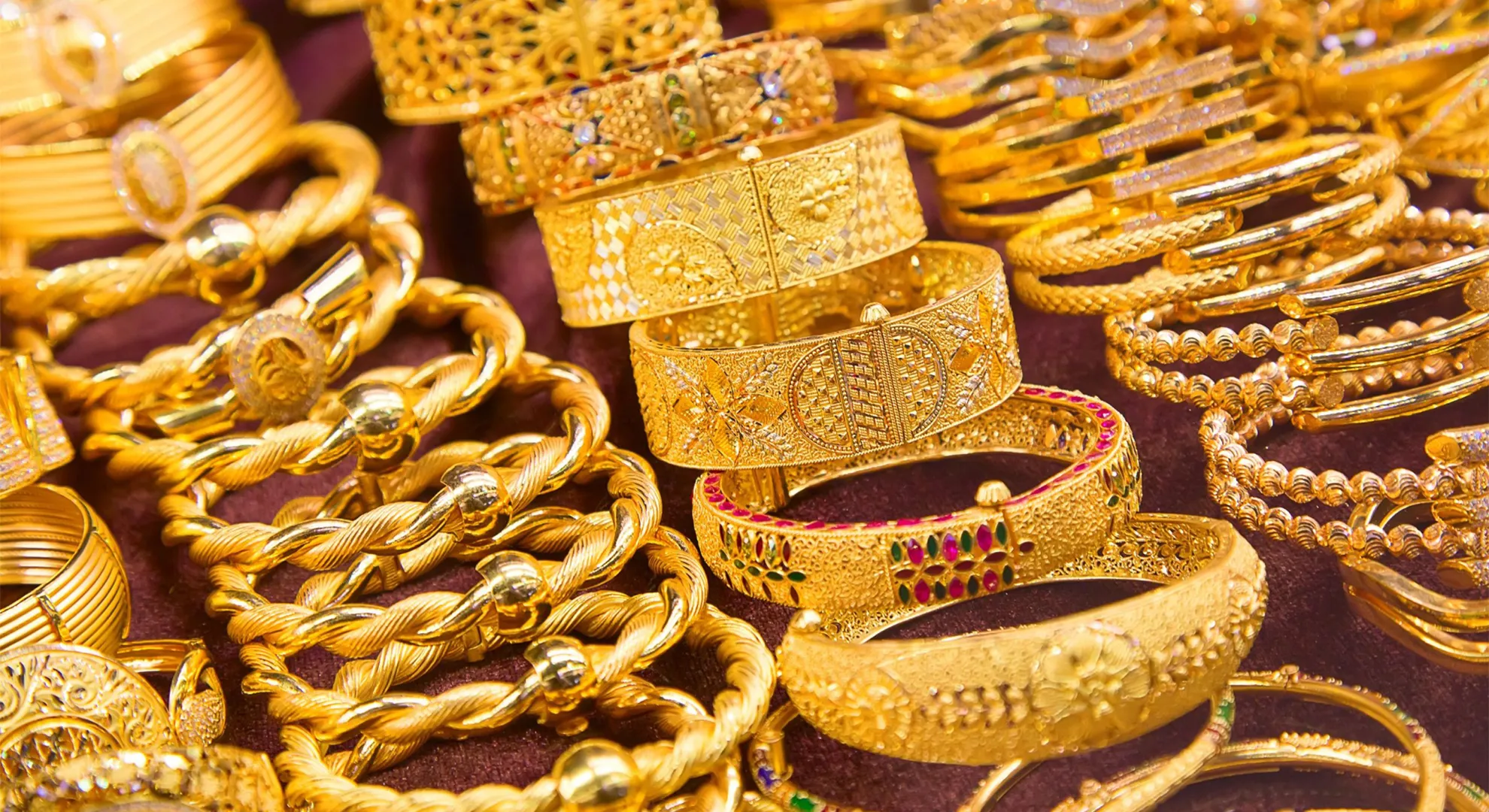
For instance, customers who previously preferred elaborate jewellery sets may now be more interested in smaller earrings, delicate necklaces, lightweight bangles or individual pieces that can be combined with different outfits.
Such designs can offer greater flexibility, particularly for people who want jewellery that is suitable for everyday wear as well as special occasions.
The decision to purchase lighter ornaments may also help shoppers manage their festive budgets during periods when gold prices remain relatively high compared with historical levels.
Consumers pay closer attention to exchange terms and gold valuation
Apart from the selling price, buyers are increasingly interested in understanding the conditions attached to gold purchases, particularly when exchanging existing jewellery.
According to Iqbal, customers are taking more time to compare offers from different retailers and understand the policies that determine how much they will receive for their old ornaments.
This includes checking the applicable gold rate, deductions, making charges, purity assessments and buyback conditions.
She said consumers are gradually becoming more informed about gold as an asset and are not necessarily treating every purchase as an immediate spending decision.
“They’re comparing rates, asking about buyback policies and thinking of gold as a long-term asset rather than a quick purchase,” Iqbal added.
This shift in behaviour suggests that customers are increasingly interested in the financial implications of their purchases, particularly when they are spending significant amounts on precious metals.
For jewellery retailers, the trend means that transparent pricing and clearly explained exchange arrangements are becoming important factors in attracting and retaining customers.
Consumers who understand how their jewellery is valued may feel more confident when exchanging older ornaments or purchasing new pieces.
The importance of transparency becomes particularly evident when customers bring in jewellery containing gemstones or ornaments made using different gold purity levels.
Although two pieces may appear similar in weight, their final resale values can vary depending on their gold content, gemstone weight and other valuation considerations.
As a result, consumers are being encouraged to understand the details of the transaction rather than focusing only on the quoted price per gram.
Coins, bars and lighter ornaments attract festive interest
Gold coins and bars are receiving attention from customers who want to participate in traditional festive purchases while keeping their buying decisions relatively straightforward.
For many households, coins offer an alternative to elaborate jewellery because they are easier to store and can be considered for long-term savings.
Lightweight jewellery is also attracting customers who want something that can be worn regularly rather than reserved exclusively for weddings or major celebrations.
Iqbal said there is considerable interest in these categories as consumers look for options that combine traditional value with practical usage.
“We’re also seeing strong interest in coins, bars and lightweight everyday jewellery,” she said.
The preference for these products reflects the different objectives people associate with buying gold.
Some purchase ornaments primarily for personal use, while others view coins and bars as a way of accumulating precious metal over time.
Festive buying can therefore involve a combination of cultural, emotional and financial considerations.
For Indian expatriates living in the UAE, purchasing gold during Diwali or Dhanteras is often an established family practice. Even when budgets are limited or prices fluctuate, many households try to maintain the tradition by selecting smaller or more affordable items.
This means that changes in purchasing preferences do not necessarily indicate a reduction in festive interest. Instead, consumers may simply be adapting the type and quantity of gold they buy according to prevailing market conditions.
Expert advice for residents planning to exchange old jewellery
With more consumers considering selling or exchanging unused jewellery, industry representatives are highlighting the importance of understanding how transactions are calculated.
Vaya advised customers who intend to replace old ornaments with new jewellery to consider completing both parts of the transaction through the same jeweller.
According to him, selling jewellery to one business and purchasing a replacement from another can result in additional financial deductions.
This is because the selling and buying processes generally involve separate pricing arrangements and commercial margins.
Vaya believes that combining the two transactions with one retailer may help customers avoid paying additional costs unnecessarily.
“The strongest advice is to consolidate both transactions with the same jeweller. Selling for cash and purchasing elsewhere creates two separate transactions, each with their own margin effectively incurring a loss twice,” he said.
His recommendation is particularly relevant for customers who are planning to exchange older jewellery during the festive period.
However, consumers should still compare the complete financial terms offered by retailers rather than automatically assuming that completing both transactions at one store will always provide the best value.
A proper comparison should consider the amount offered for the old jewellery, deductions, the cost of the replacement ornament, making charges and any additional fees.
Customers should also request a clear breakdown of the valuation before agreeing to the exchange.
Purity and gemstones can affect the final exchange value
Another important consideration when selling or exchanging gold jewellery is the presence of gemstones and differences in gold purity.
Not all ornaments are valued in exactly the same way. Jewellery containing diamonds, coloured stones or other decorative materials may require a separate assessment to establish the actual value of its gold content.
Similarly, differences in purity can affect the amount a customer receives.
For example, an ornament made from 18-karat gold contains a different proportion of pure gold compared with a 22-karat piece. The valuation must therefore reflect the actual purity rather than simply relying on the overall weight of the item.
Vaya advised residents to understand these factors before finalising a sale or exchange.
He also stressed the importance of choosing a buyer who is willing to explain the valuation process and provide a transparent breakdown of the amount being offered.
“Additional considerations include how gem set pieces are valued, how purity differences affect the final offer, and ensuring you are dealing with a buyer who can provide full transparency on their valuation methodology.”
For consumers, understanding these details can help prevent misunderstandings and make it easier to compare offers from different jewellery businesses.
It is also advisable to obtain written transaction details, including the assessed weight, purity, applicable gold rate and deductions, wherever possible.
Such precautions can be particularly useful during busy festive periods when customers may be making quick purchasing or exchange decisions.
For UAE families, buying gold remains an important Diwali tradition
While changing prices and investment considerations are influencing purchasing decisions, the cultural importance of gold continues to play a major role in festive shopping.
For many Indian families living in the UAE, buying gold during Dhanteras is an annual custom that has been maintained across generations.
The occasion is traditionally associated with purchasing precious metals, with many households considering gold an auspicious addition to their homes.
Even as consumers become more careful about how much they spend, the desire to maintain this practice remains strong.
Manju Arora, a UAE resident, said purchasing gold during the Diwali season is something she makes an effort to do every year.
However, instead of choosing conventional jewellery this time, she is considering purchasing a few gold coins.
She believes coins would be easier to store and could serve as a useful long-term asset for her family.
“Diwali or Dhanteras is an auspicious time to buy gold, and I make it a point to purchase something every year. This time, I am considering buying a few gold coins as they are easier to store and also a good investment for the future,” she said.
Her decision reflects the approach of consumers who want to continue participating in festive traditions while selecting products that suit their financial priorities.
Rather than spending on elaborate ornaments, purchasing coins allows families to maintain their annual gold-buying custom in a relatively simple form.
It also gives them the flexibility to accumulate gold gradually instead of making a larger purchase at one time.
For households that already own considerable amounts of jewellery, coins may provide an additional option for diversifying their gold holdings.
However, the suitability of different gold products depends on individual preferences, financial circumstances and the terms offered by sellers.
Price movements influence decisions, but tradition remains important
Another UAE resident, Bhavya Rao, is also following changes in gold prices before deciding what to purchase for the upcoming celebrations.
Unlike Arora, who is considering coins, Rao is leaning towards buying a lightweight jewellery item.
She said that the recent fluctuations have encouraged her to monitor daily rates and wait before making a final decision.
“With gold prices fluctuating, I am keeping an eye on the rates before making a purchase. I would prefer buying a lightweight piece of jewellery for Diwali,” she said.
For Rao, however, the purchase represents more than a financial decision.
Living away from India, she considers festive gold buying an important way to preserve family traditions and pass cultural values on to the next generation.
She wants her daughters to remain connected with customs that have been followed by the family for many years.
Rao also views gold as something that could potentially provide financial support for important future requirements, including her children’s weddings or education.
“I want to keep this tradition alive with my family here in the UAE. I also see gold as a long-term investment, especially as I have two daughters. It could come in useful in the future, whether for their weddings or education,” she added.
Her comments highlight how gold continues to hold both emotional and financial significance for expatriate families.
For many residents, the decision to purchase the precious metal is connected with family celebrations, future planning and the desire to maintain traditions while living overseas.
Even when consumers choose smaller pieces or different forms of gold, the underlying cultural importance remains unchanged.
Festive demand reflects a balance between affordability and tradition
The latest changes in gold prices are creating a more considered shopping environment across the UAE as residents prepare for Diwali and Dhanteras.
While some consumers are using the opportunity to purchase gold after a period of higher prices, others are reviewing their existing jewellery and exploring whether selling or exchanging unused pieces makes financial sense.
Jewellery businesses are also noticing a greater focus on product value, practical designs and transparent exchange conditions.
Gold coins, bars and lightweight ornaments are becoming important alternatives for customers who want to continue their festive purchases without necessarily spending on heavier jewellery.
The comments from industry representatives and residents suggest that gold buying decisions are increasingly shaped by a combination of market prices, personal budgets, investment considerations and cultural expectations.
For some, the priority is to purchase gold at a comparatively lower rate. For others, it is an opportunity to replace jewellery that no longer suits their lifestyle.
There are also households that continue to buy gold primarily because of its traditional significance, regardless of short-term market fluctuations.
As the festive season approaches, the level of consumer interest will depend on how prices move and whether shoppers believe the prevailing rates offer suitable value.
Nevertheless, the continued preference for gold during Diwali and Dhanteras demonstrates the lasting importance of the precious metal among Indian families in the UAE.
Whether through coins, bars or lightweight jewellery, many residents are finding ways to preserve their festive customs while adapting their purchases to changing market conditions.
For retailers, the period presents an opportunity to serve a wider range of customers by offering transparent exchange policies, varied product choices and designs suited to different budgets.
Ultimately, this year’s festive gold market appears to be less about purchasing larger quantities and more about making thoughtful choices that balance tradition, affordability and long-term value.