A UAE food safety specialist has warned that liquid collected from grilled chicken may contain harmful bacteria if it has not been properly cooked. Consuming these juices could increase the risk of foodborne illnesses, including food poisoning, among unsuspecting consumers.
UAE Food Safety Expert Cautions Against Consuming Juices Released by Grilled Chicken
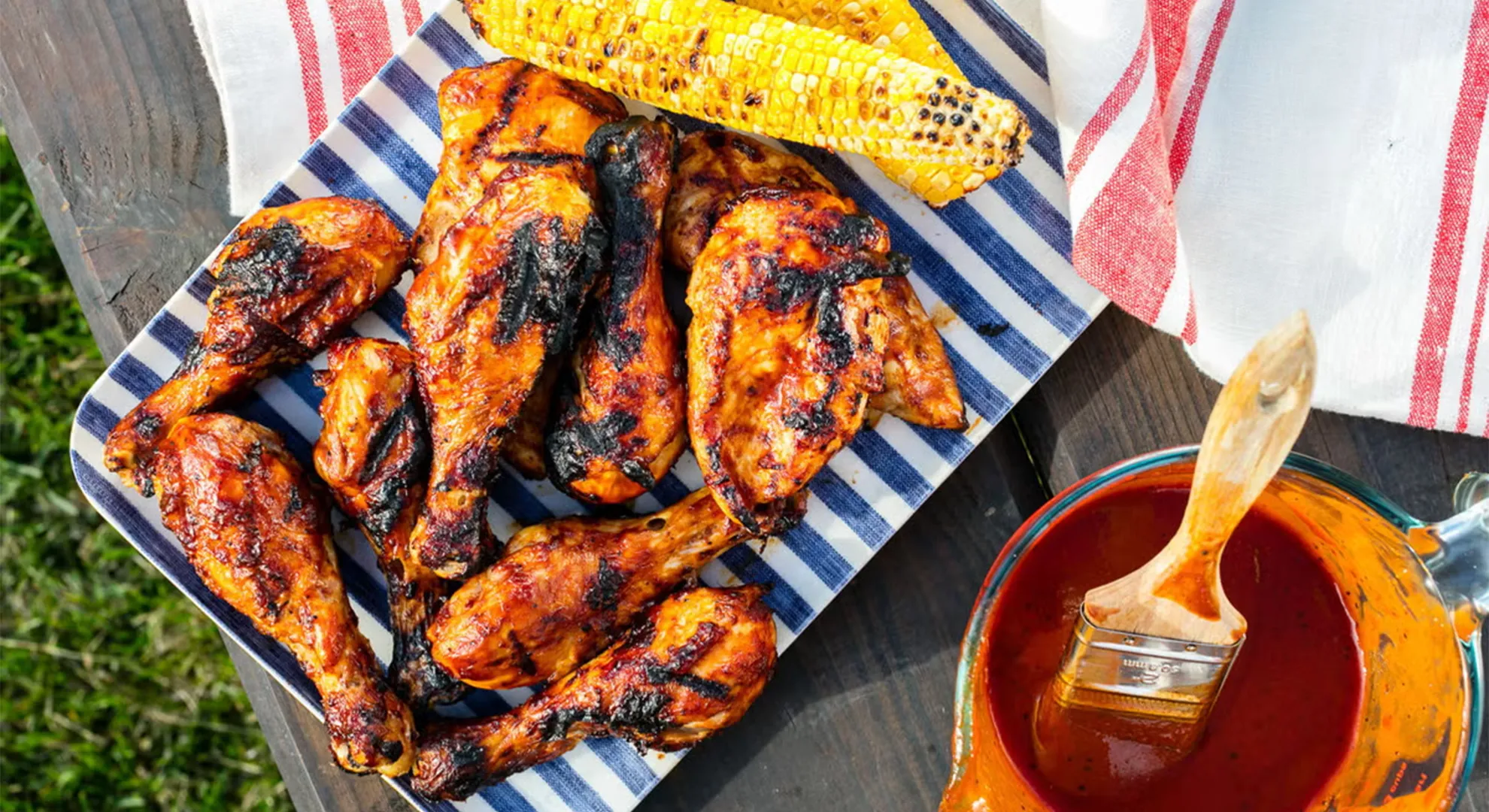
UAE Food Safety Alert: Chicken Gravy Made From Grill Drippings Could Lead to Food Poisoning
Food safety specialists in the UAE are warning restaurants and cafeterias against serving gravy prepared from liquids collected beneath machine-grilled chicken, highlighting the potential health risks associated with this common food preparation practice.
Several eateries across the country offer rotisserie-style grilled chicken accompanied by a special sauce or gravy. However, experts say that some establishments may be using liquid released from the chicken during grilling without ensuring that it has been properly cooked.
According to food safety expert Bobby Krishna, certain cafeterias collect these liquids in containers placed beneath the rotating chicken machines and later serve them to customers as gravy.
He warned that such liquid could contain harmful bacteria if it has not undergone sufficient heat treatment.
The practice creates a potential food contamination risk and could expose customers to foodborne illnesses, including food poisoning.
Krishna explained that juices released from chicken during preparation should never automatically be considered safe for consumption, particularly when their cooking temperature and handling procedures have not been properly controlled.
Dubai Municipality plans major food safety training programme
Amid growing attention to safe food preparation practices, Dubai Municipality (DM) is planning a large-scale training initiative focused on the proper preparation of rotisserie grilled chicken.
The programme, scheduled for November 17, aims to bring together food handlers and restaurant professionals for a major food safety awareness session.
The initiative will focus on improving the knowledge and practical skills of chefs and Persons in Charge (PICs) working in restaurants, cafeterias and supermarkets that prepare or sell grilled chicken.
Participants will receive guidance on appropriate cooking methods, hygienic food handling, temperature control and measures to prevent cross-contamination.
To make the programme accessible to workers from different backgrounds, the training will be conducted in five languages: Arabic, English, Malayalam, Urdu and Tagalog.
The session is scheduled to take place between 9am and 11am.
Dubai Municipality is also seeking to establish a Guinness World Record through the initiative by organising what it hopes will be the largest food safety training session of its kind.
Restaurants, cafeterias and other relevant food businesses across the emirate are being encouraged to participate.
The programme is intended to strengthen food safety awareness among people directly involved in preparing meals and handling poultry products.
Training initiative coincides with international food safety conference
The planned training session comes as Dubai prepares to host the 20th edition of the Dubai International Food Safety Conference.
Organised by Dubai Municipality, the three-day event is scheduled to begin on November 16.
The conference brings together food safety authorities, international regulators, industry representatives and specialists to discuss developments and challenges affecting food safety around the world.
Participants are expected to exchange knowledge about emerging food-related risks, improved safety procedures and best practices throughout the food supply chain.
The conference also provides an opportunity for professionals and government organisations to discuss ways of improving food handling standards and protecting consumers.
The rotisserie chicken training initiative forms part of the wider focus on strengthening food safety knowledge and encouraging better practices among businesses operating in the food sector.
Not all sauces served with grilled chicken are unsafe
While warning against the use of untreated chicken drippings, Krishna clarified that restaurants can safely serve accompanying sauces when they are prepared using appropriate ingredients and hygienic methods.
He explained that some establishments prepare their own basting mixtures in the kitchen using spices and other ingredients.
Such sauces can be served safely provided they are prepared separately and do not contain untreated liquid released from raw or insufficiently cooked chicken.
The important distinction is between a properly prepared sauce and liquid collected directly from the chicken grilling machine.
Restaurants should therefore ensure that their sauces are handled separately and that the ingredients used in their preparation meet food safety requirements.
The expert’s warning is not intended to discourage customers from enjoying grilled chicken with gravy or other accompaniments. Instead, it highlights the importance of understanding how these sauces are prepared and stored.
Incorrect placement of chicken inside grills can cause contamination
Apart from the use of chicken drippings in gravy, Krishna identified several other food preparation mistakes that can increase the possibility of contamination in restaurants.
One concern involves the arrangement of raw and cooked poultry inside rotisserie grilling machines.
He explained that some establishments may position racks containing uncooked chicken above already grilled portions.
When raw chicken is placed higher up, its juices can drip onto the cooked poultry positioned underneath.
This creates an opportunity for harmful microorganisms present in raw chicken to contaminate food that has already been cooked.
The problem is particularly serious because customers may assume that the grilled chicken is ready for consumption, even though it may have been exposed to liquids from uncooked poultry after the cooking process.
Krishna stressed that restaurants must organise their grilling equipment carefully to prevent raw and cooked food from coming into contact with each other.
Proper separation during preparation, cooking, storage and serving is essential to reducing the risk of foodborne illnesses.
Restaurants should also ensure that their equipment is arranged in a way that prevents liquids from raw poultry from reaching ready-to-eat food.
Serving half a chicken can create another food safety problem
The expert also highlighted an issue related to how restaurants handle chicken portions after receiving customer orders.
In some establishments, customers ordering half a grilled chicken may receive only the requested portion, while the remaining half is placed back inside the grilling machine.
If the leftover cooked portion is positioned beneath uncooked chicken, it may become exposed to dripping liquids from the raw poultry.
This can create another cross-contamination risk, even if the chicken was properly cooked earlier.
Krishna warned that restaurants must pay attention to how leftover portions are positioned and stored after serving customers.
Cooked chicken should be kept away from raw poultry and any surfaces or containers that may have been contaminated by raw chicken juices.
Proper storage arrangements are particularly important for businesses preparing large quantities of rotisserie chicken throughout the day.
Food establishments must ensure that cooked products remain protected until they are served or safely stored.
Restaurant explains its precautions for preparing grilled chicken
Sabeek, from Green City restaurant in Dubai, said his establishment follows several precautions to maintain hygiene and ensure that its grilled chicken is prepared safely.
He explained that the restaurant uses fresh spices and marinates poultry in properly sanitised containers.
Temperature monitoring is also an important part of its cooking procedure.
According to Sabeek, the chicken is cooked inside the grill until the temperature reaches 74°C.
Once the cooking process is complete, the chicken is transferred to a heated holding cabinet, where the temperature is maintained at 63°C or higher.
The restaurant also keeps raw and cooked poultry separate to minimise the possibility of cross-contamination.
Sabeek said these measures form part of the establishment’s approach to maintaining food quality and safety.
Unlike some other eateries, Green City does not serve gravy prepared from chicken drippings.
Instead, the restaurant offers garlic sauce as an accompaniment to its grilled chicken.
The separation of raw and cooked products, along with temperature monitoring, is intended to ensure that customers receive food that has been prepared and stored under appropriate conditions.
Gravy remains a popular accompaniment among customers
Although some restaurants have chosen not to offer gravy with their rotisserie chicken, others consider it an important part of the dining experience.
Salim, manager of the Qusais-based Tea Junction restaurant, said the sauce served with grilled chicken is particularly popular among customers.
He explained that the restaurant prepares its own basting mixture using spices to enhance the flavour of the chicken.
According to Salim, the sauce is not simply collected liquid from the bottom of the grilling machine.
Instead, it is prepared separately using ingredients selected to complement the grilled poultry.
He also pointed out that leaving an uncovered container of basting sauce beneath the chicken inside a grilling machine could create food safety concerns.
For this reason, the restaurant prefers to keep its prepared sauce outside the machine rather than placing it underneath the grilled poultry.
Keeping the sauce separate helps avoid unnecessary exposure to liquids released during the cooking process.
Proper food handling remains essential
The concerns raised by food safety specialists highlight the importance of maintaining strict hygiene practices at every stage of poultry preparation.
Chicken must be handled carefully because raw poultry can carry microorganisms capable of causing foodborne illnesses.
Preventing contamination requires more than simply cooking the chicken at an appropriate temperature.
Restaurants must also ensure that raw and cooked products are stored separately, preparation equipment is properly cleaned and sauces are made using safe ingredients.
Temperature control is equally important after cooking, particularly when grilled chicken is kept warm before being served to customers.
Food businesses should monitor their storage and holding arrangements to ensure that cooked products remain at safe temperatures.
They must also avoid reusing containers or utensils that have come into contact with raw poultry without properly cleaning and sanitising them.
The warnings surrounding chicken drippings serve as a reminder that even seemingly small mistakes during food preparation can create health risks.
Dubai steps up efforts to improve food safety standards
Through its planned training programme and wider food safety initiatives, Dubai Municipality is encouraging restaurants and other food businesses to strengthen their food handling procedures.
The upcoming session is expected to provide workers with practical information about safe poultry preparation and the importance of preventing cross-contamination.
By involving chefs, restaurant supervisors and Persons in Charge, the initiative aims to ensure that food safety knowledge reaches employees responsible for everyday kitchen operations.
The programme also provides an opportunity for businesses to review their existing practices and identify areas where improvements may be necessary.
For customers, the message from food safety specialists is straightforward: grilled chicken and its accompanying sauces should be prepared using safe ingredients and proper cooking methods.
Liquid collected beneath a grilling machine should not automatically be served as gravy unless it has undergone appropriate cooking and safety controls.
As Dubai continues to strengthen its food safety awareness efforts, restaurants are being encouraged to prioritise hygiene, maintain proper temperatures and ensure that raw poultry never contaminates cooked food.