Recent road improvements around Dubai’s World Trade Centre roundabout appear to have made it easier for motorists to leave the junction. Drivers say the changes have improved accessibility and made navigating this busy intersection more convenient during daily commutes.
Dubai Drivers Report Easier Exits at World Trade Centre Roundabout Following Roadworks.
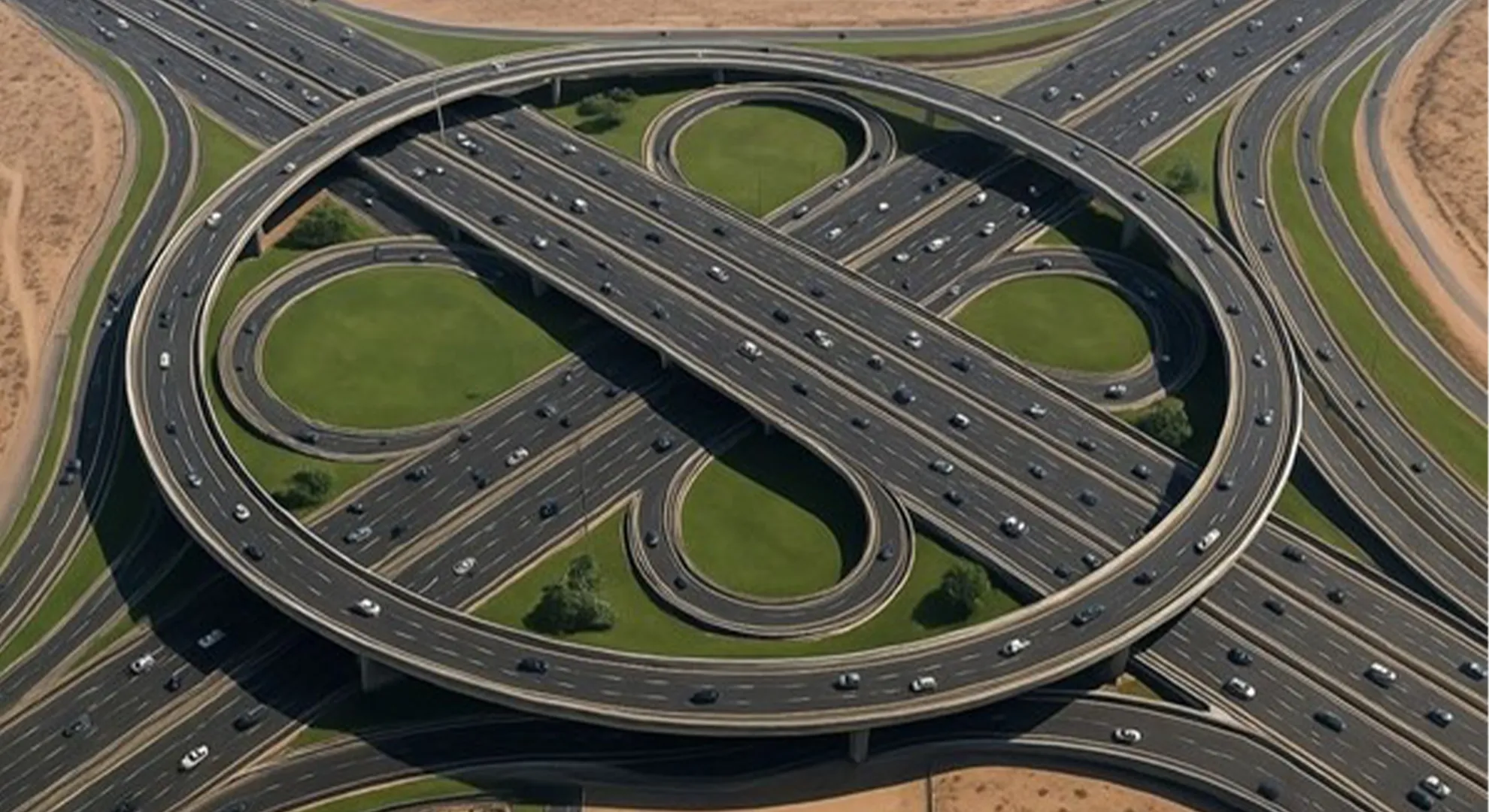
Dubai World Trade Centre Junction Sees Smoother Traffic Flow as Final Bridge Nears Opening
Motorists travelling through Dubai’s World Trade Centre junction are beginning to experience more straightforward journeys following major road improvements, with clearer lane markings, redesigned exits and reduced congestion making the area easier to navigate.
Drivers who regularly use the busy intersection say the updated road layout has made it simpler to identify the correct route, particularly for those travelling between residential neighbourhoods, Sheikh Zayed Road and surrounding streets. Although some motorists are still adjusting to the new configuration, several have reported that their daily commutes have become less complicated compared with the construction period.
The improvements form part of a Dh696-million infrastructure project led by Dubai’s Roads and Transport Authority (RTA). The development has transformed the former roundabout into a multi-level junction, with bridges and flyovers designed to carry vehicles in different directions and reduce the need for traffic to converge at a single point.
The project has been introduced in stages, allowing sections of the upgraded road network to open while other construction activities continue. The final bridge is scheduled to open on October 30, completing another important stage of the development.
For regular commuters, the most noticeable difference has been the clearer separation of traffic movements. Drivers say the improved road markings and directional signs help them decide which lane to use before reaching an exit, reducing uncertainty at a junction that previously required some motorists to take longer routes to reach their destinations.
Drivers report easier navigation after road changes
The World Trade Centre junction is an important connection point for motorists travelling through central Dubai. Its position near major roads and surrounding business and residential districts means that changes to its layout can affect the daily journeys of a wide range of road users.
During the construction period, drivers encountered temporary diversions, changing access points and restrictions around certain exits. Motorists who were familiar with the previous road arrangement had to adjust repeatedly as construction progressed and routes changed.
For some drivers, reaching a particular road became more complicated because they could no longer follow their usual route. Missing an exit or entering the wrong lane could mean travelling farther before finding a suitable connection.
The updated layout is now making those movements more predictable, according to motorists who use the junction regularly. Flyovers carry vehicles along different routes, while road markings and signboards help drivers identify the correct direction in advance.
However, the transition is not yet entirely familiar to everyone. Drivers still need to pay attention to the revised exits, follow directional signs and remain alert to any diversions or barriers that are still in place.
The gradual improvement in traffic conditions is particularly relevant for commuters who pass through the area every day. Even relatively small changes in lane organisation can make a busy junction easier to use when motorists have a clearer understanding of where each route leads.
For drivers travelling during peak periods, the benefits may include fewer moments of hesitation, more predictable lane choices and less need to make unexpected adjustments near exits.
Daily commuters notice clearer lane markings
Emaad Shareef, an automobile salesperson working in Al Quoz, travels through the World Trade Centre junction every day while commuting from his home in Abu Hail.
He said navigating the exits was considerably more challenging during the construction phase, when changes to the road arrangement made it difficult to determine the correct lane and reach the intended destination.
The temporary configuration meant that drivers sometimes had to continue around the junction or take an alternative route before they could access the road they originally wanted to use.
Shareef said the present arrangement has made the process more straightforward because the lanes are now identified more clearly.
“During the construction, it was difficult to take the exit. Now everything is marked properly, and we can clearly understand which lane to drive in,” he said.
He also observed that traffic conditions had improved and that much of the construction work appeared to be nearing completion.
For commuters such as Shareef, who regularly travel along the same route, familiarity with the junction is an important part of managing the daily journey. When road layouts change frequently, drivers have to spend additional time checking signs and working out which direction to follow.
Clearer markings can help reduce that uncertainty by providing guidance before motorists reach the point where they must turn or change lanes.
The improvements are also relevant to drivers who do not travel through the junction every day. Visitors and occasional road users may depend more heavily on directional signs to understand the revised configuration.
Nevertheless, motorists should not assume that every movement has returned to its previous arrangement. As the project approaches completion, drivers are advised to follow the signs currently displayed on the road rather than relying solely on their memory of earlier routes.
Dh696-million project reshapes the junction
Dubai’s Roads and Transport Authority announced the Dh696-million project in October 2024. The scheme involves five bridges with a combined length of approximately 5,000 metres and aims to improve traffic movement through the World Trade Centre area.
The redevelopment has replaced the former roundabout arrangement with a junction in which bridges and flyovers allow vehicles to travel along separate routes.
Instead of requiring all traffic movements to interact at the same level, the new infrastructure provides connections that carry vehicles over and through the junction in different directions. This arrangement is intended to make it easier for motorists to continue along their chosen routes.
The project has opened in phases, with individual sections becoming available as work progresses. Staged openings are a common approach to major road developments because they allow completed infrastructure to begin serving motorists while other elements of the project are being finished.
For drivers, however, each stage can involve temporary changes to familiar routes. Access points may shift as new sections open, and motorists may need to adjust to updated signs and lane arrangements.
The latest improvements suggest that the junction is moving towards a more complete operating configuration. The final bridge, scheduled to open on October 30, is expected to provide another connection within the upgraded network.
Once the remaining work is completed and traffic movements become more familiar, drivers may find it easier to plan their journeys through the area. The overall impact will depend on how traffic distributes across the new routes and how motorists adapt to the redesigned junction.
The project also reflects Dubai’s continuing investment in road infrastructure to support movement through heavily used urban corridors. As residential districts, commercial areas and major roads remain connected, the efficiency of key junctions can influence travel times beyond the immediate construction site.
Another motorist says exits are easier to identify
Raza Khamer, who lives in Karama and manages a hotel on Sheikh Zayed Road, said the previous road arrangement could make it difficult to reach an exit when he was travelling in the second lane.
The challenge was not simply the volume of vehicles but also the need to position the car correctly before reaching the required turn. When motorists are uncertain about the appropriate lane, they may have to continue along the road and look for another way to reach their destination.
Khamer said the updated layout has made the exits easier to identify and the lanes more straightforward to follow.
He recalled paying closer attention to the changes after reading reports about the project’s progress and then noticing the differences during his own journey home.
“When I read in the news that it was going to open, I focused on what had changed on my way home. I saw that some flyovers take traffic over the junction. It is very easy to take the exit now, and the lanes are marked properly,” he said.
Although he has noticed improvements, Khamer said some barricades remain along the roads. He expects these to be removed as the remaining work is completed, but the timing of any removal will depend on the construction and traffic-management arrangements.
The presence of barriers is a reminder that the junction is still transitioning through its final stages. Motorists should continue to observe temporary signs and restrictions wherever they are displayed.
For people travelling through the area regularly, the new flyovers offer a different way to move between surrounding roads. By separating certain traffic movements, the infrastructure is intended to reduce the need for vehicles heading in different directions to compete for the same space.
The experience described by Khamer also illustrates how drivers judge road improvements through their everyday journeys. Clear lane markings, visible signs and predictable exits can make a significant difference to the ease of using a junction, even before every element of a large project is fully complete.
Separate routes help motorists reach major roads
Abdul Qayyum, who lives in Jumeirah Residence in Al Hudaiba, frequently travels from Satwa towards Sheikh Zayed Road. He said the previous roundabout arrangement often required him to wait while navigating the junction.
Under the redesigned layout, vehicles have more clearly defined options for travelling in different directions. Qayyum described how one route now crosses a flyover towards Al Majlis Street and Al Mustaqbal Street, while another continues towards Sheikh Zayed Road.
“Now one route goes over the flyover towards Al Majlis and Al Mustaqbal Street, while the other continues towards Sheikh Zayed Road,” he said. “The traffic has already eased.”
The new configuration is designed to reduce the number of conflicting movements at the junction. When vehicles travelling to different destinations can use separate routes, fewer movements may need to compete at the same point.
For motorists heading towards Sheikh Zayed Road, the clearer division of routes may also make it easier to anticipate the next stage of the journey. Drivers can identify their intended direction earlier and position themselves accordingly.
The changes are particularly relevant for people who travel between neighbouring districts as part of their daily routine. Residents moving from Satwa, Al Hudaiba or other nearby areas may use the junction to connect with major roads for work, appointments or other activities.
However, the benefits can vary depending on the destination, the time of travel and the amount of traffic using each route. While some drivers have already noticed improvements, overall traffic conditions can change throughout the day.
The redesigned junction is intended to provide a more organised flow of vehicles, but drivers must still follow lane markings carefully and allow enough time to respond to signs and traffic conditions.
Final bridge expected to improve access towards 2nd December Street
The last bridge in the project is scheduled to open on October 30 and will serve motorists travelling from Al Majlis Street towards 2nd December Street.
Its opening is expected to complete an important part of the new road network and provide an additional connection for traffic moving through the area.
According to the RTA’s project estimates, the journey along this route is expected to take approximately one minute, compared with six minutes previously. The authority has also projected that the average delay at the junction could fall from 12 minutes to around 90 seconds.
These figures represent the authority’s expected outcomes rather than a guarantee of the journey time every motorist will experience. Actual travel times can vary according to traffic volumes, the time of day, road conditions and the routes individual drivers take.
Even so, the projected reductions illustrate the purpose of the redevelopment: to make traffic movements more direct and reduce the time vehicles spend waiting to pass through the junction.
The final bridge is expected to add another option for motorists, helping to separate traffic travelling towards different destinations. As more of the network becomes operational, the distribution of vehicles across the available routes may also change.
Drivers who use the junction should pay attention to any updated directional signs when the bridge opens. The addition of a new connection may alter the most convenient route for some journeys, particularly for motorists heading towards 2nd December Street.
Commuters who have been using temporary diversions during construction may also need to review their usual routes. Checking the current road layout before setting off can help reduce confusion, especially during the initial period after a new section becomes operational.
Motorists still need to adjust to the new road layout
Although several drivers have reported that the junction is easier to navigate, the revised arrangement requires motorists to remain attentive.
Road projects of this scale can change how drivers enter, cross and exit an intersection. Familiar landmarks may remain in place, but the route connecting them may be different from what motorists remember.
For regular users, the adjustment may involve learning which lane leads to a particular exit and understanding where the flyovers connect with surrounding streets. For occasional visitors, the main challenge may be identifying the correct route while approaching the junction.
Clear road markings and signboards can help with both tasks, but motorists should read them in advance and avoid sudden lane changes. Drivers who realise they are in the wrong lane should prioritise safe driving rather than attempting a last-minute manoeuvre.
Temporary barricades should also be treated as part of the active traffic-management arrangement until they are officially removed. Their continued presence may indicate that work is still under way or that particular movements remain restricted.
As the final bridge opens and the overall configuration becomes more established, drivers are likely to become increasingly familiar with the new layout. The extent of any further improvement will depend on how effectively vehicles move through the junction under normal traffic conditions.
The accounts shared by Shareef, Khamer and Qayyum suggest that some motorists are already experiencing more straightforward journeys. Their observations point particularly to improved lane visibility, easier exit selection and reduced congestion along the routes they use.
These are individual experiences rather than a comprehensive measurement of traffic performance across the entire junction. The RTA’s projected travel-time and delay reductions provide the authority’s assessment of the project’s expected impact, while the longer-term results will depend on actual road use.
What the changes mean for Dubai commuters
The redevelopment of the World Trade Centre junction is intended to improve connectivity between important roads in central Dubai. By introducing multiple bridges and separating selected traffic movements, the project aims to make journeys through the area more direct and reduce delays.
For daily commuters, the most immediate benefit may be the ability to identify exits more easily and avoid some of the uncertainty experienced during construction.
Motorists travelling towards Sheikh Zayed Road, Al Majlis Street, Al Mustaqbal Street and 2nd December Street may find the updated connections useful, depending on their starting points and destinations.
The final bridge is scheduled to open on October 30, adding another route to the network. The RTA has estimated that travel between Al Majlis Street and 2nd December Street could take one minute instead of six, while average junction delays could decrease from 12 minutes to 90 seconds.
The figures are projections and should not be interpreted as guaranteed journey times for every trip. Traffic conditions, peak-hour demand and individual route choices will continue to influence how quickly motorists can travel through the area.
For now, drivers say the new configuration is becoming easier to understand as they grow accustomed to the redesigned roads. The clearer lane markings and separation of traffic routes have already made a positive difference for some regular users.
As the project reaches its next milestone, motorists should continue to follow road signs, check the correct lane well before an exit and remain alert to any remaining diversions.
The opening of the final bridge will mark another step towards completing the upgraded junction. For Dubai commuters, the longer-term test will be whether the new network consistently delivers more predictable journeys and shorter delays as traffic returns to its normal patterns.