Following the UAE oil spill, authorities must do more than remove visible oil from affected beaches. Environmental inspections, water quality testing and marine ecosystem assessments may be necessary before reopening coastal areas and ensuring they are safe for visitors and wildlife.
UAE Oil Spill: What Comes Next Once Coastal Cleanup Operations Are Complete?
UAE Oil Spill: Why Marine Monitoring Must Continue Even After Beach Cleanup
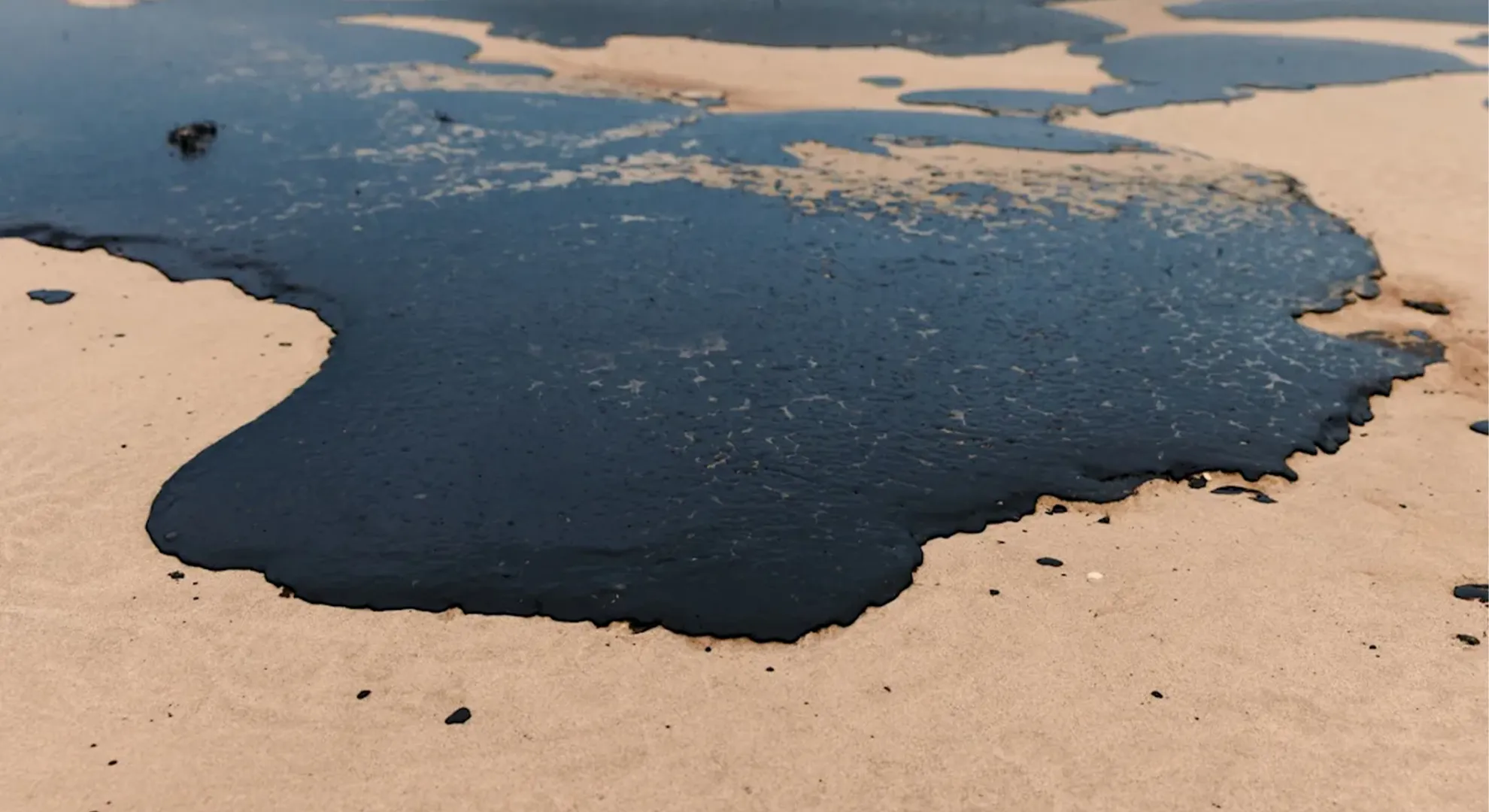
The removal of visible oil from a beach does not necessarily mean that the surrounding marine environment has returned to normal. Following an oil spill, environmental specialists may need to examine coastal waters, underwater sediments, sensitive habitats and wildlife to understand the full extent of the damage and determine whether recovery measures are working.
As cleanup and remediation efforts continue following the recent oil spill along the UAE’s northern coastline, experts are highlighting the importance of looking beyond the immediate removal of pollution. While cleaning affected shorelines is an essential first step, further assessments may be needed to identify contamination that is not visible to the naked eye.
Dr Aseel Takshe, Dean of the School of Health Sciences, Digital Innovation and Sustainability at Canadian University Dubai (CUD), explained that the environmental consequences of an oil spill depend on several interconnected factors. These include the characteristics of the oil, the conditions in which it spreads, the speed of the response and the methods used to remove it.
Weather and sea conditions can also influence the direction and extent of pollution. Wind, tides, currents and waves may carry oil towards vulnerable coastal areas, including sheltered lagoons, islands and habitats that support marine wildlife.
The Ministry of Climate Change and Environment (MOCCAE) confirmed on Friday that a tanker-related oil spill was responsible for unusual odours reported in parts of the northern emirates.
According to the ministry, marine pollution had reached beaches in Umm Al Quwain, prompting a coordinated response involving federal and local authorities.
Authorities temporarily closed beaches in Umm Al Quwain, Sharjah and Ras Al Khaimah while specialised teams carried out containment, cleanup and remediation activities. Officials also reassured residents that the reported odours did not pose a health risk.
However, determining whether coastal ecosystems have recovered requires a more detailed assessment than simply checking whether oil remains on the sand or floating on the surface of the water.
Why Removing Oil From the Shoreline Is Only the First Step
Cleaning an affected beach can remove much of the visible pollution, but it does not automatically establish that all traces of oil have been eliminated from the surrounding environment.
Depending on the conditions, oil can move into shallow waters, become trapped in sheltered coastal locations or settle into seabed sediments. These areas may retain contamination even after the most obvious signs of a spill have disappeared.
Dr Takshe warned that oil remaining in sediments and protected coastal areas could create longer-term environmental concerns.
Oil trapped in these environments may continue to expose marine organisms to contaminants and affect the habitats they depend on for feeding, shelter and reproduction.
The consequences can extend beyond individual animals. If pollution affects the availability of food, the quality of breeding areas or the survival of young marine organisms, the effects may spread through the wider ecosystem.
Fish populations, for example, depend on suitable nursery habitats during early stages of development. Sea turtles rely on healthy marine environments for feeding, while coastal birds need safe locations to rest, nest and find food.
Seagrass meadows and mangrove forests are also important because they support a range of marine species and contribute to the overall health of coastal ecosystems.
For this reason, environmental assessments following a spill may need to examine both the shoreline and areas beneath the water’s surface.
The objective is to establish whether pollution remains in places that cannot be assessed through a simple visual inspection and whether further cleanup or restoration measures are necessary.
How Oil Can Continue Affecting Marine Life
The environmental impact of an oil spill can vary considerably according to the type of oil involved and the conditions under which it enters the marine environment.
Some oil may remain on the water’s surface, while other material can mix with sediments or become trapped among coastal vegetation. Waves, tides and currents can also redistribute pollution, potentially carrying it away from the original location.
These processes make it important for environmental teams to assess conditions across affected areas rather than focusing exclusively on the site where the spill was first detected.
Dr Takshe highlighted the possibility that oil could remain in sediments and sheltered coastal waterways after visible pollution has been removed.
Such contamination may have implications for fish development, turtle feeding activity, bird reproduction and the condition of habitats that support the marine food web.
However, the specific effects cannot be determined from the presence of an oil spill alone. They depend on the amount and type of oil, the duration of exposure, the sensitivity of the affected habitats and the effectiveness of the response.
Environmental monitoring can help distinguish between areas that have recovered sufficiently and those where contamination or ecological stress may persist.
This information can also help authorities decide whether additional interventions are needed and which locations should receive priority.
Why Umm Al Quwain’s Coastal Habitats Require Attention
The waters surrounding Khor Al Beidah and Al Siniyah Island in Umm Al Quwain contain a variety of coastal and marine environments. These include mangrove forests, seagrass meadows, mudflats and coral communities.
According to Dr Takshe, these habitats support numerous marine organisms and bird species, making their condition an important consideration when evaluating the potential effects of pollution.
Each habitat plays a different role in the coastal ecosystem. Together, they provide feeding areas, shelter, breeding grounds and nursery environments for a wide range of species.
Mangrove forests
Mangroves provide important shelter and feeding areas for marine organisms and coastal wildlife. Their roots can create protected environments for young fish and other small animals.
However, the same complex root systems that provide habitat can also make cleanup more difficult if oil enters a mangrove forest. Contaminants may become trapped among roots and nearby sediments, potentially extending the period during which the habitat remains affected.
Cleanup operations therefore need to be carefully planned to avoid damaging vegetation or disturbing the surrounding environment.
Seagrass meadows
Seagrass beds support marine biodiversity and provide valuable feeding grounds for species such as green turtles. They can also serve as nursery habitats for fish and other organisms.
If oil reaches these areas, environmental specialists may need to examine the condition of the vegetation, the surrounding sediments and the animals that depend on the habitat.
Protecting seagrass meadows is important because damage to these underwater environments can affect multiple species and disrupt ecological relationships.
Mudflats and sheltered coastal waters
Mudflats provide feeding grounds for resident and migratory birds, while sheltered coastal waters can offer suitable conditions for a range of marine organisms.
Oil that reaches these areas may become associated with sediments or accumulate in locations where natural water movement is limited.
Assessments can help determine whether pollution has affected these habitats and whether any additional protective measures are required.
Coral communities
Coral environments contribute to marine biodiversity by providing habitat for numerous organisms. Their condition can be influenced by environmental disturbances, although the effects of an individual spill depend on its location, severity and the level of exposure.
Monitoring can help establish whether coral communities or nearby marine habitats show signs of stress following an incident.
Taken together, these ecosystems form an interconnected network. Damage to one habitat may affect species that use several different environments during their life cycles.
How Oil Pollution Can Affect Turtles, Fish and Birds
Coastal ecosystems support wildlife with different feeding, breeding and movement patterns. This means the potential effects of an oil spill may vary between species and may not become apparent at the same time.
Dr Takshe identified fish, turtles, rays, sharks and resident and migratory birds among the wildlife supported by the coastal habitats around Khor Al Beidah and Al Siniyah Island.
The presence of these species makes environmental assessments particularly important when determining whether affected areas are recovering.
Fish and other marine organisms
Fish may rely on seagrass beds, mangroves and sheltered coastal waters during important stages of their development.
If these habitats are affected by oil, the consequences may extend beyond direct exposure to pollution. Changes in habitat quality or food availability could also influence the conditions required for marine populations to thrive.
Monitoring fish populations and the health of nursery habitats can help specialists assess whether ecological recovery is progressing.
Sea turtles
Green turtles use seagrass meadows as important feeding areas. Protecting these habitats is therefore relevant to maintaining the conditions that support their feeding activity.
If oil reaches turtle habitats, environmental teams may need to examine the condition of the affected areas and look for evidence of changes in wildlife activity or health.
The extent of any impact would depend on the level of exposure and the characteristics of the affected environment.
Coastal and migratory birds
Birds use coastal wetlands, mudflats and other shoreline environments to find food, rest and, in some cases, reproduce.
Pollution in these areas may affect the availability of food or the quality of the habitat. In some circumstances, direct contact with oil can also be harmful to birds.
Monitoring bird populations and their use of affected locations can provide additional information about the condition of the coastal ecosystem.
Rays, sharks and other marine wildlife
The wider marine environment supports a range of species that depend on suitable water quality and functioning food webs.
Environmental assessments may help establish whether affected habitats show signs of disturbance and whether additional action is required to protect marine biodiversity.
It is important, however, to distinguish between potential risks and confirmed effects. The information provided does not establish that specific species suffered harm as a result of this particular spill.
How Long Could Marine Ecosystems Take to Recover?
There is no single timeline for the recovery of an environment affected by an oil spill. The period required can vary according to the amount of pollution, the type of oil, the location of the spill, the sensitivity of the habitat and the effectiveness of cleanup measures.
Dr Takshe explained that some sandy beaches may recover relatively quickly after oil has been removed. Other environments, including mangroves, seagrass meadows, coral communities and contaminated sediments, may take considerably longer to regain their ecological functions.
The difference reflects the varying characteristics of coastal habitats.
Sandy shorelines are often exposed to waves and tides that can help redistribute or remove some contaminants, although recovery still depends on the nature and extent of the pollution.
Mangrove forests and seagrass beds present different challenges because oil may become trapped in vegetation or sediments. If contamination persists, it may continue to affect organisms living in or around these habitats.
The recovery of wildlife populations may also take longer than the removal of visible pollution. Some effects could become apparent only after additional observation of breeding success, juvenile survival or changes in animal behaviour.
For these reasons, the completion of a cleanup operation should not automatically be interpreted as proof that every affected ecosystem has fully recovered.
Environmental specialists may need to continue assessing conditions over successive seasons, depending on the circumstances and the findings of earlier inspections.
Why Cleanup Methods Must Be Carefully Managed
Removing oil from coastal areas is essential, but the process itself must be carried out in a way that avoids causing additional damage.
Different habitats require different approaches. A method suitable for an exposed sandy beach may not be appropriate for a mangrove forest, seagrass meadow or sensitive intertidal area.
Aggressive removal techniques can sometimes disturb sediments, damage vegetation or affect wildlife. In particularly sensitive environments, the risks associated with the cleanup method must therefore be considered alongside the need to remove contamination.
Dr Takshe emphasised the importance of carrying out cleanup work carefully to protect vulnerable ecosystems.
The selection of appropriate techniques depends on the conditions at the affected location, the type of pollution and the characteristics of the habitat.
Environmental specialists may need to balance the benefits of removing contaminated material against the possibility of disturbing the ecosystem during the process.
This is one reason why response operations typically require coordination between authorities and technical teams with relevant environmental expertise.
A carefully planned response can help limit the spread of pollution while reducing the risk of further harm to coastal habitats.
What Environmental Monitoring Involves After Cleanup
Once the initial removal of oil has been completed, continued monitoring can help authorities determine whether affected areas are recovering and whether further action is necessary.
Dr Takshe said assessments should consider the condition of water, sediments, coastal vegetation and wildlife.
Monitoring may include several components, depending on the location and severity of the spill.
1. Testing water quality
Water sampling can help environmental specialists assess whether contamination remains in affected coastal waters.
The results may be compared across locations and over time to identify changes in conditions and determine whether further investigation is needed.
Testing can also help authorities evaluate whether the environmental conditions are suitable for the next stage of recovery.
2. Examining seabed sediments
Oil can sometimes remain in sediments after the surface water appears clear.
Sampling and examining these materials may help establish whether contamination persists in sheltered locations or near sensitive habitats.
This is particularly relevant when oil may have accumulated in areas with limited water movement.
3. Inspecting mangroves and seagrass beds
Environmental teams can assess whether vegetation shows signs of damage and whether pollution remains around roots, leaves or nearby sediments.
Such observations may help identify areas that need additional attention or longer-term monitoring.
4. Assessing coral and intertidal environments
Where relevant, specialists can examine coral communities, mudflats and other coastal habitats for evidence of environmental stress.
The results may provide information about the extent of the affected area and help guide restoration priorities.
5. Monitoring wildlife populations
Observations of fish, turtles, seabirds and other marine animals can help specialists identify potential changes in population conditions or unusual mortality.
These findings must be interpreted carefully because wildlife numbers and behaviour can also be influenced by factors unrelated to an oil spill.
Combining wildlife observations with water, sediment and habitat assessments can provide a more complete understanding of environmental recovery.
Why Monitoring Over Several Seasons May Be Necessary
A single inspection may not provide enough information to determine whether a marine environment has recovered fully.
Some environmental effects can take time to become apparent. For example, changes in vegetation health, wildlife breeding success or the condition of nursery habitats may only be detected through repeated observations.
Monitoring over successive seasons can help establish whether the ecosystem is improving, remaining stable or showing signs of continuing stress.
Dr Takshe highlighted the importance of tracking pollution in water and sediments, examining the condition of coastal habitats and observing marine wildlife for possible signs of stress or unusual mortality.
Repeated assessments can also help distinguish short-term disturbances from problems that require longer-term intervention.
The duration and frequency of monitoring would depend on the evidence collected, the habitats affected and the requirements established by the responsible authorities.
The information supplied does not confirm a specific monitoring schedule for the current spill. Any details about the duration of official assessments should therefore be verified through announcements from the relevant agencies.
How Authorities Can Decide Whether Restoration Is Needed
Environmental monitoring does more than document conditions. Its findings can also help authorities decide whether additional restoration or remediation measures are appropriate.
If assessments identify persistent contamination, damaged vegetation or continuing effects on wildlife, specialists may recommend further intervention.
The type of action required would depend on the problem identified. Some locations may need additional cleanup, while others could require habitat restoration or continued observation to determine whether natural recovery is progressing.
Dr Takshe stressed that restoration decisions should be based on environmental evidence and should prioritise the protection of the UAE’s valuable coastal habitats and the species that depend on them.
An evidence-based approach can help authorities direct resources towards locations where they are most needed, rather than assuming that every affected area requires the same treatment.
It can also help establish whether previous interventions have been effective and whether additional measures would improve the prospects for recovery.
The overall objective is to protect ecological functions while reducing the likelihood of further damage during the restoration process.
Coordination Between Federal and Local Authorities
The response to an oil spill can involve several agencies because the consequences may extend across different coastal locations and areas of responsibility.
In the current incident, the Ministry of Climate Change and Environment confirmed that local and federal authorities were coordinating containment, cleanup and remediation operations.
Such cooperation can help bring together information about pollution, environmental conditions, coastal restrictions and the progress of response activities.
Different teams may be responsible for carrying out field inspections, managing restricted areas, assessing marine habitats or communicating public safety information.
Sharing findings can help authorities build a more complete picture of the incident and identify where additional resources may be required.
It also supports consistent decision-making when restrictions affect several beaches or coastal communities.
Although officials have reassured residents that the reported odours do not pose a health risk, this statement does not by itself establish that every affected coastal habitat has returned to its previous condition.
Environmental recovery and public health assessments address different questions and may require different types of evidence.
What the Oil Spill Means for Residents and Beach Visitors
The temporary closure of beaches in Umm Al Quwain, Sharjah and Ras Al Khaimah has affected access to several coastal destinations while response teams undertake their work.
For residents, the restrictions mean that planned beach visits may need to be postponed until the relevant authorities confirm that public access can resume.
Visitors should follow official announcements rather than assuming a location is safe because no visible oil can be seen along the shoreline.
If people notice oil-like material, unusual discolouration or suspected contamination near the coast, they should avoid direct contact and report the observation through the appropriate official channels.
The public should also respect barriers and closure notices around affected areas, as these restrictions may allow specialists to work safely and prevent unnecessary exposure to pollution.
Authorities’ updates remain the most reliable source of information about the reopening of individual beaches and the status of environmental assessments.
Protecting the UAE’s Coastal Environment for the Long Term
The recent oil spill has drawn attention to the importance of safeguarding the UAE’s coastal ecosystems, particularly in areas that support a wide range of marine species.
Mangroves, seagrass meadows, mudflats and coral communities contribute to the health of the marine environment. They provide habitat, support food webs and create important feeding and breeding areas for wildlife.
Protecting these environments requires more than responding to pollution after it reaches the shoreline. It also involves understanding the movement of contaminants, evaluating the condition of vulnerable habitats and identifying the most effective ways to support recovery.
Dr Takshe emphasised that sustained assessment can help ensure cleanup and restoration decisions protect the UAE’s valuable marine ecosystems.
For the affected coastline, the next stage of the response will involve establishing how the environment is recovering and whether any further measures are needed. The findings of continued monitoring can help guide decisions about restoration priorities and the protection of marine life.
The Bottom Line: A Clean Beach Does Not Always Mean a Recovered Ecosystem
The removal of visible oil is an important milestone in responding to a marine spill, but it does not necessarily mark the end of the environmental recovery process.
Contamination may persist in sediments, sheltered coastal waters or sensitive habitats even after the shoreline appears clean. Its potential effects on fish, turtles, birds and other marine organisms may also require further investigation.
Environmental monitoring provides a way to assess these risks, track changes over time and determine whether additional cleanup or restoration work is needed.
The extent and duration of recovery will depend on the characteristics of the spill, the habitats affected and the effectiveness of the response. Some areas may recover relatively quickly, while others could require extended observation and restoration efforts.
As authorities continue their response to the UAE’s northern-coast oil spill, the condition of water, sediments, marine habitats and wildlife will remain important considerations in evaluating the wider environmental impact.
The ultimate goal is not simply to remove the pollution that can be seen, but to support the recovery of the ecosystems that sustain the UAE’s coastal biodiversity.