
School Meal Costs in the UAE Could Reach Dh800 Per Child Each Month, Adding a Significant Expense to Family Budgets as Parents Manage Rising Education and Everyday Household Costs
UAE School Meals: Families May Pay Up to Dh800 Monthly for Each Child.
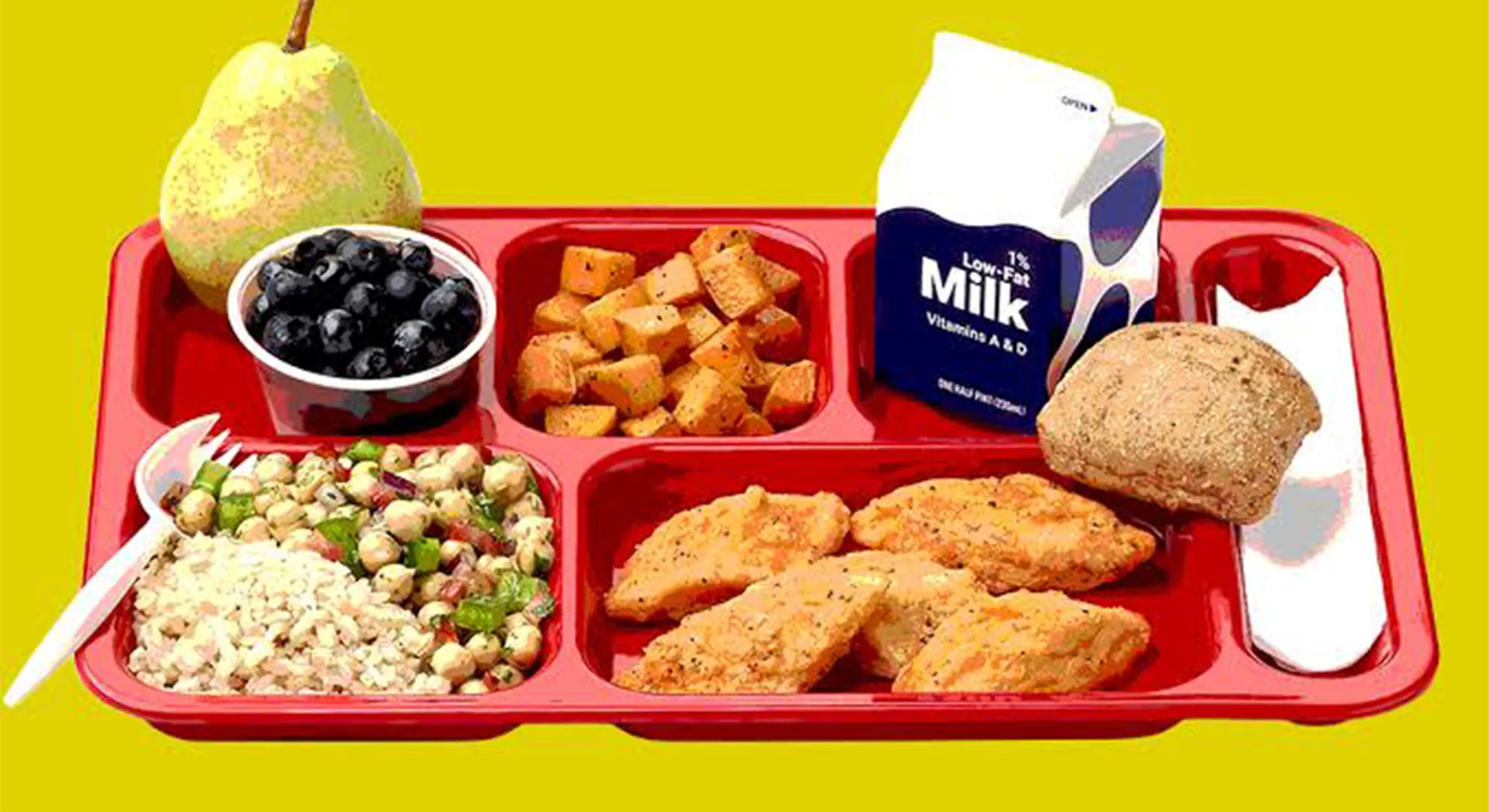
UAE schools are providing a range of meal choices, with prices starting at Dh15 for a hot lunch and reaching Dh39 for complete meals, giving families options based on children’s age, dietary requirements, preferences, and monthly spending limits.
As families get ready for the new academic year in the UAE, school-related expenses extend well beyond tuition fees, uniforms, books and transport. Food is another cost parents may need to factor into their monthly budgets, with schools offering a variety of meal arrangements designed to accommodate different preferences and spending levels.
The amount families pay can vary considerably depending on the school, the child’s age and the type of food purchased. In some institutions, parents may spend as little as Dh5 on an individual snack, while a complete school meal can cost as much as Dh39.
This wide price range gives families the opportunity to choose an arrangement that works best for their circumstances. Some parents may prefer to pay for meals regularly, while others may only want to purchase food on selected days.
Schools have introduced different systems to provide this flexibility. Depending on the institution, students may receive meals through pre-booked plans, while others can purchase food during the school day. These options allow parents to decide how frequently their children eat school-provided meals and how much they want to allocate towards food expenses.
For families trying to manage the overall cost of the school year, having multiple payment and meal choices can make it easier to plan spending.
Meal plans vary between schools
The cost of school meals is not uniform across the UAE. Each institution can have its own menu, pricing structure and payment system.
At the Swiss International Scientific School Dubai, for example, families can select from several payment options rather than being restricted to a single long-term arrangement.
Parents can choose to pay for meals on a termly, monthly or daily basis. This means families can select a plan according to how regularly their child is expected to use the school’s meal service.
Meal prices at the school range from Dh28.50 to Dh39, depending on the package selected.
The meals are designed as complete offerings rather than simply individual items. According to Brian Cleary, head of Secondary, the packages include a starter, a choice of main courses and a dessert.
This type of meal arrangement can be particularly convenient for parents who want their children to have access to a prepared lunch during the school day without having to pack food every morning.
Options for occasional users
Not every family wants to purchase a daily or monthly meal plan.
Some parents may prefer to prepare lunch at home most days, while allowing their children to buy a school meal occasionally. Others may need greater flexibility because their children’s schedules change throughout the term.
To accommodate such families, the Swiss International Scientific School Dubai also provides an occasional-use option.
Cleary explained that families can purchase meals on a daily basis when needed, meaning parents do not necessarily have to commit to a longer package.
For students in Grade 1 and above, the school also offers meal voucher booklets. These can be useful for families whose children only require a school lunch from time to time.
The voucher system gives parents another way to manage food spending without signing up for a regular meal package.
Giving parents greater control over food spending
Flexible meal arrangements can be particularly useful when families are trying to balance several school-related expenses at the beginning of the academic year.
The cost of school lunches may seem relatively small compared with tuition fees, but regular daily purchases can add up over an entire month or academic year.
For example, a family with one child eating a Dh30 meal every school day would have a significantly higher food expense than a family purchasing meals only once or twice a week.
Providing daily, monthly and termly choices allows parents to select an arrangement based on their child’s eating habits and household budget.
Families can also decide whether a school meal is needed every day or whether packed lunches will be used on certain days.
Different needs, different choices
Children do not all have the same food preferences or requirements. Some may prefer a full meal at school, while others may eat a smaller lunch and purchase only a snack.
Dietary considerations can also influence which option parents choose.
Having a selection of meal plans and individual purchases allows families to make decisions based on their child’s needs rather than following a single fixed system.
For younger students, parents may prefer a structured meal plan that ensures lunch is available each day. Older students may have more independence and may be able to decide whether they want to purchase food during school hours.
The availability of different payment models therefore gives families greater flexibility as children progress through different stages of their education.
Planning the monthly school budget
With the new school year approaching, parents are looking at the combined cost of several everyday expenses.
School meals are one part of that calculation.
A family may need to consider tuition, transportation, uniforms, stationery, extracurricular activities and other school-related costs alongside food.
Because meal prices vary from school to school, parents should check exactly what is included in the package before deciding which option provides the best value.
A complete meal may include several components, while individual purchases could allow families to spend less on days when a child does not want or need a full lunch.
For households with more than one child, the difference between meal plans can become even more significant.
Daily purchases offer flexibility
Buying food on a daily basis can be useful for families who do not want to make a long-term commitment.
Parents may choose this option when their children bring food from home on some days and purchase lunch at school on others.
It can also be helpful for families who are still deciding which meal arrangement suits their child.
However, frequent individual purchases can make monthly spending less predictable. Parents who want a clearer idea of their school food budget may find monthly or termly plans easier to manage.
The best option will ultimately depend on how often a child uses the school meal service and what the package includes.
Pre-ordered meals provide another option
Some schools use pre-order systems, allowing parents to select meals ahead of time.
This can make school mornings easier because lunch arrangements are already taken care of. It can also help parents plan their children’s meals in advance rather than relying on last-minute purchases.
Pre-ordering may also provide greater visibility over spending, particularly when parents choose a package for an entire month or term.
For schools, advance meal orders can help food providers prepare the appropriate number of portions and reduce uncertainty about daily demand.
School food becomes part of the back-to-school calculation
The cost of meals is increasingly another consideration for UAE families preparing for the academic year.
While individual snacks or lunches may not appear to represent a major expense, regular purchases throughout the school term can add up.
For this reason, parents may want to compare the different meal options offered by their child’s school before deciding how to manage lunches.
Some families may find that a full meal package provides convenience and predictable spending. Others may prefer to combine packed lunches with occasional school meals.
The availability of multiple options means there is no single approach that works for every household.
What families should check
Before selecting a school meal plan, parents may want to look at the price, frequency and contents of the meals.
It is also worth checking whether drinks, snacks, desserts or other items are included in the advertised price.
Payment schedules are another important consideration. Some schools may require parents to pay in advance for a term or month, while others may allow daily purchases.
Families should also consider how often their children are likely to use the service.
A child who buys lunch every school day may benefit from a regular package, whereas a student who usually brings food from home could find an occasional-use option more practical.
A flexible approach for the new school year
The variety of school meal arrangements available in the UAE reflects the different needs of modern families.
From individual snacks costing a few dirhams to complete meals priced at nearly Dh40, parents have a broad range of choices.
At the Swiss International Scientific School Dubai, the ability to pay for meals termly, monthly or daily gives families additional control over how they organise food expenses.
Meal voucher booklets for Grade 1 students and above provide another alternative for those who only want to use the service occasionally.
As families prepare for the return to classrooms, understanding these options can help them build a more realistic school budget.
School meals may be only one part of the overall cost of education, but having flexible arrangements allows parents to decide how much they spend, how often their children use the service and which option best fits their household routine.
With different schools offering different menus and payment structures, parents should check the details directly with their child’s school before making a decision. This can help families avoid unexpected costs and choose a meal arrangement that works for both their children and their budget.

From Dh5 snacks to Dh20 lunch choices
School meal arrangements can vary significantly between UAE institutions, with some offering fixed packages while others give families the freedom to select food according to their child’s appetite and daily routine.
At The British International School Abu Dhabi, families have several choices, with different arrangements available depending on the student’s age.
For children in the Foundation Stage and Primary years, parents can pre-order a lunch combination priced at Dh20. The meal is designed to provide a balanced selection, including a source of protein, a starch component, vegetables and fresh-cut fruit.
Parents can also arrange morning snacks in advance. These may include freshly prepared fruit as well as bakery products incorporating fruit and vegetables, giving younger pupils additional choices during the school day.
Drinks are not included in the main meal price and are charged separately. A bottle of water costs Dh3, while juice is priced at Dh5.
Families who do not want to purchase a complete meal can also choose individual snacks. These generally cost between Dh5 and Dh10, providing a lower-cost alternative for children who may prefer a lighter option.
More choices for older students
As pupils move into the Secondary years, their food options become more varied.
Instead of relying solely on a pre-arranged lunch package, secondary students can select from a range of grab-and-go items available during the school day.
The choices include freshly prepared bakery products, salads and sandwiches, with prices generally falling between Dh5 and Dh20 depending on the item.
Students who prefer a traditional hot meal can also purchase one for Dh15.
This system gives older pupils greater independence while allowing parents to decide how much money is made available for school food.
Rather than requiring every family to purchase a fixed meal plan, the school allows students to choose food based on what they want to eat on a particular day.
Choosing meals around a child’s routine
Alan Cocker, principal of The British International School Abu Dhabi, said the school’s approach is designed to give families greater freedom.
The idea is to avoid forcing parents into a long-term food package when their children’s eating habits may vary from day to day.
Some students may want a full lunch every day, while others might prefer a sandwich, salad or snack. Children may also bring food from home on certain days and buy something from the school catering outlets on others.
By offering several price points and meal formats, the school allows families to make those decisions according to their individual circumstances.
This can also help parents manage their school-related spending more effectively, particularly when they have several children attending school or are trying to balance food costs with other education expenses.
Focus on food safety and allergens
Flexibility is not limited to pricing and meal selection.
The school also provides information about allergens so parents can make informed choices before ordering food for their children.
For meals booked in advance, allergen details are available through the ordering application. Parents can review the information before selecting a meal, allowing them to identify ingredients that may not be suitable for their child.
According to the school, its catering service is free from nuts and sesame.
Food allergies can be a significant concern for families, particularly when children are eating meals prepared outside the home. Providing ingredient and allergen information in advance can help parents make decisions with greater confidence.
The school also encourages families whose children have specific dietary requirements to communicate with the catering and kitchen teams before ordering.
This allows staff to discuss what alternatives or adjustments may be possible.
Hundreds of daily pre-orders
The flexible system is already being used by a substantial number of students.
The school typically receives around 150 to 200 meal orders in advance each day.
These pre-orders are in addition to pupils who decide to buy food directly from the catering outlets during school hours.
The combination of advance ordering and on-site purchasing means students are not limited to a single method of accessing food.
Families who prefer to plan ahead can order meals in advance, while students who want to make a purchase during the school day can use the available catering outlets.
This arrangement also provides parents with greater control over how their children spend money on food.
Cashless payments through a digital wallet
For families using the pre-order system, the school provides a digital payment option.
Parents can transfer money into their child’s digital wallet through the Zenda app. The system gives students access to funds without requiring them to carry cash.
A digital wallet can also make it easier for parents to manage school food spending because money can be added in advance and used for approved purchases.
For food bought directly at school, students have several payment options. They can currently use their student wallet, pay by card or use cash.
The availability of different payment methods means families can select whichever system works best for them.
The digital option is particularly convenient for parents who prefer cashless transactions, while students who are more comfortable using physical cash or cards can continue to do so for on-site purchases.
Healthy eating requirements
The school’s catering operation is also subject to health and nutrition standards.
Its food provision is SEHHI-approved and follows healthy-eating requirements set by the Abu Dhabi Department of Education and Knowledge, commonly known as Adek.
This means the catering service is expected to follow guidelines designed to support healthier food choices for students.
Information about allergens is made available both through the meal-ordering application and on food offered directly at the school’s catering outlets.
Providing this information in multiple places allows students and parents to check relevant details whether they are ordering food ahead of time or buying something during the school day.
Catering for different dietary needs
Children can have very different nutritional requirements and food preferences, which is why communication between parents and school catering teams can be important.
Families whose children have specific dietary needs are encouraged to contact the catering and kitchen staff before making arrangements.
Parents can discuss their child’s requirements and find out which food options may be suitable.
This approach is particularly useful when a student needs to avoid certain ingredients or requires specific dietary adjustments.
Rather than assuming that every child can follow the same menu, discussing individual requirements in advance gives catering teams an opportunity to explain what can and cannot be accommodated.
It also allows parents to make decisions based on accurate information.
A model built around choice
The meal system at The British International School Abu Dhabi reflects a broader shift towards giving families more choice over school food.
Instead of requiring every student to follow the same meal arrangement, the school provides different options based on age, appetite and daily routine.
Younger pupils can use pre-ordered lunch combinations, while older students have access to a broader selection of individual foods.
The pricing structure also provides several spending levels.
A family can purchase a Dh5 snack, choose a more substantial grab-and-go option, or select a Dh15 hot lunch. For younger students, a complete pre-ordered lunch is available for Dh20.
Drinks can be purchased separately, with water costing Dh3 and juice Dh5.
This range means parents do not necessarily have to commit to a single daily food budget.
Giving students more independence
The approach also allows older pupils to take greater responsibility for their food choices.
Secondary students can decide whether they want a salad, sandwich, bakery item, hot meal or another available option.
This can make the school dining experience more similar to the choices students will encounter outside the school environment.
At the same time, parents retain control over spending through the digital wallet system and other payment methods.
The balance between student choice and parental oversight can be useful as children become older and more independent.
Balancing convenience and cost
For parents, one of the main advantages of having several meal options is the ability to balance convenience with cost.
A pre-ordered meal can save time and ensure that food is available at school, while individual purchases may be preferable for children who do not want a full meal every day.
Some families may also choose different approaches throughout the week.
A child might have a pre-ordered lunch on busy days and bring food from home on others. Another student might purchase a hot meal occasionally and choose a lower-priced snack or sandwich on other days.
The school’s flexible system allows those decisions to be made without requiring families to purchase a fixed-term package.
Supporting parents as the school year begins
As UAE families prepare for a new academic year, school meals are becoming another expense that parents may want to include in their household planning.
The range of options at The British International School Abu Dhabi means the final amount spent can depend heavily on what each child chooses.
A family purchasing only occasional snacks will have a very different monthly bill from one ordering a complete lunch every school day.
Parents can therefore consider their child’s appetite, preferred foods, schedule and dietary needs before deciding how to use the school’s catering service.
The ability to pre-order, buy food on site or use different payment methods provides additional flexibility.
For children with allergies or other dietary requirements, early communication with the catering team can also help families understand which options are appropriate.
Overall, the school’s approach combines several elements: varied pricing, advance ordering, individual purchases, digital payments, allergen information and healthy-eating standards.
Together, these measures give families more control over school food while allowing students to access meals and snacks that suit their age and daily needs.
School menus adapt as students grow and make more choices
School meal programmes in the UAE are increasingly being designed around the changing needs of children as they move from the early years into secondary education. The difference between younger and older students is not limited to the cost of lunch. Schools say their food services also evolve to give children more independence as they become capable of making their own decisions.
For younger pupils, parents generally remain more involved in deciding what their children eat during the school day. Meals can be selected and booked in advance, giving families greater oversight of food choices and spending.
As students get older, however, they are often given more freedom to decide what they want to eat. Secondary pupils may be able to browse the available options and purchase food themselves, allowing them to develop greater independence while still having access to a range of balanced meals.
A rotating menu offers variety
At the Swiss International Scientific School Dubai, the catering service is operated by Swiss Canonica and follows a six-week rotating menu.
Rather than repeating the same meals throughout the school week, the programme changes regularly and features dishes inspired by different international cuisines.
Students can choose from several components each day. The selection includes a starter, a Chef’s Special, a main course, a vegetarian or vegan main course and a dessert.
This structure gives pupils the opportunity to select different combinations depending on their preferences.
For example, a student may choose the Chef’s Special on one day and opt for a vegetarian meal on another. The availability of several alternatives means children are not restricted to one fixed lunch.
The rotating schedule also gives the catering team an opportunity to introduce different flavours and dishes over the course of several weeks.
Vegetarian and vegan choices available daily
Dietary preferences are another consideration within the school’s meal programme.
Vegetarian and vegan dishes are available every day, giving students who do not eat meat or animal products a regular alternative rather than requiring them to rely on occasional substitutions.
Parents are also asked to provide relevant information about allergies, food intolerances and other dietary requirements when booking meals.
Providing this information in advance allows the school and catering provider to understand individual needs before food is served.
For families, this can provide greater confidence when choosing meals for children who need to avoid particular ingredients.
It also highlights how school food services are moving beyond a one-menu-fits-all approach.
Giving students more choice
Brian Cleary, head of Secondary at the Swiss International Scientific School Dubai, said the rotating menu is intended to give pupils both variety and flexibility.
Instead of providing the same meal to every student, the system gives them several options at lunchtime.
The idea is to make school dining more engaging while allowing children to gradually become more involved in deciding what they eat.
This becomes increasingly relevant as students grow older.
A young child may rely heavily on parents and teachers when making food-related decisions. Older pupils, meanwhile, are more likely to understand their preferences and dietary requirements and can begin making those decisions themselves.
A flexible menu allows schools to support that transition.
Food choices change with age
The move from primary to secondary school can bring significant changes in how children manage their daily routines.
Students become more independent, spend more time making decisions for themselves and often have greater awareness of what foods they prefer.
School meal systems can reflect this development.
For primary pupils, parents may continue to select and reserve meals in advance. This gives families an opportunity to review the menu and ensure their child has an appropriate lunch.
Secondary students may instead be allowed to make purchases directly at school.
This approach provides older pupils with greater control while still keeping food choices within the school’s catering system.
Digital technology simplifies meal planning
Schools are also using technology to make the process of selecting and paying for meals easier.
At the Swiss International Scientific School Dubai, families use the Spare App for school food arrangements.
Each child has an individual account connected to the system, allowing parents to manage their child’s meals through the application.
Parents can review the available choices, select food and complete payments digitally.
This removes much of the paperwork traditionally associated with school meal programmes and allows families to manage arrangements from their phones.
A digital system can also make it easier for parents to keep track of what their children have ordered and how much has been spent.
Cashless payments become part of school life
The introduction of cashless meal systems is another development changing how students purchase food.
Instead of carrying money to school, children can use digital accounts or other approved payment methods.
This can make lunchtime transactions quicker and more convenient.
It also reduces the need for students to handle cash during the school day.
For parents, cashless systems provide an additional level of visibility and control. Money can be added to a child’s account in advance, while purchases can be managed through the school’s chosen platform.
As schools increasingly use technology for attendance, communication, transport and other services, digital food payments are becoming another part of the wider school experience.
Star International School follows a similar approach
A comparable model is used at Star International School, Al Twar.
Principal Lisa Passante said the school also adjusts its meal arrangements according to the age and independence of students.
Younger children have a more structured system, with Primary families selecting and booking meals before the school day.
Secondary students, on the other hand, have greater freedom to choose and purchase their food directly at school.
This difference recognises that older students are generally better prepared to make independent decisions about what they want to eat.
It also allows the school to maintain a balance between parental involvement and student independence.
International dishes and themed menus
The catering programme at Star International School also works with Swiss Canonica.
Students have access to fresh vegetable starters, several main meal options, vegetarian and vegan dishes and desserts.
The school follows a six-week rotating menu, meaning the food selection changes regularly.
The menu also features international dishes and weekly country-themed choices.
These themed meals can introduce students to foods and flavours associated with different parts of the world.
Rather than relying entirely on familiar dishes, the rotating programme provides opportunities for pupils to experience a broader selection of international cuisine.
This can also help make school lunches more varied and interesting throughout the term.
Younger children receive more parental guidance
For Primary students, parents continue to play an important role in selecting meals.
Families can look through the available choices and book food ahead of time.
This arrangement can be particularly helpful for younger pupils because parents are more familiar with their children’s dietary requirements, allergies and preferred foods.
Advance ordering also gives families an opportunity to plan the week rather than leaving lunch decisions until the last minute.
For children who are still developing their eating habits, parental involvement can provide additional structure.
Older pupils gain greater independence
The system changes as children move into Secondary school.
At this stage, students can make more of their own decisions and purchase preferred foods directly from the school.
This does not mean that parents lose all control over the process. Rather, the system gives students more responsibility while keeping food available within the school environment.
The ability to select lunch independently can also help older pupils become more aware of what they eat and how they manage their daily spending.
It represents a gradual shift from parent-managed meals towards student-led choices.
Why flexibility matters
The move towards more flexible school meal systems reflects the fact that children have different appetites, preferences and dietary needs.
Some pupils may prefer a substantial hot lunch, while others may choose something lighter.
A student might select a vegetarian meal one day and a different option the next.
Having several choices means schools can accommodate a wider range of preferences without requiring separate meal systems for every student.
Rotating menus also help reduce repetition, which can encourage students to explore different foods.
Balancing nutrition with choice
While giving students greater freedom is important, schools also need to ensure that the food available meets appropriate nutritional standards.
This is why meal programmes often combine choice with structured menus.
Students can decide which option they prefer, but the available meals are still selected and prepared within the school’s catering framework.
The inclusion of vegetables, vegetarian meals, vegan alternatives, starters and desserts creates a broader selection while maintaining structure.
For younger children, parents can guide those choices. For older pupils, students can gradually take more responsibility.
A more modern approach to school dining
The evolution of school meal systems reflects broader changes in how schools operate.
Technology has become an important part of everyday education, from digital learning platforms to communication applications and cashless payment systems.
Food services are following the same trend.
Parents can increasingly select meals online, pay electronically and manage their children’s accounts digitally.
Students can then access food without relying on cash or complicated ordering procedures.
This approach can make the lunch process smoother for both families and schools.
Six weeks of changing choices
The six-week menu cycle used by both Swiss International Scientific School Dubai and Star International School provides another benefit: variety.
A longer rotation means students are less likely to encounter the same dishes repeatedly within a short period.
International and themed meals can also add variety to the dining experience.
For schools, rotating menus can make it easier to plan different ingredients and dishes across the term.
For students, it can make lunchtime feel less repetitive.
A transition from parent-led to student-led meals
The overall approach can be viewed as a gradual progression.
In the early years and Primary classes, parents remain closely involved. They choose meals, make bookings and consider dietary requirements.
As children progress into Secondary school, responsibility shifts towards the students.
They can examine the available food, decide what they want and make purchases themselves.
This gradual change mirrors other aspects of growing independence.
Students are increasingly expected to manage their schedules, make decisions and take responsibility for everyday activities.
School meals can provide another practical opportunity for them to develop those skills.
Digital systems support the transition
Cashless technology makes this transition easier.
When parents can fund and manage a child’s digital account, students can make purchases independently without needing to carry cash.
Schools can also maintain a more organised system for tracking meal payments.
For families, digital ordering can provide convenience, particularly when they are managing multiple children.
Instead of relying on paper forms or daily cash payments, parents can use the relevant school application to handle meal arrangements.
Catering becomes part of the wider school experience
School food is no longer simply about providing lunch.
Menus, dietary information, payment systems and student choice all form part of the wider experience.
Schools are increasingly trying to ensure that children have access to varied food while also giving families practical ways to manage meals.
The approach used at Swiss International Scientific School Dubai and Star International School illustrates how this can work.
Younger children have greater parental oversight, while older students gain more freedom.
At the same time, rotating international menus ensure that students have multiple options to choose from.
What this means for UAE families
For parents preparing for the new academic year, understanding how a school manages meals can be just as important as knowing the cost.
Families may want to check whether meals need to be booked in advance, how payments are made, what food choices are available and how dietary requirements are handled.
They may also want to understand when children gain the ability to purchase food independently.
These details can make a difference to both the family budget and the child’s daily routine.
As school meal programmes continue to evolve, the focus appears to be moving towards a combination of convenience, variety, safety and independence.
For younger students, parents remain closely involved in meal decisions. For older pupils, schools increasingly allow them to take charge of their own choices.
With rotating menus, vegetarian and vegan alternatives, international dishes and cashless ordering systems, school dining in the UAE is becoming a more flexible part of everyday student life.
The overall goal is not simply to provide children with something to eat during the school day. It is also to create a system that can adapt as students grow, giving families greater control while gradually preparing children to make their own informed choices.